
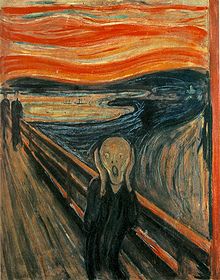
 Welcome to our Summer Blog Series examining the impact of anxiety disorders on church participation and spiritual development in kids. Today…we’ll begin to look at signs church staff, volunteers and parents might observe in the child struggling with anxiety
Common signs and symptoms often associated with clinically significant anxiety in children are listed below. Today, we’ll look at the first five signs. On Wednesday, we’ll examine the last five.

“What if” questions refer to hypothetical situations unlikely to come true that are a cause of ongoing distress to the child. Some examples would include:
- “What if my Mom and Dad get into a bad accident on the way home?”
- “What if there’s a burglar in our house while I’m sleeping?”
- “What if Jesus isn’t who He claimed to be?”
- “What if the stuff in the Bible isn’t true?”
Avoidance represents a conscious or unconscious reluctance to engage in age-appropriate tasks and activities associated with feelings of anxiety. Common situations in which avoidance is demonstrated may include:
- Riding the school bus
- Calling a friend to invite them to play
- Going to dances or sporting events in middle school or high school
- Large group activities where a child may have been publicly embarrassed (school, youth ministry)
The child in need of constant reassurance may persist in their fears of a serious medical illness despite appropriate examination and testing from a physician, or reassurances from a teacher or principal that an anxiety-provoking situation has been resolved.
Children with excessive physical complaints without an identified cause may be experiencing significant worries that they are unable to communicate or embarrassed to communicate with a parent or caring adult.
Sleep disturbance is a very common symptom of anxiety in children and teenagers. Kids prone to anxiety may cope relatively well during the day when the busyness of school, friends, extracurricular activities, homework and entertainment help take their mind off specific worries or fears. Without the distractions of the day, children may be most aware of their fears at night and often have more difficulty falling asleep as a result. Those with separation anxiety may need to fall asleep in the presence of a parent, insist upon sleeping in their parents’ room if they awaken during the night or have difficulty sleeping alone in their room.



 Church4EveryChild