
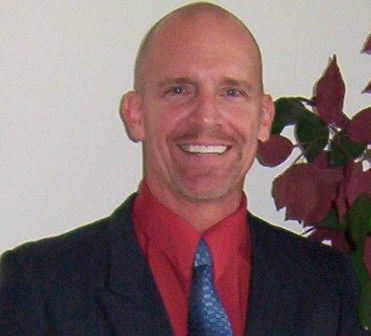
 Special thanks to Mike Woods for today’s fourth and final installment in his series of guest posts in honor of Autism Awareness Month. Mike currently serves as Special Needs Ministry Director at First Baptist Church of Orlando. For more info on Mike, click here. Today’s post addresses strategies for communicating a sense of unconditional worth to children with autism spectrum disorders.
In my previous post I discussed the important of human engagement with children and adults with autism in an effort to develop relationships. Our goal is to bring a nurturing spirit into the special needs volunteer/child relationship…one that is characterized by genuine warmth, mutual respect, and unconditional worth. In order to facilitate these relational characteristics it is essential to maximize the use of giving unconditional worth.
Unconditional worth refers to any action on the part of the special needs staff/volunteer that recognizes and expresses the dignity, worth, and value of the child.
Whether verbal or nonverbal, unconditional worth can be given any time, not just contingently. In other words, unconditional worth is given regardless of any particular behavior because it is given for who the child is, not for what s/he has done. We should avoid the tendency to value a child only after he has done something well, accomplished a task, or complied with a direction.
Giving unconditional worth conveys sincerity and genuineness. It is communicated through words, physical touch, gestures, or any other form of nonverbal or verbal expression. The three most common methods of giving unconditional worth are:
Verbal : any interactions involving words or vocalizations that express authentic and joyful vocal expressions. These range from the specific words that you use (i.e., “God has a great plan for you Bobbie, and I look forward to discovering what it is!”) to your tone of voice.
Physical: any interactions involving appropriate physical contact that express worth, value, and respect. Hugs, handshakes, and patting are a few examples.
Gestural: any interactions involving smiles, nods of approval, and/or positive facial expressions that express the child’s worth as an equal being.
Giving unconditional worth shows children with autism that we welcome them…just as they are…for who they are. Unconditional worth is more than a type of reward, because rewards are typically given for compliance. Unconditional worth is given rather than earned. It is expressed even in difficult moments. Giving unconditional worth should be a regular part of our engagement with a child with autism and demonstrate through words, gestures, and appropriate touch, our acceptance of the child. These types of interactions are central to what we do as special needs ministry staff and volunteers.
Special needs ministry can sometimes feel like a challenging road to journey. Ministering to children and/or adults on the autism spectrum, especially those whose behaviors can be difficult, requires us to remember what we are doing and why we are doing it. It asks us to be people who embrace showing others their value as human beings through unconditional worth.
Being His presence, His words, and His hands to children with autism asks us to be empathic with those who are unable to reach out toward others until others reach out toward them. It involves a commitment to give value even when being rejected; it asks us to be tolerant, respectful, and persevering. The desire to engage even the most “distant” child on the autism spectrum with unconditional worth is based on the belief that all of us long to develop friendships in this life and that this feeling for being with others and a sense of belonging resides in all of us.
Sunday: Strategies for Promoting Spiritual Growth in Kids With Asperger’s Disorder
 Our Key Ministry team has two exciting training opportunities in April for our friends from around the U.S. Harmony Hensley will be presenting on the topic: Under Construction: Building an Inclusion Ministry at the McLean Bible Church Accessibility Summit in McLean, VA on April 21-22. She’ll be joined there by guest bloggers Aaron Scheffler of Mark 2 Ministries, Jolene Philo of Different Dream Parenting and Shannon Dingle of Providence Baptist Church in Raleigh, NC. Registration info is available here. Katie,
  Rebecca and Harmony will be offering a free, day-long JAM (Jumpstart All-Inclusive Ministry) Session at Two Rivers Church in Knoxville, TN on Saturday, April 28th. Click here for registration info.



 Church4EveryChild