Be Not Anxious…How Common are Anxiety Disorders in Kids?

Welcome to our Summer Blog Series examining the impact of anxiety disorders on church participation and spiritual development in kids. In today’s post, we’ll examine how common anxiety disorders occur in kids and discuss the difference between normal fears and pathological anxiety.

Fear and worry are common in “typical” children.  Some examples of age-appropriate fears are listed below:

Kids with anxiety disorders are different from their peers in that they misperceive the level of threat or danger in their environment. Fear and worry become a cause for concern when they significantly interfere with a child’s ability to function in an age-appropriate way in school, with friends, as a member of their family or in extracurricular activities, including church.

When a child is experiencing anxiety or fear that significantly interferes with major areas of development or life functioning they may be identified with an anxiety disorder.

Several large studies have reported that at any given time, 6-20% of children and teens experience symptoms of one or more anxiety disorders. An excellent summary of the research may be found here. An exact prevalence rate for anxiety disorders is difficult to calculate because some kids may experience significant functional impairment and emotional distress from anxiety without describing symptoms that completely fulfill the formal diagnostic criteria. Research does tell us the following:

  • Girls report higher rates of anxiety than boys, especially for panic disorder, social anxiety and specific phobias.
  • Kids often develop symptoms of new anxiety disorders over time.
  • As the severity of a child’s anxiety symptoms increase, the likelihood that symptoms will persist over time also increases.
  • Adolescents with anxiety disorders are at greater risk of anxiety, depression, illicit drug abuse and academic underachievement as adults.
  • Obsessive-Compulsive Disorder appears to be especially persistent. While symptoms of OCD may wax and wane over time, they rarely resolve completely.
Sunday: Recognizing the different presentations of anxiety in children and adolescents
Posted in Anxiety Disorders, Hidden Disabilities, Key Ministry | Tagged , , | Leave a comment

Tressel…Lessons for Christian Leaders (Part Two)

When the scandal at Ohio State involving football coach Jim Tressel and a number of high-profile players began to escalate back in March, I had posted about the importance of Christians in prominent positions contemplating the impact of their day to day actions on the impact of their witness. As the process that culminated in Coach Tressel’s resignation unfolded, another reality for publicly identifiable Christian leaders emerged…There’s no shortage of people looking to take advantage of  any misstep to label prominent Christians as hypocrites and impostors.

Don’t get me wrong. At best, Tressel is guilty of very poor judgment when he failed to pass on information about potential NCAA rule violations. At worst, he lied to the NCAA.

“Let any one of you who is without sin be the first to throw a stone.”

John 8:7 (NIV)

Check out the Sports Illustrated article that reportedly led to Tressel’s resignation from Ohio State. Here are a few selected quotes from the article:

For more than a decade, Ohioans have viewed Tressel as a pillar of rectitude, and have disregarded or made excuses for the allegations and scandal that have quietly followed him throughout his career. His integrity was one of the great myths of college football. Like a disgraced politician who preaches probity but is caught in lies, the Senator was not the person he purported to be.

Cochran, who is now retired, still shakes his head over Tressel’s contradictions. There was the Christian who lifted kids out of troubled neighborhoods and built a football “family,” Cochran says, and there was the coach who claimed to have been kept in the dark after he had assiduously avoided the light. “What bothered me was that the family knows,” Cochran says. “Inside the family everyone knows what’s going on.”

Says the former colleague, who asked not to be identified because he still has ties to the Ohio State community, “In the morning he would read the Bible with another coach. Then, in the afternoon, he would go out and cheat kids who had probably saved up money from mowing lawns to buy those raffle tickets. That’s Jim Tressel.”

Fortunately, God believes in offering us second chances. I suspect that many Christ-followers are afraid to take their faith public because of choices or decisions that they’re less than proud of. All of us screw up sooner or later. All of us have made mistakes. Who would want to face the type of public scrutiny that Tressel has faced?  I’d go so far as to argue that many in the media have made the scandal at Ohio State a bigger deal than it would have been anywhere else and Tressel is being singled out  because he has been so open about his Christian faith.

What can the rest of us learn from this incident? Think about the impact of your actions on the folks around you who are impressionable about Christ and Christianity. Assume that you’ll be judged by the world with a different standard than the standard applied to everyone else.  Treat others with grace when they desire to honor God but screw up. And don’t be afraid to respond boldly when God puts opportunities to share your faith in front of you. You’ve already been forgiven by the only One whose opinion really matters.

Best Wishes to Coach Tressel. I pray that God has an better plan in mind for how he can best contribute to His team in the future. Here’s an aspect of his legacy at Ohio State that you don’t see many folks in the media talking about this week.

Posted in Leadership | Tagged , , | Leave a comment

Be Not Anxious…Helping Kids With Anxiety Grow Spiritually

Welcome to our Summer Blog Series examining the impact of anxiety disorders on church participation and spiritual development in kids. In today’s introductory post, we’ll examine a unique spiritual challenge kids and adults with anxiety disorders face.

Now I lay me down to sleep…I pray the Lord my soul to keep…And if I die before I wake…I pray the Lord my soul to take.

Think that prayer may have contributed to at least a little separation anxiety at bedtime over the years? No doubt that more than a few parents have likely had extra sleeping companions after their children prayed that prayer.

If you’re reading this blog, there’s a good possibility you prayed that prayer as a child and emerged from your childhood relatively trauma-free.  On the other hand, if you had experienced significant anxiety symptoms while growing up, the meaning you draw from select passages in the Bible, your memory of religious activities, your experience in practicing spiritual disciplines and your reaction to the style of worship and Christian education offered by your church would likely differ from that of other Christians in ways others would struggle to fully appreciate or understand.

Anxiety wasn’t part of God’s original plan for mankind. Anxiety was the immediate result of the separation from God that occurred when Adam and Eve chose to disobey His command in the Garden of Eden.

He said, “I heard the sound of You in the garden, and I was afraid because I was naked; so I hid myself.                        

Gen 3:10 (NKJV)

Fast-forward approximately 4,000 years. Jesus Christ has arrived in Palestine to proclaim the arrival of God’s Kingdom on Earth and to begin the process of restoring creation to the way it was intended to be before that fateful day in the Garden.  In Jesus’ most famous sermon, He devoted an entire section to assuring the people that they no longer needed to experience anxiety, since the opportunity for restoration of a right relationship with God was at hand.

“If God gives such attention to the appearance of wildflowers-most of which are never even seen-don’t you think he’ll attend to you, take pride in you, do his best for you? What I’m trying to do here is to get you to relax, to not be so preoccupied with getting, so you can respond to God’s giving. People who don’t know God and the way he works fuss over these things, but you know both God and how he works. Steep your life in God-reality, God-initiative, God-provisions. Don’t worry about missing out. You’ll find all your everyday human concerns will be met.”

“Give your entire attention to what God is doing right now, and don’t get worked up about what may or may not happen tomorrow. God will help you deal with whatever hard things come up when the time comes.”

                                                                        Matt. 6:30-34 (MSG)

If anxiety was caused by the shattering of our relationship with God and if Jesus, throughHis death and resurrection made possible the restoration of our relationship with God, why is it that our children continue to be so anxious? And why do we, as “mature” Christians, continue to experience such anxiety?

Dave Lynden, Pastor of Fellowship Bible Church in Chagrin Falls, Ohio answered that question as follows:

“Worry equals practical atheism. Worry states that we don’t trust God for our provision.”

See the unique challenge? More so than any other disability, anxiety is seen as a condition that’s indicative of a lack of faith. That awareness, in and of itself, can produce more anxiety in a child or a parent seeking to follow Christ or grow in faith. We’ll spend the rest of the summer developing an understanding of why kids and adults experience pathologic anxiety and how to overcome the obstacles such anxiety presents to spiritual growth.

Thursday: How common are anxiety disorders among children and teens?

Posted in Anxiety Disorders, Hidden Disabilities, Key Ministry, Spiritual Development | Tagged , , , , | 7 Comments

Summer Stuff

Summer may have arrived (even in Northeast Ohio), but our crew at Key Ministry will hardly be relaxing and taking it easy over the next few months.

Beginning this week, we’ll be launching a summer series on what may be the most common “hidden disability” seen in kids and a disability that quietly may contribute more to kids dropping out of church programming than any other…anxiety disorders. In this series, we’ll look at the differences between age-appropriate fears and pathological anxiety, explore the different ways in which anxiety might manifest in kids involved with church, examine the causes and treatments for anxiety, examine some of the challenges anxiety disorders present in spiritual development of kids, and explore ways in which parents can promote spiritual growth when they have a child suffering from anxiety.

June is also Special Needs Month at CMConnect.org. Kristy Moser will be interviewing Harmony Hensley from our group on the topic of Respite Care tomorrow on Blog Talk Radio. An updated version of the series on ADHD will be made available on Key Ministry’s CMConnect blog along with links to the series on anxiety to begin here later in the week. Katie Wetherbee will be posting regularly throughout the month, along with our friend Michael Woods at makingroom.net.

We have two JAM (Jumpstart All-Inclusive Ministry) Sessions scheduled for the summer. The first is scheduled for Des Moines, IA on Friday, June 10. The second JAM Session is tentatively set for early August in Northwest Ohio/Northeast Indiana. Contact Katie Wetherbee for more information and for registration for our Iowa JAM Session. As always, registration for all Key Ministry-sponsored events is free of charge.

I’m looking forward to finishing out the summer by speaking at Cedarville University in September for the combined Bioethics Summit and Through The Roof Summit, sponsored by Joni and Friends, from September 15-17 in Cedarville, Ohio. I’m planning to talk about the impact of hidden disabilities on spiritual development in kids, along with interventions for reducing the risk of aggressive behavior at church. Joni Earickson Tada is scheduled to be the keynote speaker. To register for the conference, click the link here.

Last, but certainly not least, our teammate and Board member Rhonda Martin will be launching her tour on August 1 for “Stuck,” written for children with Obsessive-Compulsive Disorder. Rhonda just returned from Book Expo America for interviews and an initial signing event. Congratulations to Rhonda! We’re very much looking forward to her joining us as a guest blogger during the summer series on anxiety.

Posted in Inclusion, Key Ministry, Resources, Training Events | Tagged , , , , , , , , , , | Leave a comment

A Child Shall Lead Them…Update

This past March, I shared a post describing a 14 year-old volunteer from Breathe Respite events held at my church who approached our senior pastor with a fleshed-out proposal for the church to host a luau this summer as an outreach to 50 adults with developmental disabilities living in our community.

The volunteer came to the meeting with a Power Point presentation, detailed timelines of tasks needing to be completed, a leadership team in place and a plan to raise money for the event through solicitation of local merchants and businesses.

One of the observations I made in the original post involved the potential for spiritual growth among kids given the opportunity to serve in such a ministry. This video was presented at our worship services last weekend.

See what I mean!

You can follow the progress of Abby’s team at FBC Luau 2011 on Facebook.

Posted in Inclusion, Key Ministry, Spiritual Development, Stories, Strategies | Tagged , , , , , | Leave a comment

How Can I Get Involved and Help?

How can I get involved and help?

I received a message the other day from one of my high school classmates who has been following this blog and some of the posts on ADHD from the Key Ministry Facebook page asking that very question. I resisted the urge to respond right away. We discussed Bryan’s question yesterday at our team meeting. His question becomes more profound the more I ponder it.

Our ministry team came up with some good answers, but upon further reflection, they seemed like the typical answers you’d hear from any Christian-based organization. Pray for us. Spread the word. Support us financially so we can continue to provide our services to churches free of charge. Become a champion for an inclusive ministry to welcome families of kids with disabilities in your church. All of those responses would be both helpful and welcome, but they still felt inadequate.

I considered the question of how I hope people will respond when they’re exposed to our people, training and ministry resources. Ultimately, I’d want folks to respond by looking for where God might be at work in the unique intersection of their experiences, talents, giftedness and circumstances in providing opportunities to build His Kingdom. There are no coincidences. Anyone moved to ponder the question that serves as the title of this post is asking because they’ve been positioned in a specific time and place to share God’s love with a little piece of a broken and hurting world.

Let me take the four suggestions generated at our team meeting and look at each suggestion with a different twist…

Pray: The process of answering the “How can I get involved and help” question is honoring to God. After all, God placed such an extraordinarily high priority on relationship with us that He sent His Son to die for us in order to re-establish the possibility that we could have a relationship with Him. God wants us to spend time with Him in prayer and through other spiritual disciplines sorting out questions like this one.

Two observations…God probably isn’t going to guide you into something significant that He hasn’t wired you for well in advance and prepared you for through earlier life experience. I’m a big fan of Wi-Fi, Hi-Def, air conditioning and comfortable clothing, and I’d probably have a hard time hanging a picture on a wall. God’s probably not going to ask me to go build huts or dig wells in some Third World country. Second, if  you’re wondering whether God may be asking you to make a major commitment to helping with a movement such as the one we’re a part of, it’s probably not a God thing if you can do it from your own talents, resources and experiencing without becoming more dependent upon Him.

Spread the Word: Obviously, we appreciate the willingness of our ministry supporters to share links to our blogs, spread the word about our training opportunities and share our Facebook and Twitter posts. But that’s all meaningless unless somebody actually does something with our resources to help other people.

One way to help is to not just spread the word, but to “do the Word.” Look for families in need within your sphere of influence and do something to help them experience God’s love. You don’t need your church to launch a “program” to offer to watch your neighbor’s kids for a few hours if they have a child with ADHD or a developmental disability and might benefit from a night out together to go out to eat, go to the movies, or enjoy a little uninterrupted conversation. Check out the first response in the “Comments” section to yesterday’s post from Shannon Dingle. One person or one family taking the initiative to help meet immediate needs would have had greater impact for “Anonymous” than ten years of well-crafted sermons.

Be a good steward…of not just treasure: While we very much appreciate the financial support our ministry supporters provide…and have lots of cool ideas for investing more…I’d much rather have the gift of someone’s time and talents. In the 8-plus years our team has been engaged in this ministry adventure, the activity that’s given me the most personal satisfaction (and resulted in the greatest fruit) is offering folks the opportunity to engage in worship by providing them the opportunity to use their gifts and talents to share Christ’s love with other people and advance His Kingdom. Nowhere in the New Testament can I find evidence that ministry is the work of ‘professional Christians.” We’re looking for folks who want to “be the church”…what could be more awesome (and significant) than to have the opportunity to use one’s gifts and talents while playing a meaningful role on God’s team?

Become a “Champion”: Being a “Champion” isn’t necessarily limited to launching a “program” or some initiative at your church toward becoming more inclusive. Some folks go to really good churches where the senior leadership doesn’t see this type of ministry as a priority. I’ll catch a lot of flack from my disability ministry friends for this statement, but that doesn’t necessarily mean they’re disobeying God, or that they’re bad or insensitive people. In case you haven’t noticed, the world is really messed up, and opportunities for sharing the Gospel and helping other people are plentiful. God may be leading those churches to focus on other Kingdom priorities. Maybe He’s leading you to another church that would support intentional ministry to families of kids with disabilities. Being a champion could involve persuading your small group to tutor kids with learning disabilities after school. Or inviting the brother of the kid down the street with autism who never gets out to do anything to join you and your kids when you have an extra ticket for the baseball game. Or offering to join with another family to offer child care when five families of kids with disabilities want to get together for a Bible study or a support group.

I can be pretty confident in promising that God will put opportunities in front of you to get involved and help if you’re asking the question and praying about the answer. The key is learning to become aware of the opportunities He’ll provide in the context of your circumstances.

If you’d like to specifically discuss how you might get involved with and help Key Ministry, feel free to contact me at steve@keyministry.org, or Rebecca Hamilton, our Executive Director at rebecca@keyministry.org  or by calling her directly at (440) 708-4488. Feel free to “like” us on Facebook and leave a message there.

Posted in Hidden Disabilities, Inclusion, Key Ministry | Tagged , , , | Leave a comment

CDC: One in Six U.S. Children Have Developmental Disabilities

According to a study by the U.S. Centers for Disease Control and Prevention published online today in the journal Pediatrics, one out of every six U.S. children has been diagnosed with a developmental disability. For the purpose of this study, developmental disabilities have been defined as attention deficit hyperactivity disorder; intellectual disability; cerebral palsy; autism; seizures; stuttering or stammering; moderate to profound hearing loss; blindness; learning disorders; and/or other developmental delays. Here’s a link to the study abstract. Here’s a link to a well-written article discussing some possible causes for the increased rates of developmental disabilities reported in the study.

The following quote was attributed to the study’s lead author, Coleen Boyle, Director of the U.S. National Center on Birth Defects and Developmental Disabilities:

“Children are our future, and many of these children can grow up to be very productive citizens, so we need to invest in programs to help facilitate their development.”

If this is true of society at large, how much more true should it be of the church? While churches don’t necessarily need to create “programs” to address the spiritual growth of kids with developmental disabilities, the church certainly needs to devote time and energy to acquiring the resources to lend support to parents of kids with developmental disabilities as they function in their role as primary faith trainers of their children.

Posted in Hidden Disabilities, Key Ministry | Tagged , , , , , , , | 8 Comments

Are Parents of Kids With ADHD Stigmatized at Church?

Earlier this week, Shannon Dingle had a wonderful post on her blog The Works of God Displayed (I’d highly encourage readers of this blog to subscribe to Shannon’s blog) on perceptions of folks in the church about the diagnosis of ADHD. I’d encourage you to read her post, because I’m challenged to express my opinions as eloquently as she did on her blog. I very much appreciate as well the comments on her blog from a pastor (Carey) who was willing to give voice to some of the thoughts and feelings Shannon was seeking to describe in her post.

Here are three specific quotes from Carey’s comments I’d like to respond to:

“However, as a Pastor, and one who is continually involved in family and marriage counseling, my concern is that some/many/alot (not sure the figure) of the ADHD diagnosis are not hitting the true need the child has – better parenting.”

“My concern is that kids who are mis-diagnosed with ADHD, when they really need better parenting at home are being “drugged” rather than what they really need… and nobody really benefits from that.”

“My comments are not aimed at those parents, so please understand that. I’m concerned about those who are quick to label their child with special needs as a way to side-step their Biblical responsibility as parents. Parenting is not easy, and many shirk it like they do other difficult things in life (conflict, work, etc.). Those children get drugs instead of loving discipline, and they are not served well by it. From my seat it seems all too common.”

The reality is that within the church community, there are some diagnoses that are considered “legitimate” disabilities, autism being the condition getting the most attention at the moment. When we started Key Ministry, our primary reason for being was the firsthand experience of the founding members of our team with families of kids with “hidden disabilities” who stopped attending church because of the responses they experienced from people within the church. It didn’t seem to us that the established disability ministry organizations were attuned to the needs of families with children experiencing primary mental health conditions, presumably because they didn’t fit into the existing construct of “disability” or “special needs.”

Our “marching orders” are to make disciples of all nations…let’s say for the sake of discussion that all of Carey’s assumptions are correct. Given that 9% of all kids of school age in the U.S. have been “drugged” for their ADHD, representing more than 9% of families (because more than 9% of families have at least one child who has been prescribed medication for ADHD), how effective are we likely to be as church in reaching out to and connecting with those parents and building relationships with them that lead to meaningful life change working off the assumptions Carey has shared?

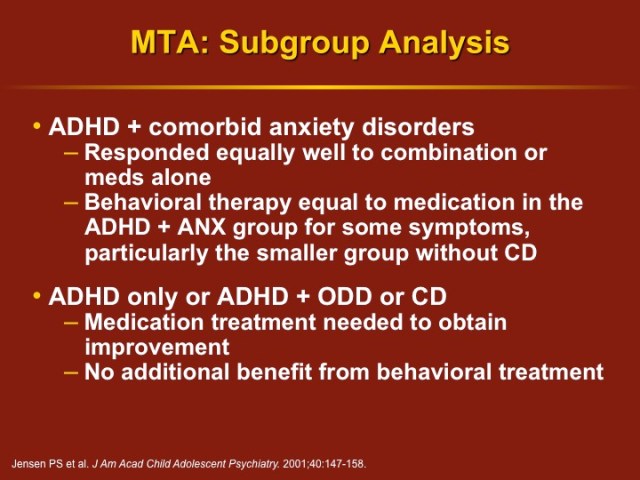
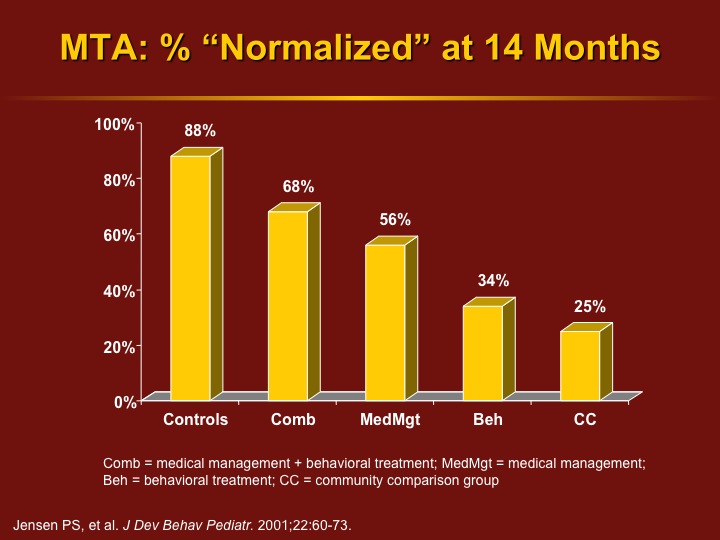
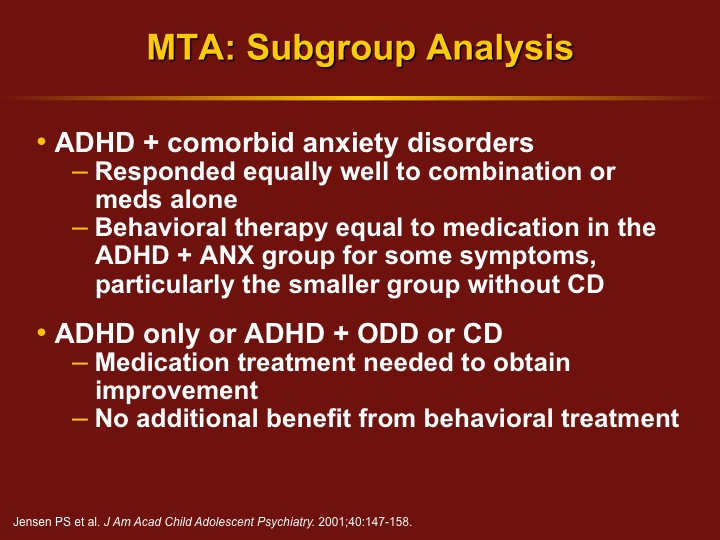
Behavioral therapy is not a particularly effective treatment for kids with uncomplicated ADHD. The landmark study that folks in the field point to in examining this topic is the MTA study (Multimodal Treatment of ADHD), funded by the Federal Government and conducted in the mid 1990s. The premise of the study was to compare the effects of medication alone, an intensive course of behavioral and psychosocial treatment alone, the combination of the two treatment approaches and treatment readily available in the community in kids with uncomplicated ADHD, kids with ADHD and other disruptive behavior disorders (Oppositional Defiant Disorder, Conduct Disorder), kids with ADHD and internalizing disorders (primarily, anxiety) and kids with ADHD plus two or more comorbid conditions.

An overview of the study results is presented below.
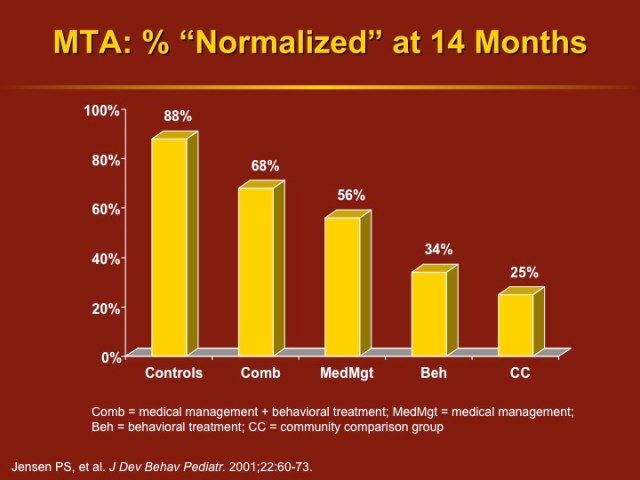
Behavioral/psychosocial therapy was most helpful in situations in which kids had multiple comorbid conditions, along with kids with concomitant anxiety disorder. For kids with uncomplicated ADHD, medicine alone was clearly more effective than the behavioral therapy alone, and the benefits of behavioral/psychosocial treatment were seen only after the kids were also treated with medication. For what it’s worth, if there was a bias in how this study was designed, the bias was in favor of demonstrating the benefits of behavioral interventions. The cost to a parent looking to replicate the counseling, case management and classroom interventions used in the MTA would be well in excess of $30,000/year.

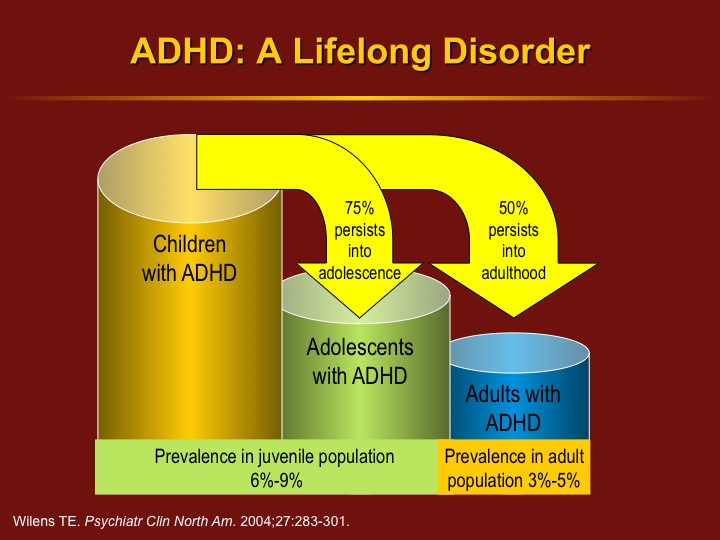
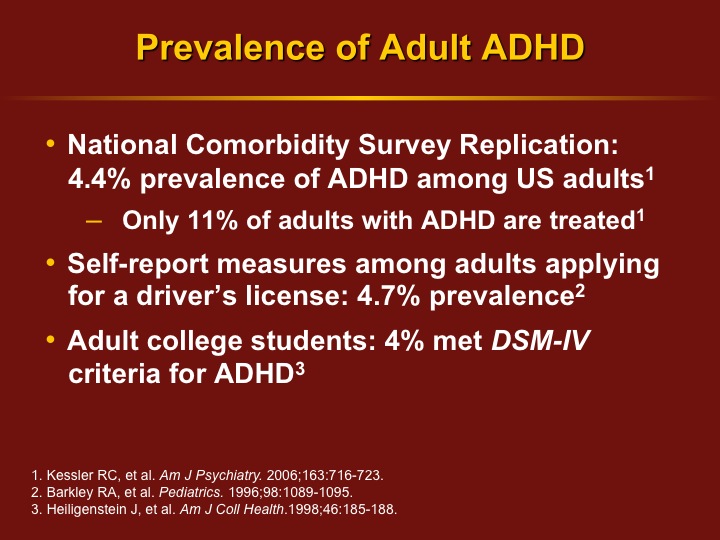
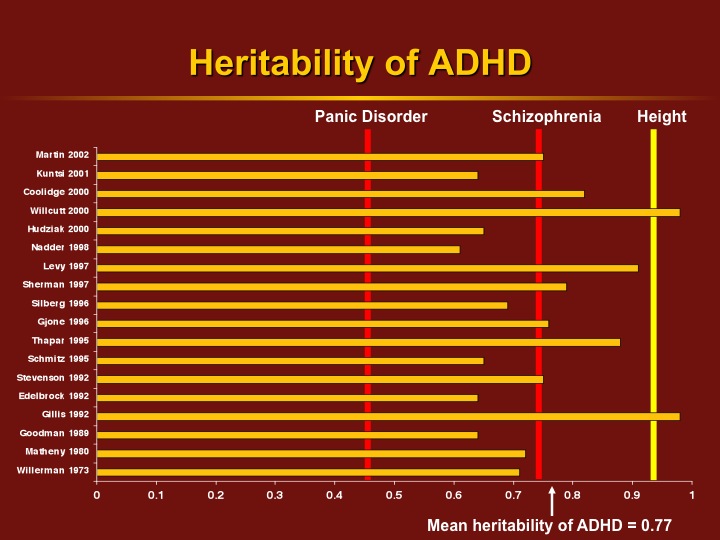
Is it possible that the parents themselves might have a disability that would negatively impact their ability to consistently implement more effective parenting strategies? Literally, the apple doesn’t fall far from the tree. Looking at the data below, can we safely assume that all parents of kids with ADHD are capable of implementing strategies that require great consistency in order to be effective?
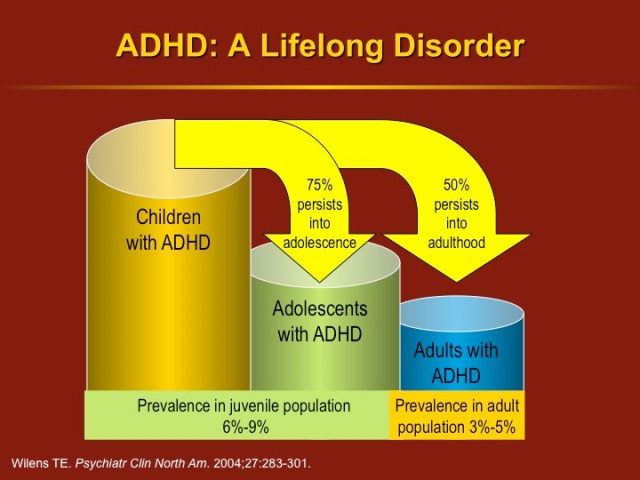
A better question to ponder may be how we as the church can we help such parents more readily bear the burdens associated with their child’s condition? Would it make more sense to err on the side of grace in how we view families of kids with ADHD, at least until we know them well enough to feel we could walk in their shoes?

Where exactly is the evidence that large numbers of kids are inappropriately being treated with medication? The folks at the National Institute of Mental Health did a study looking at this very issue during the time when use of medication for ADHD was rapidly escalating. Here’s what they found. The situation may be different in Perry’s community.

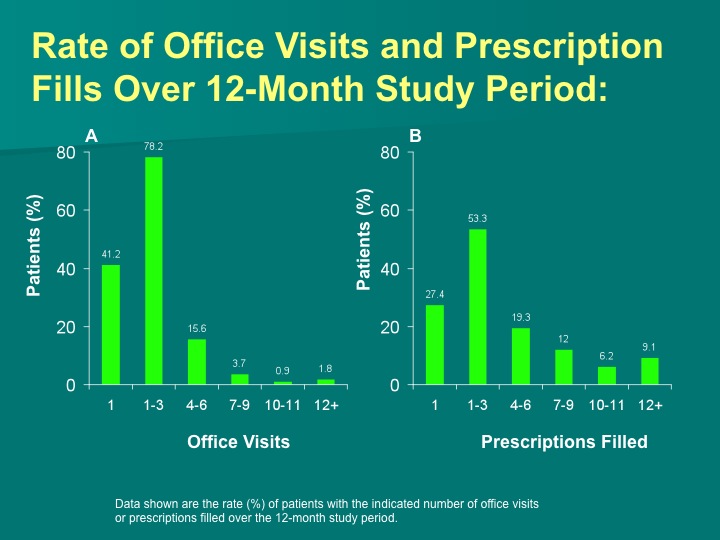
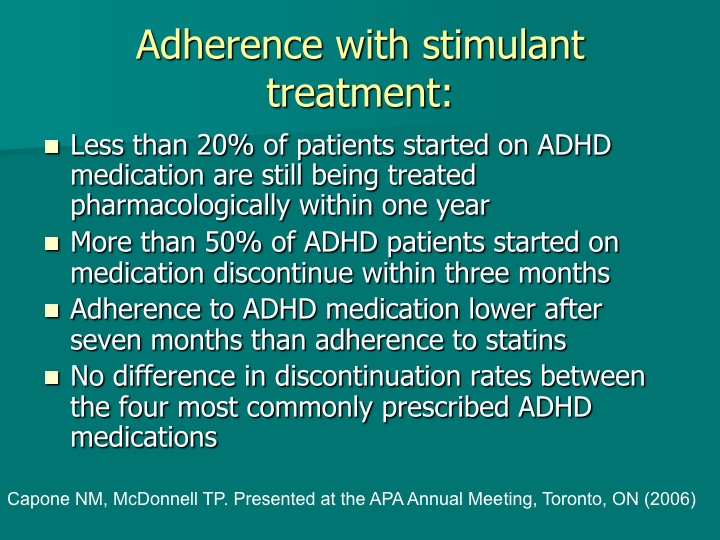
Finally, much to the chagrin of the pharmaceutical industry, there aren’t large numbers of parents beating down the doors to get medication for their kids. Check out the slides below-one is from a study I presented around five years ago looking at information from a large pharmacy database. The average parent of a child with ADHD fills around 4.5 30-day prescriptions per year for medication. The average adult with ADHD fills around three prescriptions per year.
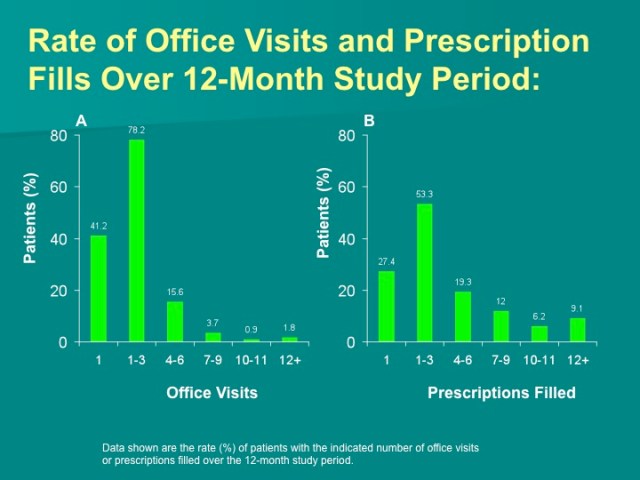
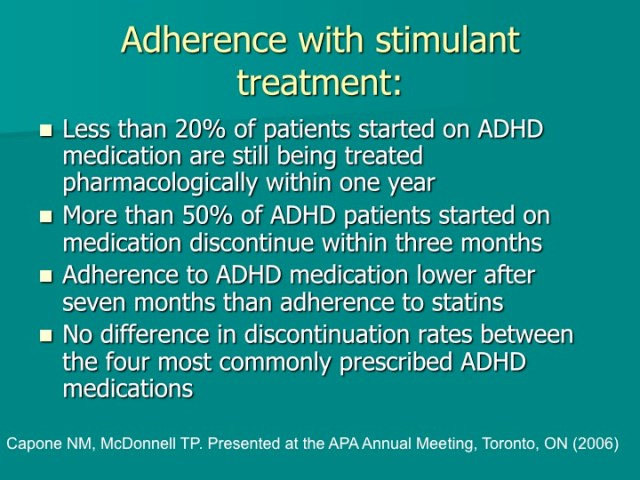
For the majority of patients I see with ADHD, especially those with comorbid conditions, the side effects of this stuff are often a problem. By and large (there are always exceptions to the rule), parents don’t want to give this stuff to their kids unless they absolutely have to. I see more situations in which parents are running the risk of torching their relationships with their kids (and as a result, losing their ability to exercise meaningful influence during their child’s teen years) with all the nagging, badgering and consequencing many have to do in an effort to get them through school.

I’ve seen parents with messed up priorities, looking for quick fixes for problems they may have created for their kids by the poor choices they’ve made to address the emptiness in their lives associated with spiritual poverty. In my experience, they’re clearly the exception as opposed to the norm when it comes to parents of my patients with ADHD. But they too were created in the image of God, and they too (like us) are desperately in need of grace, forgiveness and a relationship with our Savior, Jesus Christ. If our goal is Kingdom-building, I think it’s far better to start with the attitude that we all far short and we should try to let go of thinking that presents a potential obstacle to families connecting with their larger family in Christ.


Posted in ADHD, Controversies, Families, Hidden Disabilities, Inclusion, Key Ministry | Tagged , , , , , , , | 3 Comments

A Great New Resource for Special Needs Ministry

Our team at Key Ministry is pleased to have been invited to participate in the creation of what we hope will become a useful tool for all who who want to advance disability ministry in the church and accelerate Christian special needs ministry in the community.

Mike Woods from Making Room has launched specialneedsministry.org as a tool to help disseminate free resources from influential leaders in special needs ministry. Katie Wetherbee will be serving as an editor for the site and I’ll be helping with the editing as well, along with developing original content for the site.

I’ve appreciated the opportunity to discover the work that other like-minded Christians are doing to help churches serve, welcome and include kids with disabilities and their families. I hope that this site will help all of us to work together more effectively and serve as a catalyst for tens of thousands of families affected by disabilities to experience the love of Christ through the ministry of a local church.

Check it out today…click here for the link.

Mike has also started a page on Facebook to help facilitate discussion.

Posted in Inclusion, Key Ministry | Tagged , , , , , | Leave a comment

Depression and Comorbidity in Children and Adolescents

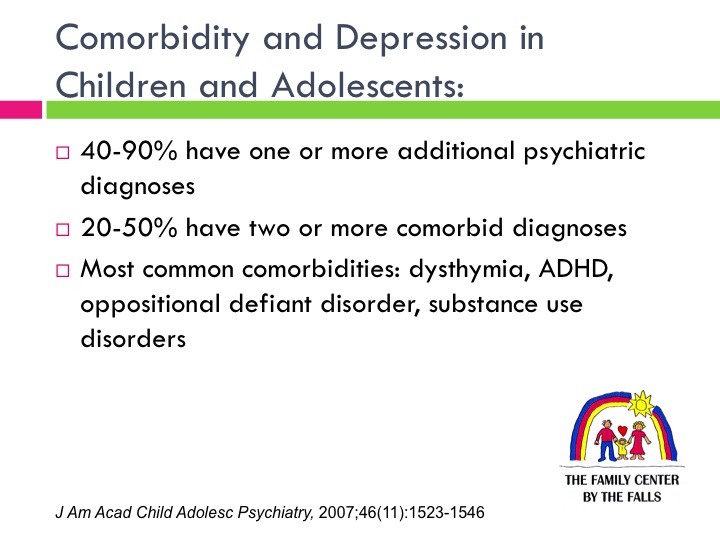
Children and youth who meet criteria for a full-fledged episode of Major Depression are especially prone to comorbid mental health disorders. The slide below illustrates some of the most common comorbidities associated with depression in children and teens. Depending upon the practice setting, as many as 90% of kids with depression have at least one comorbid condition, while 50% experience two or more conditions.

In my practice setting, the vast majority of kids seen with depression typically present with a history of pre-existing anxiety disorders, especially Obsessive-Compulsive Disorder and Generalized Anxiety Disorder. By some estimates, as many as 75% of kids seen in research settings for OCD will develop at least one episode of Major Depression by the time they turn 18. One might speculate that the unrelenting, intrusive thoughts experienced by kids who obsess may predispose, precipitate or perpetuate to depressive symptoms. Statistically speaking, anxiety disorders are the most common comorbid condition seen among kids with depression.

Next on the list of comorbid conditions seen in depression are disruptive behavior disorders…ADHD, Oppositional Defiant Disorder and Conduct Disorder. I typically make a point of screening every kid I see suspected of depression for ADHD. In our practice, we commonly experience kids coming to us with a well-defined episode of depression (often in high school) preceded by a fairly long history of functional impairment consistent with undiagnosed and untreated ADHD. It’s not hard to imagine that kids with a long history of the academic, social and family difficulties associated with ADHD would be predisposed to issues with depression. It’s important to note that kids with depression may experience many difficulties associated with ADHD (poor attention, concentration, low motivation, agitation and difficulties with task completion) as symptoms of the depression itself…we don’t consider them to have a comorbid condition. It’s when the symptoms of ADHD predate the symptoms of depression that we consider the possibility that two conditions are present. These situations are often very complex, and are the types of situations (IMHO) that are best left for those of us who specialize in child and adolescent psychiatry.

Finally, self-medication with drugs or alcohol is a common phenomena among youth with depression. Again, teasing out the direct effects of substances upon mood from a pre-existing mood disorder can be quite challenging. Experts will often find themselves unable to make the distinction until the youth has experienced a extended period of abstinence from substances.

An outstanding resource for church staff and volunteers is the American Academy of Child and Adolescent Psychiatry’s Depression Resource Center. The center includes answers to frequently asked questions, downloads for families, a video presentation from Dr. Graham Emslie (one of the world’s leading experts in pediatric depression) as well as clinical resources, rating scales and scientific information.

Posted in ADHD, Anxiety Disorders, Hidden Disabilities, Key Ministry, Resources | Tagged , , , , , , , | 1 Comment