When Our “Can’t” Overwhelms Our “Can”…Mike Dobes

avatar-1.jpg.320x320pxAs a pastor, I have always been compelled to do all I could do in order to reach all I could reach with the Gospel. However, while this sounds nice, all too often reality takes center stage over faith. So many times I have been presented with an opportunity to which I responded with “I can’t” because of various reasons.

Looking back over 15+ years of full-time pastoral ministry, I wonder how often my “can’t” overwhelmed my “can”, resulting in a missed opportunity. Philippians 4:13 declares that “I can do all things through Him who gives me strength.” If I truly believe this, then “can’t” should not be part of my vocabulary; rather, it is actually the door to the supernatural where I am blessed to stand by and see the salvation of my Lord.

Disability ministry is still a relatively new concept within the Church and many pastors and leaders are reluctant to open their doors and fully embrace those who are marginalized by a physical, intellectual or developmental disability. Why is this? Why are the very overseers of the Church reluctant to bring the Gospel to all people, regardless of their disability? In truth, we are all disabled… some of us just hide our disabilities better than others. How do we keep missing an entire people group that is waiting to be heard, loved, accepted and embraced as they are?

My hunch is that many of our pastors, while very well-meaning and desiring to share Christ with all, become subject to “can’t” more than “can.” There is enormous pressure on pastors to be all things to all people and to have all the answers to life’s questions. Most pastors that I know are overwhelmed with preaching, budgets, staff oversight, prayer, weddings, funerals, and the many unknown aspects of church leadership. The thought of adding one more ministry to the plate, no matter how compelling and necessary, just seems like a setup for failure.

What if this is exactly where God wants us to be? What if it is in these times of overwhelming fear of failure that He is able to show His strength in our weakness? Without the storm, Peter would have never walked on water. Without the storm, the Hebrew boys would not have experienced the power of God against Nebuchadnezzar. Without the storm, Lazarus would not have risen from the grave. Without my storms, I would not know the faithfulness of God nearly to the depth I do now. God promises to be there, to faithfully lead, and to abundantly provide all that we need in order to do all that He calls us to.

Front Door CrossPastor, will you join me, and so many others, as we prayerfully seek to make the Church the most welcoming location on the planet for individuals affected by disability – an irresistible open door for their families, their caregivers, their friends, their co-workers? This is not about more money (but you might need some); this is not about more volunteers (though you certainly could use more); this is not about expanding programming (but this will happen naturally). Rather, this is about fulfilling the mandate of the Great Banquet in Luke 14. The master was snubbed and ignored by those that society exalted. In return, he reaches out to the marginalized, the outcast, and the ignored. Luke recounts this story where the servant is told to “go out quickly…and bring in the poor, the crippled, the blind and the lame.” As we embrace this mandate and open our doors up to individuals affected by disability, His house, the Church, will be full.

Is it a nervous and even fearful venture? Absolutely! But isn’t that what faith is all about? We do not follow God and trust His calling on our lives because we have all of the answers and we see what is around the corner. It is most often in the very midst of our uncertainty, in the midst of rising waters, in the midst of “can’t” that the greatest opportunity for the “can” of God to manifest.

Mike Dobes has been in full-time ministry since 1997 as a children, youth and teaching pastor in Southern California. He is currently the Supervisor of Church Relations for Joni and Friends and is committed to seeing the Church return to the center of the community. He is happily married, keeps up with 5 children and admits to being spoiled by living minutes from the beach.

***********************************************************************************************************

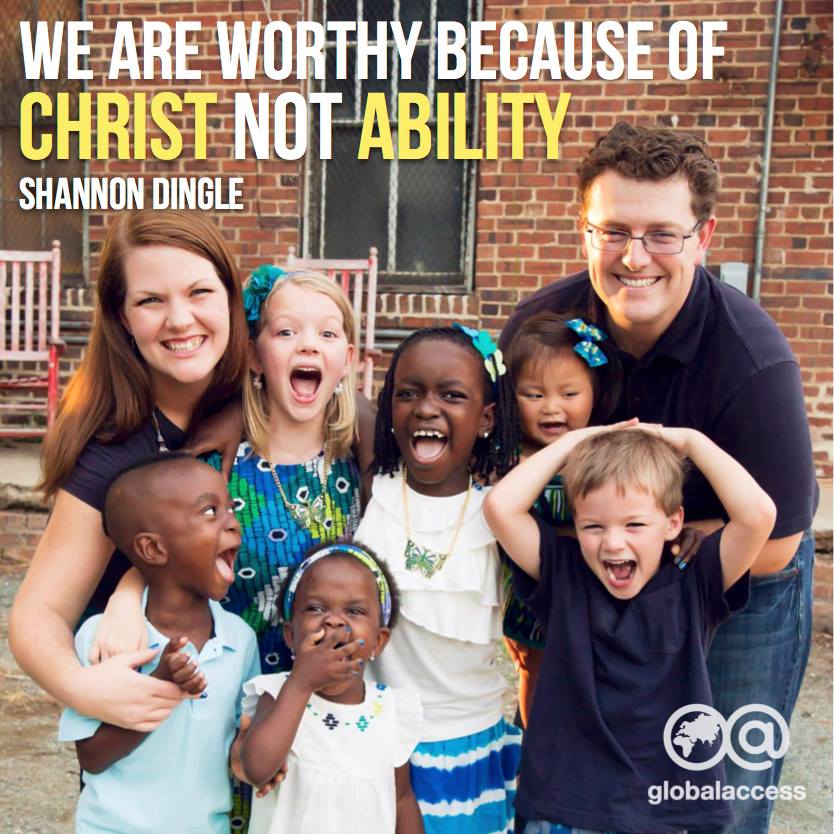
GA-Social-Media-Graphic-NickV-5-222x222Join Mike, Shannon, Dr. G,  Joni Eareckson Tada, Nick Vujicic and over 50 other speakers at the Global Access Conference—this February 17-20 in Westlake Village, CA . To receive the lowest possible registration fee, use the priority code “guest” at globalaccessconference.org. Space is limited so don’t delay.  Please share this post and hope to see you there!


Posted in Advocacy, Inclusion, Strategies, Training Events | Tagged , , , , , , , , , | 2 Comments

I wonder how we miss the obvious…Jeff McNair

avatar.jpg.320x320pxLuke 10 tells the following story.

On one occasion an expert in the law stood up to test Jesus. “Teacher,” he asked, “what must I do to inherit eternal life?”

“What is written in the Law?” he replied. “How do you read it?”

He answered, “‘Love the Lord your God with all your heart and with all your soul and with all your strength and with all your mind’; and, ‘Love your neighbor as yourself.’”

“You have answered correctly,” Jesus replied. “Do this and you will live.”

But he wanted to justify himself, so he asked Jesus, “And who is my neighbor?”

It is interesting that the expert in the law wanted to “test” Jesus. The implication is that he already knew what the answer to the first question was otherwise it would have been a question and not a test. But Jesus turns it around onto him and he answers correctly. End of discussion. But No! For some reason he wanted to justify himself. Or maybe he was upset because his test was turned on him. So he asks Jesus, “Who is my neighbor?”

Now that could have been another test, but I am not sure he really knew the answer. Something caused him to want to justify himself. The dictionary gives an interesting definition of justify. It states, to give an acceptable explanation for something that other people think is unreasonable. It is definitely unreasonable to expect someone to love their neighbor as themselves. At least you might think so from the interaction, but also from the way you see each of us fail to love our neighbors and both the example and challenge put on us by those over us.

Jan_Wijnants_-_Parable_of_the_Good_SamaritanBut in response to the neighbor question, Jesus doesn’t describe an easy neighbor. He “doubles down” by describing someone who is a very difficult neighbor to love. He is someone in danger who might place you in danger. He is someone whose life is a complete mess and would cause your life to be a mess. He is someone who needs transportation and money. He is someone who might need ongoing care and attention. And, he is someone whose people have been unkind to my people. No, the heck with that, he is not the kind of neighbor I would expect God to cause me to love. But even the expert in the law gets the message.

“Who was his neighbor?” Jesus asks.

“The one who had mercy on him” he responds.

To treat someone with compassion who is under your power is how the dictionary defines having mercy on someone. The man left for dead was totally under the power of whoever happened by, to show compassion to him. This is the experience of each of us to those around us. They are all our neighbors. We have the power to show them compassion. But too often our response is to not use our power. We walk by, seemingly acting if we don’t know who our neighbor is.

But Jesus said to the expert (and to us), “Go and do likewise.” I wonder if he had any idea what Jesus meant? It is easy to criticize that law expert or the two who walked by the man beaten and left for dead for that matter. But you know, in that story the expert in the law is us, the Christian church! We are not the man beaten, we are not the Samaritan. At least it seems that most of the time we are not. We are the ones trying to test Jesus, who get our tests turned back on us, and are then challenged to do something with our power to show compassion.

“Jesus, I know the answer to the commandment question by heart, but do you really expect me to go and do likewise?”

I wonder what we will do?

McNair MemeJeff McNair is Director of the Public Policy Center of Joni and Friends’ Christian Institute on Disability. He directs the entirely online, MA program in Disability Studies at California Baptist University. Jeff and his wife (Kathi) facilitate the Light & Power Company ministry at Trinity Church. They have been in local church ministry together since 1977. Jeff presented at Inclusion Fusion 2011 on integration of persons with disabilities as a core value of the local church.

Painting: Parable of the Good Samaritan by Jan Wijnants

***********************************************************************************************************

Global Access Promo 640x360Join Shannon, Dr. G, Jeff McNair, Joni Eareckson Tada, Nick Vujicic and over 50 other speakers at the Global Access Conference—this February 17-20 in Westlake Village, CA. To receive the lowest possible registration fee, use the priority code “guest” at globalaccessconference.org. Space is limited so don’t delay.  Please share this post and hope to see you there!

Posted in Advocacy, Inclusion, Key Ministry, Spiritual Development, Stories | Tagged , , , , , , | Leave a comment

Does love heal all wounds from childhood trauma?

Trauma blog1

By Shannon Dingle

I want the answer to be yes. Oh, how much I want that! But scientific research shows it’s not true.

Before I unpack that, though, let’s talk about trauma. I’ve written about it from an adoption and foster care perspective, but other kids experience trauma too. Repetitive hospitalizations can have traumatic effects, as can witnessing domestic abuse, being exposed to community violence, and experiencing a natural disaster. Previously, Steve has written about trauma and kids here. In one of his posts, he pointed out that a recent study of adolescent trauma reported that over 61% of U.S. teens had been exposed to at least one potentially traumatic experience (PTE). 31% had experienced multiple PTEs, and 18.6% reported experiencing three or more PTEs. While children who are or have been in foster care or who were adopted after infancy are more likely to have experienced multiple PTEs, this topic is not limited to adoptive and foster families.

In other words, church, we have a great opportunity to love those affected by trauma! The need is great. Kids are hurting. Adults are too. Families are struggling. And the first step in being able to help is understanding the need. Jesus met people where they were, and so can we.

As one review of existing research summarizes, “isolated traumatic incidents tend to produce discrete conditioned behavioral and biologic responses to reminders of the trauma, whereas chronic maltreatment or unavoidable recurring traumatization, such as exposure to repeated medical or surgical procedures, has pervasive effects on neurobiologic development.” In other words, the brain develops differently with prolonged trauma but even individual traumatic experiences can affect behavior and biological reactions (such as stress hormone levels). For example,

  • Adolescents who have experienced maltreatment as a child process fear differently. Three parts of the brain are designed to work together to respond to fear: the prefrontal cortex that guides thoughts and actions, the amygdala which is the brain’s fear and emotion center, and hippocampus which balances communication between the previous two in assessing danger. For adolescent boys and girls who have experienced childhood maltreatment, the connection between the prefrontal cortex and hippocampus is weak, and for the girls specifically, the connection with the amygdala is also weak. The result for these youth is a heightened and persistent state of anxiety, as well as higher rates of depression.
  • Toxic stress – defined by researchers at Harvard as “strong, frequent, or prolonged activation of the body’s stress management system” from adverse events “that are chronic, uncontrollable, and/or experienced without children having access to support from caring adults” – can adversely affect brain development, chemical balances, and physiological responses to stress long after that stress has ended. In their working paper, these researchers state that “in the extreme, such as in cases of severe, chronic abuse, especially during early, sensitive periods of brain development, the regions of the brain involved in fear, anxiety, and impulsive responses may overproduce neural connections while those regions dedicated to reasoning, planning, and behavioral control may produce fewer neural connections.”
  • shutterstock_185745920Furthermore, “when children experience toxic stress, their cortisol levels remain elevated for prolonged periods of time. Both animal and human studies show that long-term elevations in cortisol levels can alter the function of a number of neural systems, suppress the immune response, and even change the architecture of regions in the brain that are essential for learning and memory.” These outcomes can include impairments in learning, memory, and emotional regulation as well as mental illness and stress-induced physical illness. That said, every child is different in his or her response to trauma, so some kids might have little to no impact by major stressors while others can be significantly affected by more minor stressors.
  • According to a paper from the National Child Traumatic Stress Network, early childhood exposure to trauma can result in the following outcomes: “(a) self-regulatory, attachment, anxiety, and affective disorders in infancy and childhood; (b) addictions, aggression, social helplessness and eating disorders; (c) dissociative, somataform, cardiovascular, metabolic, and immunological disorders; (d) sexual disorders in adolescence and adulthood; and (e) revictimization,” the latter often the result of difficulty identifying or responding to danger cues.
  • In a study of Romanian orphans compared to other Romanian children, white and gray brain matter was reduced among children who had ever been institutionalized, even for those who had since moved into high quality foster care (though those children did have an improvement in white brain matter development).
  • In The Connected Child (a book we highly recommend), Dr. Purvis and her colleagues share that “disturbing behaviors – tantrums, hiding, hyperactivity, or aggressiveness – are often triggered by a child’s deep, primal fear. Youngsters… can be physically safe in their new adoptive home, but past traumas encoded within their brains are easily reactivated.” (Side note: In partnership with Dr. Purvis’s work, Empowered To Connect was created to provide resources and support on this topic to families and churches involved with foster care and adoption. We highly recommend their faith- and research-based offerings.)
  • These effects don’t just go away as children age either. The Adverse Childhood Experiences (ACE) Study, which included more than 17,000 people, compared adults with no adverse childhood experiences (ACEs) to those with 1, 2, 3, or 4+. For those adults who experienced 4 or more ACEs, researchers documented increased risks for panic reactions, depression, anxiety, hallucinations, sleep disturbances, severe obesity, substance abuse of all kinds, early sexual intercourse, promiscuity, sexual dissatisfaction, memory impairment, and anger management difficulties. (For more on this study, read Steve’s post here.)

The good news? Research shows that both behavioral and biological changes due to trauma can be improved (though not erased) by exercise, healthy nutrition, safe touches (like massages), multisensory environments, reduction in a child’s fear, allergy management, positive and rewarding experiences, and research-driven interventions like TBRI (The Connected Child, Ch. 10). Additionally, some kids are not as affected by trauma as others. While we don’t know all the reasons for that, here are some. Furthermore, neuroplasticity – that is, the brain’s ability to change – studies show that love and care can reverse some of trauma’s effects. In the same Harvard working paper I quoted from in the second and third bullets above, the news isn’t all bad: “Positive experiences after infancy in young animals, such as being exposed to an environment rich in opportunities for exploration and social play, have been shown to compensate to some degree for the negative behavioral consequences.” So, yes, love can heal. However, those researchers go on to emphasize that neuroplasticity is not unlimited and that many changes are irreversible.

Finally, we believe in a God for whom nothing is impossible. He can heal anything, so can Love – with a capital L, because God is Love – heal all past pains? Yes. And will he be faithful to do that? Certainly. But scripture and experience teach us that God doesn’t always extend that miracle on this side of heaven.

So as we live out our lives and love dear ones who have gone through things no child should, we love because God first loved us. And while we pray for healing to come and trust that it will one day, here or in heaven, we keep on loving. Because that’s what our kids need, and that’s what our Father has modeled for us as parents (and as church leaders partnering with families like mine).

10947266_10152510985251008_8732876514421862184_nShannon Dingle provides consultation, training and support to pastors, ministry staff and volunteers from churches requesting assistance from Key Ministry. In addition, Shannon regularly blogs for Key Ministry on topics related to adoption and foster care. 

Shannon and her husband (Lee) serve as coordinators of the Access Ministry, the Special Needs Ministry of Providence Baptist Church in Raleigh, NC. Shannon with be speaking at the 2015 Global Access Conference sponsored by Joni and Friends in Westlake Village, CA. 

***********************************************************************************************************

NCTSDKey Ministry offers a resource page on Trauma and Kids to pastors, church staff, volunteers and families. The resource page includes links to all of the posts from our Fall 2013 blog series, links to resources from Jolene Philo, the National Child Traumatic Stress Network and Empowered to Connect. Check it out today and share the resource page with others who would benefit.

Posted in Adoption, Advocacy, Foster Care, Hidden Disabilities, Key Ministry, PTSD | Tagged , , , , , , , , , , , , | 6 Comments

Jay Adams and the foundations of a movement…

GA-Social-Media-StephenGrcevich-1 - Version 2Here’s the second installment in our current series, Sin, Mental Illness and the Church. Today, we look at the work of Jay Adams and his conceptualizations that are foundational to the development of the Biblical Counseling movement.

If Sigmund Freud had an outsized role in the growth of modern psychiatry, Jay Adams has had a similarly outsized role in the growth and influence of the Biblical Counseling movement.

It’s important for our readers to understand how central Adams has been in impacting how pastors from evangelical and reformed traditions think about mental illness and pastoral counseling. Now in his mid 80s, Adams continues to teach and to write. Other leaders of influence within Biblical or Christian counseling circles have either written in response to Adams’ foundational work or sought to build upon his work. We’ll look at this phenomena in a subsequent post in which we’ll examine the perspectives of the leaders following in Adams’ footsteps.

Jay AdamsAs a young pastor fresh out of seminary in the early ’60s, Adams felt ill-prepared to respond to the needs of those who approached him for counseling. He was critical of the practice of referring out to secular professionals who would impart “non-Christian counsel.” Ironically, Adams was to be influenced in his thinking by O. Hobart Mowrer, a prominent psychologist and behavior therapy researcher from the University of Illinois (a former President of the American Psychological Association, and a non-Christian) who was a vicious critic of the field of psychiatry and the medical model of understanding mental illness. Adams served a summer internship with Mowrer at two state-run psychiatric hospitals in Illinois in 1965…paid for by a foundation established by Eli Lilly!

In Adams’ landmark book, Competent to Counsel he established the foundation for the Biblical Counseling movement.

The thesis of this book is that qualified Christian counselors properly trained in the Scriptures are competent to counsel-more competent than psychiatrists or anyone else.

In the book, Adams lays out his construct of mental illness. In reading what he has to say, I have to remind myself that the book was written in 1970, that it’s one of approximately 100 books that he has written, and much of his subsequent writing has served to modify, expand upon or tone down criticisms (a little bit) issued in Competent to Counsel. Heath Lambert, a modern leader in the Biblical Counseling movement, wrote that “for Adams, bombast was a conscious tactic.” With that said, Adams (as the founder of the Biblical Counseling movement) rejected the modern concept of mental illness…

To put the issue simply: the Scriptures plainly speak of both organically based problems as well as those problems that stem from sinful action and behavior; but where, in all of God’s Word, is there so much as a trace of any third source of problems which might approximate the modern concept of mental illness.”

Adams was also very blunt in his assessment of persons with mental illness…

What then, is wrong with the “mentally ill”? Their problem is autogenic; it is in themselves. The fundamental bent of human nature is away from God. Man is born in sin, goes astray “from his mother’s womb speaking lies” (Psalm 58:3) and will therefore naturally (by nature) attempt various sinful dodges in an attempt to avoid facing up to his sin. He will fall into varying styles of sin according to the short-term successes and failures of the particular sinful responses he makes to life’s problems. Apart from organically generated difficulties, the mentally ill are really people with unsolved personal problems.

“I do not wish to disregard science, but rather I welcome it as a useful adjunct for the purposes of illustrating, filling in generalizations with specifics, and challenging wrong human interpretations of Scripture, thereby forcing the student to restudy the Scriptures. However, in the field of psychiatry, science largely has given way to humanistic philosophy and gross speculation.”

Sometimes, instead of speaking of mental illness, people talk about “emotional problems.” But this language is as confusing as the former. When a client is depressed or high, or anxious or hostile, there really is no problem with his emotions. His emotions are working only too well. It is true that his emotions are not pleasant, but the real problem is not emotional, it is behavioral. Solutions aimed at relieving the emotions directly (as, e.g., chemical methods like pills or alcohol), therefore, must be considered to be nothing more than relief of symptoms.

Adams was resolute in his initial insistence that sin is the cause of the problems that lead people to seek counseling…

“In nouthetic counseling, the stress falls upon the “what” as opposed to the “why” because the “why” is already known before counseling begins. The reason why is already known before counseling begins. The reason why people get into trouble in their relationships to God and others is because of their sinful natures. Men are born sinners.”

Adams’ approach is described as nouthetic counseling. Nouthesis and nouthesio are the Greek noun and verb forms of the word translated as “admonishing” in the ESV translation of Colossians 3:16…

Let the word of Christ dwell in you richly, teaching and admonishing one another in all wisdom, singing psalms and hymns and spiritual songs, with thankfulness in your hearts to God.

Adams describes nouthetic counseling as a strategy that seeks to correct sinful behavior patterns by personal confrontation and repentance. The three basic elements involve teaching by God’s Word, solving problems by verbal means through confrontation and the motivation of love and deep concern to help the counselee for their own good (an element that some may overlook in employing Adams’ techniques). Nouthetic counseling is a very directive, authoritative and confrontational approach.

He described the qualifications for nouthetic counselors…

Preeminently, a nouthetic counselor must be conversant with Scriptures. This is one reason why properly equipped ministers may make excellent counselors. A good seminary education rather than medical school or a degree in clinical psychology, is the most fitting background for a counselor.

Adams was also extremely critical of the secular professions that had commandeered the domain of counseling. From The Christian Counselor’s Manual

Biblically, there is no warrant for acknowledging the existence of a separate and distinct discipline called psychiatry. There are, in the Scriptures, only three specified sources of personal problems in living: demonic activity (principally possession), personal sin and organic illness. These three are interrelated. All options are covered under these heads, leaving no room for a fourth: non-organic mental illness. There is, therefore, no place in a biblical scheme for the psychiatrist as a separate practitioner. This self-appointed caste came into existence with the broadening of the medical umbrella to exclude inorganic illness (whatever that means). A new practitioner, part-physician (a very small part) and part secular priest (a very large part), came into being to serve the host of persons who previously were counseled by ministers but now had been snatched away from them and placed beneath the broad umbrella of “mental illness.”

If I were to summarize the essentials of Jay Adams’ teaching that remain foundational to what we know today as Biblical or Christian Counseling, they would be as follows…

  • Everything we need to be able to counsel people for emotional or behavioral problems that aren’t clearly organic in nature can be found in Scripture. The Bible is sufficient for counseling.
  • Often, the underlying cause of the problems that lead people to seek help is sin, absent a clearly identified medical condition.
  • If the underlying problem is sin, the solution is found in the person of Jesus Christ and his saving work of redemption as revealed through God’s Word. Positive change flows from the power of Christ through the transformative power of the Holy Spirit.
  • Psychiatry and psychology all too frequently dissuade people from taking responsibility for their emotional states and patterns of behavior.

41hZx-FuP8LDr. Adams is the founder of the Institute for Nouthetic Studies (INS), the National Association of Nouthetic Counselors (NANC), and the Christian Counseling and Educational Foundation (CCEF). INS offers training and a certificate program in Nouthetic Counseling. He maintains a current blog and has a page on the INS website featuring his answers to frequently asked questions.

Editor’s note: I presented Jay Adams’ work for the purpose of helping those within our growing movement of Christians seeking to welcome and include kids and families impacted by the full range of disabilities into the local church to understand how many leaders serving in churches most committed to evangelism and outreach gained their practical understanding of mental illness. While many of our readers will find Jay’s teaching “provocative” to say the least, you will find no criticism of his work here.

We need to keep in mind that if we’re going to change the perceptions that cause a majority of those who do not regularly attend church to disagree with the statement that those with mental health issues are welcome at church and engage church leaders from evangelical and reformed congregations to pursue intentional outreach to families impacted by mental illness, we’re going to need to find common ground with those in positions of influence within the Biblical Counseling movement and we’ll need to find a few courageous leaders in the field to take up the cause of inclusion.

Next, we’ll examine some unintended consequences of the movement Jay Adams launched.

Revised January 29, 2015.

***********************************************************************************************************

GA-Social-Media-StephenGrcevich-1Consider joining us this winter for Key Ministry’s online group study that will accompany our blog series…Sin, Mental Illness and the Church. This study will be a combination of Bible reading/study and supplemental readings/material to enlighten participants as we examine the following questions…

  • How has the understanding of mental illness evolved in the evangelical movement in America over the past half-century?
  • How do past and current attitudes in the church influence outreach efforts to families of children and teens impacted by mental illness?
  • What can we learn from Scripture of God’s purposes in the lives of those impacted by mental illness?
  • How can we help more kids and families impacted by mental illness to experience the love of Christ through involvement in a local church?

Anyone can join us, but a Facebook account is required. Click here to register!

Posted in Hidden Disabilities, Key Ministry, Mental Health, Strategies | Tagged , , , , , , , , , , , , | 7 Comments

“Downtown Nate” and a school that “gets” inclusion

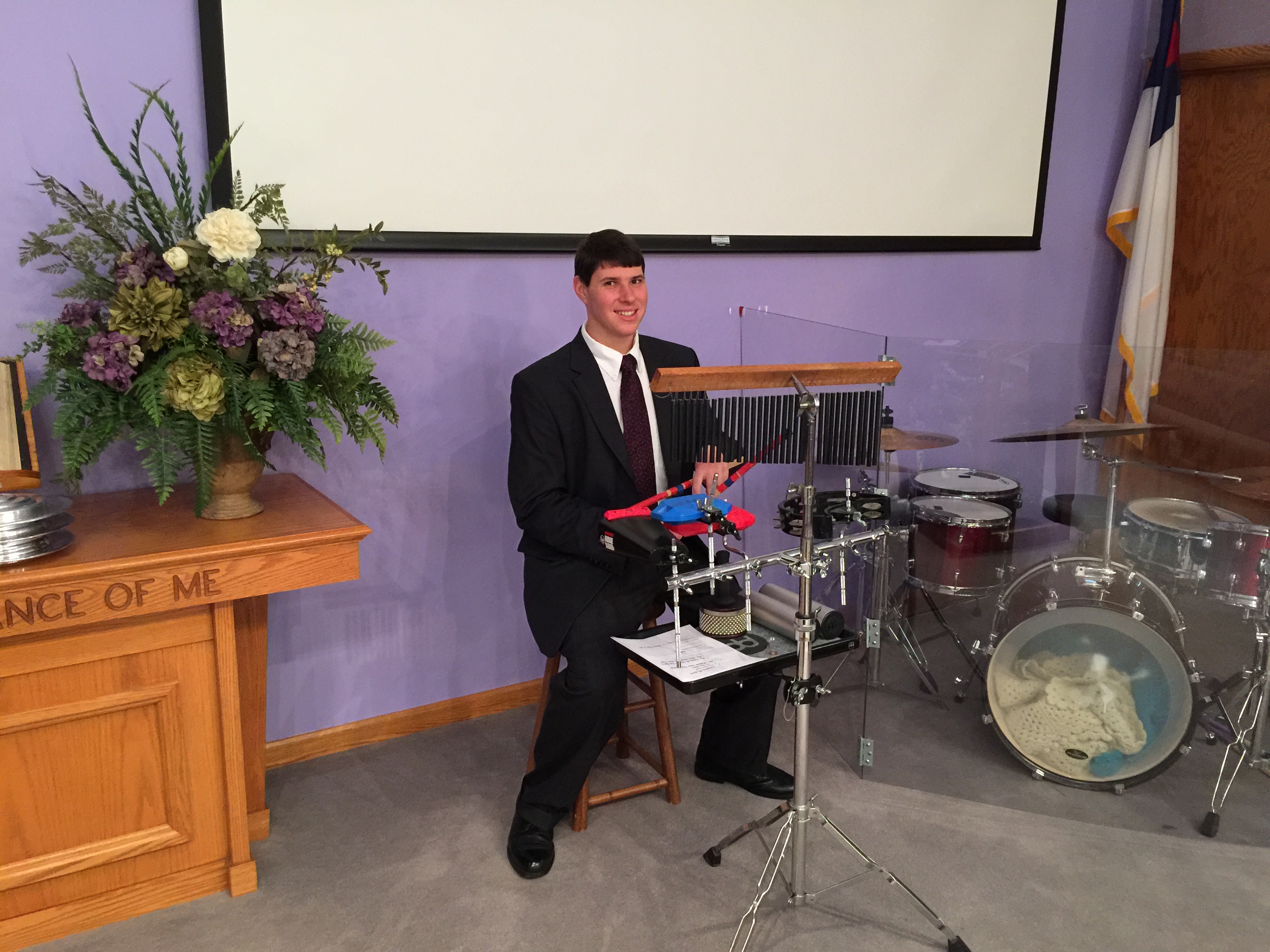
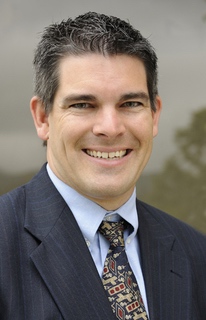
IMG_0706This past Sunday, I had the honor of being introduced at Martindale Christian Fellowship Church by Nate Manko, son of Martindale’s Senior Pastor, Steve Manko.

Nate’s a very busy senior at Louisville High School in Louisville, OH. Nate’s a member of the high school’s marching band as well as the pep band that plays during the winter at home basketball games. Yesterday, Nate did a great job on the drums in the praise band at the church, in addition to handling my introduction. On top of  all of his commitments at school and at church, Nate is a key performer for the Stark County Royal Knights Special Olympics basketball team. Martindale makes its’ gymnasium available to the Royal Knights (state championship contenders in recent years) as their practice facility.

Nate had a very complicated medical course as a little guy. Because of brain trauma at the time of his birth, Nate experiences some spasticity in his left arm and leg. Another consequence of his brain trauma was a vulnerability to seizures that occurred all too frequently and were poorly controlled by medication. Nate finally had to have surgery (performed by Dr. Ben Carson!) in which a section of his brain was removed to stop the seizures. Nate’s overcome all of the obstacles placed in his path, has performed very well in high school, and has become a highly valued member of the Louisville High School community.

1962819_790038637715963_6849615238371026755_nThe administration and students of Louisville High School found a spectacular way to demonstrate Nate’s value to the community this past week.

The school administration approached Nate’s parents with the idea of moving one of Nate’s basketball games to the Louisville High gym, so that Nate could have a “Senior Night”  experience comparable to other athletes at the school.  This past Wednesday, the Royal Knights faced off against their local rivals, the Stark County Red Dawgs. The school gave Nate’s team a player introduction experience worthy of an NBA team! (The introduction of the starting lineup starts at the 3:45 mark in the video).

Nate’s grandparents received a special introduction on the occasion of their 65th wedding anniversary! The pep band was there to perform, and a number of band parents volunteered to run the concession stands. Better yet, over 800 parents, family members and Louisville students were present to cheer on Nate and his team! The attendance last Wednesday for Nate and the Royal Knights exceeded the average attendance this season at home games for the Louisville varsity. Nate has developed a deadly three point shot, which was on display this past Wednesday night. Here are some of the highlights…

The Royal Knights defeated their cross-town rivals 54-41, and Nate didn’t disappoint the hometown crowd by drilling a couple of three pointers. Most impressive was the manner in which Louisville High School demonstrated the extent to which they value one of their seniors playing on a basketball team outside of school who could have easily been overlooked.

Congratulations to the administration, staff and students of Louisville High School. You guys get it!

***********************************************************************************************************

GA-Social-Media-StephenGrcevich-1Consider joining us this winter for Key Ministry’s online group study that will accompany our blog series…Sin, Mental Illness and the Church. This study will be a combination of Bible reading/study and supplemental readings/material to enlighten participants as we examine the following questions…

  • How has the understanding of mental illness evolved in the evangelical movement in America over the past half-century?
  • How do past and current attitudes in the church influence outreach efforts to families of children and teens impacted by mental illness?
  • What can we learn from Scripture of God’s purposes in the lives of those impacted by mental illness?
  • How can we help more kids and families impacted by mental illness to experience the love of Christ through involvement in a local church?

Anyone can join us, but a Facebook account is required. Click here to register!
Posted in Inclusion, Stories | Tagged , , , , , , , , | 3 Comments

The evangelical understanding of mental illness…How Freud, Skinner, Rogers and Ellis led to Jay Adams

BibleWe’re beginning a series today on the theme Sin, Mental Illness and the Church. This study will be accompanied by a more in-depth, optional online study group (you may register here) including Bible reading/study and supplemental media to enlighten participants as we examine the following questions…

  • How has the understanding of mental illness evolved in the evangelical movement in America over the past half-century?
  • How do past and current attitudes in the church influence outreach efforts to families of children and teens impacted by mental illness?
  • What can we learn from Scripture of God’s purposes in the lives and experiences of those impacted by mental illness?
  • How can we help more kids and families impacted by mental illness to experience the love of Christ through involvement in a local church?

An important role that our ministry plays in the larger disability ministry movement is that we see ourselves as bridge builders. From this blog’s initial post nearly five years ago, our purpose has been to leverage the credibility of a number of our leaders as mature, evangelical Christians positioned by God to serve families impacted by mental illness, trauma and/or developmental disabilities in helping the church become more effective in sharing the Gospel of Jesus Christ with a significantly underserved people group present in large numbers in nearly every city and town in the U.S.

Our purpose in presenting this series is not to promote or defend any specific model of caring for persons with symptoms of what is categorized as “mental illness” by the medical community, the mental health community, the government or insurance companies. Our purpose is to promote meaningful connection between local churches and families of kids impacted by mental illness. At our core, we’re an evangelical organization. We help churches connect with families who need to experience the Gospel, and we help churches strategize how to most effectively make disciples when kids present with conditions that contribute to difficulties thriving in the environments in which we “do church.” We’re seeking to implement the Great Commission where God has positioned us.

With that said, a pastor or a counselor would be challenged to reconcile much of the theoretical foundation of modern psychology to a view of the world shaped by Scripture.

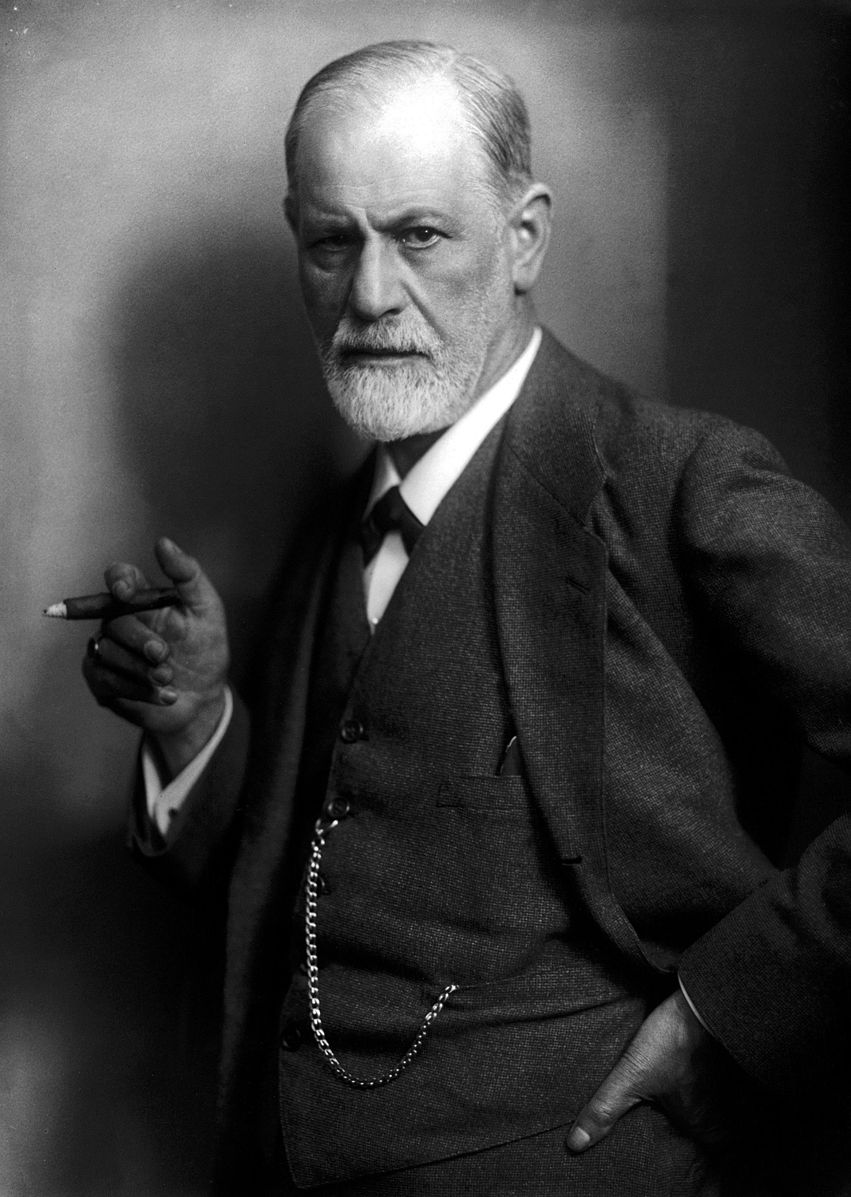
Sigmund_Freud_LIFESigmund Freud was a prominent physician who developed the theory of psychoanalysis as an approach to patients with unexplained neurologic symptoms. Freud’s theoretical framework would frame guilt as pathological as opposed to an warning from one’s conscience of the need to recognize and deal with what we as Christians would refer to as sin. In the psychodynamic psychotherapies derived from Freud’s work, behavior is attributed to instinctive urges or drives as opposed to the exercise of free will for which the individual bears personal responsibility (the Biblical view).

Behavioralism (B.F. Skinner was a key figure, later Aaron Beck with the development of Cognitive-Behavioral therapy) would seek to understood human nature through observation and the scientific method…the two foundational assumptions of behaviorism are that nature is the only reality and reality can only be measured through our senses.The obvious challenge from a Christian perspective is there’s no place for any spiritual component not quantifiable or measurable. Pure behaviorism would be antithetical to the construct of free will and the importance of the soul. If you can’t measure it, it doesn’t exist.

Humanistic therapies (Abraham Maslow, Carl Rogers) developed as a reaction to the determinism inherent in psychoanalytic and behavioral theory. The goal of therapy is self-fulfillment and self actualization, The assumption is that the individual is responsible for his or her own happiness and accountable to no one but themselves…there’s no God to answer to. Subjective experience in emphasized as opposed to absolute truth…the “non-judgmentalism” characteristic of the Millennial generation is in part derived from this school of thought.

Albert Ellis developed Rational Emotive Behavior Therapy (a hybrid) of  in the mid 1950’s. We’ll discuss Ellis at length a little later in this series because…

  • Ellis was a major intellectual force behind the advance of moral relativism.
  • He was arguably the most influential psychologist of the 1960s
  • Our modern-day understanding of mental illness in many areas of the church is grounded in the response to what was seen as a dangerous influence of contemporary  psychology inside seminaries in the 1960s.

What’s important to understand is that much of what we think of today as psychotherapy in an earlier time was done by pastors. As psychology developed as a science and psychiatry as a medical specialty in the Twentieth Century, the theoretical underpinnings of those fields were incompatible with a Biblical world view of sin, the presence of absolute truth as represented in Scripture and the teaching that all men and women are accountable to God for their thoughts and actions. Many at the time in positions of influence within the church thought it impossible for Christians to be helped by therapies and techniques grounded in an understanding of humanity incompatible with widely accepted teaching from the Bible.

adams10One pastor and professor stepped forward to challenge what was being taught to seminarians. He challenged the entire construct of mental illness as it was understood at the dawn of the 1970s and developed an comprehensive counseling framework based entirely on Scripture. He claimed his model sufficient for treating Christians with all manner of emotional and behavioral issues that and he remains highly influential in the evangelical movement today as younger colleagues modify and build from his foundational work.

In our next post, you’ll be introduced to the teaching of Jay Adams.

***********************************************************************************************************

KM Logo UpdatedKey Ministry has assembled resources to help churches more effectively minister to children and adults with ADHD, anxiety disorders, Asperger’s Disorder, Bipolar Disorder, depression and trauma. Please share our resources with any pastors, church staff, volunteers or families looking to learn more about the influence these conditions can exert upon spiritual development in kids, and what churches can do to help!

Posted in Controversies, Key Ministry, Mental Health | Tagged , , , , , , , , , | 3 Comments

Mental Illness: Too Scared to Share – why most Christians won’t talk About “IT”…Mitzi Van Cleve

10947709_612305872234627_941507695_nEditor’s note: Mitzi Van Cleve is a mother and an author with a very powerful witness of how God has provided her with grace and strength through her personal experience with OCD and Social Anxiety Disorder. She’s recently launched a new blog, The OCD Christian to offer hope and encouragement to others experiencing similar struggles. Her book, Strivings Within-The OCD Christian is available at Amazon.

I saw this post from Mitzi last night and she graciously agreed to allow me to share. Here’s Mitzi…

The “IT” in the title of this blog is in reference to the mental illness that afflicts approximately 25% of people from all walks of life. There are numerous reasons for our silence but I would say that the biggest is the fear of how people will view us and even treat us once they know we have a mental illness. We know there is stigma attached to it. We know that most people won’t have the basic knowledge in regard to the cause and the effects of our particular illness that would allow them to view it as a valid affliction. We know that there are uneducated ideas born out of assumption and presuppositions that people have accepted for most of their lives in regard to mental illnesses. So when we are struggling and suffering many of us just stay silent. I know we do because I did that for most of my life. It can be especially hard to open up in Christian circles because there still exists this false assumption that mental illness is either the result of a person sinning or having a lack of faith.

I remember sitting in my adult Sunday school class during a particularly bad flare of my Pure O -OCD. It took all the grit I could muster up just to go to church. My mind was in a continual state of terror, my body tense every waking minute. I had been unable to sleep for weeks on end, unable to eat due to the nausea that always accompanies a bad flare of my OCD. The distress had reached a debilitating level and I wanted and needed for God’s people to pray for me. I finally made the decision to lift my hand and ask for prayer. I remember how furiously my heart was pounding in my chest, how hard it was to even breathe at that moment. The hives on my skin were just raging and I could not control the trembling in my hands or the nausea that was churning in my gut, but I was desperate for my family, my brothers and sisters in Christ to pray for me and yet this is all I could manage: “I’m going through a rough time, please pray for me.”

I just couldn’t bring myself to say what I really needed to say: “I am really struggling with a horrific flare of OCD right now and the mental anguish of it all has become nearly unbearable. I would SO appreciate your prayers for me as I walk through this valley. Pray for me to persevere. Pray for me to lay hold of God’s grace and strength in and though this. And please pray that I’ll feel better soon. Thank you!”

If I had said that, would people even understand that I was asking for prayer for a valid affliction? Would they know what it meant for a person to suffer with OCD in the same way they might know what it meant for a person to suffer from things like Crohn’s disease, chronic migraines, cancer, heart disease, lupus, diabetes, etc.? I had to assume that they wouldn’t know because I had never heard a person with a mental illness lift their hand in church asking for people to pray for them in regard to their: depression, Panic disorder, OCD, Bipolar, Schizophrenia, etc., and I wasn’t about to be the first one who did.

I was terrified of what people might think of me after that. I was afraid that my illness might be viewed as an obstacle to my being able to take on any kind of role in ministry. I was afraid because I have sat in Bible studies and kept my mouth shut after hearing this statement: “They say that all mental illness is rooted in anger at God.” I have no idea who the “they” were as represented in this statement. I wondered if “they” even had a medical degree.

What I didn’t need to wonder about was how this statement made me feel, especially when every other person in the room began to nod in agreement. No one challenged it. Then on another occasion I sat completely mute and stunned when mental illness was included in a list of “sins” for which restoration through repentance were possible which went as follow: “Adultery, gambling, abusive behavior, addictions, sexual sins, pornography and mental illness.” That was a hard one to swallow and in fact, for a few moments I couldn’t swallow after hearing it because that is that is a common symptom of anxiety for me. I recall feeling so ashamed and really wanting to just crawl under the table. I wanted to challenge it. I wanted to say something like; “why on earth is mental illness included on a list of sins and how can I repent of something I haven’t chosen?” Instead I just sat there feeling those stupid hives pop out on on my face, neck and torso which stood as a very real reminder that I had an anxiety disorder, a mental illness. I had made the list. I was the person in the room who needed to figure out how to repent of it so God could forgive me.

So yeah… it’s pretty hard to talk about “IT”. But…… as I began to open up and share about my particular “IT” I was amazed at how many doors were opened for me to reach out to others who share my disorder. It’s been such a blessing to be able to encourage others just by telling my own story. Doing so has provided an opportunity for me to be be of comfort to others as they finally are able to talk to someone who knows what they’ve been going through. Suddenly they know that they are not the freakish anomaly they’d always thought themselves to be. It’s been such a blessing to be able to reach out in sincere empathy and to have an opportunity to point others in the right direction so they can finally obtain very real help for a very real and often very excruciating disorder. Finally, the privilege of sharing the lessons that my OCD has brought about in regard to the incomparable gift of embracing God’s grace, strength, provision and purpose IN and through my affliction is something that years ago I could have never imagined.

Mitzi's bookI found out that when I dared to share that God would also bless my heart by bringing the most amazing and dear people into my life who He had prepared to come alongside and encourage me because they too knew what it was like to live with OCD. I want to be that person for others. Does it still feel risky to talk so openly about my OCD? Yeah it does, but the privilege and joy of being able to encourage just one other person has made this risk seem insignificant to me. My prayer is that, in time, people will be able to share about their mental illness without any fear of stigma. I believe the tide is turning and I want to be a part of that.

My name is Mitzi VanCleve and I am a believer and follower of Jesus Christ. I have OCD and Panic Disorder and I thank the Lord for the lessons He is teaching me in regard who He is that I may have never known apart from these afflictions. I agree with Mr. John Bunyan when he proclaimed: “God doth order it for my good!!”

My Story:

***********************************************************************************************************

KM Logo UpdatedKey Ministry has assembled resources to help churches more effectively minister to children and adults with ADHD, anxiety disorders, Asperger’s Disorder, Bipolar Disorder, depression and trauma. Please share our resources with any pastors, church staff, volunteers or families looking to learn more about the influence these conditions can exert upon spiritual development in kids, and what churches can do to help!

Posted in Advocacy, Anxiety Disorders, Hidden Disabilities, Key Ministry, Mental Health, Stories | Tagged , , , , , , , , , | 6 Comments

The “missing” Inclusion Fusion presentation…and more!

Colleen 2Last November, we were delighted to have over 500 pastors, church staff, ministry leaders and family members you join us for Inclusion Fusion, Key Ministry’s Disability Ministry Web Summit. Joni Eareckson Tada kicked off our Web Summit with a fabulous keynote talk, and two dozen innovators shared what God has been doing through their ministries. But we had promised you one more presentation from a very prominent and highly respected disability ministry that we weren’t able to share in time for the Web Summit.

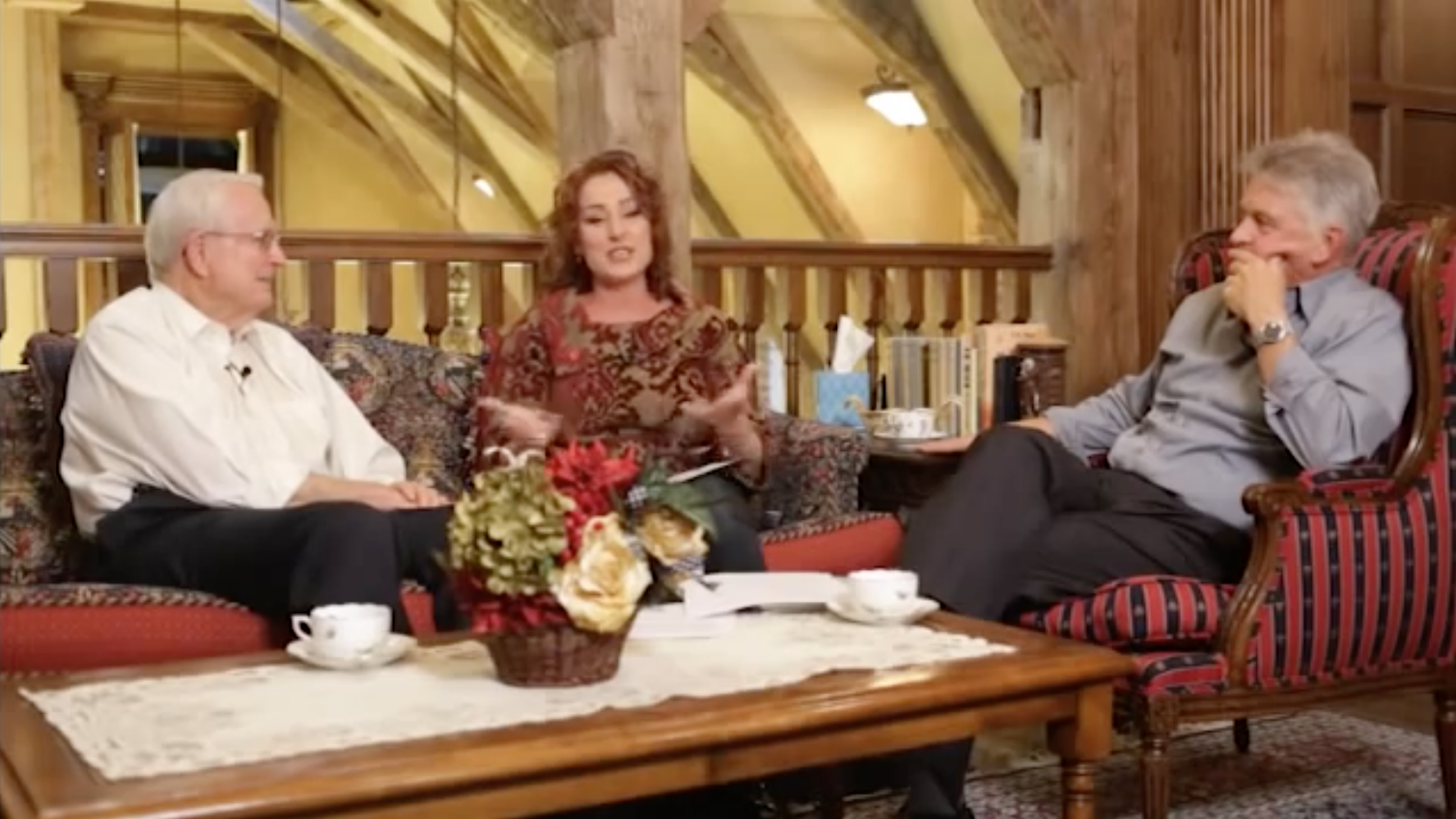
Our friends at Insight for Living put together a fabulous discussion between Chuck Swindoll, his daughter Colleen Swindoll-Thompson and Steve Fischer entitled Transforming the Soul-What We Didn’t Learn in Seminary.

Chuck and Steve are highly educated Christian leaders with ministries that reach around the world. But they both share that life experience-not seminary training-best prepared and qualified them for their work. Both agree that strong theological training is vital for ministry, but to be qualified for “soul work” requires first-hand, personal experience with pain. Regrettably, many people in ministry today have adequate knowledge but can’t connect with people in their care. Ministers who haven’t been “crushed” personally may not be able to fully relate to those going through the experience. In this video, Chuck, Colleen and Steve discuss how they learned to care for the soul while experiencing the crucible of life.

Colleen is going to join us at keyministry.tv on Monday, February 2nd at 10:00 PM Eastern and at 12:00 PM Eastern on Thursday, February 5 to “chat” live with us while we experience this remarkable interview together. The interview will be available (minus Colleen live) every evening at 10:00 PM Eastern from February 3rd-15th if you’re unable to join us at that time.

We’ll also be making available all of the video presentations from Inclusion Fusion 2014 at keyministry.tv on February 5th-7th to celebrate the “completion” of this year’s Web Summit. No preregistration or passwords are required and you can  share this invite with friends who’ll be blessed by the interview with Chuck, Steve and Colleen as well as the other content you may not have experienced through this year’s Web Summit. Check the schedule on the site to locate presentations of interest, and download the magazine from November’s Web Summit to learn more about our speakers!

slide-jonathan-colleen3In addition to the interview with Chuck, Steve and Colleen, we’re pleased to announce that we’ll be making available all of Colleen’s video podcasts from Insight for Living’s Special Needs Ministry through Front Door/keyministry.tv. We’ll be adding two video podcasts per month, and Colleen will be joining us every first and third Monday to chat and interact with our guests around the topics discussed during her podcasts.

We’re looking forward to having you join us for Colleen’s interview with her father Chuck and Steve Fischer!

***********************************************************************************************************

The_Elephant_in_the_Room_Banksy-Barely_legal-2006Consider joining us this winter for Key Ministry’s online group study that will accompany our blog series…Sin, Mental Illness and the Church. This study will be a combination of Bible reading/study and supplemental readings/material to enlighten participants as we examine the following questions…

  • How has the understanding of mental illness evolved in the evangelical movement in America over the past half-century?
  • How do past and current attitudes in the church influence outreach efforts to families of children and teens impacted by mental illness?
  • What can we learn from Scripture of God’s purposes in the lives of those impacted by mental illness?
  • How can we help more kids and families impacted by mental illness to experience the love of Christ through involvement in a local church?

Anyone can join us, but a Facebook account is required. Click here to register!

Posted in Families, Inclusion Fusion, Key Ministry, Resources, Spiritual Development, Stories | Tagged , , , , , , , , , | Leave a comment

Steve AND Shannon will be presenting at #GlobalAccess2015

ShannonThe Key Ministry contingent to the 2015 Global Access Conference presented by Joni and Friends continues to grow! We’re pleased to announce that in addition to Steve, Key will also be represented at the conference by Shannon Dingle.

Shannon will be leading a workshop on The Special Needs of Foster and Adoptive Families and leading a roundtable discussion on What are some practical implications of the verse “Blessed are the nations whose God is the Lord?”

Research shows that children who are or have been in foster care or an institutional setting like an orphanage have higher rates of disability, higher rates of fetal alcohol syndrome, higher rates of mental health disorders, higher rates of medication prescribed for ADHD and other neurological concerns, and greater possibilities for lasting changes to the brain due to prolonged exposure to stress than the other children in your church. Is your church ready to welcome them? In Shannon’s workshop, she’ll share five specific ways your church can make itself a safe place for these children and teens, drawing from her experience as a special educator, a disability ministry leader, a church consultant for Key Ministry, and a mom of six children, four of whom joined their family through special needs adoption.

Steve’s workshop is titled Including Kids and Teens With Mental Illness in the Church and Community. He’ll also be leading a roundtable discussion on the theme of Why ministry to kids with mental illness is necessary and biblical.

Shannon has been an enormous blessing to to thousands of families since joining our ministry. The response to the blog posts she’s written on adoption and foster care provide dramatic evidence of the level of interest that exists for churches to become better equipped to address the needs of foster and adoptive families raising children who have experienced trauma and/or manifest challenges related to a broad range of disabilities. As of this writing, her post from yesterday on interacting with adoptive and foster families had been viewed over 9,000 times in the sixteen hours since it was initially posted here, and was shared over 3,000 times prior to midnight yesterday on Facebook alone! No wonder she was added to the faculty at Global Access!

GA-blog-ad-1-200x200The purpose of the Global Access Conference is to bring together disability leaders, ministers, educators and practitioners from around the world. It’s an unprecedented opportunity to share experiences, forge strong working relationships, and learn how to practically and effectively promote disability ministry in the Christian community. Attendees will learn how to create and pursue advanced disability initiatives within church and cultural communities, and will build lasting networks of support and education throughout the international disability community.

Online registration for Global Access is easy and convenient. I’d encourage all of you to check out the fabulous website the team at Joni and Friends assembled for the conference.

For all of our West Coast friends, as well as any of our friends able to get to an airport to spend a few midwinter days in (presumably) sunny Southern California, the Global Access Conference provides a wonderful opportunity for all of you to listen to and meet Shannon in person, while connecting with Joni and many of her “Friends” who are passionate about disability ministry.

We’ve just provided another reason to see you all there from February 17th-20th at Calvary Community Church in Westlake Village, California!

***********************************************************************************************************

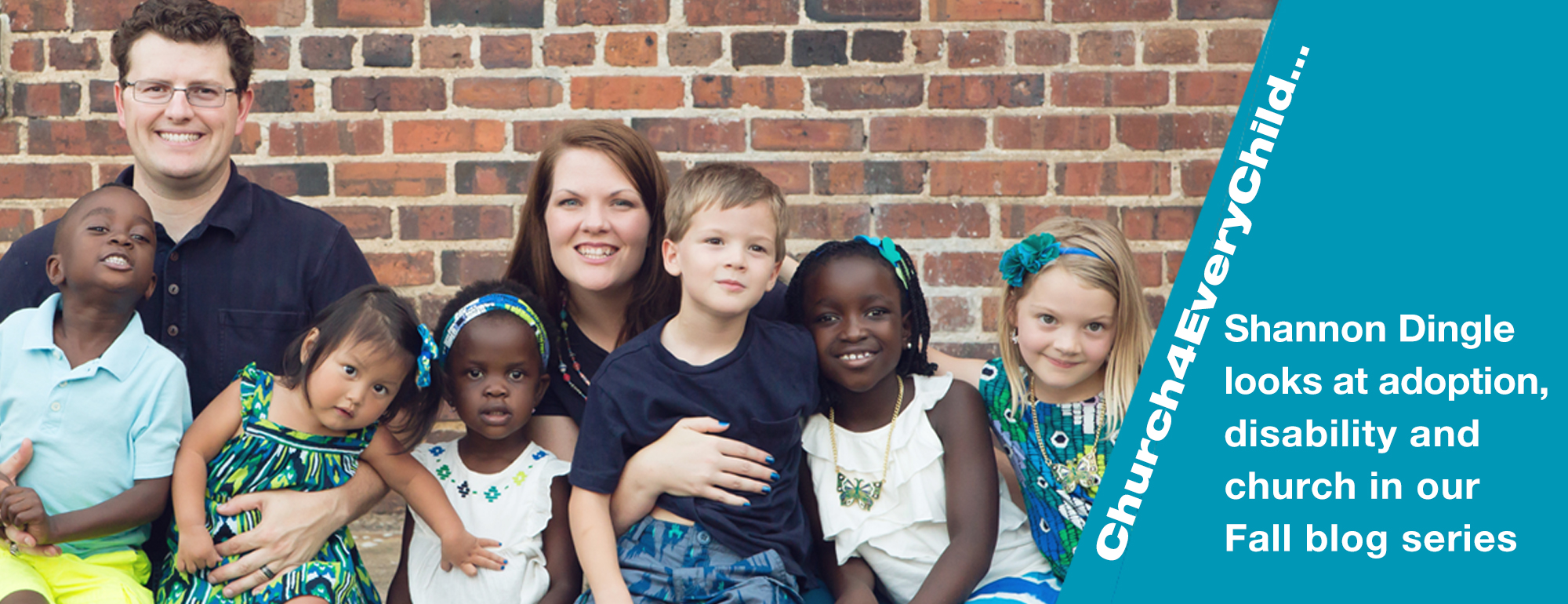
2000x770 S DINGLE CHRCH4EVCHILD 2Check out Shannon Dingle’s blog series on adoption, disability and the church. In the series, Shannon looked at the four different kinds of special needs in adoptive and foster families and shared five ways churches can love their adoptive and foster families. Shannon’s series is a must-read for any church considering adoption or foster care initiatives. Shannon’s series is available here.

Posted in Adoption, Families, Foster Care, Inclusion, Key Ministry, Training Events | Tagged , , , , , , , , , , , , | Leave a comment

Please don’t say “all kids do that” to adoptive and foster families…

thegirlsToday’s blog post is from Shannon Dingle. Shannon serves as co-director of the Special Needs Ministry at Providence Baptist Church in Raleigh, NC alongside her husband (Lee). Shannon also serves as a church consultant for Key Ministry. Here’s Shannon…

Children cry. Children have meltdowns. Children sometimes push or shove or hit. Kids act out from time to time. Some kids shut down when disciplined or even simply when an adult talks directly to them at all.

I could go on, but you get the picture. Many behaviors or responses are common for kids.

But behavior is always a form of communication. Who we are, where we’ve been, and what we want others to know all direct our responses. While all children act out or shut down or lose tempers or cry from time to time, what each one is communicating with that behavior might be different.

While all children display certain behaviors, not all children have lost their parents to death or abandonment or addiction or disease. Not all children have been uprooted from the home or country or familiar voices in the womb to live out the rest of their days in a different home and maybe a different country and with a different mother. Not all children have witnessed or experienced abuse or neglect or malnutrition. Not all kids have permanent structural changes to their brains due to early childhood trauma. Not all kids have learned that adults aren’t always trustworthy, home isn’t always safe, and family isn’t always forever.

Some of my kids have, though. And some other kids who have been adopted or are in foster care have too.

I have two daughters turning 8 soon and two sons who’ll be 6 in March. For each pairing, one arrived via birth from my womb and one joined our family by adoption after years of life experience before us (almost 7 years for our daughter and 4.5 years for our son). Sometimes our kids act out in similar ways, but I know their behavioral responses aren’t coming from the same place.

shutterstock_173700593For example, my friends recently adopted a preschooler. They already had another son less than a year older than their new addition, so they’ve parented a two year old boy before. They’re familiar with those things that all kids do. But like any good parents, they know their kids. They know that when one son is clingy at Sunday school drop-off, it’s just age-appropriate separation anxiety that will resolve not long after they’re out of sight. Likewise, they know that when their other son does the same, he’s acting from a genuine fear based on a history in which other caregivers left and never came back. It looks the same, but it’s not the same.

I get the temptation to say “all kids do that.” Truly, I do. But when foster or adoptive parents like me hear that, it feels dismissive to the real grief, pain, and trauma our kids have experienced and how that history still influences their actions today. Usually when someone tells another parent “all kids do that,” the words are meant to be helpful, to soothe our nerves or encourage us in the midst of a hard parenting moment. But that’s not what your words do. Instead those words invalidate what we know to be true and minimize the extra layer of thinking that parenting kids from hard places requires.

Finally, every adoptive and foster parent has different ground rules about how much we can or will share about the children in our homes. You might not know our children’s trauma or circumstances, because you don’t need to. You don’t need to know the details of their personal pain to understand that when our kids cry or yell or fight or melt down, they might be acting out of deep losses and hurts.

So, please, don’t say “all kids do that” because even if behaviors look the same, that doesn’t mean they are the same for our kids from hard places.

***********************************************************************************************************

shutterstock_120941872Key Ministry’s Annual Fund helps to support free training, consultation and support for churches seeking to welcome, serve and include families of kids with disabilities, and allows us to provide this blog as a resource for over 40,000 visitors each month. Please keep our team in your prayers as we prepare for 2016 and consider a generous financial gift to support the ongoing work of our ministry team.
Posted in Adoption, Families, Foster Care, Key Ministry, Strategies | Tagged , , , , , , , , , , , | 75 Comments