Updated: More stories of disability and church…

Front Door CrossWhy do we do what we do at Key Ministry? Why do the gifted and passionate people who came together recently for our Inclusion Fusion Web Summit do what they do?

Doing church is hard for far too many families impacted by disability. The one place where families should feel welcomed and supported all too often isn’t!

As we did with prayer requests, we included an optional space on the Inclusion Fusion registration form for those who wanted to share their stories related to disability and church. Where appropriate, we sought to remove identifying information. We think the stories are an accurate reflection of the progress the church has made…and how far we have yet to go…

Our story is the same as so many others of being asked to leave numerous churches because of our daughters genetic condition of Down syndrome. What these families must come to understand, as we have, is this rejection has nothing to do with God, so they must pray very hard during this time that they are not lead astray. God created all beings. His plan is not to harm them in any way but to prosper them and give them a hope and a future. They must persevere and trust God has provisions in place for them. They must work hard at separating their personal feelings of shame and loneliness and place their focus instead on where belonging is available welcome within the community of God’s people. If they cannot find it in their area, maybe God is calling them to step out in faith and start something new of their own. Their are many groups like this one that can come alongside them and help them raise up an Access Ministry to serve their needs as a family and community. We pray all these things in Jesus’ name, Amen.

Our church recently added free valet parking for people that needed that assistance. It has been a tremendous blessing. They also added the buttons at each door to assist with entering and exiting the building. We have seen slow and steady changes and have tried our best to promote those changes without being obnoxious. The people on staff listen and have made tremendous strides to enable us to worship.

I work with our children’s ministry and have seen more and more children who are diagnosed with Autism or ADD or ADHD and have felt we need to address it. Which in turn has led me to find parents of children with other disabilities.

Recently, our associate pastor and his wife had a son who was born with multiple heart deformities. He has been in the hospital for the first couple months of life, will require lifelong care, and will not likely live to an old age. Suffering and disability can happen to any church at any time. Are church leaders preparing the saints to handle suffering and disability with a biblical foundation? Waiting until it happens is too late.

shutterstock_158818535_2Please omit identifying info. We recently left our church of 20+years, in part because of difficulty our daughter had in tolerating the worship environment. She has anxiety and sensory processing disorder. Even with hearing protection it was difficult for her to tolerate being in the worship service. Sometimes she would have meltdowns that required one parent to take her out of the church building to our vehicle to help her calm down.

Church did try to make an accommodation – video/audio feed of worship in the foyer where we would stay with her until her Sunday School class started. It wasn’t really helpful to us, difficult to enter into worship in that setting. Even though we spoke with both the head pastor and women’s/children’s pastor about our needs and requested someone to be with her so we could worship and/or someone to pray with us/for us when she was going through a meltdown nothing ever was offered.

Our church utilizes small groups/home groups for fellowship and since our daughter could not tolerate the stimulation and schedule of those environments we progressively felt more isolated and less cared for and able to contribute to the body. We’re at a new church now where she tolerates worship better (smaller congregation, closer to our home) and are hopeful this change will help our whole family be in fellowship in a more comfortable, accepting setting.

While my church does not have a disability ministry per se, our pastor has a special needs son and so do other church members, and these special needs children have grown up among us, going to services and sharing our lives. Also, some my special needs students are made welcome, any time they attend our church service. We are small in number, but I am proud of our love and inclusion of all God’s children.

We were recently invited to church by our son and wife and attended with my adult intellectually disabled daughter. The junior pastor addressed parishioners who gave testimony of the hand of God in their lives. A number of them thanked God that their child who at first they thought would be born with a disability, ultimately was not. It was their testimony that God had essentially spared them and their child from this fate.

I wanted to speak but was unable to when my daughter turned to me and said, “Mom, why dont you tell them about me.” I emailed the junior pastor as I did not want to embarrass my stepson and his family and cause a scene, but did speak with the senior pastor’s wife the second and last time we visited and told her how difficult that day had been.

The pastor missed the opportunity to give a great lesson if he had affirmed Gods goodness in that His grace and blessing would have been with them no matter what the outcome.

We recently did a multi-church food packing with GAiN in our area and invited some folks from Special Olympics to join us and had 19 Special Olympians join us; was a great success. As we plan for our next one in the spring, we are actively looking at more ways to encourage folks/families with special needs to join us with the prayer of 30% or more workers being those with Special Needs praying this could be a door to encouraging folks we need to go beyond our comfortable Christianity.

I am thankful for our church. We have a children’s pastor who is very receptive to ministering to kids with special needs. I have been able to get church members to sit with Hannah so that she is able to be in her junior church classes.

My husband and I had our eyes opened to the need to be proactive for inclusion in the church regarding disabilities when we had our son, Eric. He has Down Syndrome and as he has grown he has presented several different challenges ranging from very low immunity to inability to communicate. Our church is very loving, gracious and walks well with us. However, we want to do more, reach out more and develop in a way that can minister to a broad spectrum of disabilities. I am very much looking forward to spending some time listening in on this conference!

shutterstock_98689610_2I remember a time when there was a teen sitting in church that it was clear no one wanted to sit near. Week after week his mother sat with him and had a painful look on her face and he just looked angry. He was picking at himself and it, well, grossed people out. I wish I knew then what I know now. I wish I had had the courage to sit by that mom and teen and shake his beautiful hand at the sign of the peace and smile one mom to another to that mom. I see so much more clearly now that I have walked with my loved one through mental illness. We must embrace people with mental illness. Their greatest sadness is loneliness and rejection. Our smile and our hand is a gift we can give very freely.

We went to a church we belonged to on Christmas Eve. It was to be the family service, which in the past was child friendly. This service was not, and one of the members asked us to leave because of the noise our daughter was making. We left and never went back.

We joined a different church. Our daughter was 8 and we wanted her in with the other 8 year old kids for Sunday School The director felt our child she be with the pre-school kids where she’d be less of a distraction. We left there too.

After 3 years of not attending church we gave it another try. We found a church that was warm and welcoming, and accepting of our daughter’s cognitive disability. Finally we felt like we belonged!

Max Colson GreetingWe were unable to attend church for many years, as churches were just not prepared or willing to manage my son (who is on the autism spectrum). As a parent, I got tired of being his ‘aide’ in Sunday School every week. Everyone in our home experienced a devastating effect as a result- our spiritual growth really diminished. If someone at the church could have met us at the door to Sunday School with confidence and a smile – it would have made such a huge difference in our lives.

On the positive side, now that my child is older, I am blessed to be able to volunteer as an adult bible study leader for a group of individuals with developmental disabilities. The meeting is the highlight of my week! The participants have such a joy for life and demonstrate a pure and child-like faith. The people in the group are a real inspiration to me. I always leave feeling uplifted and I definitely have the sense that I receive more than I give.

Autism, although not a “disability” does pose certain special needs. I have a 3 year old and I want him to learn about church, fellowship and community. It’s just me and my son that attend church. Running/wandering is an occurrence of autism, and one day my son was found running in circles in the church lobby after he escaped from children church. I found him in the balcony runing up and down the aisles after looking for him for 20 minutes. During the church Easter egg hunt he dashed away after collecting eggs…. so I stay with him in childrens church because they are not staffed nor equipped to deal with his unassuming special need.

From my perspective, the folks with disabilities in our church are much less self- conscious than the rest of us when they worship God. They’re also nicer, kinder, less pretentious people than the rest of us. I thank God for them.

“My son is welcomed and knows he belongs in our church.”

Our church does rEcess and has a “special friends” Sunday school class, but I want to learn how to do more and do it well. Those ministries have been great but haven’t translated into us being a church that embraces disability. We have many adults and kids who don’t really find a fit and so I want to try to expand our disability programs.

Please omit identifying info

When my son was 4, we received a postcard that advertised a local church that was starting a special needs ministry. The next week we went, so excited to get back to church. When we picked up our son we were told to never bring him back. What was his crime? He kept running off during story time instead of sitting. The other children had physical disabilities. I guess my son had the wrong kind of disability for the church.

While I was hurt and sad, my faith is grounded in the Lord. So it did not affect my spiritual life. However, if that happened to a new Christian can you imagine?

A positive ministry is both Rising Above Ministries and Camp Celebrate!! What a blessing these ministries are in our lives!

I have been trying to look for a Church or community who is engaged in a ministry for people with disabilities and their families and I have not found any. However, still looking and planning to form one if there is none here in Jersey City or nearby towns or cities.

Well, we are just starting a disability ministry at our church to guide us to bring the information and people to us that will teach those kids and love then the way they need to be. I registered to help me in getting the curriculum that is the best for them.
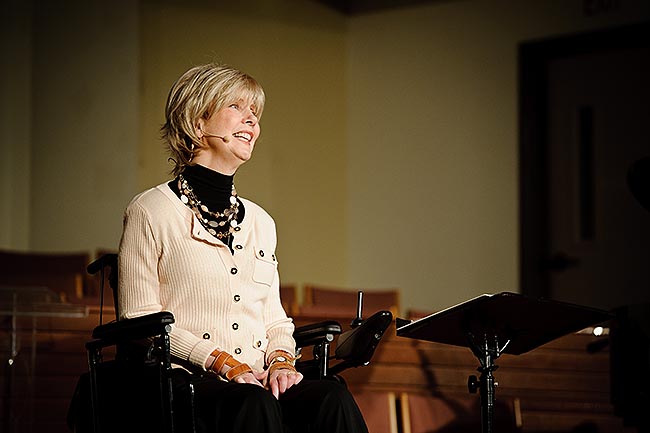
12_JONI_SPEAKING_0001I have been impacted in amazing ways serving at the Joni and Friends Family Retreats and to bring my cousin there and see her with her peers in such a different way than at home. It is truly a gift and blessing to be a part of such a wonderful ministry that has become a family in so many ways.

1 Cor 2:6-11 can help us appreciate that though an individual may not show appropriate display of responsiveness to our Christian care giving, that God -nevertheless- can be working deeply in that person’s life…beyond what we can notice.

I am most privileged when working with those who are mentally challenged when some of them talk about faith in God. Though their words may be jumbled, or their appearance disheveled, there is something about their heart being in the right place as they talk.

My son had brain surgery in 2013 at 5 years old. At the time I was heavily involved serving in the music and drama ministry and attended women’s bible study. The week before my son’s surgery I tried to keep it together but understandably was a bit of a mess. Toward the end of our women’s bible study one of the woman’s leaders came to my table to whisper to me that they were going to pray for me but they were not going to bring me to the front because “well other women here have prayer needs in their lives we need to be mindful of and we don’t want anyone feeling you are getting special treatment”. Meanwhile the last two years this church and women leaders have showered “special treatment ” on a family of a boy with cancer pulling every resource, using their contacts to get the word out and give support.

Now I believe with all of my heart the church should absolutely do what they can to support and love on this cancer family. What I see though is that if your loved one has a chronic (non terminal) condition or disability it is treated as “the norm” or “they don’t need support they are used to dealing with their family members issue”. I am so tired of the ol’ “We’ll pray for you.”… I don’t even believe it anymore. I love my church but I think it is a big hole in most churches to not recognize and seek to rectify the gap in reaching out to special needs families. More than anything we want to be understood, and we want to fit in and be included. Setting up individuals to “babysit” a special needs person in a separate room on Sunday morning is not a ministry, it is an accommodation at best. It’s not just the parents that need the relationship and love of Jesus.

Engage these individuals; find their personality, light up their world and love on them. As a parent raising two special needs kids my husband and I want to change that.

As a leader in our local disability ministry REACH (Reaching Every Ability for Christ) I have been humbled by the faith of a child I see in those we serve. While we approach the throne of God with our minds those I serve approach with their heart first. I have learned to set aside all my head knowledge and approach God with the heart of a child.

I am just so grateful to one of my heroes, Joni Eareckson Tada, and Through the Roof ministry training conferences for providing a framework for building a special needs ministry. Training through the Key Ministry website and other websites helped tremendously in understanding what to do and why. Our children’s ministry leader Cindy Morris helped in promoting the importance of having volunteer Buddies and training. It takes lots of perseverance and love and education to build disability awareness. Thank you!

shutterstock_12834553We have been foster parents to a young boy with severe autism for 6 months now, and the journey has been so eye opening. We are members of a church with more than 600 regular attendees and have become aware of the difficulties parents of children with disabilities face at church each Sunday.

God has richly blessed my husband and I by allowing us to be active despite our disabilities. I am a wheelchair user who is blind and I’ve been allowed to lead in several areas, prayer group worship team, my husband born with no arms and 1 leg is taking his 8th trip to Haiti in January and has also taught 3 year-olds. It is possible to be included and be disabled.

Our disability ministry at our church has been a true blessing from the Lord – we have numerous stories that maybe we can share when I have more time to write them down. Our website captures some of our Praises to the Lord.

Often, churches say, “if you just have more faith, then you can stop being depressed (or facing other mental illness).” Unfortunately, that pushes us away further. We have biochemical, hormonal imbalances in our brains, and without proper treatment, we are not likely to get better. God made people smart enough to be doctors, pharmacists and medical researchers.

shutterstock_152765987I attended church regularly and was a member of my church. I was also a leader of a well-known children’s outreach ministry. We adopted our boy with Down Syndrome as an answer to a calling from the Lord. We have five children- three adopted and two who have special needs. Many in my church prayed for this child, as they knew we were called.

When my child was at an age to attend the children’s ministry I questioned the director if it was OK for him to attend with children slightly younger than himself. He asked me if my son was potty trained. He was 5 at the time and almost but not quite completely trained. The leader of his age group had already agreed to take him if the director agreed.

I was told that because he was not trained he could not attend. I was stunned and utterly devastated. I let this stew for a while which is wrong in and of itself. I finally approached my pastor and questioned him with the logic that “what do you do if a child with Spina Bifida walks through the door.” Would you tell that child he cannot attend because he is not potty trained? This is an outreach ministry and we are not ministering to our own children.

He agreed that we should think outside the box and told me he would speak with the director and get back to me. It never happened. If the church cannot minister to its own we are in a very sad state. I have been greatly disillusioned and have found out through the years this is not uncommon in churches.

Many people did not believe I was ill. They just thought I was crazy or a whiner. A Christian doctor from my church also told me for years that my issues we’re all because I was depressed. He never referred me out. I had to find people on my own with some same symptoms to get medical help. Most people in church do not want to know in my past. Now that we moved from a small town to a metro area, we are in a better church where people seem to have compassion & are willing to pray instead of whispering about you. I wish ministries could be established to we could find people to help us within the church even if we had to pay them.

I Corinthians 12:12-13, 22

“The body is a unit, though it is made up of many parts and though all its parts are many, they form one body. So it is with Christ, For we were all baptized by one Spirit into one body…On the contrary, those parts of the body that seem to be weaker are indispensable, and the parts that we think are less honorable we treat with special honor.”

A turning point came during the weeks leading up to Samantha’s Confirmation. Not only did we need to be able to make it through an extra-long Mass, but we were not even going to be holding Confirmation at our home church. Yikes!

To prepare for the Confirmation Mass, I took Samantha and her brother to the different church one Sunday, the memories and anxiety of past experiences flooding back as if it were yesterday. How would people respond to her is she had an outburst? Would we be asked to leave? Was this just a crazy idea?

As it turned out, I needn’t have worried at all. Unless you knew her, you couldn’t have picked Samantha out of the congregation as a person who has a disability of any kind. She smiled, she stood and sat when appropriate and listened to the music and the pastor’s words intently. I am sure that this was not just the work of many years of preparation, but the work of the Holy Spirit, encouraging us as we prepared for Confirmation.

Back at our home church, I began to routinely give Samantha the opportunity to sit in the sanctuary, usually giving her the choice to go in or stay in the Great Hall. Although she still sometimes chooses to sit outside the sanctuary, she more often than not decides to join the congregation, our congregation, our church family.

shutterstock_141625264_2Over the past eight years I have written many times about my daughter and our experience trying to find a place for her in the church. Sometimes encouraging, other times, difficult to read, but all stories relevant to the bigger issue of inclusion of persons with special needs into faith communities.

This particular story, a summary of the first eight years of our journey, will hopefully serve as an encouragement to those just beginning their journey as special needs parents looking to include their children, those wonderful, special children, into their own faith community. I dedicate it to all those parents out there struggling to figure out how to make worship work for their child. I am also hopeful, as our country embraces a wave of efforts for inclusion through a strong faith and disabilities movement, that their journey will be less lengthy but just as meaningful.

Our church has worked it out for our son to have a Sunday school class during worship. Worship was too much for him. There is only one service so people sacrifice to do this. It is a gift for our family.

Our daughter’s church began special needs Sunday morning class. I work individually with parents and children and teens on the spectrum- no special classes.

Joni and Friends has been a major blessing to my family and God has used JAF at my church to expand disability ministry in our area. I am thankful for a church that is receptive to and supportive of disability ministry.

I have founded a Christian organization and authored a book for parents raising a child with social, emotional or behavioral disabilities… see perseveringparent.com. I would love to share my resources with those at Key Ministry…the book is designed for use in Christian support groups for parents.

Our intellectually disabled son had served for several years as an usher in Bethany Church/Wyckoff. When we were asked to go to a new facility in Wanaque, we had concerns, but he has adjusted very well. The ushers in Wanaque serve communion and he has served well. The ushers pray for those going to elective surgery, he has enjoyed the experience. It was my privilege, to see him praying over me before knee surgery in March. I know part of his ability has come through Ability Tree and Joe Butler. The greatest Glory goes to Our Lord!! (You can use the story, if you need to; I know John would be honored).

Without all the disability advocacy and ministry opportunities I have been given through out my lifetime I never would have become First Runner Up Ms. Wheelchair California 2014 on February 1, 2014. Everything I know about disability advocacy I learned from my friend and mentor, Joni Eareckson Tada with my sleeves rolled up!

I am interested in helping our church become better aware of the needs of working with families who experience a disability.

In the past year two families placed membership and one mother was baptized.

Our church has welcomed our son, and the anxiety/autism with open arms. They have included him with allowing him to serve on the middle school tech team, as well as in other ways. We had not been in church for several years because of bullying that occurred at church and created significant church anxiety. Now, if we miss church, he fusses at us!

Antoinette was a young lady who attended church at Good News Assembly of God in Ft. Smith Arkansas in the early 90’s. She had spina bifida. She was a remarkable young lady. She was always the highest fund raising seller of items in the youth department. She would tell the pastor that she would run over their feet with her wheelchair to make them listen to her if that was necessary.

As a new parent of a child with special needs (he just turned 2), I have been blown away by the lack of attention that our local churches give to these families. Our church wants to change that in our community and be a lifeline to these families.

Front Door Screen ShotWe are very blessed to be part of a caring church that we joined 6 yrs. ago. I generally manage to attend the morning service & our pm. service can be accessed via Skype on computer/via telephone (for those without internet.) Yesterday I joined both services from my bed as I was too unwell to attend, but with the PowerPoint of the service in front of me I was fully included. (I have the PowerPoints on my tablet in church each week too with readings, singings, everything on it.)

My family and I started and ran a disability ministry for children between 2009 and 2013 at our former church. We always had difficulty recruiting volunteers to serve and in 2012 we (my husband, myself, my mom and my sister) did it alone until we got burned out and resigned in 2013 (our daughter was also having major surgery with a long recovery so we resigned due to burn out and putting all our attention on her). That church has still yet to place anyone in leadership so their disability ministry has shut down indefinitely.

Since then our daughter has had a lot more serious issues with her health and traveling half an hour to that church was not working as our daughter would get sick and we’d have to leave or never get out of the house in the first place. It kept us from attending in person for months. After much prayer we felt it was time to find another church much closer to where we live so getting there and staying there would be more likely. We did find a new church and though they do not have anything specific ministry wise for people living with disabilities they have been most welcoming and helpful to our daughter and us. Right now due to highly sensitive respiratory issues our daughter needs to refrain from participating in large group activities like in the children’s ministry so she stays with us. However, everyone there, especially the pastors, have been most accepting and welcoming never making us feel weird or anything if our daughter vocalizes, needs suction or needs a private room to change her diaper.

Our daughter has been hospitalized several times since we have joined this church and they have been as caring and concerned (even bringing us meals for a week after we get home) just like any other member of the congregation. The big bonus for me regarding this church we attend now is that they stream their services live online so when our daughter cannot get out of the house on bad days we can still join OUR congregation. That’s important to us. I’m sharing because this has proven to me that sometimes a church just gets being the hands and feet of Jesus from the get go and a ministry for people living with disabilities doesn’t have to be present to meet the needs of a family affected by special needs. Thank you!
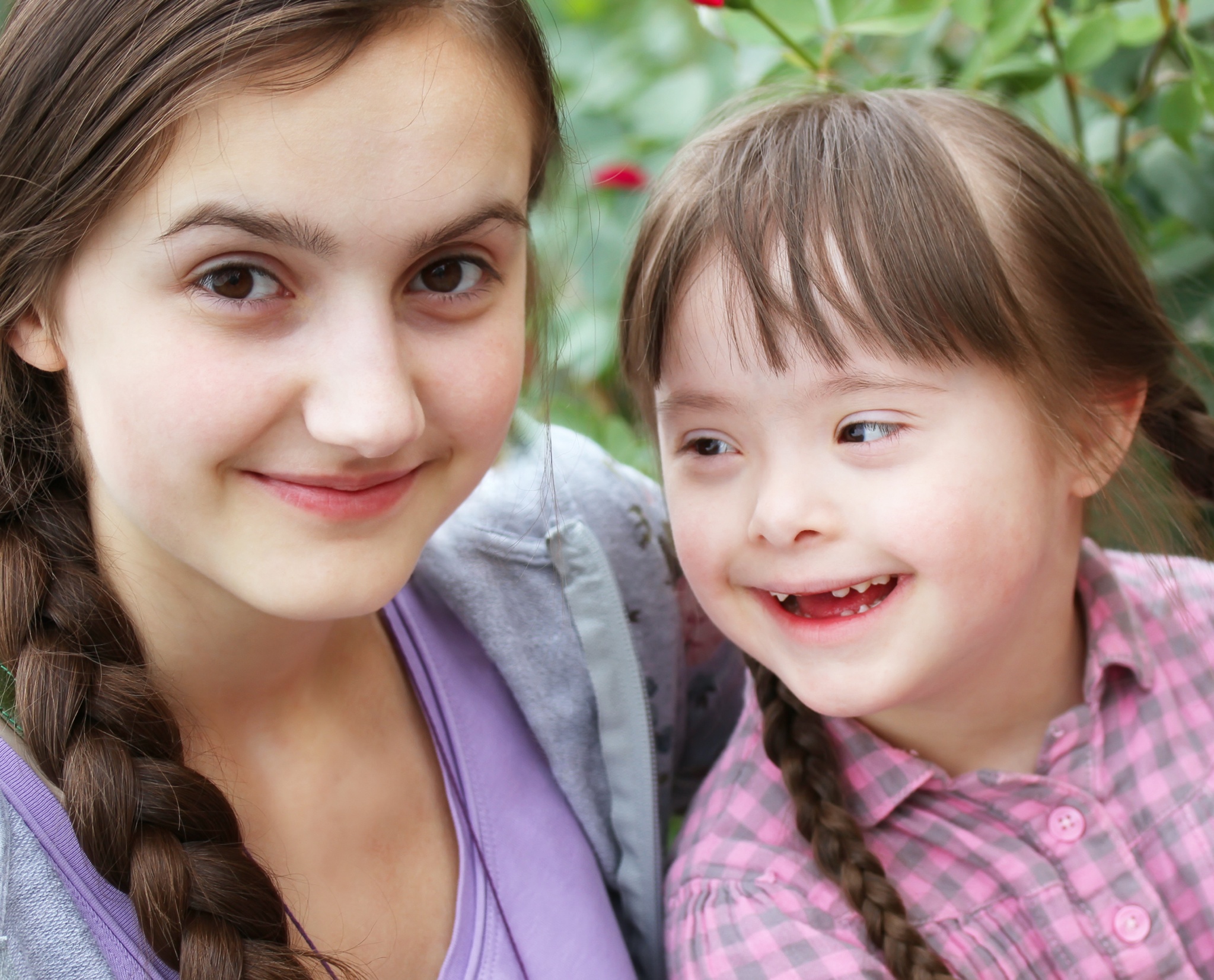
shutterstock_162849719_2I have been blessed for the past 7, going on 8, years to be the director of the disability ministry at our church (The Special Gifts Ministry). Over the years my family and I have had the joy of seeing God grow and use this ministry in ways we could not have imagined in our wildest dreams! He continues to amaze us daily with His leadership and our continuing to flourish and be a beacon for Christ in our Disability community!

Our church’s special needs ministry made it possible for me, as a single mom, to attend and continue to develop my faith. It also helped my daughter feel connected to her helper and that someone else cared about her. Bless those who are called to serve in this important ministry.

Too painful at the moment…

As someone with a hearing processing disorder (and probably on the autism spectrum), it is very difficult for me to understand speech when there are many other noises happening simultaneously, as tends to happen in large crowds. This creates a great deal of social anxiety for me. I am also hypersensitive to sound, making loud church music uncomfortable. Also, our teen-aged adopted child has a hearing impairment (possibly linked to Fetal Alcohol Syndrome) that makes it hard for him to understand someone who is speaking to him in a noisy environment. He tends to nod frequently even though he has no idea what the other person is saying. We therefore select where we sit in an auditorium based on the level of noise/music, even though my husband enjoys worship more when sit up front. When we are visitors to a church, it would be wonderful to know ahead of time which seating section would be best for us, and even better if there were some sound-absorbing materials or structures in that seating area.

Praise God for the longevity of our special needs ministry amidst challenges and fearful minds…..

My son’s disability caused him to be kicked out of Sunday School soon after diagnosis because the church feared his behavior may cause a “gross neglect” incidence lawsuit should he turn violent. This ALMOST caused me to leave the church where I’d belonged all my life and had taught Sunday School for 20+ years! They certainly didn’t understand his disability, but neither did I at the time. I kept him with me for the next year during services until his psychologist who also attended our church attended a meeting on his behalf with the administration to calm their concerns.

When our 2 year old son with autism turned 3, he “graduated” to the 3-4’s Sunday school class at our church.

shutterstock_49401919_2The teachers were very strict about how the class was ordered, which included having all children (about 5-7 kids with 2 teachers) do every activity together at the same time at the same place in the classroom as they moved around the room for each activity. But our son wanted to sit on the other side of the room and do puzzles the whole time, completely disengaged. They brought in a 3rd teacher just to sit with him and attempt to engage him, but to no avail. I was told that, “(Our son) can’t learn like that. If he won’t participate with the other children, then he won’t be allowed to stay in the class.” I tried telling them that he just had autism; he wasn’t deaf! Just because it didn’t appear like he was paying attention didn’t mean he couldn’t hear, and it CERTAINLY didn’t mean he wasn’t learning!! What’s worse was that the teacher was the pastor’s wife who told me those very words.

They kicked him out of the Sunday school class and sent him back to the 1-2’s class, where he knocked down the toddlers and pushed them off the large gym mats he wanted to be on. He was sent back to the 3-4’s class (by the 1-2’s teachers, and at my insistence) where I paid for our therapist (and close friend) to come in and spend the hour with the teachers during Sunday school to help them understand our son better and how to modify the class so he could participate more. But they refused to budge and made me out to be some kind of wacko mother to our therapist who was trying to “get her way” and did not respect the Sunday school teachers’ methods. We really had no other choice than to leave and find a different church that would be remotely willing to accept our son and actually WANT him to be there. They made it quite clear that our son was NOT welcome because he simply did not fit the mold. It was incredibly angering and it made me grieve my son’s disability all over again – not because there was anything “wrong” with him, but because I saw for the first time how difficult our life would be, if all people treated my son the way the people in this church treated him. I thought church was supposed to be a safe place for us to come and take refuge. We had served faithfully at this church and were utterly shocked to feel such betrayal.

Now, my husband is our worship and family ministries pastor at our current church (in a different state) where our Sunday school teachers do everything they can to welcome our now 9 year old son and help him participate to his fullest potential where he now thrives. He recently accepted Christ and was just baptized this past weekend. And they said he “couldn’t learn.”

Since I am on a church staff, our daughter started out in the church nursery. As she has gotten older, the nursery coordinator and children’s director figured out ways to include our daughter with the other children. She has multiple disabilities, is globally delayed, and is often overstimulated by the activities. Volunteers help her get around as well as maneuver her equipment around our inaccessible building. This has been a huge blessing to us, and we would like to figure out how to minister to the other families in our community.

Share your story in the “Comments” section below!

Most recently updated November 17, 2014

***********************************************************************************************************
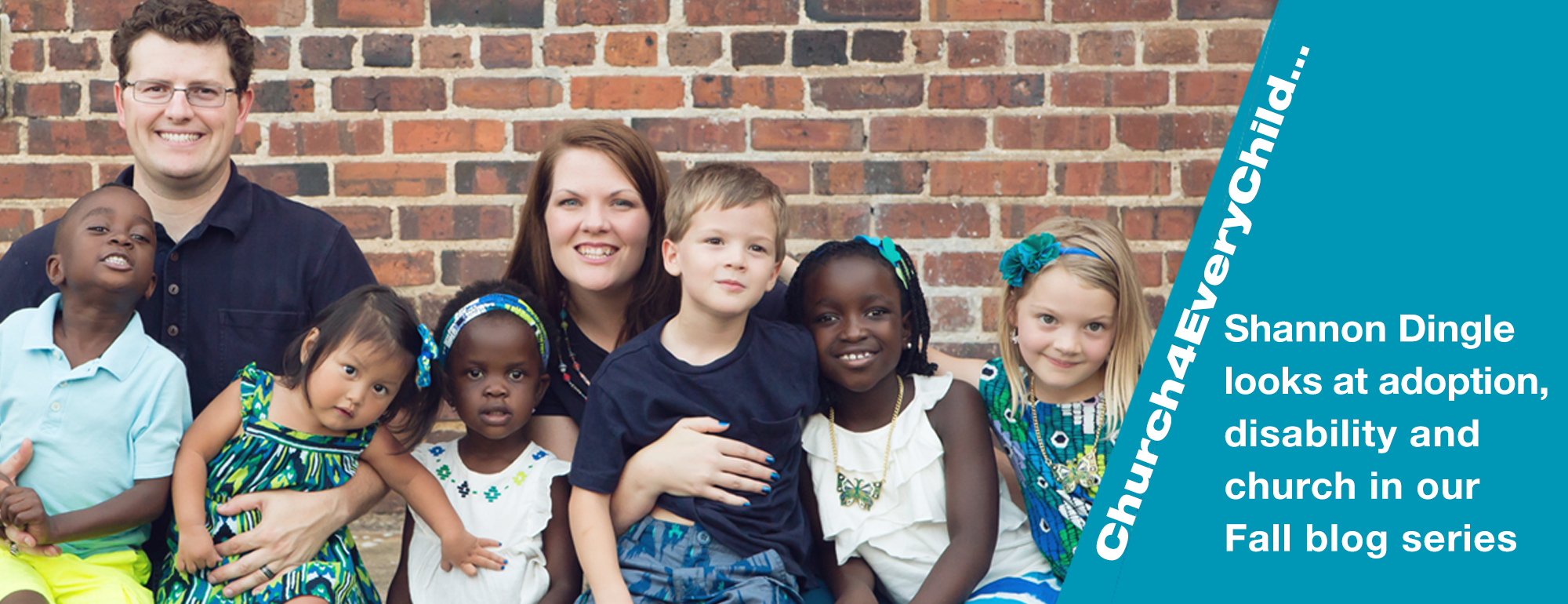
2000x770 S DINGLE CHRCH4EVCHILD 2Key Ministry is pleased to invite you to check out our new website. Over 180 downloadable resources are available to pastors, church staff and volunteers seeking to serve kids with disabilities and their families, including all Inclusion Fusion presentations from our first two Web Summits are available with FREE registration. Check out keyministry.org today and share the link with others interested in welcoming kids with disabilities and their families at church.
Posted in Inclusion, Inclusion Fusion, Key Ministry, Stories | Tagged , , , , , , , , , , , , , | Leave a comment

Five Tips for Special Needs Ministry Leaders…Beth Golik

26621617_golik_beth-colorBeth Golik will be serving on our faculty for Inclusion Fusion 2014 and discussing the topic How to Incorporate the Special Needs Classroom into a Church-Wide Curriculum Alignment. Here, Beth shares five specific tips for special needs ministry leaders…

As a leader of an established special needs ministry, I’m often contacted by individuals whose churches are looking to launch their own program. Here are five tips and techniques that, in my experience, are key to get you started and keep you moving and growing.

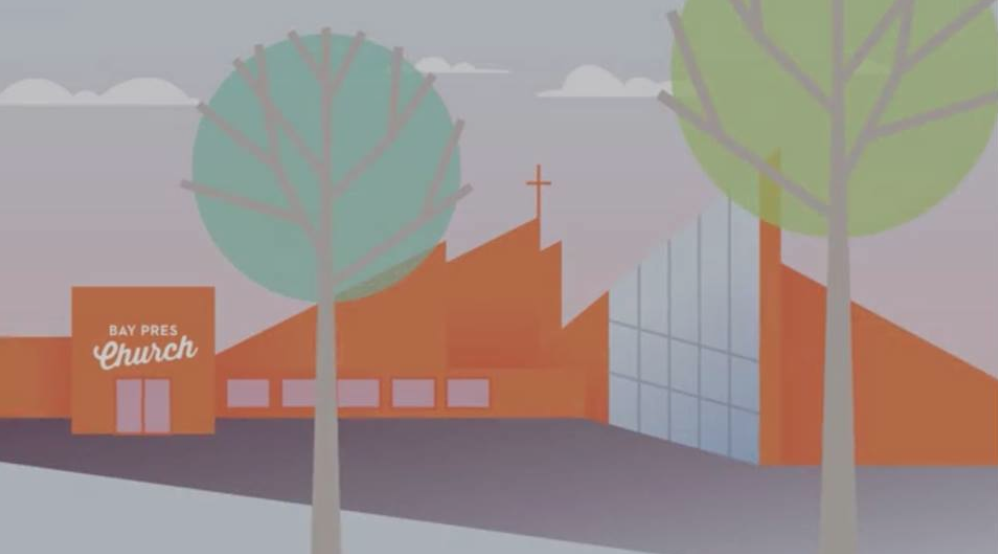
  • Training. Whether you are starting a special needs ministry from scratch, or are leading a program that has been in existence for some time, there is much to learn from your peers who have “been there, done that.” When I started my position as director of the special needs ministry at Bay Presbyterian Church (a very large church in the western suburbs of Cleveland, OH whose special needs ministry had existed for years), I had plenty of enthusiasm but was short on experience. I was fortunate to attend several in-person trainings and conferences and, like a sponge, soaked up the information on best practices to bring back to our ministry. Key Ministry provides incredible online training opportunities that are available to all – regardless of your location or travel budget. Some of the best practical advice that I’ve received has come through these video trainings.
  • In His Image classroom rulesVolunteers. We value all of our volunteers and their hearts for the kids and families that we serve. We have been blessed to have several volunteers serving in our ministry whose background and expertise is special education. Ask your volunteers for help in planning and implementing classroom management techniques and tools. Need help writing social stories? Need to create visual communication tools? There’s a pretty good chance that a member of your congregation has the ability – and the desire – to help your ministry out. Ask them. Their contributions are valuable. When your volunteers have ownership of best practices in the classroom, it’s a better experience for everyone.
  • Market Your Ministry. Guess what? It’s not your church’s job to figure out that you exist. Promote your ministry to your congregation and to your fellow staff members. The families that you serve are a vital part of the body of Christ. Keep them – and your ministry – in front of people all the time. While you don’t want extra foot traffic through your classrooms on a Sunday morning, you do want folks to know that you’re there. So bring the message to them. Utilize existing communication channels such as info tables on Sunday mornings, church-wide bulletins or email, and updates to your colleagues at staff meetings. Continually invite adults and teens to serve in your ministry, particular when you have fun-factor events such as Respite Events. Potential volunteers will lose out on the opportunity to be blessed through serving if they are not aware of the possibilities. Just like the parents you serve are the advocates for their children, you are the advocate for your ministry.
  • Try New Things. Earlier this year, we felt called to create a Sunday morning fellowship/worship/classroom experience for our adults with special needs. Can we be honest here? I was scared. This was brand new territory for me and I was more than a little intimidated by the prospect. Well, here we are, with several months of Sunday morning classes under our belt and I can tell you that this particular initiative has been one of the hugest blessings in my life, both personally and professionally. We (the participants, the volunteers and I) look forward to being together each week. This was all the Lord’s timing. Have faith to take a leap every now and then! The success of our adult class has encouraged us to use it as a model to revamp some our kids’ programming.
  • Pray. Our children’s ministry staff incorporates prayer into our weekly meetings. We pray for our volunteers – the ones we have and the ones we have yet to meet. We pray for our kids and their families. We believe in the power of praying for others by name.

What tips and techniques could we add to this list? I’m looking forward to the upcoming Inclusion Fusion web summit and the inspiration, motivation and innovation it will offer to those of us serving in special needs ministries.

Beth Golik serves as Special Needs Ministry Director at Bay Presbyterian Church in Bay Village, Ohio.

***********************************************************************************************************

BPCJoin keynote speaker Joni Eareckson Tada, Emily Colson, Barb Newman, Matt Mooney, Cameron Doolittle and 20+ leaders representing the scope of the disability ministry movement this coming November 12-13 for Inclusion Fusion 2014, Key Ministry’s FREE, worldwide disability ministry web summit. Engage in interactive chat with many of our speakers and watch each presentation at the time of day that works best for you in the environment in which you’re most comfortable. Click here to view our entire speaker lineup and register for Inclusion Fusion 2014.

Posted in Inclusion, Inclusion Fusion, Key Ministry, Resources, Strategies | Tagged , , , , , , , | 2 Comments

Barb Newman…Why is inclusion important in Christian Schools?

BarbNewman1April2011

Editor’s note: Barb Newman needs no introduction to the disability ministry community. I had the privilege of interviewing her on the topic of inclusion in Christian schools for Inclusion Fusion 2014. Here’s Barb…

Why is it important for Christian schools to include students at all levels of ability and disability? During Inclusion Fusion, I will be discussing the Biblical foundation for inclusion based on 1 Corinthians 12 and what it means for us as the Body of Christ.

Inclusion in schools can be difficult. As the Director of Special Education at Zeeland Christian, and as a School and Church Consultant at CLC Network, I have seen multiple barriers that schools face when trying to include those with disabilities into their communities. One of these barriers can be solely focusing on preparing students for college, or towards a certain career path. But, it can also be as simple as not knowing how. During our time together, we will further explore these barriers and the resources available to you as you work to better include those with disabilities into your schools.

Pink Puzzle PiecesAnother topic I will discuss is how inclusion allows an individual to use his or her gifts. One of the philosophies we have at CLC Network is to keep the “Puzzle Piece Perspective” when we think about those with and without disabilities. We believe that God has knit us together with green and pink strands, which is represented with a green and pink puzzle piece. These areas on our puzzle piece represent the things that we are good at and enjoy (green), and our hot spots—the things that we struggle with (pink). Each one of us, disability or not, are green and pink people, and because of this, each and every one of us have gifts to offer to our communities. Just as puzzle pieces are meant to fit together, each of us are made to come alongside one another and support each other as the Body of Christ.

What, then, does inclusion look like? At CLC Network, we believe it means ownership and friendship. The general education classroom “owns” the student with the disability and each student is assigned a place of belonging within the general education setting. Along with this, we believe that it’s important to build mutual, authentic relationships between peers of those with disabilities and of those without disabilities. I’ll talk more about this during our time together, but you may find it beneficial to look through some resource we provide schools with, and I invite you to explore our website for more information.

It is my prayer that as you participate in these discussions, you will find support and guidance as you strive to include each unique individual into your community. I look forward to meeting with you on Inclusion Fusion!

logoBarbara J Newman is a church and school consultant for CLC Network. She is the author of “Helping Kids Include Kids with Disabilities”, “The Easter Book”, “Autism and Your Church”, “Any Questions? – a Guidebook for Inclusive Education”, “Nuts and Bolts of Inclusive Education”, “Circle of Friends Training Manual”, and “Body Building: Devotions to Celebrate Inclusive Community”. She has written curriculum for Friendship Ministries, was a major contributing author of “Special Needs SMART Pages” for Joni and Friends, co-authored the “G.L.U.E.  Training Manual”, and is a frequent national speaker at educational conferences and churches. In addition to writing and speaking, Barb enjoys working in her classroom at Zeeland Christian School.

***********************************************************************************************************

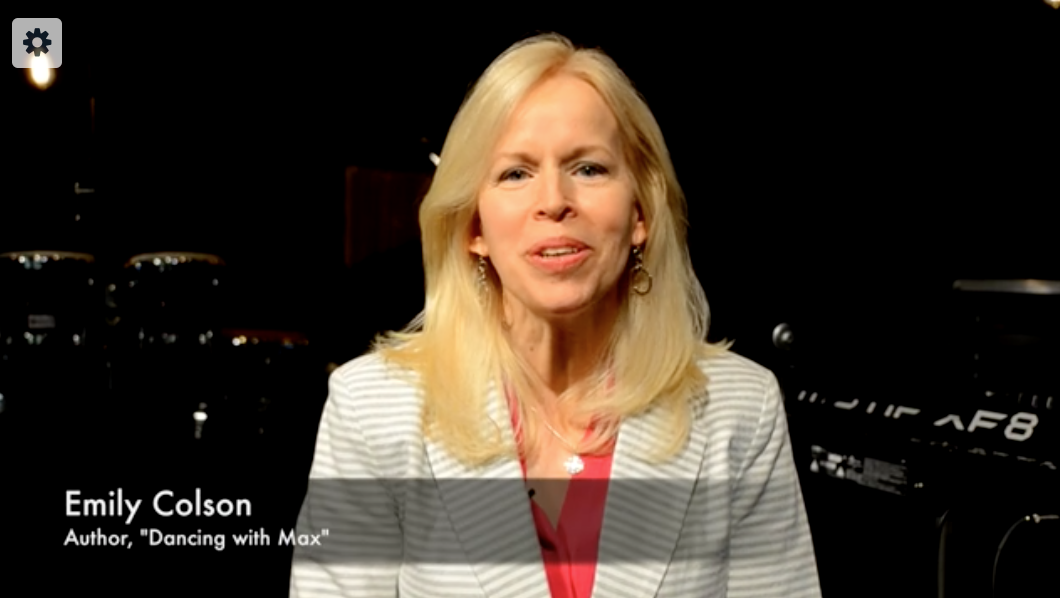
Emily and StephenJoin keynote speaker Joni Eareckson Tada, Chuck Swindoll, Emily Colson, Barb Newman and 20+ leaders representing the scope of the disability ministry movement this coming November 12-13 for Inclusion Fusion 2014, Key Ministry’s FREE, worldwide disability ministry web summit. Engage in interactive chat with many of our speakers and watch each presentation at the time of day that works best for you in the environment in which you’re most comfortable. Click here to view our entire speaker lineup and register for Inclusion Fusion 2014.

Posted in Inclusion, Inclusion Fusion, Key Ministry, Ministry Environments, Spiritual Development, Strategies | Tagged , , , , , , | 1 Comment

The prayers of our people…#KMIF14

shutterstock_5067274We need your help!

Our upcoming Inclusion Fusion Disability Ministry Web Summit was designed as a vehicle to bring together pastors, ministry leaders, volunteers and families around the cause of including kids and adults with disabilities and their families into the life of the local church.

Our team included an optional space for prayer requests on the registration form for Inclusion Fusion. We got lots of prayer requests! And we need lots of faithful people praying for the requests we receive!

Below are some of the prayer requests we’ve received through the registration process as of the morning of November 6th. Where appropriate, we sought to edit any information that might violate the privacy of our attendees. We’ll update this listing as we’re able through the Web Summit. If you have a prayer request, please add it to the “Comments” below. Our staff and volunteers will attempt to pray for every request.

Inclusion Fusion 2014 registrationWe’d love to have you and/or any of your friends join us on Wednesday, November 12th and Thursday, November 13th for our Inclusion Fusion Disability Ministry Web Summit. Inclusion Fusion is offered FREE OF CHARGE, but registration is required. Register here, or scan the QR code at right with your smartphone or tablet to register.

Can you find a few minutes to pray for some of these requests during the coming week?

I really want to start a disability ministry in my church and need prayer to be able to do that.  

My prayer is for our new Special Needs ministry to begin where God wants it and to grow as He needs it.

We are more focused than we have been in providing for people with disabilities and making a way for them to serve in ministry. We need wisdom.

Son, XXXXXXXXX. 14 with Autism (HFA); Type 1 Diabetes and other autoimmune disorders including Alopecia (he’s lost all his hair). He is somewhat angry with God that he has all these things to deal with. He needs Christians to reach out and welcome and love him…but we’ve not seen too much of that. :*(

That my daughter, XXXXX will always have somebody to take care of her as her own daughter when I will no longer be able to take care of her or when the Lord will take me. (I am 69 yrs. old and XXXXX is 31 yrs. old)

shutterstock_154760609_2Pray as we seek the Lord about starting a ministry for special needs children.

Help me in starting a disability ministry at our church for the ability to know what do to that is the best for the kids with disabilities that will be able to learn what they can and in the way they can.

For God’s leading and wisdom in opening the doors and drawing others that are hurting or affected by disability into church and to be the hands and feet of Jesus to them. To know how, myself, to be able to attend church and serve regularly when medically it is so difficult to be in most public places. Thank you so much!!!

Please pray for our area’s Joni and Friends Family Retreats so that more individuals will sense the call to become STM’s

shutterstock_163397243_2My newborn was diagnosed as having Down syndrome. I want her to live the fullest life ever. Thanks for your prayers and service!

My husband and I have 2 special needs children with multiple disabilities. Please pray that we can use our story to reach out and support others, that He will bless our efforts to start an awesome new ministry. He is giving us a big vision and I pray as we begin to step out in faith that He will bring us resources to bring this vision to life.

Please pray that church ministry leaders and parents grow in their understanding of how much Jesus loves children and wants all the children (special needs kids included) to know Him and love Him as well.

For those who have stopped attending church because of wounding caused by their disability.

For Self: mental health balance, due to my daughter’s condition my stress base line norm is high and any small stress triggers strong negative behavior to the rest of the family…. for XXX my Daughter: For the intestinal adaptation treatment to work and function to full capacity. She had 90% of her small intestines removed, was born a micro preemie and spent 9 months in the hospital.

We have two days of training that we pray will bring much encouragement and fruit to many families and churches: January 31st – “A Day of Hope” with Sondra Williams, our keynote speaker sharing from her perspective as having autism.

April 11th – Building God’s Kingdom through Disability Ministries training at Murrysville C&MA Church in Murrysville, PA with Keynote Emily Colson and many churches sharing.

shutterstock_162382229That those without a voice find their voice.

To help my church fully participate in an inclusion ministry.

We are starting a ministry and need prayer as we take this step in ministering to families.  

We are a new church plant in east side of Houston Texas. We are a service-geared church not program driven. Please pray we stay focused on God’s mission. Pray for growth. Pray we are able to meet the needs of all.

Prayers for healing and family relations. God purpose for my life. Wisdom and guidance in all areas. Financial, spiritual, organizational, transportation.

That our ministry would continue to move forward – we need wisdom and creativity!

Pray that more churches will embrace a special needs ministry.

Health, wisdom, peace.

Pray that our church can reach more families through our special needs ministry. Pray for volunteers for our special needs ministry. Pray for unity among the leaders in our special needs ministry.  

Dealing with isolation for weeks.

Finding local support with Christians during the week because my husband still works.

Chronic pain support.

How to ask for help without sounding like a Debby Downer.

Trying to do the impossible task of exercise.

Easy fix nutritive foods

Praying for God to guide me to start a disabilities ministry at our church! That I am following God’s will.

I am seeking a safe home for our family. The current home is nice but is not one level and it creates safety issues for Henry.  

Stumbo Sensory Room 2We have been given some designated money for a special needs ministry/inclusion ministry…but it’s not near enough to what we know will be needed just for basic supplies (changing table, other specific items…) but more so…we are just praying that God will start sending some children/students to us that we know are in our area. We believe that once others (in the church) see there is a need they will step up and easily provide the funds. We (those that have a passion for this ministry) believe that most in our church don’t understand the need of the families to be ministered to in this capacity. It’s hard to explain to others unless you have lived it or helped others who live it. I’ve worked many years with special needs students in a public middle school. I am so ready to bring it to the church where we should be ministering to these precious students and their worn out parents and siblings who need to be shown the love of Jesus and be allowed to come soak in His Word and His love. Please pray that we will be shown what we need to do preparing our hearts, souls and minds to be ready for this type of ministry. We pray that he will send us the families that need this type of ministry and ultimately it is our prayer God will work all this and more through us who have this burden and calling on our hearts to serve in this way. Thank you!!! 🙂

My prayer request is that my church would be open and willing to put a ministry into place that would truly serve my boys. They are young and it breaks my heart that already they are treated more as a burden than as individuals. I pray too that members in the church would rise up to help in this ministry and partner with my family and so many others like us.  

Praying for my son, Mark….

To be used by the Lord for the work of the Lord.

For his life to touch others’ lives.

Pray for continued strength for my family peace among us all when we don’t agree.

Foster to adopt grandchildren is finalized.

Please pray that people of Cornerstone Church of Skippack will come along side those who need support to be able to attend our church programs, and therefore those families will know and experience God. We are striving to meet the needs of a family now and need more buddies.

Blessings for Katie, Madeline, and Persevering Parent Ministries

shutterstock_59406991_2Friendship opportunities are hard when your special needs teen lacks social skills and physical abilities to join in with the typical kids. He wants friends to hang out with, but no one seems to want him. I know this seems a typical teenage struggle, but it is compounded by the diagnosis.

Please, Lord, show us Your Heart for the disabled

Starting Young Life Capernaum in our local high schools this Fall.

In July of 2014 Access stopped transporting its’ disabled rides to Joni And Friends including me. Please pray this will change!

Joy, and prayer request. Our church has Calvary Christian School grade pre-k4 to 11th and next year 12th grade. They have children with IEP’s and are doing an excellent job. Prayers for Mr. Paul Green, the staff, volunteers continued guidance, protection and support. Thank you!  

We have a lady in our ministry who is having some health issues. She is a fighter and is not going to give up. We are praying for God to heal her…doctors cannot seem to find a solution to the problems she is having.

I will be praying for YOU…for those you’ll touch/reach through this ministry and that each person will feel they can take the next step because they have the tools and don’t feel so alone! Cindi Ferrini  

Our HOPE special needs ministry has just had a donor step up to renovate two portables as a dedicated space for our Sunday morning Bible Fellowship and respite events. We are so excited! Pray for wisdom as we build out the space and that many will come to know Him via this ministry.

Our church would like to start a Special Needs Ministry. We ask for guidance, wisdom and discernment as we research how we can successfully have a SNM that will bring glory to God.

shutterstock_116017678Pray for our church to understand a special needs ministry is more than a place for parents to drop off kids so they can go to church. A successful day isn’t judged by “we kept them quiet with no meltdowns.”

Pray that our body of Christ sees that our Luke 14 banquet is a mission that should open our hearts to receive those with disabilities all the time. That no person ages out of our church.

Pray that our church leaders hear my plea “go quickly” as a call to save, include and bless us, not as a takeover of their principles.

Please pray that the church and its members would understand better Jacob’s mental disorder and why it’s hard to go to church with him. They talk about us outside of church and make him sound like he is an animal.

Pray for peace!

Our church is just beginning a special needs ministry. Please pray that we reach out and grow to who and how God would have us to.

I pray when we go to church that the Holy Ghost will come and minister to our son. Minister to him in ways that he understands. I pray Lord that you will bring acceptance that follows him around with every move he makes. I pray Lord that I will release fear and worry Lord, that I allow you to take over, that we all get in line with the intended purpose of your message and your word. In Jesus name, Amen

My 12-year-old son has debilitating anxiety/high functioning autism. He had a difficult time at Special Olympics during the down time, and is now afraid to go back to school. He is not in trouble, and chances are no one would say a word, but in his mind there is no way to overcome this.

shutterstock_79177156Pray for my granddaughter who has Down syndrome. Her parents are not together and she is shifted back and forth between households.

A friend of mine Mary S. has been hospitalized for over a year with a broken neck.

We are in the process of starting a special needs ministry in our church. Currently, I am the point person for this ministry and will be leading a volunteer training next week. Pray for us as we start this new venture.

Grace for each day. Strength for my lovely husband, John, my career. Great thankfulness for our church family.

We are just starting to offer opportunities for people with disabilities and people without disabilities to get to know each other. Our first event is November 1. I have waited a year for this

For our church’s special needs ministry to grow. We want to see more families served.

My daughter is 20 and aging out of the school system when she is 21 this summer. Finding a job or another program will be a challenge. She will be very sad about losing her friends. I am in charge of her funding thru Iris. I need wisdom as we travel this path to help Colleen live a full and meaningful life. It is a lonely, scary process. So prayers for my daughter and I would be appreciated!

For our church to grow in disability awareness and acceptance, and for more volunteers and ministry leaders to be called to serving families of those with special needs.

For God’s vision for our disability ministry. For wisdom and discernment, equipping, empowerment and courage to respond to God’s call.

GA-blog-ad-1-200x200Please pray for wisdom and guidance for all who are beginning to create Special Needs Ministry programs in their churches. Pray that families and individuals with disabilities who have experienced closed doors in the past will give the church another chance to welcome them in.

That every church realizes the gift of serving those with special needs. That churches will find the financial and human resources needed to develop the ministry. That those being served feel the love of Christ as if Christ himself was serving.

Yes please pray that we can reach more disabled individuals with the Gospel.

I am praying for wisdom in leading a small group for moms with kids with disabilities and how to connect the church more with families affected by disability.

We are in the process of adopting two teen boys from Ukraine before they “age out” of their orphanage. Prayer for last of the finances to be provided and prayer for strength to parent these broken and hurt teens when they come home. Thank you!

Our adult grandson (and a friend’s son) has Aspergers. Another adult grandson has albinism and related problems (type 1 diabetes, which was not correctly diagnosed, among other things). Thank you for prayers for these young men!

Please pray that God would inspire and enable Riverside Vineyard Church to be more disability friendly. Particularly to give me and my team wisdom in how to make our Messy Church really accessible to children and adults with disabilities.

For wisdom regarding next steps: is it time to move on from our church/town in search of better services for our son and connection with a disability sensitive Christian community?

Service dog is having surgery on nov 11th. His name is Angus. Please agree in prayer for a quick recovery & a good report! (9 year old Labradoodle/80 lbs of awesome! He is such a blessing!

Our 18 yr. old Teen boys with X-Linked Lissencephaly & SPD. His classroom situation is not working anymore. We need wisdom as to what to do now. Complicated…Teacher has lost sight of the heart & spirit of our child. Pray for words to say as we talk with the supervisor and IEP team. Also, going for guardianship in December as he turns 19. Our 14 yr. old. Lissencephaly & seizures. Pray as we wean him of of one of his medicines & start another due to side effects. We have 4 boys! (need I say more?:) Thanks!!

Thank you for asking! We are praying about adopting again, and in need of significant financial and physical healing.

***********************************************************************************************************

12_JONI_SPEAKING_0001INCLUSION FUSION 2014 is this WEDNESDAY and THURSDAY! Don’t miss keynote speaker Joni Eareckson Tada, Chuck Swindoll, Emily Colson, Barb Newman and 20+ leaders representing the scope of the disability ministry movement on November 12-13 for Inclusion Fusion 2014, Key Ministry’s FREE, worldwide disability ministry web summit. Engage in interactive chat with many of our speakers and watch each presentation at the time of day that works best for you in the environment in which you’re most comfortable. Click here to view our entire speaker lineup and register for Inclusion Fusion 2014.

Posted in Inclusion Fusion, Key Ministry | Tagged , , , , , , , | 1 Comment

I love adoption, but…

© 2014 Rebecca Keller Photography

This post concludes Shannon Dingle’s blog series on Adoption and the Church. In addition to serving as a Key Ministry Church Consultant, Shannon is a co-founder of the Access Ministry at Providence Baptist Church in Raleigh, NC. Her series can be accessed in its’ entirety through this link. Here’s Shannon… 

I love adoption. You don’t become the mother to six children, four by adoption, without loving kids and loving adoption.

But…

I think sometimes when we celebrate adoption, when we observe Orphan Sunday in our churches, and when we make glossy brochures or memes based on our children or families, we fail to acknowledge that any beauty is born from loss or pain. I cringe when people talk about our adoptions as some great thing that Lee and I have done for the children in my home. I cringe because no one talks about my two childbirths, both of which were challenging at the end of difficult pregnancies in which my body was stretched literally and figuratively far beyond what I ever thought it could be, no one says anything about what a great thing I have done with our first two children in making that sacrifice.

That’s because it’s what we do as parents. We sacrifice, both in adoption and in birth.

We sacrifice for our kids as we lay down our lives for them. And, especially when they are new to our family and demanding and reeling from the realities of life, be that as a newborn or as a newly adopted teenager or as a foster child just dropped off for the night, they don’t show a whole lot of gratitude. And? Please hear this next part: We don’t and shouldn’t expect them to.

C4EC adoption series image 3 - Version 2Please, church leaders and friends, be careful how you portray adoption and foster care. Especially in front of my children, who – like most kids – don’t want to be singled out as different or as being or having been needy at some point in their lives. Especially to other people in our church who while well intentioned might not be prepared or equipped to say yes to adoption or foster care, maybe not ever or maybe just not yet. Especially when so many Christian messages imply or outright present adoptive parents as the savior when we have only one Savior (and it’s not us).

It doesn’t help my children to be, from the pulpit or in the hallway at church or anywhere in between, frequently reminded that some people view them as a charity case. Because while some of my children were once legally classified as orphans, they’re not orphans anymore. They’re kids, simple as that.

And it doesn’t help the rest of the church to be faced again and again with the romanticized version of adoption. It would be disrespectful to my children to share all of them details of the battles we have fought behind closed doors and on our knees to present the happy, well-adjusted, sweet family of eight our church body sees walking through the doors and filling an entire row in the worship center. None of this is for the faint of heart.

So might I suggest something? Might I suggest that we begin to preach about adoption in the same way that we preach about marriage? We tend to talk about marriage as this beautiful thing, this covenant commitment before God, this institution that needs to be safeguarded. To that end, we require pre-marital counseling, we examine or at least mention the reality that many marriages do end in divorce, and we talk openly about how hard marriage can be. As we balance the beauty and the hard, we stress the importance of marriage. We don’t worry that our messages will scare people aware, because we know we speak the truth and we believe there are great rewards in the midst of great difficulties in marriage.

Why not do the same with adoption and foster care? When we say yes as a church to caring about vulnerable children and families, let’s also say yes to talking about related challenges too. As we address the topic of divorce before couples say “I do,” maybe we should proactively address to topics of disruption and dissolution of adoptions before families step forward to that covenant commitment. Just as we share the realities that marriage requires much work during some seasons of life, or all seasons of life, could we also affirm that parenting through adoption or foster care requires a lot of us too?

It’s easy, relatively speaking, to host Orphan Sunday at your church. It’s harder to say yes to children from hard places the other 51 Sundays of the year, plus an occasional week for Vacation Bible School and other days here and there. It’s harder to say yes if you come to the realization that one special needs ministry coordinator did, as shared on my friend John Knight’s blog: “At Bethlehem we have a disproportionately high number of the last three [fetal alcohol spectrum disorder, oppositional defiant disorder, and reactive attachment disorder] mostly because of so many adopted children in our church body.”

I love adoption. And, if you’re reading this, I’m guessing you do too.

Let’s show it by loving even when it requires us to change and even when it isn’t picture perfect for some glossy advert and even when the broken is looming bigger than the beauty.

In other words, let’s love like Christ loves. 

***********************************************************************************************************

12_JONI_SPEAKING_0001INCLUSION FUSION 2014 is this WEDNESDAY and THURSDAY! Don’t miss keynote speaker Joni Eareckson Tada, Chuck Swindoll, Emily Colson, Barb Newman and 20+ leaders representing the scope of the disability ministry movement on November 12-13 for Inclusion Fusion 2014, Key Ministry’s FREE, worldwide disability ministry web summit. Engage in interactive chat with many of our speakers and watch each presentation at the time of day that works best for you in the environment in which you’re most comfortable. Click here to view our entire speaker lineup and register for Inclusion Fusion 2014.

Posted in Adoption, Families, Foster Care, Inclusion, Key Ministry, Strategies | Tagged , , , , , , , , | 22 Comments

A place like no other…Tracy Terrill

Shepherds College TNT Ellen Cook Photos 2010 005I am excited to participate in the 2014 Inclusion Fusion and share Shepherds College (SC) with each of you. SC is a postsecondary school designed for people with intellectual and/or developmental disabilities. It is one of a kind – a place like no other.

Shepherds College is a place where students learn that God has designed each and every one of them on purpose and for a purpose. And while it is true that they each have a disability, we help them realize that God has also given each of them numerous abilities – abilities, gifts and strengths that can and should be used to serve God and others.

Shepherds College is a place where students’ dreams become reality. Dreams of going away to college like their siblings have done; dreams of independence and the pursuit of a fulfilling and meaningful life.   But these dream don’t simply come true, they are made true through the collaborative efforts of determined and hard-working students and dedicated and talented staff members.

Shepherds College is a place of empowerment. Philosophically and practically, SC has been built around the construct of Appropriate Independence™ (Ai), which is defined as supported self-sufficiency that is aligned with the strengths of each individual and guided by Christian values. Students learn about their design through personal assessments (Strengthsfinder, SHAPE, DISC profile, Love Languages, etc.) and receive holistic training in general academics, social skills, life skills, spiritual life, and a specific vocational field, all in an effort to equip each of our graduates for their own personal pursuit of Appropriate Independence™ and a life of inclusion into their community, church, and place of employment.

Shepherds College is a place that cares for people with I/DD. In the SC Inclusion Fusion presentation, you will hear from a number of our faculty and staff and learn more about the distinct features of our school. As you learn more about SC, I hope that the names and faces of specific individuals come to mind as people that you need to tell about this unique and life-changing opportunity – a place like no other.

Join us for Inclusion Fusion 2014, or for more information about SC visit our school’s website at www.shepherdscollege.edu.

TNT Terrill 08 03 HeadshotAs the Executive Director of Shepherds College, Tracy Terrill has served as the school’s administrator since its inception in 2008, overseeing the development of one of the nation’s premier postsecondary school for young adults with intellectual disabilities. Under his leadership, Shepherds College has attained accreditation as a non-degree granting postsecondary school and has qualified to participate in the Federal Student Aid program. Mr. Terrill earned a Bachelor of Science in Secondary Education and a Master of Science in Curriculum & Instruction. He has served in a variety of educational roles, including administrator, teacher, coach, and athletic director and has established himself as a pioneer of new schools and programs, having overseen the start-up of several new endeavors through the years.

***********************************************************************************************************

Inclusion Fusion for Key TVJoin keynote speaker Joni Earackson Tada, Chuck Swindoll, Emily Colson, Barb Newman and 20+ leaders representing the scope of the disability ministry movement this coming November 12-13 for Inclusion Fusion 2014, Key Ministry’s FREE, worldwide disability ministry web summit. Engage in interactive chat with many of our speakers and watch each presentation at the time of day that works best for you in the environment in which you’re most comfortable. Click here to view our entire speaker lineup and register for Inclusion Fusion 2014.

Posted in Key Ministry | Tagged , , , , , , | Leave a comment

Joe Butler…Connecting with families in your community

Joe ButlerJoe Butler will be interviewed for Inclusion Fusion on the use of recreational activities in special needs ministry. Here are Joe’s thoughts on how churches might more effectively connect with families in the communities they serve…

Including families of children with special needs into your church is not rocket science, but it is intentional. The same thing goes for nonprofit organizations whose focus are individuals and families of children with special needs.

13 years ago, I wouldn’t have had a clue on how to connect with families of children with special needs. Not because it’s difficult, but mainly because my perspective of disability, or special needs, was warped. But that was before disability affected my child and my family’s life. Our second child, Micah, was born without any signs of complication or disability. It wasn’t until he was nine months old that our pediatrician diagnosed him with developmental delays. At two and a half, Micah had a seizure and was taken to the hospital via ambulance; 45 minutes later medical professionals sedated him to stop the seizure. Over the next 24 hours specialists ran all kinds of tests and scans on my son. The next day, a neurologist told my wife and I that there were “abnormalities in Micah’s brain,” and that they weren’t sure if he’d ever walk, talk in complete sentences, or be independent some day.  

Phrases like, “abnormalities in the brain,” “sensory processing disorder,” and the like, can make churches and para-church ministries uncomfortable or fearful to reach out to families living with special needs. Oftentimes, it’s because of the way people with disabilities are portrayed in society. We pity, or feel sorry for them. We assume they are disabled because of something they did to deserve it. We think, if only they could be “educated, or healed, or fixed,” they’d have a much better life. What if the church was intentional in connecting with families affected by disability in their communities? I think the vast majority of churches would find that these families are more similar than different to the rest of the families in their church.

Butler familyI often hear from pastors, “Joe, I can see there’s a need to include and come alongside these individuals and families, but how do we go about it?” When I hear these words, I often share my experience as a father of a child with special needs, and how my wife and I, learned to deal with our child’s disability and include him into our family. In a sentence, we simply loved Micah and got to know him. The church can do the same with any person with a disability, love them and get to know them. It’s not about starting a “special needs ministry,” as much as it’s about changing your philosophy of ministry to include families affected by special needs into the life of your church.

When it comes to practically including individuals and families with special needs into your church, a.k.a. being an “inclusive church,” I look at three areas: 1) Your Place, 2) Your People, and 3) Your Programs. Number one, can people with physical disabilities access your Place (church facility)? Every floor? Every classroom? What about your parking lot? Are there enough accessible parking spaces? Are there curb cuts in the sidewalk? It’s amazing to me how inaccessible many of our churches are in the United States. I’ve talked with pastors who want to include families of kids with special needs in their church but their kids classrooms are on the second floor and they have no way for a child, or parent, in a wheelchair to access the second floor! I’ve been to other churches where you could access the foyer, but then you either had to go up or down stairs to access the rest of the place. When our churches are not accessible for people with physical disabilities, it’s like putting a BIG sign on the front door that says, “People With Physical Disabilities are Not Welcome Here!”

But, being an inclusive church goes beyond having an accessible place. You can have an accessible building without having an inclusive church. Number two; do the People at your church know how to welcome individuals and families with special needs? I had a mom tell me a story recently about her experience at a church on a Wednesday night. It was the first time she visited the church. Her husband was not with her, just her two boys, one with Down syndrome and the other in a wheel chair. She asked the greeter as she came in the door, “Where is the children’s class?” The worker looked at her two kids, paused for a moment, and then said, “Let me check if we have enough help first.” I can tell you, that is not the way you want to greet a parent of a child with special needs. The mom just wanted to know which way to go, and the greeter made her feel like an outcast. Needless to say, she never returned to that church.
Just because families with disabilities can get into your church doesn’t mean your church is inclusive. Your leadership team and congregation need to know how to welcome and address individuals and families with disabilities. Share about the need to reach out to and include ALL people, with and without disabilities, in the body of Christ, talk about people-first language, where you address the person first, before the disability (e.g., the boy with autism versus the autistic boy). And, encourage fellowship among congregants and families with special needs. The church is meant to be a community where we share one another’s joys and burdens.

Number three; the majority of kids and adults with special needs can be included in your existing ministries, with a little support. Remember, when it comes to your programs, it’s not so much about starting a “special needs ministry,” as it is about changing your philosophy of ministry. I suggest mainstreaming individuals with special needs into your existing programs whenever possible. Very few children need a self-contained classroom. Even if they do, it’s something worth providing since we are talking about kids and families coming to church to hear the gospel of Jesus Christ. When Jesus walked this earth, he was accessible and inclusive to those who sought him out. Personally, I believe the church should be the most inclusive place on the planet! Most families can send their child with special needs to school five days a week, but have a difficult time finding a church to go to one day a week. By providing a one-to-one buddy (volunteer within your church) or in some cases, using a peer mentor/buddy, you can include the majority of kids and adults into your existing ministries.

Ability TreeAbout five years ago, my family and I resigned from our pastoral position to pursue ministry to and with families affected by disability in communities across the United States. We founded a nonprofit organization called Ability Tree. The mission of Ability Tree is to reach out to families impacted by disability through recreation, education, support, and training (or R.E.S.T.); we aim to partner with individuals and churches to raise awareness and build support networks to strengthen and grow able families. We were given a building in Northwest Arkansas in 2011, and after four months of renovation, opened our doors for a variety of practical support for families, like an after school program, respite nights, and art programs.

During the four months of renovating our space, we had great success in connecting with families in our community and surrounding areas by hosting free community events geared for families of children with special needs. We started by renting out our local aquatic center for three hours and inviting families to enjoy the pool, slides, diving boards and water play park in a safe and welcoming environment. We hosted horseback riding days, bowling outings, sensory-friendly movie days, Fall festivals, Christmas parties, etc. These events provided an opportunity for families to attend an outing together and also build new relationships with other families on similar journeys.

We continue to hold Micah’s Big Day Out (aquatic event) on an annual basis and host community events in Arkansas, New Jersey, and Pennsylvania, and hopefully more states soon. We envision families impacted by disability being accepted and supported in their local community, enjoying healthy relationships in their neighborhoods, schools, workplaces, and churches.

When it comes to finding a church home, for a family affected by disability, the process can be scary and choices can be slim. Much like new parents, the majority of churches do not know what to do with children with disabilities or how to come alongside such families. The bottom line is, families are just looking for a place to belong. It’s not rocket science, but it does need to be intentional. I believe the most important quality in becoming an accessible church is creating a welcoming environment. Jesus was the best at this! He socialized with people from all walks of life, and welcomed those whom society rejected. The old saying is true, “people don’t care how much you know, until they know how much you care.”

Joe ButlerJoe Butler is a husband, father, and ordained minister. Joe has been married to his wife Jen since February of 1997. They have three children, Hannah (15), Micah (13), and Clara (10). Micah has multiple disabilities. Joe and Jen have been U.S. missionaries to persons with disabilities and their families since April of 2009. Joe and his wife founded Ability Tree as a faith-based nonprofit corporation in June of 2010, to reach out to other families like their own through recreation, education, support & training (R.E.S.T.). Joe holds a B.A. in Bible from Valley Forge Christian College and an M.A. in Disability Studies, with a concentration in Disability Ministry, from California Baptist University. Joe and his family live in Siloam Springs, Arkansas.

***********************************************************************************************************

Emily Colson IF ScreenshotJoin keynote speaker Joni Eareckson Tada, Chuck Swindoll, Emily Colson, Barb Newman and 20+ leaders representing the scope of the disability ministry movement this coming November 12-13 for Inclusion Fusion 2014, Key Ministry’s FREE, worldwide disability ministry web summit. Engage in interactive chat with many of our speakers and watch each presentation at the time of day that works best for you in the environment in which you’re most comfortable. Click here to view our entire speaker lineup and register for Inclusion Fusion 2014.

Posted in Advocacy, Families, Inclusion, Inclusion Fusion, Key Ministry, Strategies | Tagged , , , , , , , , | 2 Comments

When it’s scary to say yes…

Dingles SpringShannon Dingle will be completing her series on Adoption and the Church this coming Sunday. Today’s post is very personal…and very important for church leaders to hear. Here’s Shannon…

At the beginning of our journey into foster care and adoption, my husband and I examined our parenting styles and openness to various areas of disability, and we identified five areas of disability that we really didn’t think we could manage. One was any significant degree of physical disability, one was fetal alcohol syndrome, one was HIV, one was epilepsy, and one was autism.

I’m hesitant to share that list for two reasons.

(1) I have sweet friends who have one or more of those diagnoses, and I have other sweet friends whose children do. Please, friends, know that I love you and love your children well. I think you’ll understand that when you hear my second reason for being hesitant about sharing the disabilities we were prepared to say no to…

(2) Every single one of those disabilities is currently represented among the six children in our family.

Yeah, some people say God has a sense of humor. Well, I suppose you could say that. Or, more accurately, we could say that God knew better for us than we did, and we are so very thankful for that.

Some of those labels caught us by surprise, while others were known from the moment we knew about our dear ones. And that’s the reality for many families. Yes, some special needs are known prior to adoption, but many are not. All bets are off in birth and adoption about disabilities or diagnoses.

However, research shows that children who are or have been in foster care or an institutional setting (like an orphanage or other children’s home) have higher rates of disability, higher rates of fetal alcohol syndrome and other prenatal exposures, higher rates of mental health disorders, high rates of medication prescribed for ADHD and other neurological concerns, higher rates of PTSD and other trauma-related difficulties, the unique potential to be diagnosed with what some experts call institutional autism (that is, difficulties in social and communicative abilities due to extended time outside of the family environment), greater possibilities for lasting changes to the brain due to prolonged exposure to stress, and a whole lot of grief even in the absence of any other diagnoses. Adoption and foster care can be beautiful and redemptive, but neither would be needed in the absence of sin. They would never have existed in the Garden of Eden. Before death and injustice and abuse and assault and disease and abandonment entered our world, adoption wasn’t necessary.

If we ask families in our churches to say yes to adoption, then we need to be ready to say yes to those families and their children if they need support after their yes leads to unexpected challenges.

But you’re not alone. As you say yes, even to families who have diagnoses that might be on that list of ones that scare you, you might need some help. That’s what Key Ministry is here for. We offer a free consultation service for churches, and I’m one of those consultants who is glad to help you figure out how to say yes and keep saying yes. Because sometimes hard things can paralyze us so that we don’t know what the first step should be. And if that’s where you are in your desire to say yes to families affected by disability, including but not limited to adoptive and foster families, then we would love to come alongside you. It’s what we do.

In addition to serving as a Key Ministry Church Consultant, Shannon Dingle is a co-founder of the Access Ministry at Providence Baptist Church in Raleigh, NC.

 
***********************************************************************************************************

ColsonsJoin keynote speaker Joni Eareckson Tada, Chuck Swindoll, Emily Colson, Barb Newman and 20+ leaders representing the scope of the disability ministry movement this coming November 12-13 for Inclusion Fusion 2014, Key Ministry’s FREE, worldwide disability ministry web summit. Engage in interactive chat with many of our speakers and watch each presentation at the time of day that works best for you in the environment in which you’re most comfortable. Click here to view our entire speaker lineup and register for Inclusion Fusion 2014.

Posted in Adoption, Families, Key Ministry, Resources, Strategies | Tagged , , , , , , , , , , | Leave a comment

Mental health recovery and the role of the church…Joe Padilla

Joe PadillaJoe Padilla is the CEO and co-founder of Mental Health Grace Alliance. Here’s a taste of what you’ll experience in his Inclusion Fusion presentation…

I am excited to be one of the presenters for this year’s Inclusion Infusion event. It has been an honor getting to know Dr. Steve Grcevich and refer many to Key Ministry. I believe with events like this we can start seeing greater equipping for the Church and even impact our culture.

We are who are strong are encouraged through scripture, “to bear the weaknesses of those without strength and not just please ourselves … and to please our neighbor for his good and building up” (Romans 15.1-2). How does this work when we are looking at those who are dealing with mental health difficulties and disorders … Mental Illness? As the Body of Christ, the Church, do we know how to have effective support not only for loving support, but for mental health recovery?

This is what I will cover in my presentation. A simple and helpful way to understand what is really happening in the Church and a simple overview how to look at simple and effective support within the Church.

Now, introducing this into your church is a process and many times it’s usually a family member who is asking more from the church. This is a common question we always get from families. Some churches are ready for everything they can, others are very cautious. Here is a short snippet from my original blog, “How to Help Your Church Understand Mental Illness” to help you begin a dialogue within your church leaders.
MINISTRY vs. SUPPORT … If you approach your pastor by saying you want to “start a ministry for mental illness,” they immediately start thinking: money, people (leaders), building space, and then they are naturally flooded with “stigma” concerns regarding liability (remember they do not have a full understanding … yet).

We need to take a different approach that doesn’t overwhelm the pastor. Instead, let’s invite them into a new process of understanding and the implementation of practical support that will not overwhelm church resources.

1) Be Patient and Invite Understanding

Don’t assume that one meeting with your pastor will change everything immediately. Expect to have several meetings to develop a process of understanding. BOTTOM LINE… Don’t be PUSHY or DEMANDING! Be humble, and SUBMIT this whole idea and process to the leadership. By submitting your thoughts and ideas to your pastor, you invite leadership to take ownership. Keep your focus on God, and allow Him to give everyone the wisdom or insight needed to move forward.

2) Focus on a Process that Blesses the Church

Don’t push for a ministry; it is more about having a system of support in place. Invite the pastoral staff to look into strategic steps and a process to build a healthy church response when mental health difficulties are encountered. Remember, the pastor has to lead the church and elders into accepting this too – so your pastor is usually thinking of the whole body, not just a few members.

3) Story vs. Business

Don’t overwhelm the pastor or leaders with your personal story and then assume the need for a ministry. Help them connect to your story, but then look at the “business” steps. Share your story and then show a good process. Pastors like to see a practical plan, not just a great idea with no practical process in place.

4) Be Willing to Lead

Don’t assume the church will hire someone for this … a good pastor is always looking for a catalyst leader to help serve, lead, and build within their church. You will need to decide what level you will want to help with this.

Go to our blog for the rest of the details and make sure to sign-up for Inclusion Fusion 2014 November 12-13 to hear other great topics that will aid you and your church to be a powerful part of transforming lives!

1414687227656Joe Padilla is the CEO and Co-Founder of Mental Health Grace Alliance, providing mental health recovery support programs for those living with mental illness and their families. Before starting the Grace Alliance, Joe served 13 years with Antioch Ministries International in church planting leadership, director of social development projects and business in Asia and Africa, and his U.S. roles ministry director for training, strategy, and pastoral oversight for international teams. Joe lives with his wife, Jessica, and their five daughters in Waco, Texas.

***********************************************************************************************************

Padilla Video ShotJoin keynote speaker Joni Eareckson Tada, Chuck Swindoll, Emily Colson, Barb Newman and 20+ leaders representing the scope of the disability ministry movement this coming November 12-13 for Inclusion Fusion 2014, Key Ministry’s FREE, worldwide disability ministry web summit. Engage in interactive chat with many of our speakers and watch each presentation at the time of day that works best for you in the environment in which you’re most comfortable. Click here to view our entire speaker lineup and register for Inclusion Fusion 2014.

Posted in Advocacy, Families, Inclusion Fusion, Mental Health, Strategies | Tagged , , , , , , , | 2 Comments

To love adoptive and foster families, (5) be willing to listen and learn.

C4EC adoption series image 5Today, we present the fifth installment of Shannon Dingle’s series on Five Ways Your Church Can Love Adoptive and Foster Families. Here’s Shannon…

Adoption is hard.

That’s what makes me uncomfortable about the main narrative presented in churches this month, with Orphan Sunday observed in some churches this past weekend and National Adoption Month being celebrated throughout November. In the church, we gravitate toward redemption stories. We like tidy, happy packages wrapped in a bow with rainbows and unicorns.

Let’s take Daniel 3, for example. We say we like that chapter because of the boldness of Hananiah, Mishael, and Azariah (better known by their captive names Shadrach, Meshach, and Abednego) but if we’re honest, I think there’s another reason. We like Daniel 3 because the three men emerge from the furnace without even the stench of smoke on them.

Sometimes life is like that. I, like those three, believe God can do it. But what about the times when He doesn’t? What happened when the trial is ongoing, the medical condition chronic, and the grief or pain without resolution? Are we willing to accept or even embrace the furnace if that’s the path that God chooses for us, the way that glorifies Him most?

Sometimes adoption stories are like when the three left the furnace. And sometimes they’re more like a prolonged stay in the fire, perhaps with the obvious presence of Christ but nonetheless harsh and blistering.

Are you and your church willing to love families when their adoption story has unfolded all the way to the end of Daniel 3 and families for whom the pain is still acute, the redemption nowhere in sight, and the feeling of failure all the more public because everyone in the church is watching this newly formed family and maybe even fawning over them?

So, please, partner with us. Be willing to listen and learn, especially when what we’re saying doesn’t match the glossy images and fancy videos we like to showcase.

  • Learn about our children specifically, without assuming that the happy stories you’ve heard from other adoptions fit their realities and without assumption that the hard stories you’ve heard from other adoptions fit their realities either.
  • Learn to look for potential triggers, such as noticing when the Bible story for Sunday school or children’s small group time includes the abandonment or death of a child, violence within a family, abuse by someone in a position of authority, or the doctrine of adoption, for example. The first three listed could elicit traumatic memories while the last could be confusing when the same words are used for earthly horizontal adoption of parent to child as for spiritual vertical adoption of God to us.
  • Listen to the challenges we encounter as adoptive and foster families, such as being conspicuous in public due to adopting or fostering a child of a different race, considering dissolution or disruption of a child’s placement within our family in favor of another family who might be better equipped to meet the child’s needs, losing friends or family who don’t agree with our choice to adopt or foster, and struggling with the special needs of our child, whether known before placement or presenting as a surprise post-placement. As you listen, remember that we are flawed and human rather than saints or idols.
  • Listen to the real life testimonies of adult adoptees, including both those that do and do not fit the usual mold presented in Christian adoption materials. In this case, “listening” might be done in person or online via blogs or essays.
  • Listen and join with us in recognizing that God’s call for church isn’t just adoption but also care for widows and preservation of existing families in hopes of preventing the need for some adoptions.

Adoption can be hard, and adoption can be beautiful. No matter how hard adoption or foster care is, though, when the church commits to loving adoptive and foster families by listening to and learning from us no matter what our circumstances might be, that’s always an act of beauty.

In addition to serving as a Key Ministry Church Consultant, Shannon Dingle is a co-founder of the Access Ministry at Providence Baptist Church in Raleigh, NC.

***********************************************************************************************************

Chuck Swindoll 10/7/11Join keynote speaker Joni Eareckson Tada, Chuck Swindoll, Emily Colson, Barb Newman and 20+ leaders representing the scope of the disability ministry movement this coming November 12-13 for Inclusion Fusion 2014, Key Ministry’s FREE, worldwide disability ministry web summit. Engage in interactive chat with many of our speakers and watch each presentation at the time of day that works best for you in the environment in which you’re most comfortable. Click here to view our entire speaker lineup and register for Inclusion Fusion 2014.

Posted in Adoption, Controversies, Families, Foster Care, Key Ministry, Strategies | Tagged , , , , , , , , , | 8 Comments