
Available at Amazon, Barnes and Noble, Christian Book and fine booksellers everywhere
Thanks to Ministry-To-Children!

“The most complete special needs ministry resource I’ve ever come across.”
Honored to be in Sharecare Now’s Top Ten online influencers in children’s mental health!

Category Archives: Families
One mother’s journey…adoption and psychotropic medication
For my family, psychotropic medication provided a critical tool on the road to get her to where she is today, at a time when we desperately needed it, but it was neither a simple nor problem-free tool to use. Continue reading
A different way of thinking about kids with mental illness
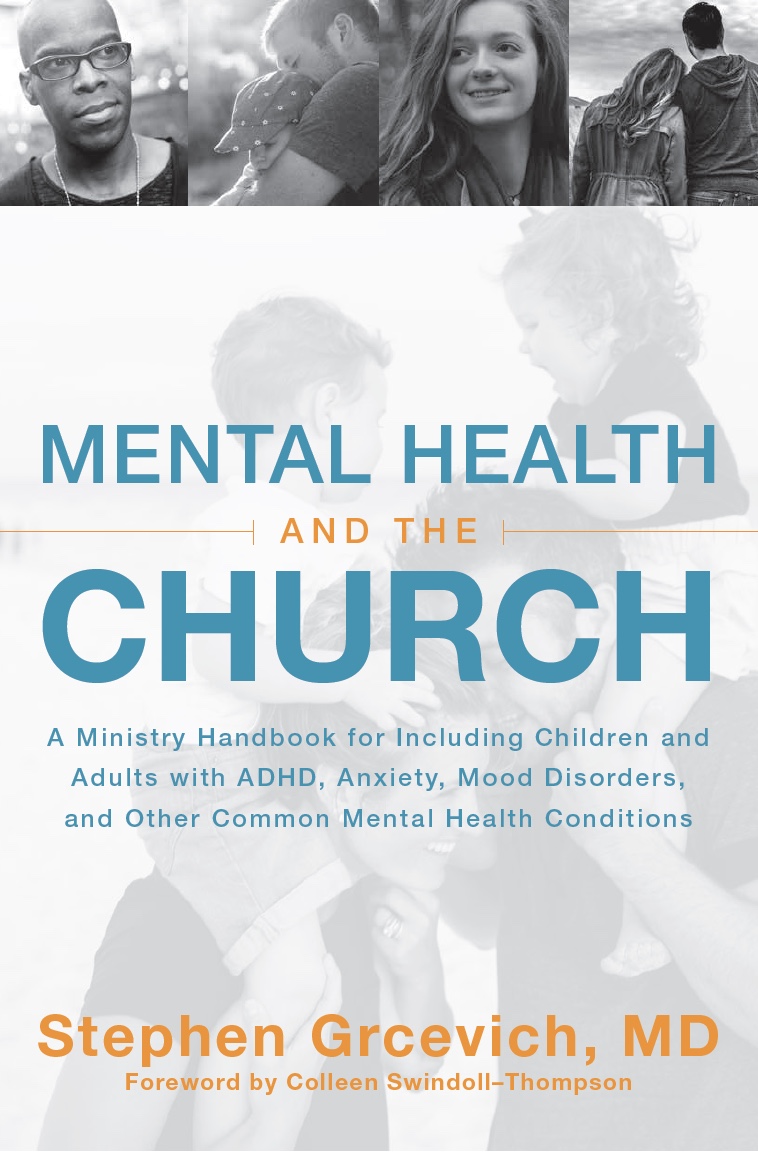
Let’s think about church for a minute and consider the reality that folks with mental illnesses have disabilities that cause them difficulty in some environments but not others. There are lots of things about the environments in which we “do church” that pose major barriers for a parent or child struggling with common mental health disorders.
Continue reading
Posted in ADHD, Advocacy, Anxiety Disorders, Families, Hidden Disabilities, Key Ministry, Mental Health, Strategies
Tagged ADHD, aggression, anxiety, Asperger's Disorder, Bipolar Disorder, church, Depression, Family Ministry, Inclusion, Joe McGinnis, Key Ministry, mental health, mental illness, ministry environments, Stephen Grcevich MD
1 Comment
Does your church inadvertently hurt people with mental illness? Guest blogger Amy Simpson
Unfortunately, many church leaders are ill-equipped to help people get the care they need. And while 25 percent of those who seek help from clergy have the most serious forms of mental illness, studies have shown that clergy refer less than 10 percent of them to mental-health professionals. On top of that, for every person who seeks help, many more stay silent, afraid to admit their illnesses to themselves or to risk the rejection of the people around them. Continue reading
Our kids (and families) aren’t defined by a diagnosis…
Your child is not defined by their diagnosis. They’re the same kid that they were when they got up this morning, with the same strengths, weaknesses, gifts and talents. As Christians, we’re defined by who we are in Christ. Their diagnosis is not their identity. Continue reading
 Church4EveryChild