Saddleback’s Gathering on Mental Illness and the Church to be available online…

Saddleback Gathering

Rick and Kay Warren are using their platform to call attention to the needs of families impacted by mental illness in the church.

On Friday, March 28th Saddleback Church will be hosting the Gathering on Mental Health and the Church from their Main Campus in Lake Forest, CA. The Gathering is a one-day event designed to encourage individuals living with mental illness, educate family members, and equip church leaders to provide effective and compassionate care to any faced with the challenges of mental illness.

Stanford_Color_HDIn addition to the Warren’s, Saddleback has assembled an excellent lineup of speakers, including two leaders who have previously guest blogged for us…Dr. Matthew Stanford from Mental Health Grace Alliance and Amy Simpson from Christianity Today.

We learned yesterday that the Gathering will be streamed live by the folks from Saddleback so that church leaders, advocates and family members everywhere can participate. Blog readers can follow this link to the conference website on the day of the event to find the live feed. Presentations begin at 11:30 AM Eastern, 8:30 AM Pacific Time.

Amy SimpsonThanks to the folks at Saddleback for making the Gathering available to us unable to travel to California! This conference looks to be essential viewing for anyone interested in the cause of those impacted by mental illness in the church.

***********************************************************************************************************

shutterstock_80344798Confused about all the changes in diagnostic terminology for kids with mental heath disorders? Key Ministry has a resource page summarizing our recent blog series examining the impact of changes in the DSM-5 on kidsClick this link for summary articles describing the changes in diagnostic criteria for conditions common among children and teens, along with links to other helpful resources!

Posted in Key Ministry | Tagged , , , , , , | Leave a comment

Why are so many parents open to ADHD medication for their kids?

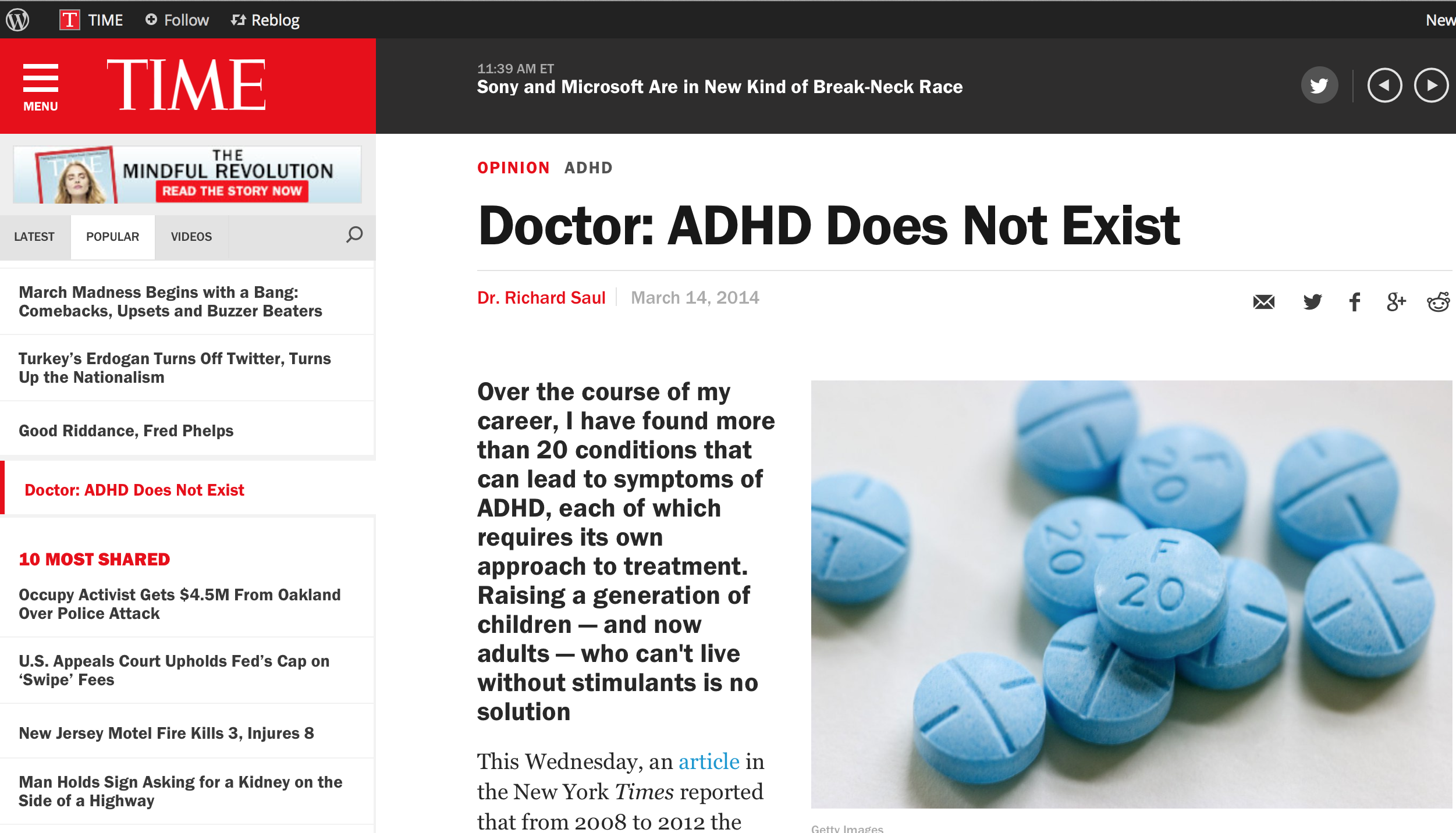
ADHD Does Not ExistOver the past week, two respected colleagues sent me links to the Time Magazine article pictured at right seeking my response to the attention-getting title of a new book on ADHD from a behavioral pediatrician in Chicago.

While I’ll address some some of the inaccuracies in Dr. Saul’s statements at the end of this post, I was drawn to what I think is a far more interesting question…Given the stigma that exists about the use of medication for ADHD, the difficulty involved in accessing physicians with the knowledge and expertise to properly treat the condition, the cost of doctors’ visits and prescription medication (once-daily ADHD medication can easily cost $2,500 a year or more) and the extraordinary hassles involved with getting insurance companies to pay for what’s needed, why are so many parents pursuing the use of ADHD medication for their children?

In my practice, the vast majority of parents who present seeking my assistance for their kids with ADHD are most fearful about the long-term consequences of their child’s inability to perform in school at the level one would predict from their intelligence and their family’s ability to support their academic success.

Between the kids and families I see in my day job and my current experience as the parent of a bright high school senior entering the final stages of the college selection process upon completion of thirteen years of public education, the stark realities of the world in which our kids are expected to function hit me in the face on a daily basis.

Steve's 50th 4The volume of academic work kids are expected to produce today substantially exceeds what was expected of students in earlier generations. In 1972, one in 20 high school seniors spent 10 or more hours per week on homework. By 1992, that number increased to one in four. I’ve previously shared this review article examining the research on homework. 80% of U.S. teachers see homework as a tool for teaching organizational skills. According to one study, 82% of U.S. teachers graded homework vs. 14% in Japan and 6% in Germany. A recent study from Stanford University suggests the homework problem may be especially acute at high-performing high schools. As a result, kids with relative weaknesses in organizational skills and the capacity to complete large amounts of work quickly and efficiently operate at a MAJOR disadvantage in academic settings. For many, family life is centered around homework completion. When relationships between kids and parents begin to break down around homework struggles, can parents be blamed for seeking out all possible solutions to the problem?

The competition for slots in desired majors/colleges is markedly more intense than in my generation. Here’s an interesting study examining college admission practices from researchers at Harvard University and the University of Michigan. Here are some key findings…

  • The proportion of applicants admitted to elite universities fell by about 25% from 1986 to 2003.
  • The likelihood of students being admitted to any college dropped by 9% during that period.
  • The percentage of applicants admitted to college with SAT scores below the 25th percentile and 50th percentile experienced the largest drop…by 43% and 23%, respectively.

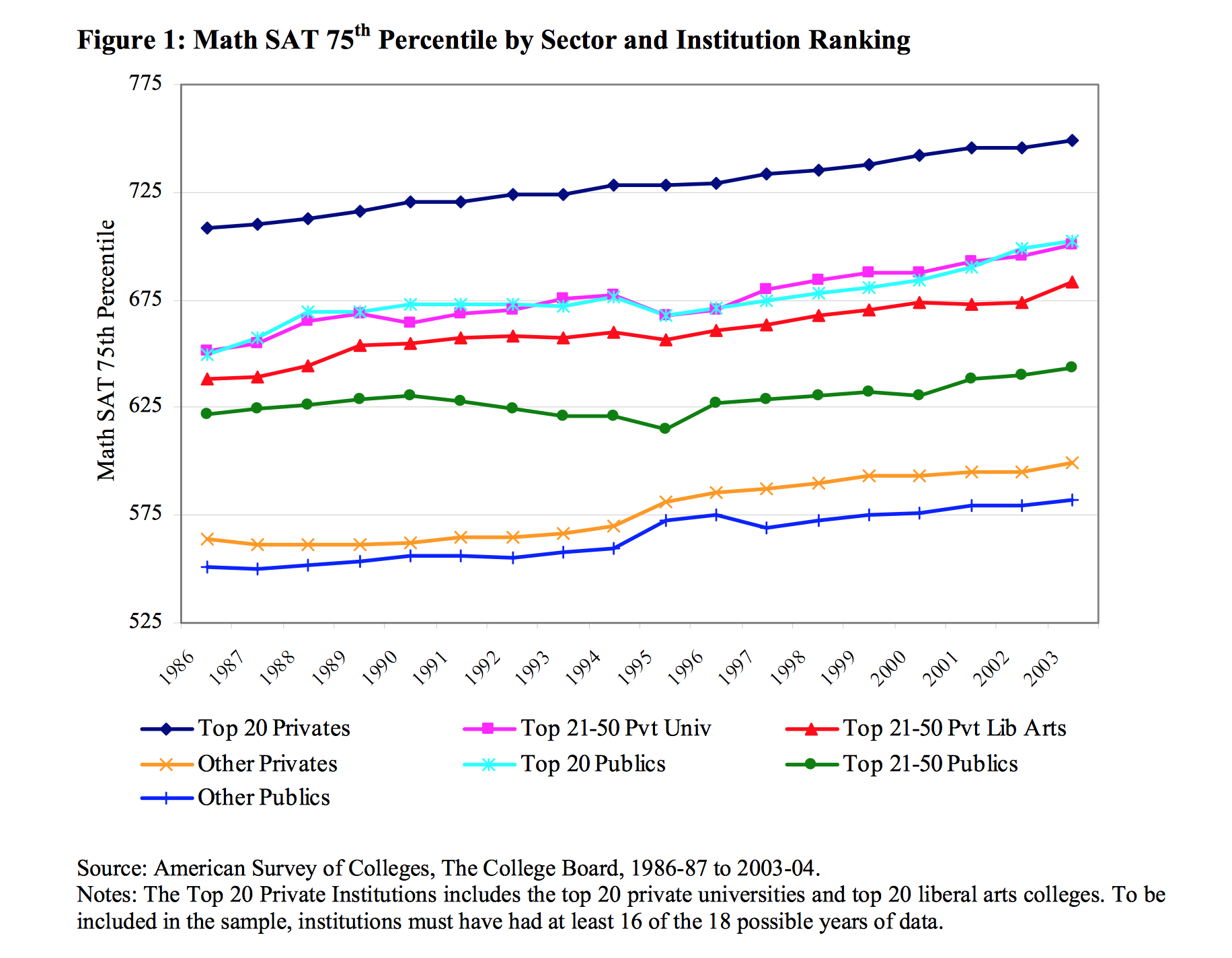
Here’s one graph from the report that demonstrates the increase in competitiveness in college admission, comparing the 75th percentile SAT math scores of students accepted to different types of colleges from 1986 to 2013…

College admissions by SAT score 1986-2003

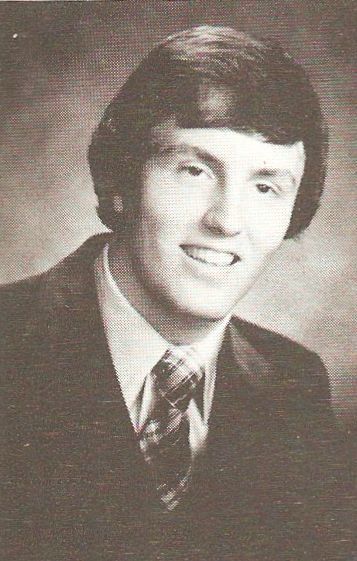
The consequences of suboptimal academic performance are far greater than they were when I was attending school. In 1972, only 29% of high school seniors applied to four year colleges…by 2004, this number increased to 53%. When I graduated from an elite public high school in 1979, a little over 60% of our class went on to college…but for those who did not, blue collar jobs were available in local auto and steel plants that paid solidly middle class wages. In 2012, the median wage for employed high school graduates was $9.50/hour…$2.00 above the Federal poverty line. Only three in ten high school graduates between 2006 and 2011 had found full-time employment by 2012.

Square Peg Round HoleThe end result is that the consequences of a lack of success in our educational system can be dire, and if we conceptualize kids having to pass through an ever-increasing number of “round holes” in our schools, the desperation of parents to get their “square peg” through those round holes is mounting. The end result is that parents pursue medication, tutoring, alternative schools and other approaches for their kids who struggle academically because they fear the long-term consequences associated with academic underachievement. 

A few thoughts on Dr. Saul’s provocative book title and article…

While I have no doubt that he and/or his literary agent came up with a catchy title that will sell lots of books, his opinion doesn’t appear to be supported by the data. From the American Academy of Child and Adolescent Psychiatry’s Practice Parameters for the Diagnosis and Treatment of ADHD

Upon reviewing the voluminous literature on ADHD, the American Medical Association’s Council on Scientific Affairs (Goldman et al., 1998) commented, Overall, ADHD is one of the best-researched disorders in medicine, and the overall data on its validity are far more compelling than for many medical conditions. Although scientists and clinicians debate the best way to diagnose and treat ADHD, there is no debate among competent and well- informed health care professionals that ADHD is a valid neurobiological condition that causes significant impairment in those whom it afflicts.

While Dr. Saul is correct in noting that there are lots of other conditions that can produce difficulties with attention, a thorough and detailed evaluation from a competent professional can generally differentiate these conditions from ADHD.

Finally, there is no evidence that large numbers of kids develop tolerance to the effects of stimulants. I’ve seen a few older kids develop tolerance who misused stimulants by dosing their medication to achieve around the clock effects. It’s also possible that some individuals on long-acting stimulants may develop some transient reduction in benefit from accumulating the drug in their system. Most patients who notice such an effect also notice the return of a robust response to medication if they take a brief medication holiday. Kids may occasionally require increases in medication dose as they get older because of increased expectations for academic productivity in middle school and high school. What many describe as “tolerance” is more accurately described as a environmentally-based change in demands upon executive functioning.

We know that lots of kids with relative weaknesses in their capacity to maintain attention when engaged in uninteresting tasks, kids with executive functioning weaknesses and kids with processing speed delays are struggling greatly to cope with the expectations they face on a daily basis in school. While we can all agree that kids who are struggling need a thorough evaluation from a competent professional who takes into consideration all the potential causes of the child’s difficulties, irresponsible statements that help to sell books but shame and blame parents acting out of fear and concern for their child’s well-being aren’t helpful.

***********************************************************************************************************

shutterstock_144843835Key Ministry has assembled a helpful resource page for church leaders and parents addressing the topic of ADHD and spiritual development. This page includes our blog series on the topic and links to helpful videos and resources for pastors, church staff, volunteers and parents. Access the resource page here.

Posted in ADHD, Advocacy, Controversies, Key Ministry | Tagged , , , , , | 4 Comments

A success story from one of our colleagues…

Melissa BartleyMelissa Bartley was led to a small church at the end of her street about five years ago after praying for a place to begin a respite ministry. She is now serving as Special Needs Ministry Director at Hurst Baptist Church and leads monthly Game Nights with an average attendance of 6 adults with special needs and one young boy. On Sundays, her church welcomes an average of 3-4 adults with disabilities per week. Three have prayed and accepted Christ.

Melissa sent us this message on Facebook following their worship service on March 2nd…

Awesome Sunday….I have to share.

We only had a handful of people at church because of the bad weather and I decided not to teach. During the Praise and worship service, one of the young ladies looked at me with tears coming down her face…during her favorite song. I talked with her for a minute and then got on my knees and prayed with her. She accepted Christ. After church, our pastor prayed with her (while I sat with her and held hands with her). He told her that this is a special moment and she should be happy. Our Pastor always enjoys these moments.

Thanks to Melissa for her faithfulness. Thanks to the leaders of her church who embrace the vision of her ministry.

Jesus intends for ALL of His churches…from the very large to the very small…to extend His love and grace to persons with disabilities and their families.

***********************************************************************************************************

Square Peg Round HoleKey Ministry has assembled a helpful resource on the topic of Asperger’s Disorder and Spiritual Development. This page includes the blog series Dr. Grcevich and Mike Woods developed for Key Ministry, links to lots of helpful resources from other like-minded organizations, and Dr. Grcevich’s presentation on the topic from the 2012 Children’s Ministry Web Summit. Click here to access the page!

Posted in Inclusion, Intellectual Disabilities, Stories | Tagged , , , , , | Leave a comment

An unexpected plot twist…”Movie with Max”

Movie with MaxThis past January, we shared with you the story of Emily Colson’s Christmas trip to the movies with her son, Max. As is the case with many children and adults diagnosed with an autism spectrum disorder, Max may experience distress when he’s exposed to excessive sensory stimulation.

In this interview with the Hallmark Channel, Emily described her family’s experience during the movie…

Emily’s blog post describing her experience went viral. Her website crashed from all the traffic. The Huffington Post picked up their story. Other disability ministry leaders put Emily’s post on their sites. I was taken aback by the treatment Emily and Max received in a day and age when society claims to be more tolerant and accepting of persons with disabilities.

The story of Emily and Max has taken an unexpected turn, thanks to the generosity of a woman who, along with the Colson’s attends North River Community Church in Pembroke, MA.

Renee Walston is renting out a local theater next Thursday evening for a showing of Muppets Most Wanted that Max will be attending, along with many other kids and young adults with disabilities, joined by members of the general public. Renee started off by renting a 94-seat theater. Six days prior to the scheduled event, a 300-seat theater is nearly sold out. Renee described to a local reporter her reasons for buying out the movie theater…

“As Christians, we’re supposed to love our neighbor as ourselves,” she said. “I just thought that if it were my child, I would have to find a way to make this right for him.”

Emily and Max are fortunate to belong to a church where their presence and involvement are valued and desired. Not all families of kids with disabilities are so fortunate. Quoting from Emily in the video…

“I had a lot of parents, hundreds of parents that contacted me and said thank you for sharing this story, because this happens in my family, it happens in the community, it might look different but it even happens in our church that we can’t find our way in and people feel like you’re disrupting us.”

Emily is assuming a vital role in sharing Max’s story to advance the cause of inclusion of persons with disabilities in the church. Our team at Key Ministry is honored to have been given the opportunity to come alongside Emily in that task.

Emily Colson largeOn Wednesday, April 2, Emily will be joining us as our guest blogger in honor of Autism Awareness Day. On the following Monday (April 7th), Emily will be joining us for the next installment of our Inclusion Fusion Web Symposium. We’ll have an opportunity to sit down with Emily and listen as she shares her family’s experience prior to finding a church where they were welcomed and accepted, and we’ll hear of the unique and wonderful ways that Max has been a blessing to the people of his church. Emily will be available at designated times throughout the day to chat online with others interested in her family’s story, and we’ll be offering our participants the opportunity to share their stories as well.

We’re grateful that God appears to be orchestrating a very happy ending to this installment in Max’s story!

Updated 3/20/14, 10:15 PM: Here’s a link to an interview with Emily and Renee from tonight’s evening news on the Fox affiliate in Boston.

***********************************************************************************************************

Dancing With Max BookWith candor and wit, Emily Colson shares about her personal battles and heartbreak when, as a suddenly single mother, she discovers her only child has autism. Emily illuminates the page with imagery—making you laugh, making you cry, inspiring you to face your own challenges. Chuck Colson, in his most personal writing since Born Again, speaks as a father and grandfather. It is a tender side Max brings out of his grandfather, a side some haven’t seen. As Emily recalls her experiences, we discover that Max’s disability does not so much define who he is, but reveals who we are. Dancing with Max is not a fairy tale with a magical ending. It’s a real life story of grace and second chances and fresh starts in spite of life’s hardest problems. And Max? Max will make you fall in love with life all over again, leaving you dancing with joy. Dancing With Max, available at Amazon.

Posted in Advocacy, Autism, Families, Hidden Disabilities, Inclusion, Inclusion Fusion, Stories, Training Events | Tagged , , , , , , , , , , , | Leave a comment

Components of a ministry strategy for including kids with mental illness at church

Church pewsIn the eighth segment of our Winter 2014 blog series Including Kids and Teens With Mental Illness at Church, we look at the components of an effective ministry strategy for outreach and inclusion of children and teens with mental health concerns at church.

For the first seven segments in this series, we’ve examined in depth the obstacles families of kids with mental illness experience if they desire to attend church…social isolation, social communication, executive functioning, sensory processing, reluctance to self-identify, the desire of kids to not be seen as “different” from peers and parents with mental illness. Today, we’ll look at five key components of any effective ministry strategy for including them at church.

  • The strategy would be outwardly-focused. For reasons that we’ve described over the last few weeks, the families we seek to serve aren’t going to come to us. Many may have been hurt by their past experiences at church. We need to reach out into the community to them.
  • The strategy would promote integration of families into the relational fabric of the local church. Families struggling with mental illness can easily disappear from church unnoticed during difficult times. Caring friends are essential for helping families stay connected to church.
  • The strategy would afford families the ability to experience “church” in the environments best suited for them. Ideally, families would be able to connect with church in the sensory environment of their choosing with an intensity of social interaction within their  comfort zones.
  • The strategy would promote inclusion at weekend worship services and other church activities without the need for kids/families to self-identify. The best solutions will provide benefits to persons both inside and outside the local church with and without disabilities and will have broad appeal beyond the disability community.
  • The strategy would be simple for churches to implement at a modest cost in money and volunteers. Church leaders are confronted with an impossible array of ministry needs and opportunities. An effective strategy is one that churches can implement without shifting volunteers and resources away from other critical ministry opportunities.

Next…A bold experiment

***********************************************************************************************************

Emotional girlConfused about all the changes in diagnostic terminology for kids with mental heath disorders? Key Ministry has a resource page summarizing our recent blog series examining the impact of the DSM-5 on kidsClick this link for summary articles describing the changes in diagnostic criteria for conditions common among children and teens, along with links to other helpful resources!

Posted in Inclusion, Key Ministry, Mental Health, Strategies | Tagged , , , , , , , , , | Leave a comment

Emily Colson to keynote Northeast Ohio disability ministry event…

ColsonsOur Key Ministry team is pleased to help spread the word about the appearance of our friend and colleague Emily Colson at the Building God’s Kingdom through Disability Ministries conference, scheduled for Saturday, March 29th from 8:30 AM to 3:00 PM, at Hope Community Church, located at 3033 Middleton Road in Hudson.

image002The conference is sponsored by the Central District of the Christian & Missionary Alliance, Zanesville C&MA Church and the Alliance Development Fund. In addition to Emily, who will be serving as the Keynote speaker as well as participating in a question and answer forum to conclude the conference, featured speakers will include Deb Petermann from Joni and Friends Ohio, as well as Laura Davis and Annette Newcome of Zanesville C&MA’s Caring Hearts Disability Ministries and members of Hope Community Church’s Chosen Ministry.

Emily ColsonEmily is a popular speaker, and author of the award winning book, Dancing with Max. She speaks in churches and organizations nationwide, and has appeared on numerous media outlets including Focus on the Family, the Huckabee Show, and Hallmark’s Home & Family. In her book, Emily and her father, Chuck Colson, shared the struggle and beauty of life with Max, Emily’s 23 year-old son with autism. The book has recently been awarded “Book of the Year” by the Autism Society. Through her powerful message of the sanctity of life, Emily has inspired many to persevere through their own challenges and see the gifts. Emily has been a single mother for most of Max’s 23 years, with hard fought lessons in faith, life, love and a whole lot of laughter. Emily and Max live on the coast of New England where they can often be found dancing.

Inclusion Fusion updatedFor those of you outside Northeast Ohio, Emily will be serving as our guest blogger for Autism Awareness Month, and will be our featured speaker in April for our Inclusion Fusion Disability Ministry Web Symposium. More to come on that later this week…

ZendPlease join us in welcoming Emily, Deb, Laura and all the speakers scheduled for the disability ministry training event at Hope Community Church on Saturday, March 29th. You can download the conference brochure here, including a registration form. The registration charge is $10 (including lunch and materials). The conference organizers would appreciate RSVPs by March 21st so they may plan lunch, but I’ve been assured that anyone who registers on the day of the event will be welcome. For questions or additional registration info, please contact Denise Phelps at Zanesville C&MA Church at (740) 454-3210, or e-mail her at dkp.ycity@yahoo.com.

***********************************************************************************************************

Square Peg Round HoleKey Ministry has assembled a helpful resource on the topic of Asperger’s Disorder and Spiritual Development. This page includes the blog series Dr. Grcevich and Mike Woods developed for Key Ministry, links to lots of helpful resources from other like-minded organizations, and Dr. Grcevich’s presentation on the topic from the 2012 Children’s Ministry Web Summit. Click here to access the page!

Posted in Resources, Training Events | Tagged , , , , , , , , , , | Leave a comment

Now that I’m the parent of an adult…

LeahAs of this morning, I’m officially the parent of an adult child.

Time goes by very quickly. It doesn’t seem like eighteen years ago that we were hanging balloons in the office to celebrate Leah’s arrival.

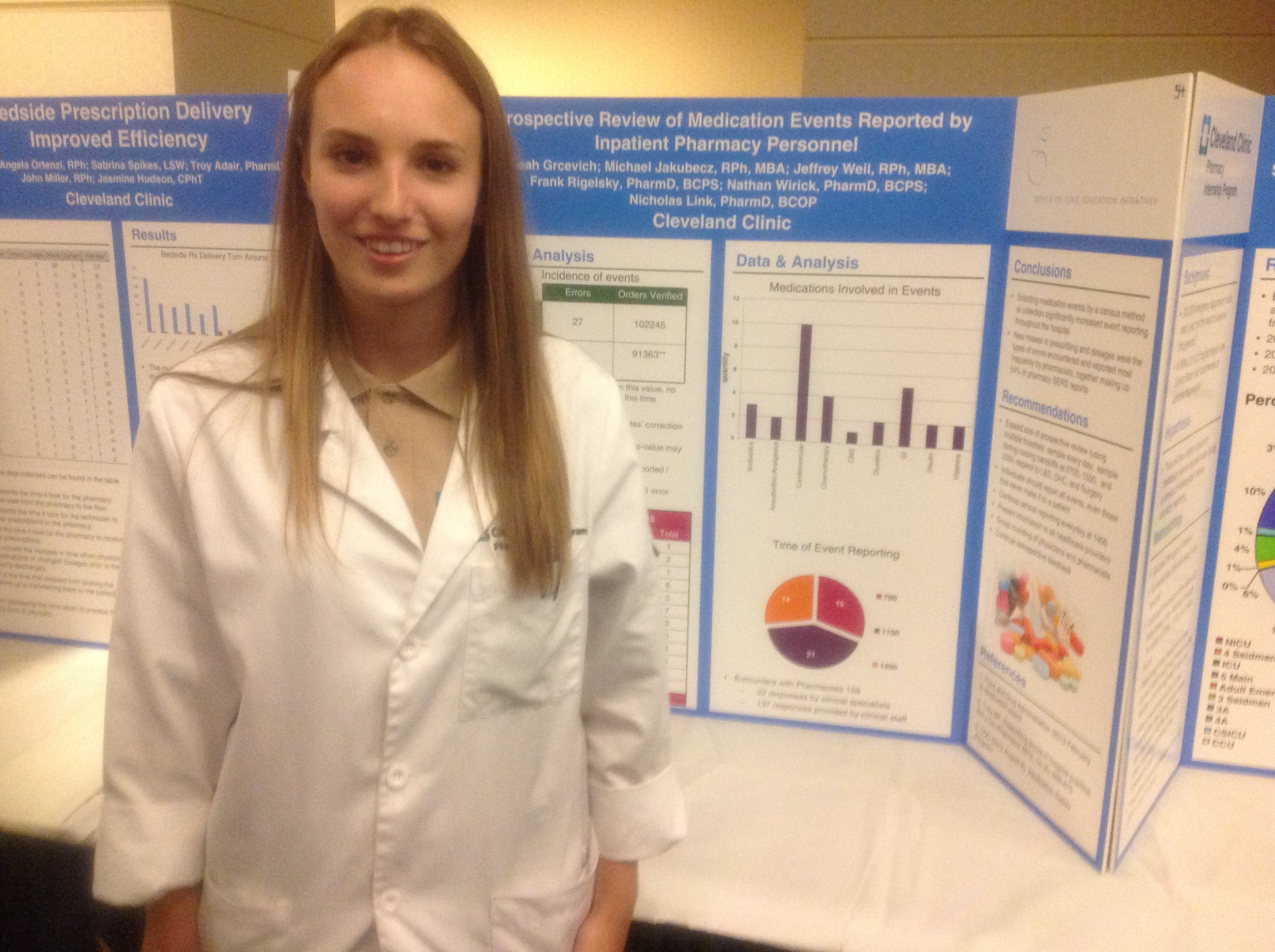
It would be difficult for me to be more proud of the person Leah has grown up to be. She has an incredible work ethic. She’s maintained commitments  to her dance team, her Science Olympiad team, her music, her volunteer work, her work at Cleveland Clinic , and hopefully…her twelfth and final season on her summer swim team. She’s never backed down from any academic challenges. Her accomplishments through high school are more substantial than mine were at her age.

I’m most impressed by Leah’s wisdom and character. She makes good choices. I don’t worry about her judgment when she’s out on the weekend.

American GirlMy favorite story to share involving Leah took place when she was nine years old. The family came along with me when I was in Chicago giving a lecture…our trip included the obligatory stop at the original American Girl store on Michigan Avenue. She was usually very excited to be in the store but became edgy and teary-eyed when I asked her what she wanted to buy…answering that she preferred not to buy anything but instead wanted to save her money until she could buy the spectacular dollhouse she wanted.

American Girl 2Leah had actually saved enough money to pay for the dollhouse… but she gave it all away weeks before at Vacation Bible School when the kids were raising money for wheelchairs for kids in third-world countries through the Wheels For The World program operated by Joni and Friends. Let’s just say that Leah’s generosity was rewarded…and my wife got to see Ozzy Osbourne get into the car parked in front of us as I was loading the dollhouse into the back of our SUV.

When our kids were young, my wife and I did something that was difficult for us. We decided to transition out of our church that we liked a great deal to begin attending a church closer to our home, largely because we wanted our kids to have a Christian peer group in school. I think the decision worked out pretty well, but not for the reasons we intended.

There were two things about Leah’s church experience that were really important…

First, she was given the opportunity to serve. For the past five years, Leah has gotten up early to teach the preschool Sunday School class at her nearby church. She and I will joke about her “minions” and just how many goldfish crackers it took to placate her kids on any given Sunday. I believe her offer to donate $100 to Key Ministry if I could manage her kids for one Sunday without resorting to the use of medication is still good. And while her lessons probably weren’t of the depth that one would experience at Dallas Seminary, I can’t help but think that having a really smart, successful girl spend time with them every week reinforcing what their parents were teaching them at home about Jesus couldn’t help but to have made a big impact.

Kristoff'sSecond, she had adults from outside our family who were willing to spend time with her and to reinforce the beliefs and values that my wife and I were seeking to communicate at home. I’m very appreciative of Jim and Audrey Kristoff for opening their home and opening themselves to Leah and a bunch of high school kids for the last four years, along with John and Bayley and Bridget and Sally and Keith and the other adults from her church who invested their time in her. It takes a church…two churches in Leah’s case…to come alongside a family as they raise a child.

IMG_0393While we’re not quite sure where Leah will be this coming Fall, she’ll be taking the next steps toward her goal of becoming an outstanding physician/researcher. She’ll be a credit to the medical profession. Above all, I’m confident Leah will go on to honor God and serve His purposes in her generation.

Happy Birthday Leah! Your mom and dad couldn’t possibly be more proud of the person you’ve grown up to be.

Posted in Families, Stories | Tagged , , , , | 1 Comment

What if a parent ALSO has mental health issues?

Apple far from treeToday, we offer the seventh segment of our Winter 2014 blog series Including Kids and Teens With Mental Illness at Church, with a look at the challenges presented when kids with mental illness have parents with significant mental health conditions that interfere with the entire family’s ability to attend church.

I’ve never been out hunting, golfing or skiing, despite the reality that a fair number of my friends and neighbors engage in all of those activities on a regular basis. Why not? Neither my family nor my wife’s family ever did any of those IMG00032-20090507-2122activities when we were young. My father was an athlete as a young man who took me with him during my growing up years when he worked as a public address announcer in stadiums and arenas near our home. My experiences attending sporting events with my dad probably explains why my free time as an adult has been spent as a disgruntled season ticket holder for our three “professional” sports teams here in Cleveland. What we do with our parents in our youth forms traditions  and routines that we in turn share with our kids.

Any effective strategy to include kids with mental illness or trauma histories at church needs to take into consideration the barriers that have excluded the child’s parents or caregivers from attending church. After all, if Mom or Dad aren’t coming to church, it’s highly unlikely that their kids will be coming to church. And when we’re talking about kids experiencing mental health concerns that keep them from church, there’s a reasonable possibility that their mother or father experienced or continue to experience similar difficulties that kept them from attending church.

60-90% of the risk for ADHD is attributable to genetics. Roughly one in three children of parents with schizophrenia, bipolar disorder or depression will develop a serious mental illness…and not necessarily the same mental illness as their parent. A parental history of anxiety (especially maternal history) contributes to a two to seven-fold increase in the risk for anxiety in their offspring. When we take into consideration the impact of our children’s and youth ministry environments in our inclusion strategy for kids with mental illness, we should also consider the impact of the ministry environments their parents need to navigate.

Here’s an illustration I shared during a recent church training…it’s a great exercise for pastors or ministry leaders in thinking about just how many potential barriers to church participation exist for families in which a child and/or a parent experience significant mental health concerns…

ID-100111764Debbie is a single mom living down the street from your church with her twelve year-old daughter and eight year-old son. Her son (completely neurotypical) is invited to your Vacation Bible School by one of his friends from school, has a great time and wants his family to come to church every week. Debbie has Social Anxiety Disorder and Panic Disorder with Agoraphobia, while her daughter has Separation Anxiety Disorder. 

What difficulties might Debbie experience in…

  • Navigating her way around church for her first few visits?
  • Registering her kids for age-appropriate ministry activities?
  • Sitting through a worship service in a sanctuary/auditorium filled to near capacity?
  • Responding to a welcoming phone call from your hospitality team?
  • Participating in a small group?
  • Participating in a family service activity?
  • Participating in a multi-family activity?

What difficulties might Debbie’s daughter experience in…

  • Separating from her mother for her age-appropriate worship service?
  • Attending the middle school retreat?
  • Participating in the middle school mission trip?
  • Doing the weekend “lock-in” at church?

Ministry to kids with mental illness is frequently (out of necessity) family ministry.

Next: What might an effective solution look like? 

Photos courtesy of http://www.freedigitalphotos.net.
***********************************************************************************************************

Anxious kidKey Ministry has assembled a helpful resource page for church leaders and parents addressing the topic of Anxiety and Spiritual Development. This page includes our blog series on the topic, Dr. Grcevich’s presentation at the 2013 McLean Accessibility Summit and links to lots of helpful resources.  Click here to access the page!

Posted in ADHD, Anxiety Disorders, Families, Hidden Disabilities, Key Ministry, Mental Health, Ministry Environments | Tagged , , , , , , , | Leave a comment

Special Needs Ministry: Salt Block or Salt Shaker?

SaltBlockMike Woods has graciously agreed to serve as a resource to churches requesting assistance from Key Ministry. In Mike’s role with us, he’ll be sharing a monthly blog post focusing on how churches can incorporate a “missional” approach to special needs ministry and become more effective at serving persons with disabilities and their families beyond the walls of the local church. Here’s the first installment in Mike’s series…

Years ago, growing up in Texas, I remember noticing that there were horses out in a pasture licking a salt block that had been set out for them. I didn’t know much about salt blocks, just that a friend said that the horses needed one.

He said that salt blocks were used to supplement possible low sodium and chloride levels in a horse’s diet. The idea was that the horse would have a natural instinct to know when it needed salt and come to the block when the need would kick in.

Last year, during Exponential 2013, it occurred to me that that’s pretty much the way we do special-needs ministry…salt block style. We create a special-needs ministry within a local church and then say to the community around us:

“Here we are, come and get it!”

Many of you are familiar with the passage were Jesus talked about us being the salt of the earth:

Let me tell you why you are here. You are here to be salt-seasoning that brings out the God-flavors of this earth…

Matthew 5:13 (MSG)

You’ve heard this before: salt has two primary uses. Preserving and flavoring.

It is the flavoring aspect that Jesus was highlighting in this passage. He was saying that our very presence in the community be like seasoning to the God-flavors of life. We are to be the spice of life in the disability community.

The challenge is that too often our saltiness gets isolated in ministry that only occurs at church. It gets packaged up in the building(s) we call church, or in an event or ministry that only occurs at the church. If you’re not careful you can become conditioned to think that the main goal is to get people to come and take a lick at your salt block.

Let me share a salt-block lesson that I learned during 2013.

Joy Prom OrlandoIn May 2013, First Baptist Orlando hosted an event called Joy Prom. Joy Prom is a prom for teens and adults who have a disability and may not ever have experienced their prom while in high school. It comes complete with a red carpet welcome, food, live music and dance, boutonnieres and corsages, makeup for the girls, shoe shines and ties for the men, and prom photos! At our Joy Prom we also added a caregiver appreciation room with quiet music, food, and massage therapists for parents and caregivers. The Joy Prom took up the entire ground floor of Faith Hall and also several large rooms on the 3rd floor.

There were 400+ differently-abled teenagers and adults that attended our Joy Prom. Including volunteers, there were 700+ people at this event! Joy Prom was a wild success and everybody had a wonderful time.

Two weeks after our Joy Prom, we purchased custom frames for individual Joy Prom photos and our congregation personally delivered them to our prom guests along with an invitation to our church.

Before our Joy Prom I would’ve told you that I at least expected 10% of the attendees to return to First Baptist Orlando. First Baptist Orlando is a very welcoming church, we provided a first-class event for those with special needs, and we already have an established special-needs ministry for children, teens, young adults, and older adults.

As it turns out, less than 5% of the Joy Prom attendees returned to First Baptist Orlando as our guests. 95% have never set foot back on our church campus.

A “salt block” lesson learned for me. This isn’t to say that you shouldn’t invite others to your special-needs ministry on Sunday or to a special-needs ministry event such as Joy Prom at your church. You most certainly should!

The challenge is that Sunday morning success, or church-event success, can end up becoming the dominant strategy to share with others the love of Christ: a salt block approach. This is the way it is in a lot of church-based special needs ministries. We operate primarily, almost exclusively, as salt blocks. Paid staff and/or volunteers knock themselves out, week to week, trying to offer the best ministry possible to get both Christian and non-Christian to attend. And that’s a good thing. It’s a needed thing.

But…is it the only thing?

My wife, Linda, is great in the kitchen and rarely does her cooking need anything but a knife and fork. But we always have a salt shaker set on the table just in case someone wants it. It would be silly to think of her setting a salt block on the kitchen counter and telling our family, “If you need any salt, just go over there and take a lick.”

I don’t know about you, but at our house we don’t go to the salt, we bring the salt to the food!

So why not start applying the same philosophy to special needs ministry?!

Salt shakers have lots of different looks and come in various sizes and shapes, but they are all based on a simple concept. They exist to spread seasoning over a broad surface.

To be God’s salty people, we don’t have to abandon special-needs ministry at church, but we must start thinking beyond the boxes and blocks of our church buildings and events.

For this reason, throughout 2014, I’ll be focusing on a “salt shaker” approach to special needs ministry…figuring out ways to sprinkle some salt around our disability community! I hope you’ll come back to Key Ministry’s blog and read about how we’re doing this and to share your ideas!

***********************************************************************************************************
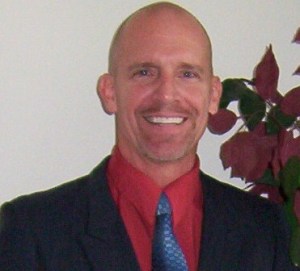
Mike WoodsIn addition to consulting for Key Ministry, Mike Woods currently works as the Director for the Special Friends Ministry at First Baptist Orlando.

Prior to joining First Baptist Orlando, Mike worked for nine years as the Autism and Inclusion Specialist for a large St. Louis school district. Mike has also worked as a Parent Training Specialist for the nationally known Easter Seals agency: LifeSkills. He’s a Board Certified Associate Behavior Analyst (BCABA) and senior-level certified Crisis Prevention Instructor. Mike has conducted workshops for a variety of churches, several national level autism conferences, and various annual state conferences on topics pertaining to autism.

Christ-follower, husband, dad, choco-holic, and peanut-butter lover! Mike is passionate about faith and special needs. Mike is happily married to his lovely wife Linda and is the father of three wonderful boys, all three of whom are on the autism spectrum (yes, all three!)

Posted in Advocacy, Inclusion, Intellectual Disabilities, Strategies | Tagged , , , , , , , | 4 Comments

Online Church for families impacted by disability…TODAY at 1:00 Eastern

Inclusion Fusion updatedUPDATE: Nils Smith will be joining us at 1:00 PM Eastern and 9:00 PM Eastern for an interactive chat! Apologies for our technical difficulties earlier in the day.

Please join us on Thursday, March 6 for our first Inclusion Fusion Web Symposium as Nils Smith and I discuss the topic… Is Online Christian Community Really Community. The interview with Nils was prerecorded and will be available every hour on the hour from 1:00 PM Eastern Time on Thursday until midnight Eastern Time on Friday. Nils will be available for an interactive chat from 1:00 PM-2:00 PM Eastern (11:00 AM-1:00 PM Central) and from 9:00 PM-10:00 PM Eastern (8:00 PM Central, 6:00 PM Pacific). We’re going to be talking about his experiences as an online church pastor, and initiating a lively discussion about how online church campuses might be used as a tool for local churches to reach out into their local communities to make connections with families impacted by disabilities.

We’ve made some changes to make it as easy as possible for pastors, church staff, volunteers and families to join us for Inclusion Fusion…

No preregistration is required! Simply click on this link, or head over to http://go.mediasocial.tv/keyministry

Once you’re on our site, you can update your Facebook status and invite your friends who might be interested in joining our conversation without ever leaving the site…it’s that easy!

578524_10151266419728410_502320352_nWe’re very blessed to have Nils join us for this conversation! He truly is among the world’s leading experts in online church experiences. His wisdom and expertise is sought out by churches nearly everyone would recognize, and his experience in serving Life Without Limbs affords him a unique perspective on the application of technology in disability ministry.

Please join us on Thursday, March 6 for a preview of our Inclusion Fusion Web Symposium and a thought-provoking discussion with Nils Smith!

***********************************************************************************************************

Social Media Guide to MinistryIn his book, Social Media Guide For Ministry, Nils Smith presents an excellent overview of applications for social media in ministry. Nils’ book is an excellent resource for church or parachurch teams and Board members considering social media as a tool for expanding the impact of their ministry. It’s an easy read in an hour or less and provides just the right amount of information most leaders need to move forward. Available through Group Publishing and at Amazon.

Posted in Advocacy, Hidden Disabilities, Inclusion, Inclusion Fusion, Key Ministry, Mental Health, Resources, Strategies | Tagged , , , , , , , , , , | Leave a comment