A success story from my church…

BPCFor those who spearhead the cause of inclusion of kids with disabilities at church, ministry frequently involves countless hours of work, lots of frustration and little in the way of immediate reward. I saw the following story in my church bulletin this morning and wanted to share it to remind everyone how much of a difference inclusion ministry done well can make in the lives of the families served. Kudos to Beth Golik and her crew at Bay Presbyterian Church for a job well done! Thanks as well to the Board, elders, pastoral staff and ministry leaders who place high priority on making this type of ministry available to kids and families in the Greater Cleveland area.

My son has mild autism and ADHD so his learning style is unique to that of others. The concept of God and faith is complicated and even more so for a concrete thinker. I wanted more than anything for him to develop a relationship with God and follow in my Catholic footsteps. The religion classes he was attending were two hours long – too long for someone who needs lessons broken down into smaller chunks, and too long for someone who cannot sit still without frequent breaks.

The teacher tried tolerating him but the kids began picking on him. One day he just started crying and said he didn’t want to go back. This experience made my son feel anger towards God. “Why did he have to make me this way?” “I don’t know if I will be able to go to Heaven but I will try.”

It seemed as if Heaven suddenly became “a pie-in-the-sky” for a little boy who was always getting in trouble and needing several redirections. Sadly, Hell was our next-door neighbor.

photoI first learned about Bay Presbyterian Church through the International Music Fest and decided to contact the church for help. We decided to try the Special Needs Ministry here at the church and the first day I took my son he kicked and screamed the whole way there. But to my surprise, when we were walking to our car afterwards he said “I love you God.” Just hearing him say that made all the difference. We no longer have fights about going to church, now he wants to go to church each week.

I think that what makes the volunteers so unique at Bay Presbyterian Church is that they treat each individual with respect, patience and kindness. My son picked up on that right away. They taught him that God loves him and that he is special (not different, wrong or bad), and he wants to learn about God and learn at his own pace. He wants to say prayers and pray for himself and others. Heaven doesn’t seem like a pie-in-the-sky anymore – his relationship with God is blooming. I am so grateful that God led us to this wonderful church and hand-picked such a special group of volunteers that are making a lifelong impact on these kids. I am at peace that my son has found a place in this world where he feels welcomed, valued, has friends he cares about and most importantly is developing a meaningful relationship with God.

Editor’s note…We in no way are singling out the Catholic church for criticism by sharing this story-some Catholic parishes we serve are among the greatest champions of including kids with disabilities. Sadly, this family’s prior experience before coming to BPC could have occurred in a church of any Christian denomination or tradition.

***********************************************************************************************************

Square Peg Round HoleKey Ministry has assembled a helpful resource on the topic of Asperger’s Disorder and Spiritual Development. This page includes the blog series Dr. Grcevich and Mike Woods developed for Key Ministry, links to lots of helpful resources from other like-minded organizations, and Dr. Grcevich’s presentation on the topic from the 2012 Children’s Ministry Web Summit. Click here to access the page!

Posted in ADHD, Autism, Stories | Tagged , , , , , , , , | 1 Comment

Can you keep a secret?

KM training platformOur crew at Key Ministry has been working on a little surprise for the churches we serve and the larger disability ministry community for the last six months…actually four separate surprises to be exact. And we’re ready to share a sneak preview of the first surprise tonight at 9:00 PM Eastern (8:00 Central, 6:00 Pacific) with our blog readers, Twitter followers and Facebook fans. You can find it through clicking this link.

We’ve been wanting to develop a cost-efficient way of taking our training to church staff, pastors and volunteers everywhere…and we wanted to share our solution with like-minded leaders and organizations in the disability ministry movement.

We’re doing a beta test tonight of a disability ministry training platform that will allow us to prerecord video training that will be accompanied by the availability of live chat with the presenters who developed the training. The site is integrated with Facebook…if someone is participating in a training that may be of interest to friends and colleagues, they can “share” the training within seconds by posting to their Facebook wall. We will also have the capacity to lifestream through this site…our team will be able to train churches live anywhere high speed internet is available without leaving our alpine paradise here in Chagrin Falls!

RebeccaTomorrow is Rebecca Hamilton’s last day with us. Rebecca has been a passionate advocate for respite outreach during her time with us, and our team wanted her to have the honor of being the first leader to train on the new platform. We’re going to share a series of videos she helped develop for churches interested in providing respite to families this evening. While the video is playing,  Rebecca will be available to chat live. Join us tonight for a discussion of respite outreach and help us to find the bugs in our new training platform by joining us here at 9:00 PM Eastern time. If you look carefully tonight, you may see hints of the other three surprises we’re rolling out this late winter/Spring!

***********************************************************************************************************

shutterstock_118324816Confused about all the changes in diagnostic terminology for kids with mental heath disorders? Key Ministry has a resource page summarizing our recent blog series examining the impact of the DSM-5 on kidsClick this link for summary articles describing the changes in diagnostic criteria for conditions common among children and teens, along with links to other helpful resources!

Posted in Key Ministry, Resources, Strategies, Training Events | Tagged , , , , , , , | Leave a comment

Sensory processing as a barrier to “doing church”

shutterstock_173700593In the fifth segment of our Winter 2014 blog series Including Kids and Teens With Mental Illness at Church, we’ll introduce our readers to the challenges kids and teens with sensory processing difficulties experience in attending church.

Sensory processing disorder is not currently recognized as a stand-alone medical condition, but sensory processing difficulties are common among children and teens with autism spectrum disorders, ADHD and anxiety disorders. Estimates suggest that 5% or more of children and teens in the U.S. experience significant functional impairment as a result of sensory processing.

Kids with sensory processing differences are overly sensitive to sound, light, touch and taste than their same-age peers. They often experience difficulty with gross and fine motor coordination. They may be very particular about the feel of clothes against their skin, may overreact when touched by others, and often experience loud noise or potent smells (perfume or cologne) as noxious. They may be extremely picky eaters. They frequently struggle to sit still. They often experience more difficulties with sensory processing…and more distress in unfamiliar environments.

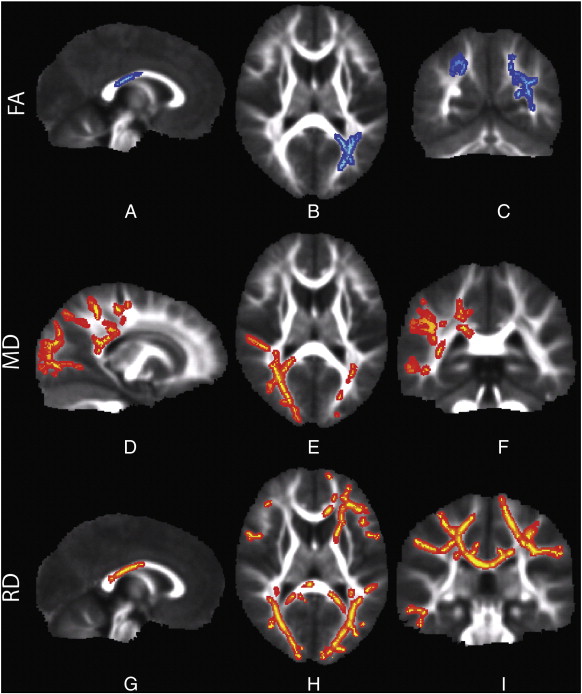
1-s2.0-S2213158213000776-gr2A recent study by investigators from the University of California, San Francisco demonstrated quantifiable differences in brain structure among kids with sensory processing disorder, indicating a biological basis for the condition that sets it apart from other neurodevelopmental disorders.

Ministry environments that some kids find engaging may be experienced as noxious by children with heightened reactivity to sensory stimulation. Let’s consider the range of potential situations that would present challenges to families of kids with sensory processing difficulties.

  • shutterstock_151284752The process of arriving at church…Churches are busy, noisy places on Sunday mornings. Lots of people crowded together in a confined space before and after worship services results in a high decibel level and lots of bumping and touching. One church where we trained established a separate “sensory entrance” to their children’s ministry area, away from the hustle and bustle of their main check-in location.
  • f77fc902f0ffff8a9dc080bff842bdddThe portions of the service dedicated to worship through song…In an effort to capture the attention of kids who spend much of their week preoccupied by electronic devices, some churches have resorted to very high-energy worship experiences for children and youth involving very loud music and bright lights. While this approach works for many kids, those with sensory processing differences may experience such a worship service as distressing. They may have difficulty standing for long periods of time or performing the hand gestures that accompany the music. One church developed a novel alternative for one of my patients with an auditory processing disorder…they gave him an orange vest and put him on the parking team! He’d typically finish his job around the time the last song was winding down, allowing him the ability to attend the large group teaching and small group discussion that followed the worship service.
  • shutterstock_125481890Sitting in an adult worship service…The need to sit still for extended time in less than comfortable seating would represent a major challenge for kids with sensory processing difficulties. In Catholic churches, attendees typically shake hands with those in their immediate area as a sign of peace and incense may be burned on special occasions.
  • Special events…Vacation Bible School typically combines high levels of physical activity with high levels of sensory stimulation. Weekend retreats and mission trips in outdoor camp environments without the creature comforts of home may be very difficult for kids with sensory processing differences.

Our former colleague and well-known disability ministry expert Harmony Hensley authored a two-part guest blog early last year (available here and here) on Church…A Hostile Environment? All too often, church represents a hostile environment for kids with sensory processing difficulties and their families.

***********************************************************************************************************

Square Peg Round HoleKey Ministry has assembled a helpful resource on the topic of Asperger’s Disorder and Spiritual Development. This page includes the blog series Dr. Grcevich and Mike Woods developed for Key Ministry, links to lots of helpful resources from other like-minded organizations, and Dr. Grcevich’s presentation on the topic from the 2012 Children’s Ministry Web Summit. Click here to access the page!

Posted in Autism, Hidden Disabilities, Key Ministry, Ministry Environments | Tagged , , , , , , , , , | 1 Comment

Key Ministry training at Parkside Church

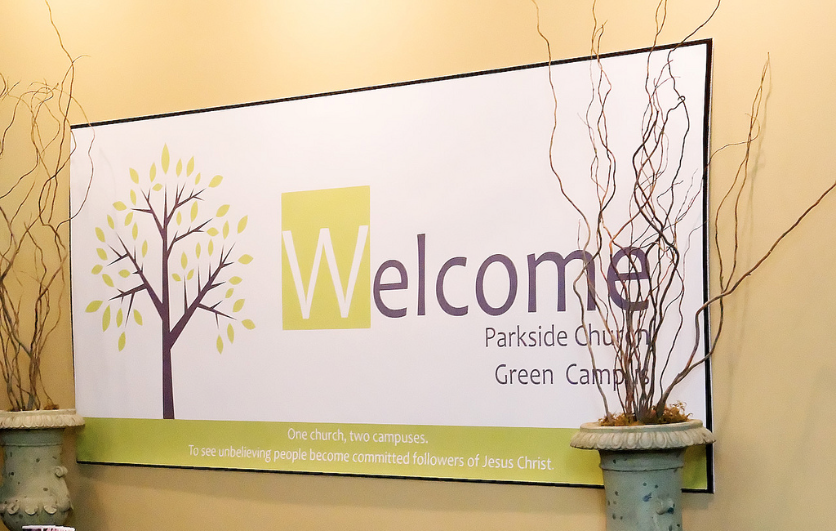
Parkside GreenWe’re pleased to announce that our Key Ministry crew will be offering a free training event for our friends in the Akron-Canton area on Monday, February 24 from 6:00 PM to 9:00 PM at the Parkside Church GREEN CAMPUS, located at 4520 South Arlington Road in Uniontown. I’ll be presenting along with Carrie Lupoli on the topic Helping Kids With Hidden Disabilities.

Carrie will be sharing strategies for effectively including kids with mental illness, trauma and developmental disabilities into Sunday School settings and offering practical tips for managing behavior for children who struggle with impulse control and self-regulation. I’ll be offering an overview of why including kids with hidden disabilities and their families is so important for the local church, and discussing how common conditions including ADHD, anxiety and Asperger’s Disorder may impact spiritual development in children and teens.

Parkside Green SnowParkside Church has long been a supporter of families of children and adults with special needs. We were honored to have had the opportunity to offer training there a number of years ago, and under the leadership of Kelly Coy, Parkside offers support for families wishing to attend church on Sundays and provides monthly respite opportunities for parents of children and teens with disabilities. We’re very much looking forward to helping Carolyn Arny and her children’s ministry team at the Green Campus establish a similar tradition of serving families impacted by disability at their location.

Training is open to the public, but RSVPs are appreciated by Monday, February 17th to Carolyn at carny@parksidechurch.com or at (330) 899-1232.

Looking forward to seeing you on the 24th!

***********************************************************************************************************

ADHD Series LogoKey Ministry has assembled a helpful resource page for church leaders and parents addressing the topic of ADHD and spiritual development. This page includes our blog series on the topic and links to helpful videos and resources for pastors, church staff, volunteers and parents. Access the resource page here.

Posted in Key Ministry, Training Events | Tagged , , , , , , , , , , , , | 1 Comment

Celebrating Rebecca’s ministry…

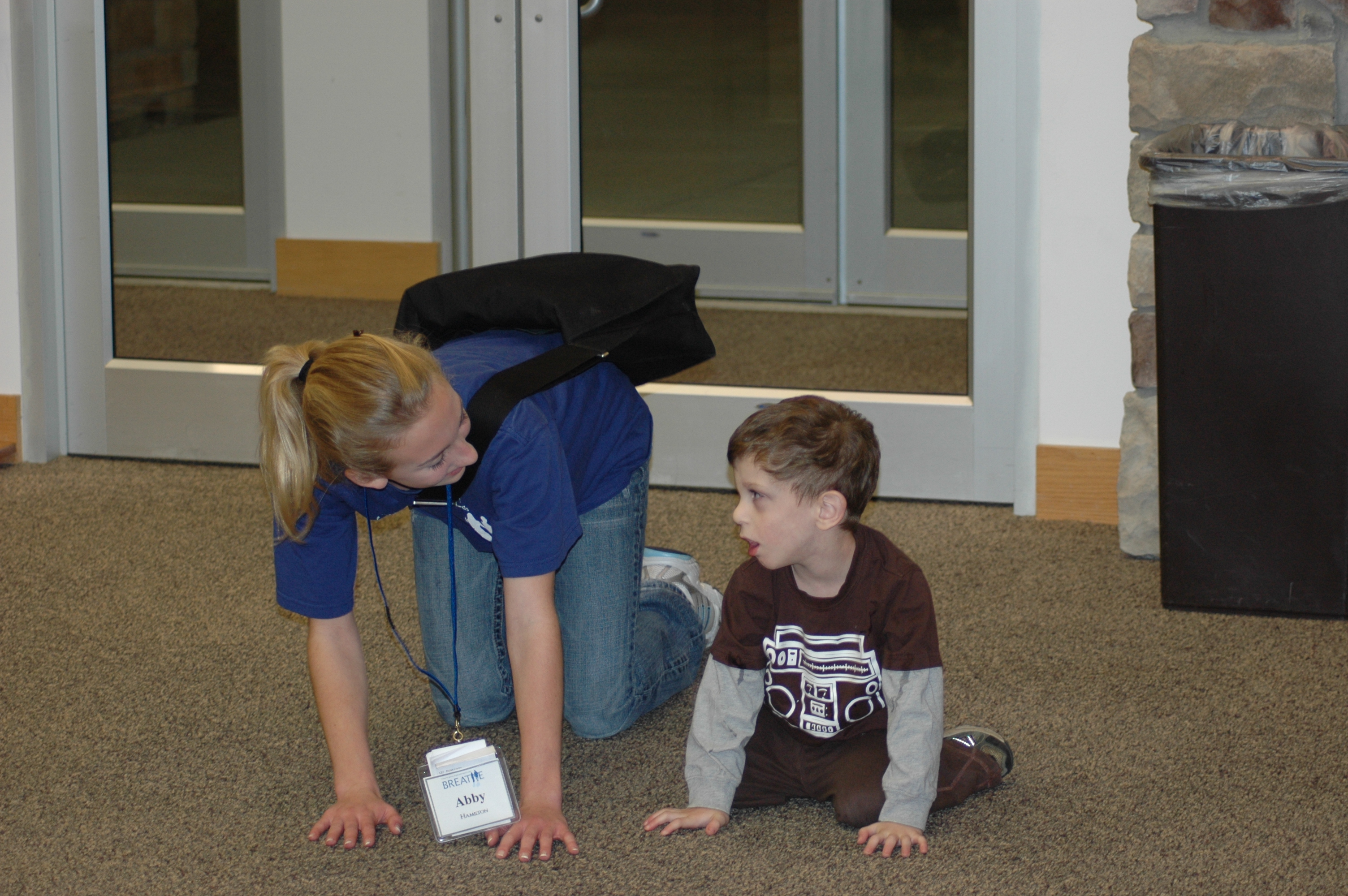
Rebecca @ BreatheRebecca Hamilton has been our longest-serving staff member at Key Ministry. Rebecca came on board as our second Executive Director eight years ago, and since that time she’s truly served as the “relational glue” of our ministry.

With very mixed emotions, the Board and staff of Key Ministry would like to congratulate Rebecca as she moves on later this month to a full-time position with the Northern Ohio Chapter of the Leukemia and Lymphoma Society.

563892_375993272423777_368065632_nRebecca’s time with us coincides with the period in which Key Ministry became a presence among churches in Northeast Ohio and assumed a more prominent role in the worldwide disability ministry movement. Her exceptional people skills clearly helped to open doors for us in churches both locally and nationally, and were indispensible in building relationships with other ministry leaders and organizations.

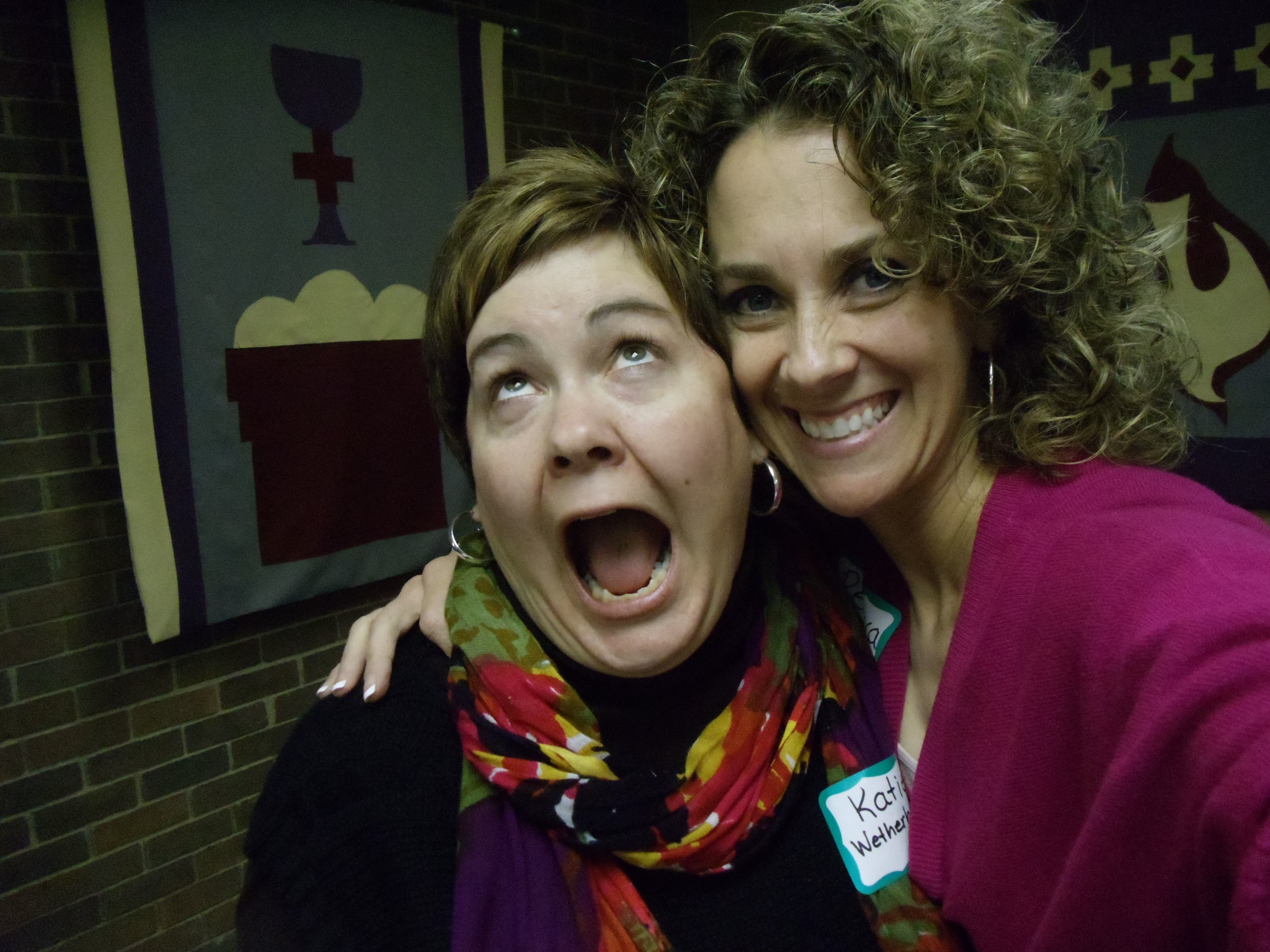
Rebecca and Katie...When she first came to us, her background and experience were in fund development. I know it wasn’t easy for her to come into an organization made up of people considered to be experts in their respective fields, but she very quickly established her credibility. From my perspective as Board President/Chair, it was especially gratifying to watch as she grew to be an expert in the field of disability ministry. She represented Key Ministry well, regardless of whether she was working with staff and volunteers at a local church, participating in our regional “JAM Session” trainings, or speaking at a national ministry conference. She’s very humble.

Rebecca servingThere’s one moment in particular that comes to mind when I think about Rebecca’s ministry with us…I wish I had a picture. I think it was 2009…Rebecca’s church was doing their first “Breathe” respite outreach event…she was serving on the team that put Breathe together, and I was up at the church volunteering with the medical team. At the end of the night when the parents were returning to the church to pick up their kids, I glanced over at Rebecca and she had this look of wonder about the scene unfolding in front of her and what God had accomplished that night in Chagrin Falls.

Abby HamiltonWhile we’ll miss Rebecca’s presence day in and day out as a member of our team, we can’t help but admire her motivations for moving on. Family ministry is a very high priority in our organization, and Rebecca’s most impactful ministry work has taken place at home, together with her husband, Doug. Doug does great work at a independent school serving kids with special educational needs. We’ve previously introduced you to the Hamilton’s younger daughter (Abby), who will be heading off to college in pursuit of an education that will allow her to help care for kids with special needs. Their older daughter (Tate) is already off at school, considering a career in educational psychology. Rebecca’s new job will enable their family to offer more support to their girls as they pursue the necessary education so they might serve other kids. Her new job also affords her greater flexibility so that she might do more to help care for her parents as they grow older. We can’t very well fault Rebecca and her husband for giving highest priority to the people God has uniquely positioned the two of them to serve…their family.

I’d like to make a request of our readers…if you know Rebecca, or serve at a church where you’ve seen God use her service to be a blessing to others, please leave a comment below!

Here’s a brief video of Rebecca talking about the respite ministry at her home church…

On behalf of the Board and staff of Key Ministry…Thanks Rebecca! Or, more appropriately, “Well done, good and faithful servant!”


Posted in Key Ministry, Leadership, Stories | Tagged , , , , , , | 1 Comment

What does “executive functioning” have to do with kids and church?

ADHD pencil noseIn our fourth segment of our Winter 2014 blog series Including Kids and Teens With Mental Illness at Church, we’ll help our readers better understand the concept of executive functioning, and explore challenges kids and teens with executive functioning weaknesses experience in becoming and staying involved at church.

Executive functioning describes a set of cognitive abilities involved in controlling and regulating other abilities and behaviors. Such functions are necessary in initiating goal-directed behavior, suppressing impulses arising from lower brain centers, and planning future behavior.

There are five key executive functions: Behavioral inhibition (critical to development of the other functions), non-verbal working memory, verbal working memory, emotional self-regulation and reconstitution. 

Difficulties with executive functioning are associated with many different mental health conditions. Weaknesses in executive functioning have been speculated by many to represent the core deficit in persons with ADHD. Many of my patients with autism spectrum disorders of average to high intelligence struggle with executive functioning. Individuals with schizophrenia are impacted, and executive functioning is frequently impaired during episodes of depression or mania. Executive functions are exquisitely vulnerable to the effects of prenatal tobacco, alcohol, and drug exposure, and may represent the final common pathway of prenatal substance exposure.

Behavioral inhibition involves the ability to delay one’s response to an event (allowing time to think), interrupt a chain of responses to an event and the capacity to keep competing events from interfering with the initial response. Without this ability a person would be entirely focused on the immediate consequences of any action or behavior and would be unable to develop the capacity for self-control. This capacity is foundational to the other executive functions.

Kids or teens with weaknesses in behavioral inhibition would be more prone to the following struggles at church…

  • They are more vulnerable to impulsive or aggressive behavior as the level of sensory stimulation in their environment increases.
  • They have more difficulty sitting or standing for an extended period of time, especially when the content of the worship service, class or activity is uninteresting.
  • They may lash out to leaders or authority figures…or text…or post to Instagram before they’ve thought through their actions.

Non-verbal working memory involves the capacity to maintain a picture of events in one’s mind. The ability to analyze situations for recurring patterns in order to predict future events is critical in anticipating consequences of behavior, managing relationships and planning complex, goal-directed behavior. Moral conduct and social cooperation are contingent upon this capacity as well the retention of events in sequence that allows one to estimate the time required to perform a task.

Kids, teens and adults with weaknesses in non-verbal working memory might have to cope with challenges like these in attending church…

  • Getting to church on time. Kids and adults who struggle with non-verbal working memory tend to underestimate the amount of time required to complete routine tasks.
  • Finding where they’re supposed to go at church. They have difficulty visualizing or repeating directions. They need good signage!
  • Kids might become frustrated by their inability to master the hand gestures that accompany the worship music in a children’s service.
  • They lose lots of things, especially in busy or unfamiliar environments. They’re the kids who forget their Bibles at home and forget their permission slips for going on the youth ministry retreat.

Child negative labels schoolVerbal working memory involves the capacity to think in words. Internalization of speech allows kids to internalize social norms and rules, facilitating moral development. As kids develop this capacity, they’re able to hold thoughts in their mind without having to actually say what they’re thinking. A classic example is the capacity to pray silently.

Kids who have difficulty with verbal working memory might experience embarrassment at church from the following  challenges…

  • Memorizing Scripture. Kids who struggle with verbal working memory generally aren’t winning prizes at AWANA.
  • Applying Scripture in their daily lives. They might have difficulty taking knowledge they have learned in one church setting and applying it in another…i.e., resolving conflict with a peer in their youth group.
  • Organizing/expressing their thoughts in a small group or Bible Study. They may ramble, or have difficulty getting to the main point they wish to communicate. They may aggravate teachers, group leaders and peers by talking too much.

Emotional self-regulation involves the ability to keep private one’s initial emotional response to an event or situation. This allows a child to modify their response to an event as well as the emotions that accompany the response. Capacity to sustain motivation for future-directed behavior is contingent on this ability.

Kids and youth who struggle with this capacity…

  • May be prone to conflict with peers and adults at church.
  • Are more likely to have difficulty tolerating frustration with some aspect of church.
  • Are more likely than their peers to struggle with keeping commitments.
  • Are more likely to experience difficulty delaying gratification. They want what they want when they want it even when what they want isn’t in their best interests. This propensity often leads to patterns of self-destructive behavior during the teen years that we in the church refer to as “sin.”

Reconstitution involves the ability to use private visual imagery and language to represent language and actions. This allows us to mentally rehearse possible solutions to problems when attempting to overcome obstacles in order to complete a task or achieve a goal without physically having to carry out each and every solution. This is the capacity that allows us to problem solve.

A child or teen struggling with reconstitution might…

  • Experience more difficulty resolving conflict with a peer or a group leader.
  • Resolving scheduling conflicts between school and church commitments.
  • Approaching a pastor, staff member or volunteer in order to have a need met.

In contrast to the first two barriers to church attendance we discussed in this series…an absence of relationships with Christians and difficulty with social communication, we might predict kids and teens who struggle with executive functioning would have less difficulty with the initial experience of attending church but more difficulty staying involved with church.

Wild kidExecutive functioning weaknesses represent a manifestation of disability that overlaps with our current conceptualization of “special needs ministry.” Executive functioning weaknesses are especially common among children and teens with developmental disabilities. Much of what our crew at Key Ministry is asked to do in support of existing special needs ministries involves helping church staff and volunteers address the challenges presented by kids who struggle with behavioral inhibition. Through identifying the other challenges executive functioning weaknesses present to a person’s ability to maintain an ongoing pattern of involvement with a local church, we hope to assist leaders in designing ministry environments and developing supports to welcome kids and families who were “unsuccessful” in previous experiences of church and strengthen their connection to the local church once they become attenders.

***********************************************************************************************************

ADHD Series LogoKey Ministry has assembled a helpful resource page for church leaders and parents addressing the topic of ADHD and spiritual development. This page includes our blog series on the topic and links to helpful videos and resources for pastors, church staff, volunteers and parents. Access the resource page here.

Posted in ADHD, Autism, Bipolar Disorder, Depression, Hidden Disabilities, Inclusion, Intellectual Disabilities, Key Ministry | Tagged , , , , , , , , , , , | Leave a comment

“Doing church” when kids struggle with social communication…

OstracizedIn our third segment of our Winter 2014 blog series Including Kids and Teens With Mental Illness at Church, we’ll take a closer look at challenges that arise to “doing church” when kids and teens experience difficulties with social communication.

Churches are intensely social places…and presumably, were intended to be social places by  God. Max Lucado was quoted as saying the following…

Christ distributes courage through community; he dissipates doubts through fellowship. He never deposits all knowledge in one person but distributes pieces of the jigsaw puzzle to many. When you interlock your understanding with mine, and we share our discoveries, when we mix, mingle, confess and pray, Christ speaks.

The emphasis upon Christian community permeates and shapes much of what the local church provides to promote discipleship. We gather together once or more each week for worship. In most Protestant churches, our kids gather together on Sundays in ministry environments with other kids of approximately the same age. In the Roman Catholic tradition, kids who don’t attend parochial schools typically gather during the week for religious instruction. In many churches, parents are expected to be active participants in a small group. While school-age children may experience some group breakout sessions in their Sunday school classes, by middle school most of the churches with which I’m familiar expect kids to belong to a small group. In high school, many of the small groups meet in someone’s house as opposed to the church. Teens are often encouraged to go on domestic or international mission trips

Smart kid with iPadWith that said, let’s consider the challenges a kid would experience who has difficulty picking up on body language or the meaning behind the tone and inflection of speech if their parents decided to start attending your church. What if they didn’t intuitively grasp common rules of social behavior (such as knowing when to speak, or how to take turns while speaking) or struggle to find the right words to effectively communicate their thoughts or feelings in unfamiliar or stressful situations?

If this kid’s family wanted to attend church…

  • How might the kid experience their first encounter with greeters at your front door, or in their age-appropriate worship environment? What about their first encounters with your ministry leaders?
  • How would they respond to the the expectation to interact with other kids…kids likely to be less familiar to them than the kids they struggle to interact with during the week at school?
  • How would you feel attending a worship service in a church in a different culture or denomination if you struggled to pick up on what to do by watching what the folks around you were doing? How might a child or teen feel in that situation?
  • What might a kid with social communication difficulties think if they walk into a large group situation in which the majority of kids may be older? What might they experience if they’re in middle school or high school and see the majority of kids clustered in comfortable peer groups?
  • How will the kid feel when they encounter kids at church who made fun of them at school during the week?
  • What resistance might this kid demonstrate if encouraged to attend Bible study or small group in an unfamiliar home?
  • Will the family be able to attempt church if the child struggling with social communication becomes defiant about leaving the house and isn’t yet of an age when parents might consider allowing them to stay home alone?

From a diagnostic standpoint, the kids we’re discussing here would previously have been described with Asperger’s Disorder, or might currently be diagnosed with Social (Pragmatic) Communication Disorder under the DSM-5 if they struggle with language pragmatics but lack the restricted, repetitive pattern of interests and behaviors that characterizes kids with autism spectrum disorders. Kids with intellectual disabilities and autism spectrum disorders generally have very substantial difficulties with social communication and are well-served in the context of our existing special needs ministries, either through inclusion or self-contained ministry environments.

Kids of normal to above average intelligence with social communication difficulties don’t have lots of great alternatives for engaging in church in ways that aren’t threatening or overwhelming. Because kids with these challenges are most often the kids who are bullied or picked on at school, all too frequently they’ve already internalized a very negative self-image (as we discussed in our last post) and will be absolutely horrified if someone suggests they participate in a “special needs ministry.” We need an alternative strategy for welcoming kids with these conditions and their families into the ministry environments of the local church.

***********************************************************************************************************

Square Peg Round HoleKey Ministry has assembled a helpful resource on the topic of Asperger’s Disorder and Spiritual Development. This page includes the blog series Dr. Grcevich and Mike Woods developed for Key Ministry, links to lots of helpful resources from other like-minded organizations, and Dr. Grcevich’s presentation on the topic from the 2012 Children’s Ministry Web Summit. Click here to access the page!

Posted in Autism, Families, Hidden Disabilities, Inclusion, Key Ministry, Ministry Environments, Spiritual Development | Tagged , , , , , , , , , | 2 Comments

Including kids and teens with mental illness at church…Grasping the relationship barrier

shutterstock_166070729In today’s second segment of our Winter 2014 blog series Including Kids and Teens With Mental Illness at Church, we’ll take a closer look at some of the relationship barriers families experience when children or teens have a significant mental health condition.

The kids and families we serve in our child and adolescent psychiatry practice are extremely vulnerable to a vicious cycle of escalating social isolation, perpetuated by the nature of the conditions they experience, their propensity to misinterpret the thoughts and reactions of other people and the stigma associated with mental illness. Allow me to explain…

Kids and teens with many common mental health conditions often talk or act in a manner that rubs their peers or adults in their life the wrong way. For example, a child with ADHD too impatient to follow the rules of a game or experiencing challenges with anger management and emotional self-regulation will often find themselves removed from the birthday party circuit and with a limited range of options for after-school play. A bright kid with an autism spectrum disorder might irritate peers when they talk incessantly about football statistics or their favorite movie. Friends of a teen with anxiety may stop texting or calling if their friend repeatedly declines invitations to parties, dances or activities where large groups of kids gather. Over time, kids with common mental health conditions and their families are less likely to have as many friends, and as a result, as many opportunities to be invited to vacation Bible school, retreats and mission trips.

A second component to the snowballing social isolation kids and families experience when impacted by mental illness involves their propensity to misperceive in an inappropriately negative manner how they’re perceived by others. Kids with anxiety disorders appear in many instances to have a biological predisposition to overestimate the extent of danger or risk in a new situation. They are prone to make grossly inaccurate assumptions about how they’re perceived by other people that frequently lead to patterns of avoiding situations, activities and relationships that would otherwise be pleasurable. This is the premise behind the effectiveness of cognitive-behavioral therapy for kids with anxiety disorders and depression…addressing the misperceptions that underlie dysfunctional patterns of behavior is essential in overcoming anxiety and the social isolation that frequently contributes to depression.

The third component to our negative cycle is stigma. There are two relevant types of stigma I’d like to address in the context of this discussion.

Kids with mental health diagnoses are especially vulnerable to self-stigmatization. Here’s a great paper on self-stigmatization from one of the two universities where I teach that explains this concept in depth as it pertains to kids who are prescribed medication for their mental health condition. Teens are especially prone to internalizing cultural stigma regarding mental illness. The need to receive treatment for mental illness frequently reinforces their negative self-image, and they will often go to great lengths to hide from others their need to take medication. This also helps to explain why the explosion in use of medication for ADHD coincided with the development of longer-acting pills that eliminated the need for kids to stand in line every day at lunchtime at the nurses’ office or principal’s office.

BullyingKids with the conditions we’re discussing get picked on…a lot. Kids who become the targets of bullying are frequently those who stand out to peers as having more subtle differences. For example, there’s evidence kids with Asperger’s Disorder are significantly more likely to be bullied than kids with autism who also have intellectual disabilities. Society is making progress in addressing discrimination against persons who are obviously disabled, but kids with mental health-related issues seem like fair game to peers.

The vast preponderance of the kids I see are terrified by the prospect of being viewed as “different” by peers and often reject any type of help or assistance with the potential for drawing undesired attention to themselves. The immediate area in which I practice has several truly outstanding school systems that attract families of kids with special education needs because of the quality of support services they provide. Conservatively, I’d say half my patients with special education needs refuse much needed support services because they don’t want to be seen walking into the classroom where small group instruction is provided, or have to explain to their friends why they take their tests in a separate room or get extended time for their tests.

This is why we can’t expect to set up a “special needs ministry” or “disability ministry” and expect kids and teens with mental illness, trauma or developmental disabilities to come. Kids with these conditions (and their families) will FLEE from any ministry initiative that has the potential to draw attention to their differences.

We’ll discuss strategies for overcoming all of the barriers to church involvement for kids and families impacted by mental illness as we approach the conclusion of our series.

Next: Overcoming the social communication barrier
***********************************************************************************************************

shutterstock_118324816Confused about all the changes in diagnostic terminology for kids with mental heath disorders? Key Ministry has a resource page summarizing our recent blog series examining the impact of the DSM-5 on kidsClick this link for summary articles describing the changes in diagnostic criteria for conditions common among children and teens, along with links to other helpful resources!

Posted in Families, Hidden Disabilities, Inclusion, Key Ministry, Mental Health | Tagged , , , , , , , , , | 5 Comments

Ten ideas for promoting spiritual growth when kids have ADHD or anxiety

shutterstock_132972143Several years ago, we compiled a summary of the available data on what helps kids to grow spiritually. Our team isn’t aware of any research looking specifically at spiritual growth strategies in kids with mental disorders, but I’m aware of MANY obstacles parents and church leaders encounter when seeking to help their kids grow spiritually.

Today, we’ll look at the catalysts to spiritual growth discussed in Reggie Joiner’s book Think Orange, and propose ten strategies that could be useful when kids have ADHD, anxiety, or social communication disorders.

In the Orange model, five main avenues of spiritual growth are considered:

  • Life-changing truth
  • Spiritual disciplines
  • Personal ministry
  • Significant relationships
  • Pivotal circumstances

A key component of the Orange strategy involves intentional involvement of leaders from outside the family in the lives of our kids and teens who partner with parents in validating the values and principles the parents are instilling at home. Churches can serve an invaluable role by offering trusted adults to help kids interpret life situations. To quote Reggie Joiner,

“Children have a better chance of understanding and interpreting life-changing truth when multiple influencers in their lives are all saying the same thing.”

In the Orange strategy, the availability of mature and consistent leaders who walk with kids and parents for multiple years, staying connected through life transitions, is a high value.

Faith skills taught in the context of these relationships with leaders include the ability to:

  • Navigate the Bible
  • Personalize Scripture
  • Dialogue with God
  • Articulate Your faith
  • Worship with your life

So far, so good. All of these faith skills are consistent with what was shown to be effective in the research on spiritual development in kids. But what if a kid has a significant emotional, behavioral or developmental disorder that presents challenges for participating in the program or sticking with the program? Here are ten suggestions…some are demonstrably effective, some are working hypotheses based upon 28 years of experience as a clinician and lots of time spent at church. All of these ideas are applicable to any kid or family at your church, but may be especially relevant when kids have issues with ADHD and/or anxiety.

  • Churches can help kids and parents prioritize what to study in the Bible, using technology to push the content to the parents. Kids with conditions such as ADHD (and their parents with ADHD) have difficulty setting priorities. Because church is not a part of the daily routine and may be noisy and chaotic at transition times, kids have more trouble remembering to bring home content you want them to share with parents. You can’t depend upon kids to get the content home or to share it with parents. Instead, you need to have a system of getting parents the resources they need that doesn’t depend upon their child. Posting copies of handouts on your church website…or better yet, sending a weekly e-mail to parents with links to handouts they can discuss during the week can be a helpful strategy. It’s also helpful for kids who miss church because of custody/visitation arrangements or youth sports commitments.
  • Churches can help provide reminders to kids and parents to practice spiritual disciplines. Kids with many HDs need lots of reminders. So do their parents. My office might be empty if our medical records system didn’t send reminder texts 48 hours before appointments. Texts may be more helpful than e-mails because texts are more likely to be read.
  • Churches can help parents initiate spiritual conversations with their kids. One advantage of having a “hidden disability” is that kids with common mental health conditions may have more time available for conversations with parents. Difficulties with gross or fine motor coordination, emotional self-regulation or social interaction are frequently impediments to participation in time-consuming extracurricular activities (sports, clubs at school) that compete for time with family. Parents of kids with conditions like ADHD, anxiety and autism spectrum disorders may have more 1:1 time with their kids going to and from professional appointments.
  • Churches can be intentional about building into relationships with parents of kids with mental illness, trauma or developmental disabilities. One very large, multisite church where we trained hypothesized that kids with “hidden disabilities” were more likely to be inconsistent attenders. Kids who struggle with self-discipline frequently have parents who struggle with self-discipline. Could leaders call parents if a child in their small group hasn’t come for to church for two or three weeks in a row? If your church uses small groups as a strategy for helping parents to be accountable to one another, would a divorced parent feel welcome, or are your groups “couples only?”
  • Kids with anxiety frequently struggle with transitions from one age group to the next at church. They’re prone to fall away from church during the handoffs from elementary to middle school ministry and middle school to high school ministry. Younger kids who are shy or anxious can feel intimidated moving to larger environments when older kids have already formed relationships with one another. Could small group leaders transition with the kids as they enter into new age-grouped ministry environments?
  • Social media may be a tool to draw kids into relationships at church. Up to 10% of school age kids experience anxiety disorders. Getting kids with anxiety disorders together to do groups is like herding cats. My epiphany on this topic occurred when I saw that a high school kid I’d enrolled in a social anxiety study had 609 “friends” on Facebook. What if you streamed (or rebroadcast) your middle school and high school ministry content and made available leaders to facilitate small group discussion online, with the ultimate goal of getting kids comfortable enough with one another to meet at church?
  • Be intentional about helping parents of kids with common disabilities to identify their child’s gifts and talents and give them opportunities to use them. When kids have disabilities, schools tend to focus resources on addressing weaknesses. Church can be a place where kids can feel good about developing strengths while participating in the expansion of God’s Kingdom.
  • Create opportunities for families to serve together with their kids with HDs. Respite events as outreach to families of kids in the surrounding community with disabilities are a great way for kids of middle or high school age to serve together with their parents.
  • Give kids and youth opportunities for meaningful service at church. Many kids with ADHD are “doers.” If you’re looking for a successful model of inclusion in meaningful service activities, look no further than Cincinnati Vineyard’s Summer of Service experience.
  • Finally, develop inclusive environments for families of kids with common disabilities and have supports in place that allow parents and siblings of kids with disabilities to fully participate. Make sure families can access appropriately trained child care if you expect them to participate in your weekend worship, small group, large group, teaching and serving environments.

***********************************************************************************************************

Anxious kidKey Ministry has assembled a helpful resource page for church leaders and parents addressing the topic of Anxiety and Spiritual Development. This page includes our blog series on the topic, Dr. Grcevich’s presentation at the 2013 McLean Accessibility Summit and links to lots of helpful resources.  Click here to access the page!
Posted in ADHD, Anxiety Disorders, Inclusion, Key Ministry, Resources, Strategies | Tagged , , , , , , , , , , , | Leave a comment

Casseroles, church, and the stigma of kids with mental illness

CasserolesThis past Sunday night, 60 Minutes presented a remarkable segment on the topic of  mentally ill kids in crisis.

I was searching online for the video earlier today and came across some additional footage the producers of the segment were unable to use in the segment. In this footage, Scott Pelley (the correspondent who presented the segment), the producers, and a group of mothers of children at Yale-New Haven Children’s Hospital discuss the stigma of raising a mentally  ill child…

Shortly after the 4:00 mark in this video, Scott tossed out this question…

SP: What is the difference between being the mother of a child who has mental illness and the mother of a child who has heart disease or cancer?

Mothers: Sympathy…empathy…empathy…casseroles.

SP: Casseroles? What do you mean?

Mothers: Somebody needs to share the casserole story.

My daughter, when she was thirteen was hit by a car and fortunately was fine, except for a very bad broken leg. The church organized a brigade of casserole makers, the neighbors brought casseroles, friends, families, everybody. Six months before that, Christina had spent two months on a psychiatric ward, and we had no casseroles. And I’m not blaming the church or the neighbors or anything…because of the stigma, we didn’t tell people.

We can’t allow the enemy to use the stigma of mental illness to keep families out of church! We, as church, also have a remarkable opportunity to share the love of Christ with many families who, because of stigma, may be too embarrassed to let us know when they are in need.

Here’s the entire segment…

***********************************************************************************************************

600817_10200479396001791_905419060_nConfused about all the changes in diagnostic terminology for kids with mental heath disorders? Key Ministry has a resource page summarizing our recent blog series examining the impact of the DSM-5 on kidsClick this link for summary articles describing the changes in diagnostic criteria for conditions common among children and teens, along with links to other helpful resources!

Posted in Advocacy, Families, Key Ministry, Mental Health, Stories | Tagged , , , , , , , , , | 4 Comments