
DSM-5: Recognizing the signs of trauma in kids

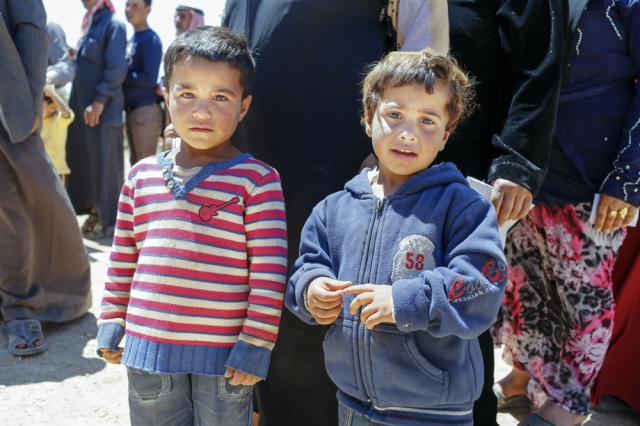
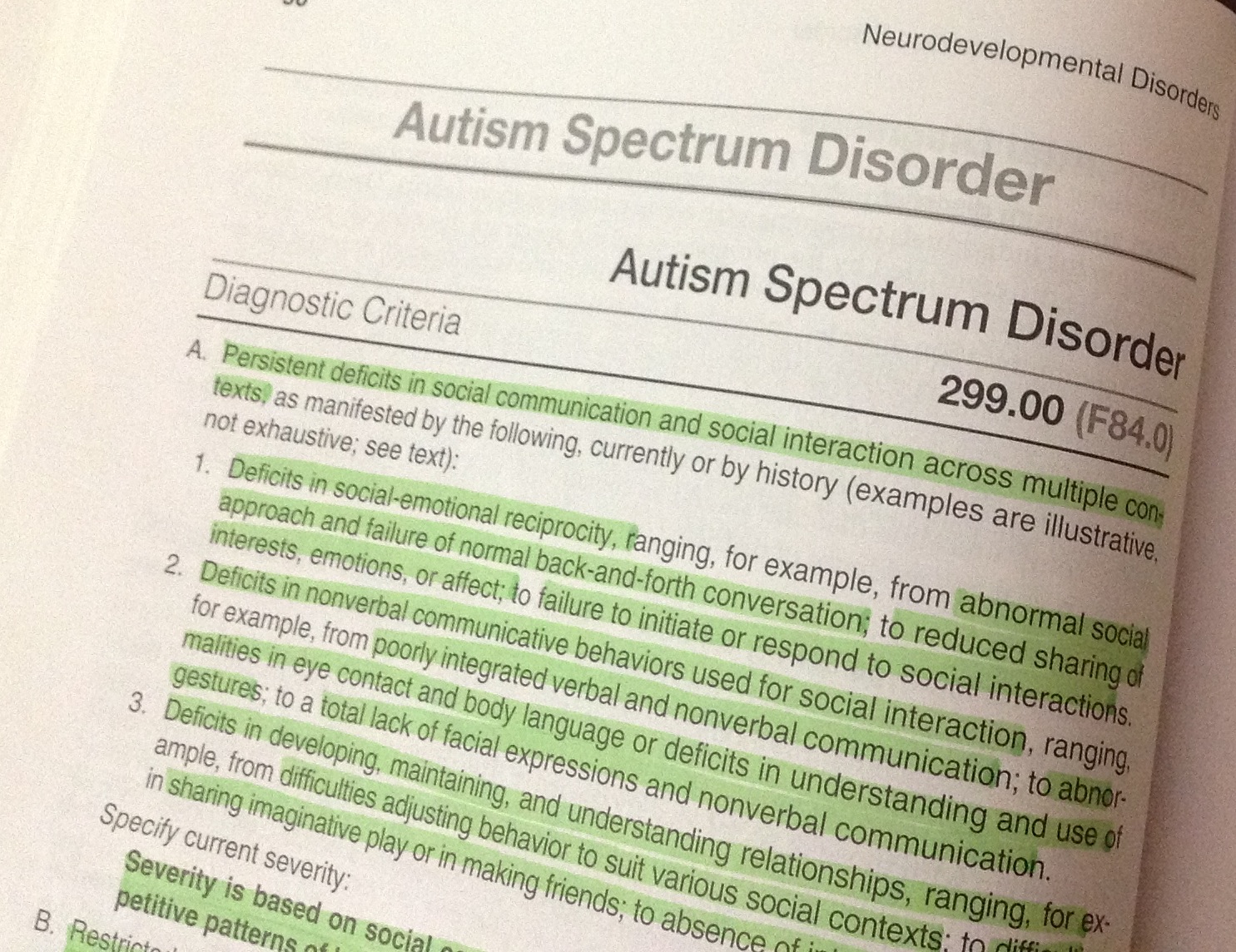
AbuseIn today’s installment of our blog series… Dissecting the DSM-5…What it Means for Kids and Families, we’ll explore the changes made in diagnostic criteria for Posttraumatic Stress Disorder (PTSD) and review how the changes are intended to provide clinicians with developmentally-sensitive tools to better identify the signs of trauma in children and teens.

As past of the DSM-5 review process, the diagnostic criteria for Posttraumatic Stress Disorder underwent significant revisions…

  • Sexual violence was identified as a specific threat under experiences that qualify as “traumatic” in addition to actual or threatened death and serious injury.
  • The types of exposures leading to PTSD were better delineated…direct experience of the event, witnessing (in person) the event as it occurred to others, learning that the traumatic event(s) occurred to a close family member or friend, and experience of repeated or extreme exposure to aversive detail(s) of the traumatic event(s)-this applies to first responders as opposed to those experiencing the event through media exposure.
  • Four symptom clusters for PTSD are now identified as opposed to three…intrusion symptoms (nightmares, flashbacks), avoidance, persistent negative alterations in cognitions and mood and alterations in arousal and reactivity.

Most importantly for the sake of our discussion, the symptom thresholds for establishing a diagnosis in children and teens have been changed to take into account differences in the ways that trauma is manifested in kids, and a unique set of diagnostic criteria have been established for identification of PTSD in kids ages six and under.

While the fear some conditions were being diagnosed too frequently in children (see our discussions of bipolar disorder and disruptive mood dysregulation disorder), many leading clinicians in the field raised concerns that in addition to the potential for overdiagnosis, PTSD may be underdiagnosed, or misdiagnosed as some other condition. Structured diagnostic interviews include measures to detect PTSD in children, but such interviews are rarely administered outside academic medical centers. Two large concerns led to the establishment of a unique set of criteria for younger children…

  • Nearly half of the diagnostic criteria in the DSM-IV required a verbal description of the patient’s internal states and experiences. Most preschool-age children lack the language skills to accurately describe their internal experiences.
  • Kids presenting with suspected PTSD frequently exhibit symptoms that weren’t captured in the previous diagnostic criteria. Some manifestations of PTSD unique to children would include the loss of recently acquired developmental skills (regression), onset of new fears or re-activation of old ones, separation anxiety, and increases in agitation, impulsive behavior and hyperactivity that may easily be confused with ADHD.

The new criteria for young children call attention to the differences in how PTSD may manifest in this population. Specifically, the new criteria point out that…

  • Intrusive memories (flashbacks) may not necessarily appear distressing and may be expressed through reenactment in play.
  • Constriction of play as an example of a negative alteration in cognition.
  • Passive reduction in expression of positive emotions.

The text that accompanies the criteria also points out that developmentally inappropriate sexual experiences without the experience of physical violence or injury are represent sufficient trauma to produce symptoms of PTSD. Most children with PTSD will meet criteria for at at least one other mental disorder, with Oppositional Defiant Disorder and Separation Anxiety Disorder co-occuring most commonly.

My one criticism of the new criteria is that there is no mention of one of the most common traumatic experiences we see among kids with disabilities leading to PTSD-like symptoms…the impact of chronic medical procedures for serious (but not necessarily life-threatening) medical conditions. Kids who need to experience multiple surgeries or hospitalizations and/or repeated blood draws often experience manifestations of PTSD, and the circle of mental health professionals equipped to help support affected kids and families is very small. But on the whole, developmentally appropriate diagnostic criteria for PTSD in children are a welcome improvement in the DSM-5.

Photo courtesy of http://www.freedigitalphotos.net.

***********************************************************************************************************
AACAPFor additional information on the impact of trauma in children, the American Academy of Child and Adolescent Psychiatry has an excellent resource center on child abuse. Included in the resource center are practice parameters summarizing the current standards for diagnosis and treatment of children with PTSD, rating scales for use in clinical practice, fact sheets for parents on sexual abuse, resources for adoptive and foster parents, and links to other organizations focused upon the impact of trauma in children.

Posted in Controversies, Mental Health, Resources | Tagged , , , , , , , , , , | Leave a comment

Obsessive-Compulsive Disorder (OCD): A category unto itself…

Hoarders 2In Part Nine of our blog series… Dissecting the DSM-5…What it Means for Kids and Families we’ll examine why the authors of the new diagnostic manual of mental disorders created a separate category for Obsessive-Compulsive and Related Disorders and spotlight some of the conditions that are common concerns for parents and caregivers included in the new category.

According to the authors of the DSM-5, the inclusion of a chapter on Obsessive Compulsive Disorder (OCD) and related disorders reflects a recognition that a number of common conditions share linkages to one another. Some of the conditions included in this new category (in addition to OCD) include…

  • Body Dysmorphic Disorder
  • Hoarding Disorder
  • Trichotillomania (Hair-Pulling Disorder)
  • Excoriation (skin-picking) Disorder

In clinical practice, I’ve tended to view all of these conditions as variants of OCD. They’re all frequently seen in conjunction with anxiety disorders…The close relationship between anxiety and OCD resulted in the decision to place the two diagnostic categories adjacent to one another in the DSM-5. They all tend to show common patterns of response to the medications used to treat OCD. These conditions also tend to co-occur…as a result, when a child has one of these conditions, it’s reasonable for a treating professional to inquire about the presence of others. I’d even add a couple of other conditions to the list for consideration that are currently placed elsewhere in the manual…Bulimia Nervosa and the proposed condition Nonsuicidal Self-Injury. There are also differences in how the conditions are treated therapeutically based upon the person’s capacity for and level of insight regarding their condition.

A few comments regarding the other conditions…

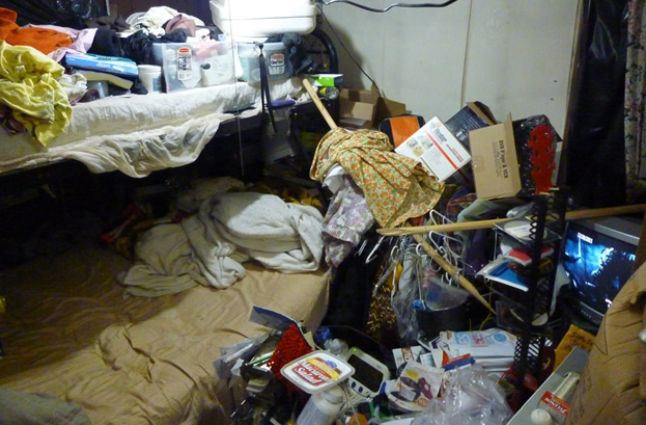
Hoarders 3Hoarding…I’ve previously considered (and will continue to consider) hoarding as a specific type of compulsive behavior as opposed to a stand-alone condition in and of itself. I’ve never had a kid come in with hoarding as the chief concern of the parents. Hoarding may be a greater concern among older persons…they’ve had many years to accumulate enough junk to cause a safety hazard. Many fire departments are now developing hoarding task forces because of the danger.

Trichotillomania…One of the therapists in our practice was identified on a popular website as having expertise in treating trichotillomania-we gained a keen appreciation for how desperate many families with this condition are to find a knowledgeable professional. This is a fairly common comorbid condition among kids we’re treating for something else, and not infrequently, stimulant medication prescribed for ADHD will exacerbate hair pulling in vulnerable kids.

Skin-picking…This is a very common complaint among parents of kids in our practice, but rarely a chief complaint. Identifying a cause is often problematic, because skin-picking can be brought on by anxiety or boredom. It can be a manifestation of fidgetiness or restlessness in persons with ADHD, or it can represent a compulsive behavior exacerbated by ADHD medication. It can represent a compulsive behavior, but may worsen in response to medication used for OCD. I’m not sure this behavior represents a stand-alone disorder so much as a specific behavior observed in conjunction with ADHD, anxiety or OCD.

On the whole, OCD and related disorders appear worthy of a stand-alone category, although skin-picking and hoarding may represent patterns of compulsive behavior and needlessly add to the proliferation of diagnoses in the DSM-5.

Photos courtesy of Hoarders.

***********************************************************************************************************

220px-The_ScreamKey Ministry offers a resource center on Anxiety and Spiritual Development, including helpful links, video and a blog series on the impact of ADHD upon spiritual development in kids and teens. Check it out today and share the link with others caring for children and youth with anxiety disorders.

Posted in Controversies, Families, Hidden Disabilities, Mental Health | Tagged , , , , , | 1 Comment

Why after all the hard, did you choose hard again? Guest blogger Matt Mooney

Mooney FamilyWe’re honored this Father’s Day to have Matt Mooney serving as our guest blogger.

Matt is an extraordinarily gifted guy our team had the pleasure of meeting in person a couple of months ago at the McLean Accessibility Summit. He’s an attorney by training who has worked on staff at a church and currently serves as Executive Director of 99 Balloons, a non-profit organization based in Northwest Arkansas that helps others engage children with special needs locally and globally. 

Matt is a very talented writer and storyteller. He’s recently authored a book, A Story Unfinished, about the remarkable journey he and his wife Ginny experienced with their son, Eliot, who lived for 99 days with a genetic disease (Trisomy 18) that had made his birth unlikely. Watch as Matt shares the story of Eliot’s life…and God’s goodness even in the darkest days:

I’d asked Matt to answer the question how he thought God might use Eliot’s unfinished story to bless other families everywhere with children who experience disabilities. Here’s his response. Happy Father’s Day to all the dads who faithfully care for kids with disabilities, both seen and unseen.

I loved the question so much, I feigned maturity and tried to let him finish it; but unbeknownst to him my answer had been 6 years in formation.

Eliot would be six.  Or should I say he is six?  This is just the beginning of the complications that come when your son flees this world before you do.  And, for today, though I remain undecided, let’s just say he would be six.

That interrogative that leaked from the lips of a friend can be surmised as follows:

Why after all the hard, did you choose hard again?

Now, let me take this moment to jump up on one of my many soapboxes and set some things straight.  This is just the sort of question that many people wince at upon hearing- because people say such stupid stuff and when they do we wince.  Anyone who keeps one foot in church circles and has also walked through something as immensely painful as losing your child knows the sting of stupid.

But this is not that.  This is honest.  And I celebrate honesty wherever the endangered species pops it head up.  I love this question.

Now let me sprinkle in some context to help you understand why someone would ask me that:

Eliot would be six because he lived for 99 of the most beautiful days that I have known.  Within these passing years we have been blessed with two biological kiddos that are both perfectly healthy and perfectly behaved (as far as you know & excluding that Chick-fil-A scene last week whereby three small girls came screaming out of the playground with minor injuries inflicted upon them by my son….I’m sure they had it coming.)

And so, losing Eliot was the hard that the question referenced.

Just over a year and half ago, my wife and I spent six weeks in Ukraine in order to bring home our fourth child.  Her name is Lena.  She has a medley of profound disabilities which I will spare you from trying to explain.  On top of her special needs, the majority of her life had been spent within the walls of institution.  She was non-verbal and immobile when we brought her home, as well exhibiting behaviors associated with a life of cribbing and neglect.

And so, she represents the choosing hard again part of the question.

Remember, I’m not wincing with you.

If I have learned anything from walking a road of loss- one I begged not to go down, then it is encompassed in the following words as best as I am able.  God is not about our comfort.  He is about His kingdom coming to this earth.  And when we seek our own happiness in the ways that seem so native to our mind, we walk straightway into a most miserable life.

His ways are not our ways.

Therefore, where I pinpoint my own happiness lands me instead on an island of death.  He is found on roads that we would not trod but for His voice calling us down them and our recognition that it is He who awaits at the end of the trail.

We did not rescue Lena.  God, through her, is rescuing us.  Saving us from a life spent seeking things only found in Him but on a road where He is not.

***********************************************************************************************************

AStoryUnfinishedAt thirty weeks pregnant Matt Mooney and his wife Ginny were informed that their child had a genetic disease Trisomy 18.

They were told that birth was unlikely.
That life was not viable.
That a bleak future awaited.

They were not told that they would get 99 days with this child and these precious days would change them forever. Through the sleepless nights, an unrelenting desire for answers, and the frightening reality that slides in where optimism once resided, Matt and Ginny walked with family and friends through the life and death of their first born son.

At Eliot’s funeral, 99 balloons were released into the air to represent the 99 days of his life. This act of remembrance stirred the hearts of a community and a country.

The story of Eliot was featured on Oprah and the Today show. A video of his life was watched by millions on Youtube. But the story of Eliot’s life and death is not the end of this journey. Through the impact of his life, a legacy has continued.

A Story Unfinished chronicles a father’s journey of pain and redemption and the mystery of God and His goodness in the midst of it all.

Available at Amazon and booksellers everywhere.

Posted in Adoption, Families, Stories | Tagged , , , , , , | 1 Comment

DSM-5: Rethinking Reactive Attachment Disorder

Melih Cevdet Teksen / Shutterstock.com

Melih Cevdet Teksen / Shutterstock.com

When I read through the new criteria for Reactive Attachment Disorder, I found myself hard pressed to think of any condition in which so great a disconnect exists between the way it is defined by academicians and community-based clinicians.

Beginning with the publication of the DSM-III-R in 1987, two subtypes of RAD have been recognized…an emotionally withdrawn, inhibited type and an indiscriminately social/disinhibited type. In the DSM-5, the term Reactive Attachment Disorder has been reserved for the emotionally withdrawn, inhibited type. The indiscriminately social/disinhibited type is now referred to as Disinhibited Social Engagement Disorder and considered a separate condition.

The new criteria for RAD are as follows…

A. A consistent pattern of inhibited, emotionally withdrawn behavior toward adult caregivers, manifested by both of the following:

  1. The child rarely or minimally seeks comfort when distressed.
  2. The child rarely or minimally responds to comfort when distressed.

B. A persistent social or emotional disturbance characterized by at least two of the following:

  1. Minimal social and emotional responsiveness to others
  2. Limited positive affect
  3. Episodes of unexplained irritability, sadness, or fearfulness that are evident even during nonthreatening interactions with adult caregivers.

C. The child has experienced a pattern of of extremes of insufficient care as evidenced by at least one of the following:

  1. Social neglect or deprivation in the form of persistent lack of having basic emotional needs for comfort, stimulation and affection met by caring adults
  2. Repeated changes of primary caregivers that limit opportunities to form stable attachments (e.g., frequent changes in foster care)
  3. Rearing in unusual settings that severely limit opportunities to form selective attachments (e.g., institutions with high child to caregiver ratios)

D. The care in Criterion C is presumed to be responsible for the disturbed behavior in Criterion A (e.g., the disturbances in Criterion A began following the lack of adequate care in Criterion C).

E. The criteria are not met for autism spectrum disorder.

F. The disturbance is evident before age 5 years.

G. The child has a developmental age of at least nine months.

Specify if Persistent: The disorder has been present for more than 12 months.

Specify current severity: Reactive Attachment Disorder is specified as severe when a child exhibits all symptoms of the disorder, with each symptom manifesting at relatively high levels.

shutterstock_383867518What don’t you see in the criteria that you’d expect to see, based on the common understanding of RAD in the therapeutic community and the broader culture? Any description of the pathologic behaviors that generally lead adoptive and/or foster parents to seek out mental health services for children in their care!

When I’m asked to evaluate kids because a parent or professional suspects RAD, the child is usually exhibiting some combination of problematic behaviors from the following list:

  • Lack of conscience or empathy for others, manifesting in antisocial behavior
  • Severe aggression that (at times) may appear deliberate on the part of the child
  • Property destruction
  • Pathological lying
  • Stealing
  • Removing and hiding food from the family’s kitchen or refrigerator
  • Inappropriate sexual behavior
  • Manipulative behavior

Notice that none of these behaviors are included in the criteria for RAD. Allow me to quote from the American Academy of Child and Adolescent Psychiatry’s Practice Parameter on Reactive Attachment Disorder

The question of whether attachment disorders can reliably be diagnosed in older children and adults has not been resolved. It is clear that central attachment behaviors used for the diagnosis of RAD, such as proximity seeking, change markedly with development. Defining what behaviors in 12 year olds, for instance, are analogous to proximity seeking in toddlers is difficult. Even developmental attachment research has no substantially validated measures of attachment in middle childhood or early adolescence, leaving the question of what constitutes clinical disorders of attachment even less clear.

Nevertheless, there have been reports that many oppositional or aggressive older children, especially those who have been maltreated or raised in institutions, have RAD (Levy and Orlans, 2000). The diagnosis of RAD in these reports is based on an expanded set of diagnostic criteria for RAD; the additional criteria overlap with the disruptive behavior disorders, including conduct disorder (CD), oppositional defiant disorder (ODD), and attention-deficit disorder. Claims that many children with a diagnosis of attention-deficit/ hyperactivity disorder and bipolar disorder, in fact, have RAD highlight the problems with diagnostic precision in this area (Levy and Orlans, 2000). In effect, DSM-IV-TR criteria have been largely transformed by groups of clinicians such that psychopathic qualities such as shallow or fake emotions, superficial connections to others, lack of remorse, and failures of empathy are viewed as core features of RAD (Levy and Orlans, 1999, 2000). There is certainly evidence that some maltreated children exhibit both disruptive behavior disorders and disturbances in interpersonal relatedness. Historical accounts of so-called ‘‘affectionless psychopaths’’ detail the challenges that children deprived by institutionalization are alleged to present (Wolkind, 1974), although this construct was never validated. Furthermore, foster and adoptive parents who care for such children can become overwhelmed by managing remorseless aggression. Although some of these children may have met criteria for RAD as young children, few are described as either indiscriminate or inhibited in their social relationships.

There are two significant problems with the trend toward stretching the criteria for RAD to extend the diagnosis to older children. First, diagnostic precision is lost when signs such as oppositional behavior and aggression are viewed as aberrant attachment behaviors in older children. To say that these children do not have ODD or CD because their behavior is better explained by negative attachment experiences is to suggest an etiological pathway that can be neither proved nor disproved.

Second, untested alternative therapies, loosely based on the proposed etiological model for RAD in older children, have been developed and implemented, sometimes with tragic results.

file000478925215So…what are we to make of the severe difficulties with emotional self-regulation and behavior common among foster and adopted kids if their difficulties aren’t because of attachment problems? Why might kids adopted from orphanages or placed in foster care exhibit severe behavior problems?

Genetic predisposition: Let’s consider why newborn babies are placed in orphanages or consider why children are placed in foster care. We know that women with ADHD engage in more risky sexual behavior. They’re more likely to be impregnated by men with ADHD. Impulsive sexual behavior is common among persons with Borderline Personality Disorder…we know that the complex patterns of behavior associated with borderline personality are strongly inherited. Parents with serious mental illness may have more difficulty appropriately caring for children.

Effects of trauma and neglect upon brain development: I would very much encourage our readers to download this excellent monograph from Harvard University… The Science of Neglect-The Persistent Absence of Responsive Care Disrupts the Developing Brain.

Abuse and neglect can contribute to the development of personality disorders in adults.

The child’s placement occurred because of their disability: In the case of Russian orphanages, a recent report in the Washington Post claimed that “Children in Russian orphanages are almost certain to have at least one disability.”

There are many reasons why children adopted from orphanages and children in foster care frequently exhibit severe problems with conduct and emotional self-regulation. Effects of trauma and neglect upon brain development combined with genetic and environmental influences appear to be responsible in most instances…as opposed to a primary attachment disorder.

Updated March 1, 2016

***********************************************************************************************************

© 2014 Rebecca Keller PhotographyCheck out Shannon Dingle’s blog series on adoption, disability and the church. In the series, Shannon looked at the four different kinds of special needs in adoptive and foster families and shared five ways churches can love their adoptive and foster families. Shannon’s series is a must-read for any church considering adoption or foster care initiatives. Shannon’s series is available here.

Posted in Adoption, Controversies, Families, Foster Care, Hidden Disabilities, Key Ministry, Mental Health | Tagged , , , , , , , , , , | 81 Comments

Ten Questions About Kids and Medication Lecture CANCELED. Here’s the alternate plan…

Question MarkNOTE: The Skylight Financial Group event scheduled for this upcoming Saturday, June 15 has been CANCELED by the organizers. Our apologies to anyone who planned to attend.

Since there was lots of interest in the topic of frequently asked questions  about kids and medication , I’ll cover each of the questions I’d planned to address during the lecture in a blog series we’ll run through July, following our current series on the changes in diagnostic criteria included in the DSM-5.

I’d also be happy to answer specific questions from our readers about kids and medication I hadn’t planned to discuss on the days between posts in July. So, if you have questions about psychiatric medications and kids of general interest, post them below and I’ll tackle them next month. Obvious disclaimer: I can’t answer questions pertaining to an individual child’s condition or treatment-those questions need to be redirected to the child’s prescribing clinician. 

The slides we had planned to use for the lecture are embedded below.

***********************************************************************************************************

ADHD Series LogoKey Ministry offers a resource center on ADHD, including helpful links, video and a blog series on the impact of ADHD upon spiritual development in kids and teens. Check it out today and share the link with others caring for children and youth with ADHD.

Posted in Controversies, Families, Key Ministry, Mental Health, Resources | Tagged , , , , , | Leave a comment

Why the decision to eliminate Asperger’s Disorder was absurd…

photoIn Part Six of our blog series…Dissecting the DSM-5…What it Means for Kids and Families we’ll look at the decision to exclude the diagnosis of Asperger’s Disorder from the most recent update of the diagnostic criteria.

Every once in a while, my esteemed and learned colleagues in academia are prone to overlook realities that are patently obvious to those of us who are mere mortals. That appears to have been the case when the committee responsible for neurodevelopmental disorders revised the diagnostic criteria for autism spectrum disorders.

From Sesame Street…

One of These Things (Is Not Like The Others)

One Of These Things (Is Not Like The Others)
One of these things is not like the others,
One of these things just doesn’t belong,
Can you tell which thing is not like the others
By the time I finish my song?

Did you guess which thing was not like the others?
Did you guess which thing just doesn’t belong?
If you guessed this one is not like the others,
Then you’re absolutely…right!

From a clinician’s standpoint, kids with Asperger’s are VERY different from kids with “classic” autism. Kids with Asperger’s have the intelligence and language skills to very effectively communicate their thoughts and perceptions. They also have a far greater capacity for self-awareness of their social deficits…and are far more amenable to treatment interventions to ameliorate their weaknesses in social situations. Most can be effectively served in mainstream or gifted classrooms. They’re so different that the vast preponderance of kids with traditional autism in our community receiving medical intervention are seen by developmental pediatricians and pediatric neurologists, not child psychiatrists.

Kids with Asperger’s and kids with autism do have a common trait…restricted, repetitive patterns of behavior, interests and activities. They also have in common a diminished capacity for social communication…although there are generally orders of magnitude difference in the capacity for social communication of a child with Asperger’s when compared to a child with more traditional autism.

I could make an argument that the kids I treat with Asperger’s Disorder have more in common with my patients with OCD than they do with kids with classic autism.

Last year, I wrote about the purpose for a system of diagnosis when the controversy about revisions to the criteria for autism began to bubble to the surface. As a reminder, these are the three primary reasons why a diagnostic classification system is necessary…

  • Common criteria help ensure that our diagnoses are both accurate and consistent.
  • Common criteria that are consistent and reliable are essential for meaningful research.
  • The process of establishing a clinical diagnosis and case formulation helps us to organize our thoughts about how to best treat our patients.

In Asperger’s Disorder, we have a condition that was well-defined with widely known and accepted diagnostic criteria, as well as a relatively homogeneous group for research within the autism spectrum. Most importantly, the Asperger’s paradigm leads to very different treatment approaches than those employed with children with classic autism.

It’s interesting that the APA went to great lengths, establishing new diagnostic criteria for Disruptive Mood Dysregulation Disorder to prevent kids with irritability as their predominant mood state, but made a controversial decision to lump all kids together with restricted, repetitive behavior into a single category.

The clinical presentation and treatment of persons with Asperger’s Disorder is clearly different than other autism spectrum disorders…in the context of our flawed diagnostic classification system, Asperger’s Disorder should have been retained.

Author’s note…The purpose of the Sesame Street illustration was to dramatize the differences between persons with Asperger’s Disorder and persons with other autism spectrum disorders-and illustrate why the designation of Asperger’s Disorder should have been retained in DSM-5.

Most recently updated January 25, 2014

***********************************************************************************************************

Square Peg Round HoleKey Ministry has assembled a helpful resource on the topic of Asperger’s Disorder and Spiritual Development. This page includes the blog series Dr. Grcevich and Mike Woods developed for Key Ministry, links to lots of helpful resources from other like-minded organizations, and Dr. Grcevich’s presentation on the topic from the 2012 Children’s Ministry Web Summit. Click here to access the page!

Posted in Autism, Controversies, Hidden Disabilities, Key Ministry | Tagged , , , , , , , , | 7 Comments

Social (Pragmatic) Communication Disorder…not quite Asperger’s

600817_10200479396001791_905419060_nIn Part Five of our blog series…Dissecting the DSM-5…What it Means for Kids and Families we’ll look at the diagnostic criteria for Social (Pragmatic) Communication Disorder (SCD).

One of our greatest challenges in psychiatry has been describing how a person can have a little bit of something. Symptoms lacking in severity to meet the criteria for a specific disorder, but functional impairment of sufficient significance that the person clearly needs some type of clinical intervention.

This issue is a challenge with kids who are socially awkward, but don’t have symptoms of a severity to be characterized as an autism spectrum disorder, experienced some delay in language development (disqualifying them for a diagnosis of Asperger’s Disorder in the DSM-IV), or lacked the characteristic restricted, repetitive patterns of behavior, interest or activities characteristic of kids on the autism spectrum. Some clinicians historically used the term nonverbal learning disability to refer to this subgroup of patients.

The committee responsible for the DSM-5 felt the need to establish a diagnostic category to help facilitate the ability of persons struggling with social communication to access treatment. From the APA…

SCD is characterized by a persistent difficulty with verbal and nonverbal communication that cannot be explained by low cognitive ability. Symptoms include difficulty in the acquisition and use of spoken and written language as well as problems with inappropriate responses in conversation. The disorder limits effective communication, social relationships, academic achievement, or occupational performance. Symptoms must be present in early childhood even if they are not recognized until later when speech, language, or communication demands exceed abilities.

SCD has become the diagnostic category for kids who look like those with Asperger’s Disorder, but don’t meet full criteria for an autism spectrum disorder.

Updated July 11, 2014

***********************************************************************************************************

KM Logo UpdatedKey Ministry has assembled resources to help churches more effectively minister to children and adults with ADHD, anxiety disorders, Asperger’s Disorder, Bipolar Disorder, depression and trauma. Please share our resources with any pastors, church staff, volunteers or families looking to learn more about the influence these conditions can exert upon spiritual development in kids, and what churches can do to help!


Posted in Controversies, Hidden Disabilities, Mental Health | Tagged , , , , , | 8 Comments

DSM-5: Emphasis on the EPISODIC nature of Bipolar Disorder in kids

Demi LovatoIn Part Four of our blog series…Dissecting the DSM-5…What it Means for Kids and Families we’ll look at the diagnostic criteria for Bipolar Disorder-and how our understanding of the illness has changed since the last revision of the DSM.

I’m purposely following up our discussion from last Sunday on Disruptive Mood Dysregulation Disorder (DMDD) by looking at the diagnostic criteria for bipolar disorder…because the failure to accurately apply the previous criteria for bipolar disorder provided most of the impetus for the creation of the DMDD diagnosis.

The diagnostic criteria for bipolar disorder haven’t substantially changed in the DSM-5. The criteria are listed below…

A distinct period of elevated, expansive or irritable mood and abnormally and persistently increased goal-directed activity or energy, lasting at least one week and present most of the day, nearly every day in which three or more of the following are present (four if mood is only irritable):

  • Inflated self-esteem or grandiosity
  • Decreased need for sleep
  • More talkative, pressured speech
  • Flight of ideas or racing thoughts
  • Increased distractability
  • Increased goal-directed activity (psychomotor agitation)
  • Involvement with pleasurable behaviors with the potential for painful consequences

By definition, a person isn’t diagnosed with classic (Type I) bipolar disorder unless they have experienced at least one episode that meets the above criteria. Persons with hypomania experience mood disturbances lasting at least four days meeting the above criteria that aren’t severe enough to cause marked impairment in academic or social functioning, require hospitalization or are associated with psychotic symptoms. Persons with bipolar disorder may also experience episodes of depression (that’s where the term “manic depression” comes from), or episodes in which symptoms of mania are seen concomitantly with symptoms of depression (mixed episodes).

The most important clarification associated with bipolar disorder in the DSM-5 impacting kids is the explicit statement that episodic mood symptoms are necessary for the diagnosis. Quoting from the DSM-V…

During the latter decades of the 20th century, this contention by researchers that severe, nonepisodic irritability is a manifestation of pediatric mania coincided with an upsurge in the rates at which clinicians assigned the diagnosis of bipolar disorder to their pediatric patients. This sharp increase in rates appears to be attributable to clinicians combining at least two clinical presentations into a single category. That is, both classic, episodic presentations of mania and non-episodic presentations of severe irritability have been labeled as bipolar disorder in children. In DSM-5, the term bipolar disorder is explicitly reserved for episodic presentations of bipolar symptoms.

Considerable commentary has been added to ensure that the diagnostic criteria are appropriately applied when the diagnosis is being considered for a child or teen. Some important clarifications…

  • Happiness, silliness and “goofiness” need to be recurrent, inappropriate to the context and beyond what would be expected from the child developmentally and be accompanied by persistently increased activity or energy compared to that child’s baseline to be considered as manic symptoms.
  • A child’s propensity to overestimate their academic or athletic abilities don’t necessarily constitute grandiosity. when those beliefs persist despite clear evidence to the contrary, or the beliefs represent a clear change from the child’s baseline, or the child starts to attempt feats that are clearly dangerous, the grandiosity criteria is satisfied.
  • Increased activity may be difficult to ascertain in children-determining whether the child’s behavior represents a change from their baseline and is present most of the day, nearly every day for the requisite time period and occurs in temporal association with other symptoms of mania. Previously absent and developmentally inappropriate sexual preoccupations (absent a history of sexual abuse or exposure to sexually explicit materials) may fulfill the criteria.

The DSM-5 also recognizes that there is risk of misdiagnosing bipolar disorder in children and adolescents with ADHD, because so many symptoms overlap. Clinicians need to recognize if rapid speech, racing thoughts, distractibility and decreased need for sleep and represent a change from baseline in the child with ADHD for those features to be considered representative of mania.

Next…Social (Pragmatic) Communication Disorder

***********************************************************************************************************

Key Ministry DoorOur Key Ministry website is a resource through which church staff, volunteers, family members and caregivers can register for upcoming training events, request access to our library of downloadable ministry resources, contact our staff with training or consultation requests, access the content of any or all of our three official ministry blogs, or contribute their time, talent and treasure to the expansion of God’s Kingdom through the work of Key Ministry.

Posted in Bipolar Disorder, Families, Mental Health | Tagged , , , , , | Leave a comment

Disruptive Mood Dysregulation Disorder (DMDD)…A necessary response to the “bipolar” epidemic

shutterstock_134142485In Part Three of our new blog series…Dissecting the DSM-5…What it Means for Kids and Families we’ll look at one of the most controversial  diagnoses in the new diagnostic manual for mental disorders: Disruptive Mood Dysregulation Disorder (DMDD).

One of the most common reasons parents bring their kids to a practice like ours is for help in managing severe anger outbursts. We do very thorough assessments when kids have problems with irritability and anger because there are so many potential conditions that can predispose them to or precipitate meltdowns associated with aggressive or potentially self-injurious behavior. It’s not uncommon for us to see kids who have two or more conditions contributing to aggressive outbursts…in many instances, the treatment used to address aggression associated with one condition can precipitate aggression associated with a comorbid condition.

Over the last 15-20 years, kids with irritability as their predominant mood state along with protracted aggressive outbursts/meltdowns began receiving diagnoses of bipolar disorder at rates that alarmed many (myself included) in the mental health community…a 4,000% increase in prevalence of bipolar disorder over a ten year period!

Most kids receiving the bipolar disorder diagnosis didn’t fit the traditional diagnostic criteria in terms of duration of mood episodes (a distinct period of elevated, expansive or irritable mood lasting at least a week).

Medications shown or thought to be effective for bipolar disorder in children and teens have been associated with the potential for very serious side effects…significant weight gain, elevation in lipid and cholesterol levels, diabetes or prediabetic conditions, elevated prolactin levels and tardive dyskinesia in the case of second-generation antipsychotics, renal and thyroid toxicity with lithium, and polycystic ovary disease and weight gain with sodium valproate. For more information, see this post on safety issues with antipsychotic medication.

Why was there such an uptick in the frequency with which the bipolar diagnosis was applied to children from the mid-1990s on?

  • For some time, there was a lack of consensus among researchers in the field as to the appropriate diagnostic criteria for bipolar disorder in children and teens, or whether bipolar disorder presented differently in kids as opposed to adults.
  • Many clinicians were prone to misinterpret the research that was being published on pediatric bipolar disorder at the time from several very prestigious academic medical centers.
  • Lots of parents of kids with chronic irritability and aggression latched onto the diagnosis of bipolar disorder following the publication of a very influential book, The Bipolar Child.
  • In a reimbursement-driven mental health system in which treatment for most conditions is limited to brief psychiatric visits for medication management and weekly outpatient psychotherapy with clinicians of  wildly inconsistent training backgrounds and experience, the bipolar diagnosis provided a rationalization for the use of medication that occasionally provided temporary relief from crisis situations for families of kids with serious mental illnesses in the absence of a better continuum of services for kids with chronic irritability and aggressive behavior.

Emotional girlA number of researchers, most notably Dr. Ellen Leibenluft and her team at the National Institute of Mental Health began to do longitudinal studies with kids who presented with irritability as their predominant mood state and severe difficulties with emotional and behavioral self-regulation. What they found laid the foundation for the new diagnostic classification in the DSM-5 of DMDD (listed below)…

  • Presentation characterized by severe recurrent temper/aggression outbursts in response to common stressors
  • Outbursts are manifest verbally and/or behaviorally, in the form of verbal rages or physical aggression towards people or property
  • The child’s reaction is grossly out of proportion in intensity or duration to the situation or provocation
  • The child’s outbursts are inconsistent with their developmental level
  • Temper outbursts occur, on average, three or more times per week in two or more different settings (home, school, peers) and severe in at least one setting
  • Mood between temper outbursts is persistently negative (irritable, angry, and/or sad).
  • Negative mood is observable by others (e.g., parents, teachers, peers).
  • Age of onset prior to ten years
  • Symptoms present for at least twelve months

Compared to kids who fit the traditional diagnosis of bipolar disorder…

  1. The kids with DMDD had serious mental illness…their functional impairment was typically as severe (if not more severe) than kids who met criteria for bipolar disorder in the DSM-IV.
  2. Kids with DMDD exhibited measurable differences in neuroimaging studies and computer tasks measuring attention deployment in response to emotional stimuli frustration tolerance and cognitive flexibility.
  3. Kids with DMDD were at greater risk for developing depressive disorders and anxiety disorders as they grew older…kids with bipolar disorder become adults with bipolar disorder.

An obvious question comes to mind…Why would so many kids start turning up in mental health clinics and physician offices with severe anger outbursts and chronic irritability around the turn of the current century? The answer to that question may provide hints as to how kids who meet the criteria for DMDD will be most safely and effectively treated. Allow me to share a hypothesis…

We know that kids with the condition described as DMDD struggle with anxiety and depression as they grow older, and that most meet the diagnostic criteria for ADHD. They have difficulties with emotional self-regulation and impulse control, and they think too much…I’d use the terms “obsess,” “perseverate” and “ruminate” to describe this quality of their thinking. The parents give affirmative answers to the following  questions…

  • Does your child have a hard time making up their mind when they need to choose between two or three things?
  • When somebody says or does something that bothers your child, do they have a hard time letting it go?  
  • Does your child have a hard time transitioning from activities they like to do to activities they have to do?  

What else happened that had a big impact on mental health care for kids in the mid to late 1990s? From the Centers for Disease Control

The first national survey that asked parents about ADHD was completed in 1997. Since that time, there has been a clear upward trend in national estimates of parent-reported ADHD diagnoses. It is not possible to tell whether this increase represents a change in the number of children who have ADHD, or a change in the number of children who were diagnosed. Perhaps relatedly, the number of FDA-approved ADHD medications increased noticeably since the 1990s, after the introduction of long-acting formulations.

The late 1990s were the time when we began to see a big increase in the use of ADHD medication, especially longer-acting ADHD medications with effects extending beyond the bounds of the school day. The trend accelerated following FDA approval of Concerta in 2000, Adderall XR in 2001 and Strattera in 2002. One problem frequently seen with ADHD medication is that kids prone to obsessive, ruminative thinking and perseveration often become angry, moody, irritable and emotional in response to commonly used ADHD medications, especially at home where they don’t have the same intensity of cognitive stimulation serving as a distraction from bothersome thoughts. I’d suggest that many of these kids are mislabeled with bipolar disorder when clinicians fail to recognize that their ADHD medication is exacerbating other traits…traits that contribute to anger outbursts and aggressive behavior in the short run and predispose kids to anxiety or depression as they get older.

As a result, the way I’ve been approaching kids who meet the criteria for DMDD is to become significantly more conservative in the use of medications for ADHD and anxiety in the absence of research that informs how we might most effectively treat them. I’ll encourage parents to pursue cognitive-behavioral therapy to help with the rigid, obsessive thinking that frequently leads to protracted meltdowns. I’ll suggest more environmental or educational accommodations to try to decrease the need for ADHD medication that often exacerbates irritability. In my experience, I’ve found that many kids who meet the criteria for DMDD are very sensitive to behavioral activation from the serotonin-specific antidepressants that are approved to treat anxiety, depression and obsessive thinking in children and teens, resulting in the need to start with very low doses and monitor carefully for increases in restlessness, agitation or aggression.

Critics of the DSM-5, including the eminent psychiatrist Allen Francis, have raised concerns that inclusion of DMDD increases the risk of excessive use of medication, when the intent of the APA was to call attention to the practice of inappropriate diagnosis of pediatric bipolar disorder. Quoting from the DSM-5…

“In fact, disruptive mood dysregulation disorder was added to DSM-5 to address the considerable concern about the appropriate classification and treatment of children who present with chronic, persistent irritability relative to children who present with classic (i.e., episodic) bipolar disorder.

Other critics, including Dr. David Axelson have valid points in suggesting we lack sufficient scientific data to support a new diagnosis, and observing the criteria for DMDD lack good inter-rater reliability.

On the whole, I think we have more than enough data to recognize that there is a very large subset of kids who are inappropriately being diagnosed with bipolar disorder and unnecessarily exposed to medication treatments associated with substantial health risk. Because of biases introduced through differences in training and experience, the consistency with which clinicians would accurately apply any new criteria involving irritability and mood in children would be low, regardless of the breadth and depth of the scientific data supporting the new condition. Adding diagnostic criteria to the DSM-5 for DMDD is a significant plus for kids if the new guidelines help clinicians to be more thoughtful in  evaluating and treating kids with moodiness and irritability.

Here’s a download from the American Psychiatric Association on DMDD.

Updated June 28, 2014

***********************************************************************************************************

KM Logo UpdatedKey Ministry has assembled resources to help churches more effectively minister to children and adults with ADHD, anxiety disorders, Asperger’s Disorder, Bipolar Disorder, depression and trauma. Please share our resources with any pastors, church staff, volunteers or families looking to learn more about the influence these conditions can exert upon spiritual development in kids, and what churches can do to help!

Posted in ADHD, Controversies, Key Ministry, Mental Health | Tagged , , , , , , , , | 10 Comments