
More questions about the effectiveness of antidepressants in kids…

shutterstock_409917247A study published yesterday in the British medical journal The Lancet examining the effectiveness of antidepressant medication in children and teens is receiving lots of attention on the internet and is worthy of comment.

A group of scientists, led by Dr. Andrea Ciprani of the University of Oxford (and funded by the Chinese government) analyzed the results of 34 randomized clinical trials of antidepressant medication used specifically to treat major depression in the pediatric population. These are not new studies, but this is a new interpretation of older results by combining many studies addressing the same issue. Here’s what they found, gently edited for lay readers…

We deemed 34 trials eligible, including 5260 participants and 14 antidepressant treatments. The quality of evidence was rated as very low in most comparisons. For efficacy, only fluoxetine was statistically significantly more effective than placebo.  In terms of tolerability, fluoxetine was also better than duloxetine and imipramine. Patients given imipramine, venlafaxine, and duloxetine had more discontinuations due to adverse events than did those given placebo.

When considering the risk–benefit profile of antidepressants in the acute treatment of major depressive disorder, these drugs do not seem to offer a clear advantage for children and adolescents. Fluoxetine is probably the best option to consider when a pharmacological treatment is indicated.

Something for parents, families, pastors and other church leaders to consider when kids are suspected to have depression and in need of help is that within the professional and mental health support communities, perceptions about the effectiveness of antidepressant medication in kids is very different from the clinical reality suggested by the research literature.

The vast majority of clinical trials of antidepressant medication for the treatment of depression in children and teens have failed to demonstrate a statistically significant difference between the response to medication vs. placebo pills. We used to think that kids responded differently to antidepressants than adults because of developmental differences in the activity of neurotransmitters, such as serotonin. It turns out there’s little difference between the response of these medications in adults to what we see in kids and teens. To explore this further, allow me to introduce you to the concept of effect size.

When a pharmaceutical company submits a drug to the FDA for marketing approval, they’re required to demonstrate in two separate clinical trials that the drug is better than nothing (placebo). As a clinician, I want to know how much better than nothing the drug is for the condition I’m seeking to treat. That’s where effect size comes in.

Effect size is a measure of the magnitude of the difference between the change from baseline seen with an active treatment compared to the change from baseline seen with placebo. Without going into the formula for calculating effect size (beyond the scope of this post), we usually end up with a ratio ranging from zero to one. When an effect size is below 0.20, the benefit of the treatment to an outside observer would be essentially imperceptible. An effect size of 0.50 suggests a moderate effect. Effect sizes of 0.80 and above suggest a robust effect. For the sake of comparison, here are some examples of effect sizes of treatments for ADHD:

  • Diets restricting artificial dyes and preservatives: 0.19
  • Omega-3 fatty acid supplementation: 0.36
  • Atomoxetine (Strattera): 0.60
  • Methylphenidate-based stimulants (Concerta, Focalin): 0.80
  • Amphetamine-based stimulants (Adderall, Adderall XR, Vyvanse): 0.93

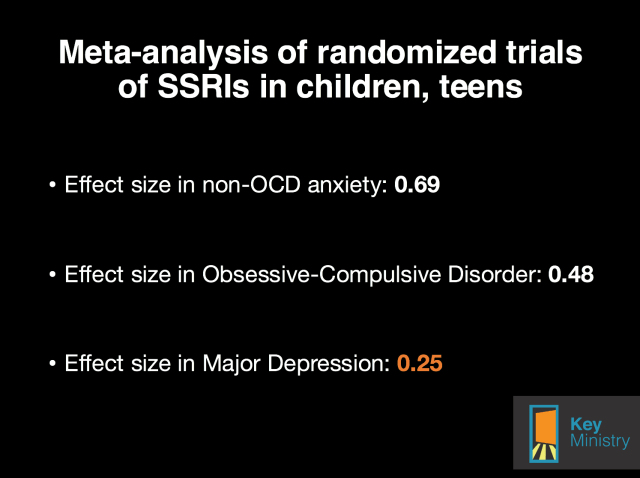
Check out the illustration below…This data is taken from an independent review commissioned by the FDA of all the placebo-controlled trials of serotonin reuptake inhibitors (SSRIs) and other second-generation antidepressants in children and teens. SSRIs are the most commonly used antidepressants…Prozac, Zoloft, Celexa, Lexapro, Paxil and Luvox are SSRIs:
Bridge antidepressant slide

Source: Bridge JA et al. JAMA 2007; 297(15) 1683-1696

It turns out that the antidepressants are reasonably effective anti-anxiety treatments in children and teens. SSRIs are moderately effective for Obsessive-Compulsive Disorder. The effect size of SSRIs for treating depression is relatively small.

Another way of looking at this issue is by considering another statistical concept, the number needed to treat (NNT). The NNT represents the average number of patients one would need to treat to be assured a positive response was due to the effect of medication as opposed to placebo. The NNT for antidepressants in kids when used to treat depression is 10. For OCD, the NNT is 6. For other anxiety disorders, the NNT is 3.

Here’s the meta-analysis of the research literature on antidepressants in adults authored by Dr. John Ioannidis. Quoting from the paper:

The meta-analysts found 74 eligible FDA-registered trials with 12,564 patients. Among them, a third (n = 26 trials [31%] with 3449 patients) had remained unpublished. The FDA had determined that half of the registered trials (38/74) had found statistically significant benefits for the antidepressant (“positive” trials). All but one of these trials had been published in journals. Conversely, of the other half trials (36/74) that were deemed to be “negative” by the FDA, one in three were published as “negative” results; another 11 trials were published, but the results were presented in such a way so as to seem “positive” and 22 “negative” trials were silenced and never appeared in the literature.

The meta-analysts studied the estimated effectiveness of these drugs when data were combined from the FDA records and when data were combined from the published literature. For all drugs, the published literature inflated the effect sizes. The inflation varied from 11% to 69% and it was 32% on average. The FDA data would suggest that these agents had small, modest benefits (standardized effect size [ES] = 0.31 on average). Conversely, for 4 of the 12 agents, if one were to perform unawares only a meta-analysis of the published data, the summary result would suggest clinically important effectiveness (ES>0.5). This was not true for any agent based on more complete FDA data.

Here are a couple of thoughts to consider…

The professional community, parents and families hold assumptions about the effectiveness of psychotropic medication, especially medication for depression, that are unrealistic based upon our understanding of the research literature.

It’s very possible (I’d argue it’s very likely) that adults and children who respond positively to antidepressants do so not because they’re experiencing a placebo response, but because we’re treating anxiety symptoms that frequently predispose, precipitate and perpetuate feelings of depression.

***********************************************************************************************************
KM_ForFamilies_Logo_Color_RGBKey for Families has launched our first seven Facebook communities for families of kids with disabilities. We have communities for…

  • Adoption and Foster Care
  • Autism and Asperger’s Disorder
  • Homeschooling parents
  • Mental health
  • Ministry families
  • Parents of adult children
  • PTSD and trauma

Key for Families Facebook communities are free, but registration is required. Sign up for one or more communities today, and share the invitation with friends who might want to join.


 

Posted in Key Ministry | Tagged , , , , , , , , , | Leave a comment

The Biggest Challenges Small Churches Face in Special-Needs Ministry

pexels-photo-105855

As I mentioned last week, we’re planting a new church that will be special-needs friendly from day one. As we get ready to plant, my husband is speaking at churches, sharing our vision and plan. We not only want to share our vision for Journey, but help them know the importance of doing special-needs ministry in their own churches. We keep getting the same questions over and over, especially from smaller churches (less than 150 members). They want to know if it’s really possible.

It is possible, but the truth is there will be challenges. Here are four that we hear:

  • Money – “How much money does it take to run a special-needs ministry?” Our answer: it doesn’t have to take much. Churches are already required to meet the Americans with Disabilities Act. What churches do above and beyond that is up to them. If you already print bulletins, consider printing a few in large print. If you already have toys in the nursery, consider adding some recommended for kids with sensory issues next time you buy new ones. (Our church even has an Amazon wish list with ideas you can incorporate or donate to us.) As your ministry grows, you may expand the ministry and adjust the budget to meet the needs, just like you would do if the women’s ministry (or any other ministry) had new needs.
  • Facilities – “We are running low on space now. How much room will it take?” Our answer: it doesn’t have to take any space. Many churches use a buddy (or coach) program so most kids with disabilities attend class or childcare with their peers and just have extra help when they need it. Many of the parents who responded to my post last week said they don’t like being shown to a room in the back of the church for their kids. They don’t feel like part of the church body.
  • People – “Who is going to serve in this ministry?” Our answer: the people who are called to serve. In our small church in Pennsylvania, we already had members attending who were excited to help when the new ministry launched. We had therapists, special-ed teachers, grandparents of children with special-needs, and adults with disabilities who all served in different capacities. I truly believe God builds His church with people who can meet the needs of the people He calls there. And if the needs do outnumber the volunteers, consider hiring outside help. My friend Ellen Stumbo’s small church had success with hiring helpers because a majority of the families who attend her church had disabilities or family members with disabilities. They wanted to provide a real break for the families who needed it. Your church may even see people come to Christ who thought they were just coming to help!
  • Knowledge or Experience – “We just don’t know where to start. How do we learn?” Our answer: Key Ministry is here to help! We offer free consultation to churches of any size.

We can be honest about the challenges smaller churches like mine may face. In the comments on my post last week both on the site and on social media, readers shared different “what if” scenarios, some of which seemed meant to discourage us. But if churches waited until they could meet every “what if” scenario, none of us would launch a special-needs ministry, or any ministry at all.

We don’t have to have a plan in place for every person we can imagine walking through our doors. We just have to love and serve the ones who do. And churches of every size can do that.

How would you answer the questions we’ve heard? I’d love to learn from your experiences too!

Key Ministry hosted a round table discussion of special-needs ministry in small churches you can watch on our Vimeo channel. You can also sign up for our next round table on June 15th at noon (eastern). 

Posted in Key Ministry, Special Needs Ministry | 1 Comment

Teaching the essentials to reach children of all abilities at church

shutterstock_78308296As those entrusted with the role of teacher, we need to know that essence of what we’re teaching. In other words, how would you answer this question:

If children and students at our church only grasp one thing today, what should it be?

(I don’t mean for that to be hypothetical. Please take a moment to think about your ministry as a whole. How would you answer that for your next Bible study or Sunday school class? How would you answer that if I were to ask what one thing you hope that children and students grasp before they reach adulthood? Take a moment, and think about that if you don’t have an answer already.)

Answering those questions can add clarity to your teaching for every child and student, but it becomes even more crucial for those with special needs. If a child has intellectual, emotional, or behavioral difficulties, then odds are good that you don’t really have the full class time to teach a plethora of points. You might just have five minutes.

Let me give you an example from a couple weeks ago: I was working one-on-one in one of our preschool classes with a little boy – who I’ll call Jack – who loves balls and blocks and who also happens to have Down syndrome. He sometimes has trouble understanding what he should be doing during the Bible story time, and this particular Sunday I couldn’t coax him out from under a table while the other kids sat in a circle around the teacher. Because I had reviewed our curriculum for that day and because I know what our overall goals are for children in our ministry, I was able to ask simple questions about why Jesus cared about Zaccheus and how Jack knew that Jesus cared about him.

Did Jack get every bit of the story that day? No.

Did he get the essentials? Yes.

I could tell you more stories, like that of another boy with special needs who is comforted by watching the cars in the parking lot from the window in his class and whose one-on-one buddy talks to him about Jesus’ love for him and love for each person in those cars as he calls out the color of each car. If we know the core message and truth we intend to share, then we can redirect what could become lost moments into ones that emphasize the essentials.

To minister to all kids of all abilities in purposeful and intentional ways, we must know what the most important thing is. And then we must be ready to share the essential truth with a child – to loosely paraphrase from Deuteronomy 6 – as we sit with a child who is lying under a table or as we watch cars out the window.

***********************************************************************************************************

KM_ForFamilies_Logo_Color_RGBKey for Families has launched our first seven Facebook communities for families of kids with disabilities. We have communities for…

  • Adoption and Foster Care
  • Autism and Asperger’s Disorder
  • Homeschooling parents
  • Mental health
  • Ministry families
  • Parents of adult children
  • PTSD and trauma

Key for Families Facebook communities are free, but registration is required. Sign up for one or more communities today, and share the invitation with friends who might want to join.

Posted in Inclusion, Key Ministry, Special Needs Ministry | Tagged , , , , , , , | Leave a comment

Are you ready to help?

shutterstock_336086306Followers of Key Ministry, our blogs and social media platforms will notice lots of changes over the next day or two.
KM greenIf you subscribe to this blog, you’ll notice a new look either tomorrow or Tuesday. If you subscribe to our Not Alone Facebook page, you’ll notice a new name and a new look. Our Pinterest page has a new look. And our website will have a VERY different look. The new form is being created to support a very specific function.

Go therefore and make disciples of all nations, baptizing them in the name of the Father and of the Son and of the Holy Spirit, teaching them to observe all that I have commanded you. And behold, I am with you always, to the end of the age.”

Matthew 28:19-20 (ESV)

Our team invests our time, talent and treasure into this ministry adventure because we believe there is nothing more important we can do for the kids and families we know, with and without disability than to help point them toward the person of Jesus Christ.

We do what we do because…

  • We seek to honor God be doing what his son commanded of us.
  • Through coming to know Jesus, we know they’ll come to experience the peace of Christ that transcends all understanding.
  • While growing in faith in Christ, they’ll discover their true meaning and purpose.
  • Through worship and service with others in the ministries of the local church, they’ll experience the unique privilege of being used by the Creator of the universe to fulfill his purposes as he goes about the redemption and restoration of the Earth and the re-establishment of his Kingdom.

Historically, we’ve fulfilled our mission by serving churches – providing them knowledge, training, resources and support for the mission of ministering to families of kids with what we referred to as “hidden disabilities”…significant emotional, behavioral, developmental or neurologic disabilities without symptoms that would be apparent in a still photograph. Families of kids with mental illness, trauma or developmental disabilities.

In the Spring of 2015, several of our Board members undertook a critical look at our “Front Door” initiative to use online church as a tool for connecting families with local churches where they might worship in the physical presence of other Christ-followers. They shared seven concerns. The most significant concern was that our goal of connecting families with local churches wasn’t feasible if we were limited by the number of churches for which we could produce and upload messages to our online platform. After some pretty painful discussions, the Board voted to shut down our online church platform and to redirect our resources differently. We have plans to bring our online church project back in a different format when we have sufficient resources to sustain it.

KM_ForFamilies_Logo_Color_RGBOur strategy is to build a place on the web where parents of kids with the full gamut of disabilities – mental illness, trauma, developmental disabilities, intellectual disabilities, physical disabilities may find information, encouragement, support and community from a decidedly Christian perspective and to connect families to churches near their homes prepared to welcome and embrace them. We’re referring to our new ministry division as Key for Families.

We’re honored that 64 churches in 24 states with identified disability ministries have chosen to partner with us to launch Key for Families by registering with our church network and expressing a willingness to welcome families in need of a church who access our online platforms. Editor’s note: We hope to have 100 participating churches enrolled by the end of June, and 250+ churches by the end of 2016 located in 80% of the fifty largest metropolitan areas in the U.S.

Nothing we’re doing for churches has changed. Churches interested in accessing training, consultation, resources or support may contact us here. One of our representatives will be in touch to follow up on your request.

That’s the plan. And we’d love for you to help!

Do you serve in a staff position or a key volunteer role at a church with supports for kids or teens with disabilities and their families? Register your church with our network and be available for introductions with visitors to Key for Families.

Do you know of a family in need of encouragement or support with a child with special emotional, behavioral, developmental or physical needs? Refer them to our Key for Families Facebook page, or encourage them to register for one of our online communities.

If you’re a family member of a child with a disability, we encourage you to personally join at least one of our online support communities. We currently have communities for adoption and foster care, autism and Asperger’s Disorder, homeschooling parents, mental health, ministry families, parents of adult children with disabilities and PTSD/trauma. To learn more about the groups, click here.

Disability ministry leaders…interested in helping us expand our range of online communities? Authors…interested in leading an online study of books you’ve written for families accessing our online communities? Send an e-mail to sandra@keyministry.org and let her know what you have in mind.

We need our friends to pray for us and the families who will be served! If you’re willing to pray for the needs of our ministry and the families we meet through this new adventure, message beth@keyministry.org. She’ll add you to an e-mail list of members of our prayer team.

We very much appreciate the support of our ministry partners with the means and willingness to assist us financially. Key for Families represents a leap of faith. Because I serve the ministry as a volunteer and a handful of supporters have been remarkably generous to our ministry, we’ve been able to provide our services to churches free of charge since 2002. As we enter this new phase of ministry, we would be very grateful if our followers would consider a gift of financial support to our ministry, especially those who have never done so in the past.

Game on!

Special thanks to Stephen Burks, Carrie Lupoli and Libby Peterson for their faithful service while members of the Key Ministry Board, and for the vision that led to the establishment of Key for Families. Our ministry team hopes you’re pleased by our initial efforts to implement your vision.

Stephen Burks Key Ministry

Stephen Burks

Carrie Lupoli

Carrie Lupoli

Libby Peterson

Libby Peterson

Posted in Advocacy, Families, Inclusion, Key Ministry, Resources | Tagged , , , , , , , , , , | Leave a comment

What We Mean When We Say Our New Church Is “Special-Needs Friendly”

Last weekend we had a couple over and we were talking about our new church. The husband looked at my husband and asked, “What do you mean when you say your church will be ‘special-needs friendly’?”

It’s a good question. Last summer my family and I packed up everything we owned and moved from rural PA to the fastest growing suburb of Houston, TX. Our goal is to plant a church—a special-needs friendly church.

We’ve been talking about it nonstop to anyone who will listen (or join our launch team, or make a donation, or pray for us!). But that question made us pause. Had the phrase become like Christianese? Do we say it so often we forget it’s a concept some people have never thought about before?

What do we mean when we say our church is special-needs friendly?

I’m sure ministry leaders from across the country would give slightly different answers (and I’m eager to hear your thoughts in the comments!), but here’s what we mean when we say the new church we are planting is going to be special-needs friendly.

It means we have a theology of disability based on Scripture. The passages that have shaped our understanding of disability include:

  • Psalm 139 – We are all fearfully and wonderfully made
  • Exodus 4:11 – God allows disabilities for His purpose
  • John 9 – Jesus Himself said disabilities exist so “that the works of God might be displayed … “

It means we believe all people are necessary to fulfill God’s purpose for the church1 Corinthians 12 teaches us church is made of many parts, and some of those parts are weaker than others but are still worthy of honor, “But God has so composed the body, giving greater honor to the part that lacked it, that there may be no division in the body, but that the members may have the same care for one another. If one member suffers, all suffer together; if one member is honored, all rejoice together” (vv. 24-26).

This isn’t to imply people with disabilities are “less than” people without disabilities. But speaking from my experience of having a sister with Down syndrome and a son with level 3 autism, some have limitations that keep them from doing some things in the church, but not all. Churches don’t love and serve people who can best serve them back. They love and serve people (period). 

It means we provide access to all families so they can be full, active members of our church. Access to the gospel, to community, and to worship. We make accommodations and adjustments when necessary so we don’t have to turn away families who come to our church and church events. It means every activity we do, from Sunday morning worship to small groups to sports camp to potluck lunches, are open to everyone. It can take more money and more volunteers (two details church plants are often short on!), but we trust God to provide. As we read in 1 Corinthians 12, a church is made of many parts. I truly believe God has already placed people in churches who can meet the needs of the church members He calls there.

It means we actively seek out the nearly 1 in 5 families in the U.S. impacted by disability. We plan outreach events that specifically target special-needs families. Like a sensory-friendly movie morning. And a reserved time at the local bounce house. We hope to host respite nights and a day of pampering for moms/care givers. We don’t settle for a come and see approach. We go and do.

We’re excited to see how God will teach and stretch us in the coming months as we are sent out from our supporting church, build a launch team, serve our neighborhoods, and start preview services. We hope to spread the message that all churches should be special-needs friendly and show it can be done even in the smallest of churches. Knowing what we mean when we say our church is special-needs friendly is a good place to start!

What do you mean when you say your church is special-needs friendly?

Posted in Inclusion, Key Ministry, Special Needs Ministry | 26 Comments

“iPad church”

shutterstock_417210865In February of this year, the church I attend (Bay Presbyterian Church) launched an online church ministry. Our church streams the 11:00 AM Sunday service live, with an interactive online experience, including a chat room, private live prayer, editable sermon notes and more.

This past Sunday, Kevin Rush (the team leader of our online ministry) shared the following vignette in our church bulletin…

Praise God that people who may not have been willing or able to set foot here on campus can hear the truth of God’s love for them.

BPCRecently, a staff member shared how a family with a special needs child had to change their care plan for a few weeks. Due to the change, they had to stay at home on Sunday morning for the time being. Through baypres.tv, the child and the parents have felt connected to the church in their absence. Every Sunday, their child reminds them about what he calls “iPad church.” I think he should trademark that.
Our ministry team is available to help any churches with both a disability ministry and an online campus to use their online campus as a tool for disability ministry. Interested? Contact us.

***********************************************************************************************************

KM_ForFamilies_Logo_Color_RGBKey for Families has launched our first seven Facebook communities for families of kids with disabilities. We have communities for…

  • Adoption and Foster Care
  • Autism and Asperger’s Disorder
  • Homeschooling parents
  • Mental health
  • Ministry families
  • Parents of adult children
  • PTSD and trauma

Key for Families Facebook communities are free, but registration is required. Sign up for one or more communities today, and share the invitation with friends who might want to join.

Posted in Key Ministry | Tagged , , , , , , , | Leave a comment

Five thoughts regarding marriage and depression…Gillian Marchenko

us3My depression greatly affects my marriage. There have been months where my husband Sergei and I have morphed into caregiver and caregivee, undesirable and painful roles we never expected to assume. And then once or if my depressive episode lifts, we begin the hard work of figuring out how to be husband and wife once again. How do we get back to loving each other? How do we love in our present circumstances regardless of mental illness? It is exhausting and painful. Sergei wrote a poem about our experience and although it cuts me until I bleed to read it, I am  thankful he was able to express himself and our relationship with such poetic, truthful, and vivid terms.

Depression is a thief. A pickpocket. Swiping a memory here and there. An emotion, a plan for the afternoon, part of a conversation. It is a burglar. Leaving behind empty surfaces and containers that used to be filled with childhood and marriage and friendship. It is a mugger. Stepping out of the dark. Threatening and taking the carelessness of the night away. A kidnapper. Talking, silencing, tying up, holding captive. Until days later, or weeks later, she wanders back home, staggering, unsure of what happened or how she escaped. It is sort of like that. Sometimes.

-Sergei Marchenko, Still Life, Page 115

Still LifeCouples fighting mental illness often ask us what they can/should do when one spouse is depressed. Honestly, we wish we knew. We are muddling along in our marriage, at times hopeful that things are getting better and at other times feeling like the union God gave us and the life we’ve built is falling apart. So I offer these suggestions cautiously because we are no experts. We have not come out of the other side of darkness with concrete tips. But here are some things we do. And again, let me be clear, sometimes they help and sometimes they don’t.

  1. Don’t attempt to solve big issues or plan to ‘work on your marriage’ during a depressive episode. The spouse struggling probably won’t be in their right mind to contribute to the conversation. In fact, they may not even remember it later, and it could cause their depression to delve deeper into the darkens and create frustration and a feeling of helplessness for her husband.
  1. Outside of depressive episodes, make plans to attempt communication. If you don’t know how to do that, make an appointment to see a therapist who may have some suggestions. We’ve found that letting each person take a turn to speak without the other interjecting is helpful. Just getting things off our chests without interruption validates struggles and emotion. Plus, it gives the other person time to think before responding instead of instantly accusing the other or disagreeing.
  1. The husband or wife who isn’t depressed needs support. Whether it is a specific support group for mental illness, a friend, a pastor, or a counselor, your battle is just as serious as your spouse’s. Sergei has a few trusted friends with whom he can open up. He also keeps a journal where he is free to vent and also look to the Lord for encouragement and strength.
  1. If a dark season halts any communication, find a way for the spouse to understand the seriousness of the situation. We use a color system in our marriage adapted from one of our children’s behavior charts at school when I am unable to explain my thoughts and emotions: Green=good day, yellow=struggling but trying, and red=unable to function. The colors provide my husband the needed information to proceed; to know when he can help me fight my depression and also when he needs to let me rest and attempt wellness while he picks up the slack in our family.
  1. Grab on to the good days. God provides good days for us and instead of tentatively accepting them with the undercurrent fear that they won’t last, we try to make the most of it. Communication is still hard. Our roles are still blurry. I still have depression. But we grab on to the happiness and connection we feel and attempt to enjoy it and build on it, confident that God has a purpose in the good and bad of life, and that he brought us together as husband and wife in sickness and in health.

***********************************************************************************************************

Gillian2014-26-Edit-1For Gillian Marchenko, “dealing with depression” means learning to accept and treat it as a physical illness. In Still Life she describes her journey through various therapies and medications to find a way to live with depression. She faces down the guilt of a wife and mother of four, two with special needs. How can she care for her family when she can’t even get out of bed? Her story is real and raw, not one of quick fixes. But hope remains as she discovers that living with depression is still life.

Still Life is available here in paperback and e-book from IVP Press. The Kindle edition is available at Amazon.

Posted in Depression, Families, Key Ministry, Mental Health | Tagged , , , , , , | Leave a comment

Our first seven Facebook communities for families impacted by disability

KM_ForFamilies_Logo_Color_RGB

Editor’s note: This post was updated to reflect that SEVEN Facebook communities are now up and running for families of kids with disabilities, including a group led by Sandra Peoples for ministry families impacted by disability.

Key for Families seeks to provide encouragement and support for families of kids with disabilities through several types of online gatherings; large group communities (housed on Facebook and organized around a specific condition, disability, or area of interest), special interest study groups organized around a topical study (Bible study, book study or shared media, housed on Facebook but including opportunities for real time interaction via videoconferencing) and more intimate small groups.

In anticipation of the launch of Key for Families during the first week of June, we’re pleased to open registration for our first six seven Facebook communities.

Facebook communities are:

  • Broadly organized around common interests
  • Are directed by a team of hosts responsible for overseeing the content and membership
  • Are “closed” groups. Any member can invite a new member, but members need to be registered with Key for Families and approved by a community host.
  • Typically feature links to articles or content of interest to the group shared to promote awareness or discussion.
  • Open-ended.

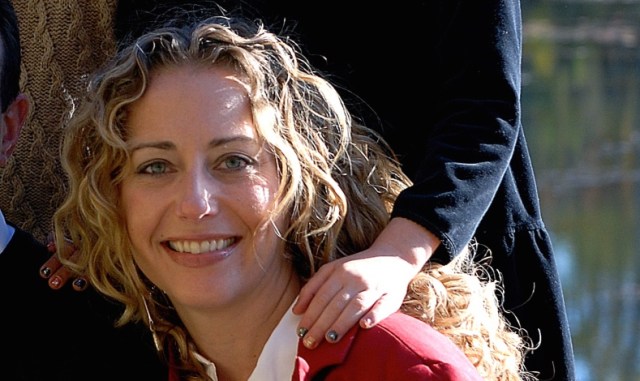
12484624_10206018072066527_4310130273029782802_o-768x768Adoption and Foster Care Community – hosted by Stephanie McKeever. Stephanie and her husband are parents of boys, one a young adult with both physical and intellectual disabilities. God is teaching her big things through her family’s trials that she probably would have never learned without them. You can find more from her through her blog, where she shares what Christ is teaching her through her son and disability, intellectual and physical.

12472351_10156717070905052_8408458385436528081_n

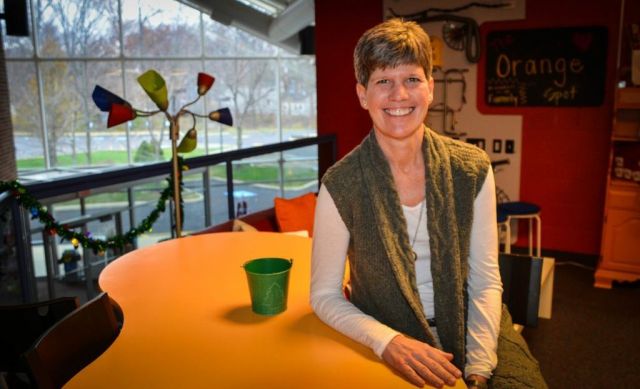
Autism and Asperger’s Disorder Community – hosted by Sarah Broady. Sarah is married to her college sweetheart, Kyle, who is a worship pastor where they live in Somerset, KY. The second of their three sons was diagnosed with autism at the age of 2.

Sarah advocates for children with autism within her state to boards making decisions impacting insurance benefits for children with autism. She has testified before House and Senate and committees when she lived in Maryland to secure more openings on the autism waiver. She has also lobbied on Capitol Hill for meaningful policies and laws that benefit families living with autism.

Her greatest desire is to reach the hearts of special needs parents and give them the hope that is found in Christ. Sarah blogs about raising a son with autism at Hope in Autism.

2015-Headshot-200x200Homeschooling Parents of Kids With Disabilities – hosted by Jennifer Janes. Jennifer is a writer, speaker, and work-at-home mom to two daughters, ages 10 and 12 years old. She is a former public school teacher and spent a year as an artist-in-residence for the regional arts and humanities council. She is also an advocate/case manager for her younger daughter, who has multiple special needs.

She co-authored Homeschooling: What to Do When You Want to Quit, The Big Book of Homeschool Ideas, iBlog, iBlog Pro, Well Planned Homeschool, Focus on Special Needs, and 31 Days of Encouragement for the Homeschool Mom. 

1609918_10203605602038925_6432357414593978705_nMental Health Community – co-hosted by Dr. Steve Grcevich and Julie Brooks. Julie is a nurse and tireless advocate for families impacted by mental illness. She and her husband (Todd) live in Lewisville, TX and lead a Grace Group at Fellowship Church. Their middle son (Carson) lived with chronic bipolar illness much of his life. He took his own life in July of 2010. He was 18.

Julie’s family believes and trusts in Jesus Christ for direction in this journey. With their eyes wide open, they intend to live each day with no regrets; as such, Julie transparently shares through her blog her family’s thoughts, research…and pain.

SandraMinistry Families Impacted By Disability – hosted by Sandra Peoples. Prior to joining Key Ministry, Sandra served as editor of Not Alone, a collaborative website featuring authors who are raising children with special needs in the Christian faith. Her family resides outside of Houston, Texas where her husband (Lee) is planting a new church. They have two sons, one with autism.

Sandra has a degree in English from Hardin-Simmons University and a Master of Divinity degree from Southeastern Baptist Theological Seminary. A year after her son’s autism diagnosis, Sandra wrote a book about her family’s experiences – Speechless: Finding God’s Grace in My Son’s Autism. Together, Lee and Sandra wrote Held: Learning to Live in God’s Grip: A Bible study for special-needs parents.

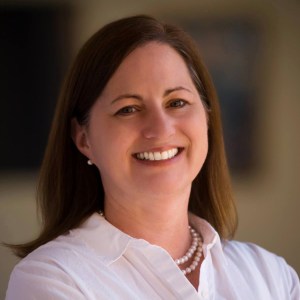
Karen CrumParents of Adult Children With Special Needs – hosted by Dr. Karen Crum. Karen has a doctoral degree in Public Health and Preventive Care. She promotes the health and well-being of children with autism and mental illness. She has developed and presented programs to support special-needs children, and currently focuses on educating and supporting parents as they care for their children with social, emotional or behavior challenges.

Karen’s newest mission includes her work with a Christian focus. She is the author of Persevering Parent: Finding Strength to Raise Your Child with Social, Emotional or Behavior Challenges. Her book points to God’s truths and to practical and spiritual principles that enhance hope, joy and effective special-needs parenting.

head-shot-1-1-300x300PTSD and Trauma Community -hosted by Jolene Philo. Jolene Philo is the daughter of a disabled father and the mother of a child with special needs. After 25 years as an elementary teacher, she left education in 2003 to pursue writing and speaking. She’s the author of several books about special needs parenting, caregiving, special needs ministry and her most recent book, Does My Child Have PTSD?  Jolene speaks throughout the United States about parenting children and adults with special needs and post-traumatic stress in children. Her blog provides resources and encouragement for parents of kids with special needs.

To join any or all of these Facebook communities, register here today! Feel free to share the link with any interested friends or family members.

***********************************************************************************************************

shutterstock_24510829Key Ministry is pleased to make available our FREE disability ministry consultation service to pastors, church leaders and ministry volunteers. Got questions about launching a ministry that you can’t answer…here we are! Have a kid you’re struggling to serve? Contact us! Want to kick around a problem with someone who’s “been there and done that?” Click here to submit a request!

Posted in Advocacy, Families, Key Ministry | Tagged , , , , , , , , , , , , , , , , , , | 2 Comments

Our first seven Facebook communities for families impacted by disability

KM_ForFamilies_Logo_Color_RGB

Editor’s note: This post was updated to reflect that SEVEN Facebook communities are now  up and running for families of kids with disabilities, including a group led by Sandra Peoples for ministry families impacted by disability. Click here for the updated post.

Posted in Advocacy, Families, Key Ministry | Tagged , , , , , , , , , , , , , , , , , , | Leave a comment

Welcoming our new teammate…Beth Golik

13063028_1034356123278935_8904754831141315337_oWe’re delighted to announce that Beth Golik is joining our team as our new ministry coordinator.
Many of our followers will be familiar with Beth from her service in the disability ministry community as Director of Special Needs Ministry at Bay Presbyterian Church, where she will continue to serve on staff in her present role, from her occasional blog posts featured here, or from her presentation for our last Inclusion Fusion web summit on curriculum alignment in special needs ministry.

Beth will be responsible for advancing the overall work of Key Ministry through overseeing the processes and functions necessary for maintaining the day-to-day operation of the ministry and supporting ministry staff, consultants and the Board of Directors. She has an undergraduate degree from Smith College and her M.A. in higher education administration from George Washington University. She has a passion for connecting people to resources through networking, relationship building and social media. Beth and her husband, Rich, can often be found sitting in the bleachers of various sporting events cheering on their three teenage boys.

We’re especially blessed to have Beth join our team as we prepare to launch Key for Families during the first week of June. She is very skillful in promoting organizational development and we very much look forward to her wisdom and direction in building a ministry that will be sustainable for the long run if Jesus delays in his return.

For those who missed it, here’s Beth’s presentation from Inclusion Fusion describing how her church writes curriculum for their special needs ministry to align with the messages parents and siblings are hearing each Sunday morning…

Welcome aboard, Beth!

***********************************************************************************************************

shutterstock_24510829Key Ministry is pleased to make available our FREE disability ministry consultation service to pastors, church leaders and ministry volunteers. Got questions about launching a ministry that you can’t answer…here we are! Have a kid you’re struggling to serve? Contact us! Want to kick around a problem with someone who’s “been there and done that?” Click here to submit a request!

Posted in Key Ministry | Tagged , , , , , | 2 Comments