Why we can’t acknowledge the presence of evil

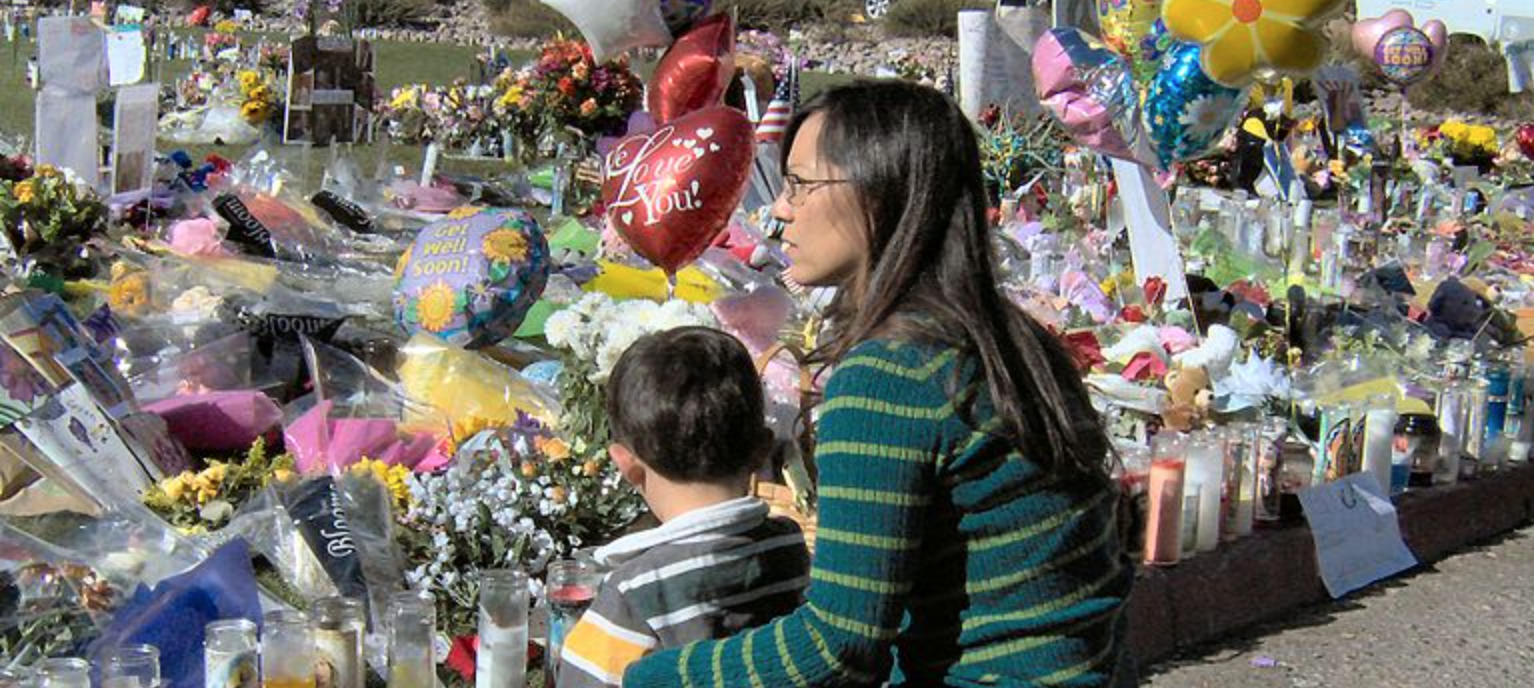
Photo by Wayno Guerrini

The shooting that took place yesterday at Umpqua Community College. The TV reporter and her cameraman who were shot last month in Virginia in the middle of an interview they were doing for the morning news. The school shootings we experienced here in our local community several years ago. The six month old girl who was shot through the chest and killed here in Cleveland last night while riding down the street in a car with her family… in the same month as a five year old and three year old in the city were killed in drive-by shootings. What do they have in common?

Evil.

Evil is the cause of incidents like this one…evil and profound spiritual poverty. Not guns. Not the absence of mental health services. Evil.

We have one group of people arguing that access to guns is the cause of events such as yesterday’s massacre. If we only had more laws controlling access to guns, events like yesterday wouldn’t occur. I’d argue that someone who doesn’t care about the laws on the books about murder isn’t going to care about laws on possessing or obtaining guns.

Gabby_returns_to_house_8_1_11Another group of people argues that our problems with violence result from a lack of mental health services. Media reports about yesterday’s perpetrator include descriptions of him having been quiet, withdrawn, socially awkward and quoting witnesses who report his mother believed he had mental health issues. It’s true that in many of these shootings, the perpetrators had significant issues with social interaction and communication. In the cases of the Colorado theater shooter and the Arizona gunman who shot congresswoman Gabby Giffords, the perpetrators appeared to be experiencing psychotic illness. But we have MILLIONS of people with social anxiety, high-functioning autism and serious mental illness who don’t go out and randomly kill strangers.

I’d also add that as a psychiatrist, mental health treatment has little to offer someone who purposefully and intentionally plans to kill others. We have treatments that can help when people lose touch with reality or have diminished capacity for self-control as a result of mood disorders or problems with executive functioning. When someone has the ability to execute a plan in which they acquire four guns (and the ammunition for the guns), identify a school to target, drive to that school, walk to a classroom, take the time to ask people (by some reports) whether they’re Christians and chooses to shoot them in the head if they answer yes, we have NO PILL and NO TREATMENT to stop them from doing so.

We live in a bad world with a lot of really bad people.

Too many of us don’t want to admit it because to do so, we’d have to acknowledge that there are absolute standards of right and wrong established by God and that’s not acceptable in a world in which everyone thinks they can decide that for themselves. We very much want to be in control…be the masters of our own universe.

The search for a solution through gun control or mental health intervention represents a desperate attempt to temporarily relieve our fears while maintaining our sense that we can keep everything under control without having to submit to a reality larger than our own wants and desires.

We don’t have a gun problem. We have a SIN problem. And all the laws in the world won’t fix it. Go read the first 70% of your Bible. God handed down Ten Commandments to the people of Israel, and the people sought to keep hundreds of laws governing religious practice and everyday life. How’d that work out?

Why was yesterday’s shooting wrong? Doesn’t everybody have the “autonomy” or “dignity” to decide right and wrong for themselves? Obviously, the perpetrator didn’t think it was wrong. Who are we to judge?

We know in our hearts what is right and wrong because God created us with a conscience. But if we repeatedly ignore the warnings of our conscience and refuse to acknowledge and give the proper honor to the One who created us with a conscience, God allows us to continue to pursue the path we choose.

Romans 1:18-32 is one of the most tragic passages in the Bible I can imagine. It describes the outcome when we choose to turn away from God. It’s also an extraordinarily accurate description of our dominant culture…

For the wrath of God is revealed from heaven against all ungodliness and unrighteousness of men, who by their unrighteousness suppress the truth. For what can be known about God is plain to them, because God has shown it to them. For his invisible attributes, namely, his eternal power and divine nature, have been clearly perceived, ever since the creation of the world, in the things that have been made. So they are without excuse. For although they knew God, they did not honor him as God or give thanks to him, but they became futile in their thinking, and their foolish hearts were darkened. Claiming to be wise, they became fools, and exchanged the glory of the immortal God for images resembling mortal man and birds and animals and creeping things.

Therefore God gave them up in the lusts of their hearts to impurity, to the dishonoring of their bodies among themselves, because they exchanged the truth about God for a lie and worshiped and served the creature rather than the Creator, who is blessed forever! Amen.

For this reason God gave them up to dishonorable passions. For their women exchanged natural relations for those that are contrary to nature; and the men likewise gave up natural relations with women and were consumed with passion for one another, men committing shameless acts with men and receiving in themselves the due penalty for their error.

And since they did not see fit to acknowledge God, God gave them up to a debased mind to do what ought not to be done.  They were filled with all manner of unrighteousness, evil, covetousness, malice. They are full of envy, murder, strife, deceit, maliciousness. They are gossips, slanderers, haters of God, insolent, haughty, boastful, inventors of evil, disobedient to parents, foolish, faithless, heartless, ruthless. Though they know God’s righteous decree that those who practice such things deserve to die, they not only do them but give approval to those who practice them.

Romans 1:18-32 (ESV)

shutterstock_139126682We can’t acknowledge the true reason behind the mass shootings that have become increasingly commonplace in our country because if we do so, we activate the consciences of the politicians, financiers, academics, thought leaders and media people who shape the culture and their followers who have rejected God and His truth as revealed through the life and person of Jesus. We’ve seen how angry they can become when the fallacies of their ways come to light and how determined they are to protect their supporters from “microaggressions” that might challenge their to rethink their worldview or lifestyle.

I would hope that God would give me the courage to speak the truth if I’m ever in a situation similar to those in Oregon who were asked if they were Christians after seeing others shot in the head for answering affirmatively. But if we can’t acknowledge Jesus and seek to live in submission to his truth in our daily lives, we’re living a lie of our own creation and denying our families and loved ones a witness to the only truth that really matters.

Posted in Controversies | Tagged , , , , , , , , , , | 10 Comments

The instinctual trauma response

Child's Brain PTSD shutterstock_114591085

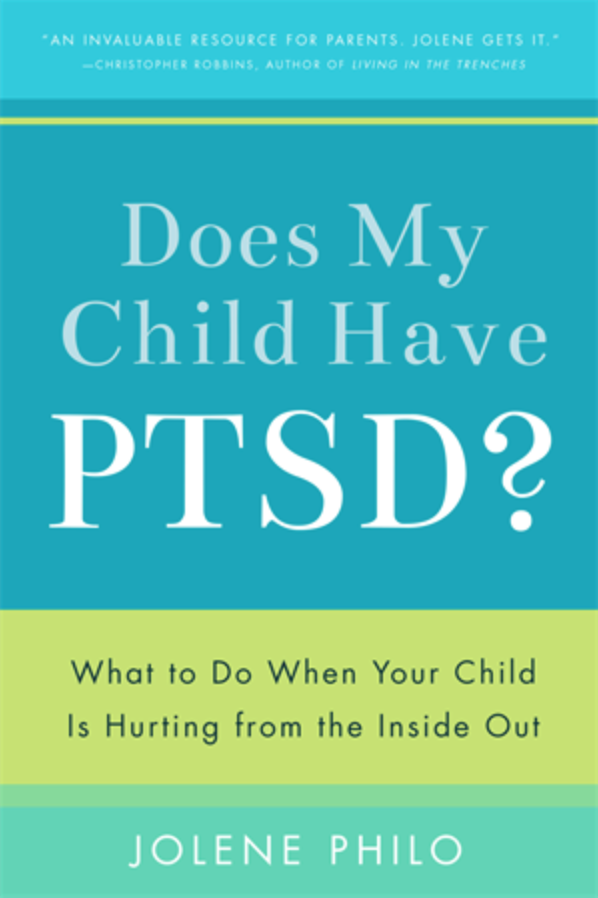
Editor’s note: On behalf of the staff and Board of Key Ministry, we’d like to extend our congratulations to Jolene Philo for having received a “starred” review in Publisher’s Weekly (the top review publication in the U.S.) for Does My Child Have PTSD? A starred review means the book should get a second look from libraries, book stores, and other entities that can get it into the hands of families who need it. This is a truly special honor…this is the first such honor ever received by her publisher (Familius). Here’s Jolene…

Welcome to the fifth post in an ongoing series about childhood trauma and PTSD. So far, the series has explained why I write about PTSD in children, what words like childhood developmental trauma and PTSD mean, myths about this mental illness, and what causes childhood trauma.

The Instinctual Trauma Response (ITR) Model

Today’s post takes a look at how the brain responds to perceived danger. Many models exist about the brain’s instinctive response to threat. The one that makes the most sense to me–and I hope will make sense to you, too–is called the Instinctual Trauma Response (ITR) model. It was developed by Dr. Louis Tinnin and Linda Gantt, the founders of Intensive Trauma Therapy, Inc. (ITT) in Morgantown, West Virginia.

ITR’s Seven Stages

In the 1990s Tinnin and Gantt identified a consistent pattern of response to threatening events. The pattern is common in both children and adults and consists of seven stages. Here is a brief look at each stage.

Startle: A quick, intense response which puts the body on high alert.

Thwarted intention: After the initial startle, the body releases a surge of hormones to prepare for fight or flight. When fight or flight aren’t possible, the thwarted intention response kicks in.

Freeze: The body enters a frozen state of numbness and immobility, at least for a moment or two, when intentions are thwarted and there is no hope of escape.

Altered state of consciousness: If the freeze state lasts for more than a few moments, many people enter an altered state of consciousness. Adults often describe this state as watching a movie of themselves or that they feel themselves shrink deep inside their bodies and their bodies seem to become shells.

Body sensations: A variety of sensations, such as pain, can experienced during different stages in the ITR model. All of the sensations are stored as non-verbal memories (in both children and adults) and are stored in the right brain. They remain there as non-verbal memories—bodily sensations that can’t be put it into words.

Automatic obedience: This instinctual response causes a threatened person to automatically obey a perpetrator’s demands in order to survive the immediate threat.

Self-repair: After the threat passes, a person tends to the emotional and physical wounds of trauma. Sleeping, eating, rocking, going to a quiet place, and washing are all forms of self-repair.

How the ITR Stages Look During Childhood Trauma

As has been mentioned before in this series, the best way to understand what happens during childhood trauma is to consider everything from a child’s point of view. So let’s re-examine each of the seven stages through child-colored glasses again.

Startle. Babies are startled by little things like a light being flipped, a pan crashing to the kitchen floor, or by unfamiliar people coming into the room. Baby fingers splay, arms go rigid, and the babies cry. Babies who have a secure primary caregiver startle less often as time goes on. Even so, toddlers and preschoolers tend to jump, gasp, or cry at things adults shake off. Their lives are a continual replay of Dorothy, the Scarecrow, and the Tin Man entering the haunted forest: “Lions and tigers and bears! Oh, my!”

Thwarted intention. Fight and flight options are nonexistent for babies. They have no way to fight or flee. Eventually, kids grow strong enough to hide from perceived danger or to pitch magnificent fits. But for the vast majority of little people, life is a series of thwarted intentions. Therefore, we should not be surprised when kids consider the world to be a more traumatic place than do adults.

Freeze. Children tend to move very quickly from thwarted intentions into the freeze state. Children who experience similar, repeated traumas go through the two previous steps so quickly and automatically may appear to have skipped themcompletely. They may freeze at the slightest hint of threat. No jump. No gasp. No attempt to fight or run. They simply freeze. Their brains may go offline for a while. If they’re young enough, they may squeeze their eyes shut because they think that when they can’t see the threat, it can’t see them either.

Altered state of consciousness. Gaze aversion may be the baby version of an altered state of consciousness. When overstimulated or threatened, they tend to disengage and shut out the stimuli. Older children enter this stage by telling themselves, “This can’t be happening. It must be a dream.” Children also flee threats through daydreaming. They hide in a world of their own making, a world they can control.

Body sensations. This step in the process can pose a great risk for infants and young children because from birth to age three, children are nonverbal. They have no words, so all their bodily sensations are recorded as nonverbal memories. The memories are like terrifying movies playing over and over inside the brain. As children get older, their rational mind can’t explain these sensations. It is no wonder that adults living with unresolved childhood trauma often think they’re going crazy.

Automatic obedience. Though it is uncomfortable to think about any child being in the situation where they reach this stage of the ITR model, it is important to understand traumas that can impact children profoundly. For children in life and death situations, automatic obedience is an appropriate survival response. Also, they live in a society that expects children to obey adults. So babies undergoing hospital procedures learn to lie quietly when people hurt them. Toddlers surrender when grown-ups touch their private parts. Young children do whatever their parents say to avoid a beating or verbal abuse. Automatic obedience is often the only survival weapon children have until their old enough or big enough to fight back.

Self-repair. Children are relieved when a traumatic situation ends. They instinctually seek out people they trust to comfort them. (Think about a baby reaching for Mommy’s arms after immunizations.) Children without a trustworthy comforters may snuggle up to their favorite blankie or a stuffed animal. They may regress and suck their thumbs again or insist on a bottle instead of a sippy cup. Older children may revert to baby talk or demand a nightlight at bedtime. These behaviors are attempts to return to a safer, more comfortable time before the trauma happened.

Hope for Those Who Have Experienced Childhood Trauma

Learning about how a child’s brain perceives and responds to danger can be disturbing unless we keep a few things in mind. First, though all children face perceived threats and go through the stages of ITR, the majority experience no long term traumatic effects. Second, children dealing with unresolved trauma or PTSD that develops from it can be successfully treated. They may recover completely if treated early enough. Even those who receive therapy years later can learn to successfully manage and cope with the residual effects. The next post in this series will discuss symptoms in children of different ages that indicate the need to seek treatment. Until then, remember much hope exists for children living with unresolved trauma or PTSD.

***********************************************************************************************************

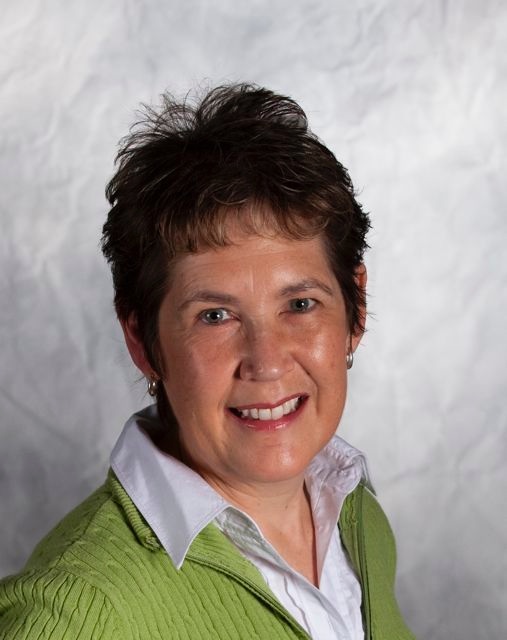
JoleneGreenSweater.jpgDoes My Child Have PTSD? is designed for readers looking for answers about the puzzling, disturbing behaviors of childen in their care. With years of research and personal expererience, Jolene Philo provides critical information to help people understand causes, symptoms, prevention, and effective diagnosis, treatment, and care for any child struggling with PTSD. Available for pre-order at Amazon.

Posted in Hidden Disabilities, Key Ministry, PTSD | Tagged , , , , , , , , , | Leave a comment

What if the church destroyed the foster care system as we know it?

shutterstock_58760644Recently the AP reported that for the first time in more than 10 years, foster care numbers rose slightly in 2013 and more sharply last year. We should be unsettled by this news, which you can read in full here. But how can we respond?

First, these numbers should break our hearts. More than 415,000 children are in limbo, waiting to see where their future will go. Of those, 108,000 are available for adoption and waiting for a family to say yes to them as a son or daughter. Yet for more than 22,000 kids in 2013, that day never came as they aged out of foster care as adults without a family of their own. If those numbers weren’t hard enough, 14% of children in foster care live in group homes instead of foster family. And 4,500+ foster children are unaccounted for as runaways, unable to deal with life in foster care but who knows what they are going through now that they are on their own and particularly vulnerable to child trafficking and other dangers.

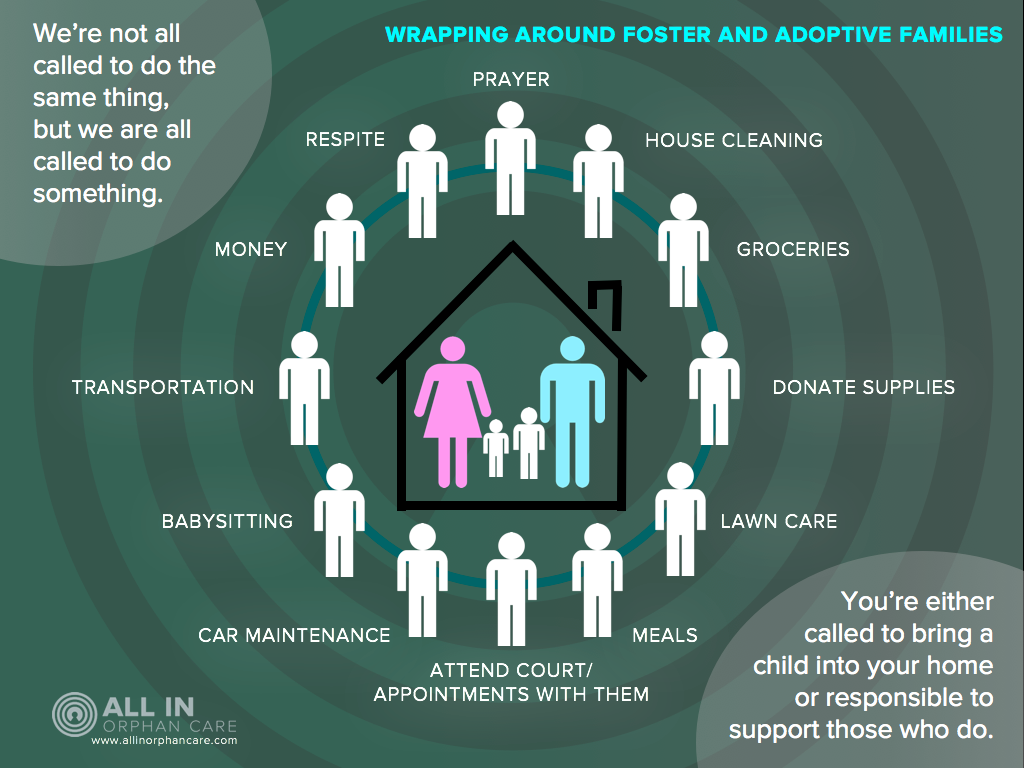
But more than breaking our hearts, these numbers should move us to action. If one family from every three churches committed to adopt one child and those three churches committed to support that family, there wouldn’t be children waiting to be adopted in foster care. Sure, there would still be temporary placements and other similar constructs, but the foster care system as we know it would be destroyed.

By the church.

Imagine that. Imagine if the church was known more for reflecting Christ like that instead of reflecting hate or intolerance. Imagine if we called families to adopt or foster and rallied around them as they say yes, with the support of one or more area churches, knowing they may need reinforcements and respite as they do battle with their children against previous traumas and fear triggers. Imagine that.

Better than just imagining, though, engage with ministries who are working to make that a reality. Some include The Forgotten Initiative, ALL IN Orphan Care, Tapestry, and The Hope & Healing Institute. If you know of others, no matter how large or small scale or how local or global the efforts, please leave a comment on this post or our Facebook page to share who they are and what they do. We’d love to share the good work being done by others in the kingdom of God!

10847606_369065879963771_8613937955680489639_o

In addition to serving as a Key Ministry Church Consultant, Shannon Dingle is a co-founder of the Access Ministry at Providence Baptist Church in Raleigh, NC.

***********************************************************************************************************

© 2014 Rebecca Keller PhotographyCheck out Shannon Dingle’s blog series on adoption, disability and the church. In the series, Shannon looked at the four different kinds of special needs in adoptive and foster families and shared five ways churches can love their adoptive and foster families. Shannon’s series is a must-read for any church considering adoption or foster care initiatives. Shannon’s series is available here.

Posted in Foster Care | Tagged , , , , , , , | 181 Comments

A great training opportunity for our friends in the Midwest…

12003393_1064530726904492_5394694705345638286_nOur crew at Key Ministry is very pleased to be involved with an excellent training opportunities next month for our friends in the Midwest.

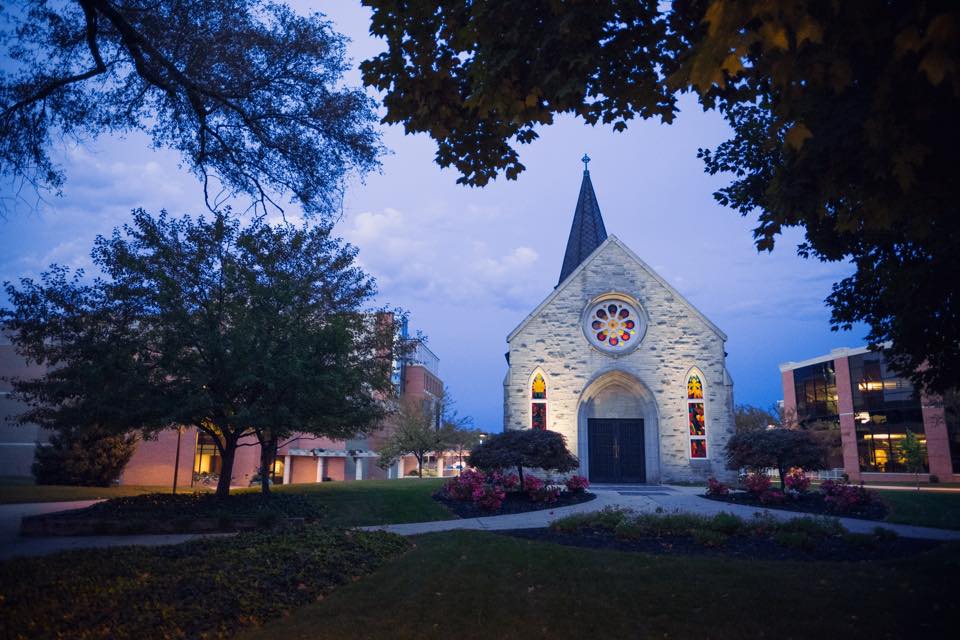
On October 16-17, we’re delighted that Ryan Wolfe will be joining Joni Eareckson Tada, Steve Bundy and the crew from Joni and Friends for their Hope in the Midst of Suffering Conference at Indiana Wesleyan University in Marion, IN.

Joni September 2015Joni will be speaking at the Opening and Closing Plenaries.  Her Opening Plenary talk is titled Jesus Beside Bethesda and the Closing Plenary will focus on Accelerating Ministry to the Marginalized at the End.

Steve and Joni will participate in a panel discussion, Following the Path of the Crucified Christ on the Path of Leadership and Ministry, while Steve offers a plenary discussion of Luke 14, the Church and Marginalized People and a workshop on Global Perspectives on Pastoral Care for Excluded People.

Ryan will be presenting a workshop on Keeping the Disabled Connected, in which he’ll be looking at ways in which personal technologies can be used to keep people with disabilities connected to the global community.

Hope in the Midst of SufferingOther outstanding speakers attending the conference include Kathy McReynolds and Ben Rhodes from Joni and Friends along with numerous members of the Indiana Wesleyan faculty.

Registration for the conference is $150.00. One-day rates and a reduced rate for groups of four or more are available. Click here to register for the Hope in the Midst of Suffering Conference.

***********************************************************************************************************

shutterstock_118324816Key Ministry has put together a resource page for pastors, church staff, volunteers and parents with interest in the subject of depression and teens. Available on the resource page are…

  • Links to all the posts from our recent blog series on depression
  • Links to other outstanding blog posts on the topic from leaders in the disability ministry community
  • Links to educational resources on the web, including excellent resources from the American Academy of Child and Adolescent Psychiatry (AACAP), a parent medication guide, and excellent information from Mental Health Grace Alliance.
Posted in Key Ministry, Training Events | Tagged , , , , , , , , , , , , , | Leave a comment

What happens when the Christians are driven out of medicine?

shutterstock_191114072From the time my older daughter was in middle school, she appeared destined for a career in medicine. She used the editor’s comments from one of my research papers as part of her eighth grade career project. She spent two summers in high school in paid research positions at Cleveland Clinic. Thanksgiving morning of her senior year in high school was spent observing a heart transplant with one of her research mentors. She completed her certification as an emergency medical technician this past summer because she wanted experience in caring for patients prior to applying to medical school.

IMG_1118She hopes to start med school in 2017 or 2018, graduate in 2022 and finish her residency and fellowship sometime between 2027 and 2030…given her research interests and temperament, she’s likely to end up in cardiology, cardiovascular surgery or cardiovascular anesthesia. While I’m confident that God is guiding her path, as her dad, I fear she’ll be required to do something that wasn’t required of me…violate the sixth commandment in order to practice as a physician in the United States.

Two weeks ago (on September 11), the California Legislature approved a bill to legalize physician-assisted suicide, following a precedent established by Oregon, Washington, Montana and Vermont.

Leaders of the “death with dignity” movement said they hoped the passage of the California law could be a turning point.

“It allows for individual liberty and freedom, freedom of choice,” said Mark Leno, a state senator from San Francisco who compared the issue to gay marriage.

The California legislator quoted by the New York Times is spot-on. The very same arguments made in the same sex marriage debate – arguments for individual dignity and personal autonomy are being used to advance a right to physician-assisted suicide. Given the widespread popularity of physician-assisted suicide (according to the most recent Gallup poll, 68% of Americans – and 81% of 18-34 year-olds approve), and the reality that nearly 20% of Americans may reside in states where physician-assisted suicide is legal, the time when the “right to die”

Bruce Abramson wrote an essay (highly recommended) in last month’s Mosaic Magazine titled How Jews Can Help Christians Learn to Succeed as a Minority in which he describes the evolution of how our leaders view the concept of religious freedom…

Berkowitz rightly casts religious freedom as but one front in the philosophical—and political—battle between liberalism and progressivism. A clear line of difference, beginning with the classical liberal preference for freedom and the rule of law versus the progressive preference for equality and justice, and continuing to manifest itself in the classical liberal preference for “negative” rights that no government may legitimately infringe (as in the U.S. Bill of Rights) versus the progressive preference for “positive” rights like housing, food, and health care that someone must provide (as in many European constitutions), has fed into the practical debate between the liberal view of government as protector (emphasizing military, policing, and the courts) and the progressive view of government as provider (emphasizing entitlements and the welfare state).

Peter Berkowitz, writing in the same magazine, supported the observation made by the California legislator that pertains to our discussion of Christians in medicine…

The larger truth is that we have reached a watershed moment in American law, society, and culture: for the first time, avoiding participation in a given event or activity can now be construed as violating someone else’s civil (or human) rights—and can be actionable as such—even when the avoidance has been dictated by a religious conviction.

Physician-assisted suicide was mandated last year in Canada by a decision of their Supreme Court. The response of the Canadian Medical Association to attempts to enact conscience protections for physicians unwilling to assist their patients in ending their lives was consistent with the new paradigm that religious conviction is a secondary consideration to the rights of others to demand a service…

Conscientious objection was a contentious issue, with 79% of delegates voting against a motion to support conscientious objectors who refuse to refer patients for medical aid in dying.

“What we expect from physicians, at a minimum, is that they provide further information to patients on all the options including the spectrum of end-of-life care and … how to access those services,” CMA Vice President of Medical Professionalism Dr. Jeff Blackmer told reporters at a press conference Aug. 26.

shutterstock_1515432Given two converging trends in society…the perspective that individual conscience must take a back seat to the desires of persons demanding a product or service made available to the public and the determination among activists that accommodations not be made available to public employees, the right-of-conscience exceptions present in assisted suicide laws in the U.S. won’t be in place for long.

Kim Davis has been in the news for her refusal to sign marriage licenses in her position as an elected county clerk in Kentucky. Because she is a public employee in a state where the legislature has not been in session to approve accommodations for employees who cannot comply with the recent Supreme Court decision addressing same-sex marriage, she has been sent to jail and become the target of a very public #DoYourJob Twitter campaign.

All practicing physicians in the United States are required to maintain a medical license in each state in which they practice. The vast majority of physicians (and essentially all hospitals) receive government payment for services provided from Medicare and/or Medicaid. What will happen when activists insist that willingness to provide assistance with suicide is a precondition for licensure or the ability to participate in government-funded healthcare programs?

Our existing religious freedom laws require a “balancing test” in which the government is required to demonstrate a “compelling interest” in enforcing laws that might result in religious believers violating their consciences. What hope do physicians have from maintaining a right to object to assist patients in committing suicide when the “compelling interest” of the government would appear to be far stronger than the interest in forcing bakers and florists to provide goods and services for same-sex marriages?

Right of conscience objections in medicine have primarily been a concern to this point for OB/GYNs and medical students and residents required to rotate through OB/GYN as part of their required training. A mandate for physicians to assist patients demanding help in ending their lives would potentially impact most physicians involved with direct patient care. Lest we think pediatricians and psychiatrists will be exempt, physician-assisted suicide for children was legalized in Belgium last year, and a clinic specializing in assisting psychiatric patients who want to die opened in the Netherlands in 2012. For that matter, here’s a news story published yesterday in which a doctor in the Netherlands was reported to the Medical Board for the equivalent of malpractice for refusing to help a 19 year-old woman with depression and lupus to end her life.

But what about the Hippocratic Oath? All but one U.S. medical school has stopped using the traditional oath (that prohibits abortion and physician-assisted suicide). The reasons why the Oath is no longer used are summarized by the Chief of Medical Ethics at Cornell…

“Do you want to impose an oath on students that probably half of them could not agree to?

“The prescriptive oath, in a sense, is one that purports to have all the answers,” he added. “This breaches the notion of a community. What should mark the professional community today is the willingness to engage ideas and be reflective, all in the service of advocating for patients.”

Consider the consequences when requirements imposed upon physicians to assist patients requesting help in committing suicide become incompatible with an understanding of the sanctity of life as understood from traditional Biblical teaching and principles…

  • What happens when all the Christians are gone from medical school and hospital ethics committees?
  • What happens when all the Christians are gone from government agencies and insurance bureaucracies that determine what medical treatments will and won’t be paid for?
  • What happens when the Christian hospitals close their doors because the faith precludes them from assisting patients who demand help in committing suicide or referring patients to physicians or hospitals that will help them?
  • Who will stand up to defend the dignity and value of persons with disabilities, the elderly, or those in need of expensive medical treatments who aren’t well-connected politically when the cost competes with other societal priorities?

Shannon will be sharing a series of posts in October on the topic of abortion as it relates to our work in disability ministry. The horror of the recent videos describing practices at Planned Parenthood in which organs were being harvested from pre-born children (and in a few instances, children who had been born alive) and being sold for profit has led to many in the Christian community to consider more carefully what it means to be “pro-life.” But sooner than many of us would like, we’ll need to consider the costs of championing the sanctity of life among those with chronic or painful illnesses when society offers the “right to die” …followed inevitably by the duty to die.

God loves my daughter immeasurably more than my wife and I will ever be able to and I’ll have to trust that He’s in control if the doors are opened for her to practice medicine in the fields for which she has interest and passion. I hope she won’t have to choose between violating her conscience or relocating to another state or country if she is to pursue her calling with the gifts, talents and training God plans to give her.

***********************************************************************************************************

shutterstock_24510829Key Ministry is pleased to make available our FREE consultation service to pastors, church leaders and ministry volunteers. Got questions about launching a ministry that you can’t answer…here we are! Have a kid you’re struggling to serve? Contact us! Want to kick around a problem with someone who’s “been there and done that?” Click here to submit a request!

Posted in Controversies, Key Ministry | Tagged , , , , , , , , , , , , , | 3 Comments

Simply the right thing to do…

shutterstock_124637110Editor’s note: Shannon Dingle did her first guest blog for us over four years ago. Her message from that day (sadly) is no less timely today.

I just watched The Blind Side with my husband this weekend, but I already knew about one scene. I had heard about it from a sermon or two and read about it in at least one book. In it, Big Mike looks around his new room and tells Leigh Anne Tuohy, the mom of the family who welcomes him into their home, “I’ve never had one before.” She says, “What, a room to yourself?” And he says, “No, a bed.” As she walks away, tears in her eyes, it’s obvious that she has been faced with a reality that is starkly different from her own.

If I want to go to Sunday school or a worship service, I do. If I want to serve in a ministry on Sunday morning or go to our church’s monthly leadership training, it’s not a problem. I have a two-year-old son and a four-year-old daughter, and if I want to do those things, I just take my kids to their class or childcare. If we need a babysitter, we call the girls across the street, even occasionally allowing the eleven-year-old to watch them for short stretches.

Like Leigh Anne in The Blind Side, I don’t regularly think about what life is like for kids without beds as I place my son in his bright blue racecar bed each night. And I don’t think twice about bringing my children to church or calling a trustworthy young sitter to come over so my husband and I can have a short date.

For many families, this isn’t an option. Due to their child’s special needs, they don’t know what to expect from church. Or maybe they’ve tried and been turned away. When my friend Amanda’s son – who loves cars and has autism – was having a tough time in a church’s children’s ministry, she spoke with the ministry leader. At the end of the call, the leader commented, “”I still can’t promise you it’s going to work.”

I’ve never had the children’s ministry pastor tell me that it might not work out for my kids to come to church. And, if your child doesn’t have special needs, you probably haven’t either.

I don’t know what it would take to make all church leaders have a “no, a bed” sort of realization about the need to welcome families with special needs, but work like what Key Ministry does is a start. Churches who turn away families with special needs don’t typically do so because they’re malicious or mean-spirited. In my experience, they’re either (a) ignorant, in that they don’t know there is a need, or (b) ill-equipped, meaning that they’ve realized the need but have no idea where to begin.

At the beginning of The Blind Side, the coach is advocating for Mike to be admitted to the private school. In doing so, he argues that it isn’t about athletics; it’s simply the right thing to do. He says that they ought to paint over the word Christian on their school name if they aren’t going to act like it.

Can we still call ourselves churches if we don’t care enough about others to consider their lives and their needs? Or would it be more accurate to paint over “church” and replace it with “country club” or “social group” instead?

In addition to serving as a Key Ministry Church Consultant, Shannon Dingle is a co-founder of the Access Ministry at Providence Baptist Church in Raleigh, NC.

***********************************************************************************************************

shutterstock_24510829Key Ministry is pleased to make available our FREE consultation service to pastors, church leaders and ministry volunteers. Got questions about launching a ministry that you can’t answer…here we are! Have a kid you’re struggling to serve? Contact us! Want to kick around a problem with someone who’s “been there and done that?” Click here to submit a request!

Posted in Advocacy, Inclusion, Key Ministry | Tagged , , , , , , , | 1 Comment

What Causes PTSD in Children?

Causes shutterstock_217708963When adults think about what causes PTSD in children, most have an easy time coming up with a short list. Physical, sexual, and verbal abuse make the list. So do natural disasters like tornadoes, hurricanes, floods, and earthquakes. Unexpected events like car accidents and fires usually make the list. Most people add violent events such as war, terrorist attacks, and kidnapping. Neglect, hunger, homelessness, and poverty and other environments of deprivation may be included.

Adults think of those items because they can be traumatic to anyone of any age. However, many other situations or events that adults consider to be benign can cause PTSD in children. The reason goes back to the definition of trauma discussed in part two of this series. That post said childhood trauma springs from the scary, painful, and yucky bits of childhood.

Causes of PTSD in Children

When we think of what causes PTSD in children, it’s essential to view life events through child-colored glasses. Those glasses make us small and powerless. At the same time, the adults in our lives become large and all-powerful. From that vantage point, the list of what can be scary, painful, and yucky grows quickly and looks something like this.

  • Physical, sexual, or emotional abuse
  • Observing a loved one being abused
  • Becoming a victim of bullying
  • Witnessing violence at home, at school, or in the community
  • Watching media accounts of traumatic events
  • Experiencing a devastating illness or death
  • Undergoing frequent family moves or repeated foster care placements
  • Experiencing homelessness
  • Poverty and racism
  • Surviving car or plane accidents
  • Experiencing falls or athletic injuries
  • Living through earthquakes, floods, severe storms, fires, or other natural disasters
  • Witnessing war or terrorism
  • Living as a war refugee
  • Experiencing medical trauma
  • Adoption
  • Moving
  • Divorce

Causes of PTSD in Babies

For babies, the smallest and most dependent humans, other items must be added to the list, also.

  • Trauma experienced by pregnant mothers
  • A difficult birth
  • Leaving the mother’s warm, dark, enclosing womb and entering a cold, brightly lit, roomy delivery room after an uneventful birth
  • Washing, weighing, and measuring the infant before allowing mother and baby skin-to-skin time
  • Invasive medical procedures and surgery, including circumcision
  • Abrupt separation from the birth mother
  • Colic and other digestive issues like reflux
  • Painful and reoccurring illnesses and conditions such as ear infections and diaper rash
  • Neglect of basic needs including hunger, physical and emotional comfort, touch, and bonding time with the caregiver

9 PTSD Risk Factors for Children

Learning about all the possible causes of childhood PTSD can be alarming. Almost every child has experiences a few things found on the above lists. The good news is that most children don’t develop PTSD after experiencing traumatic events. Research is being conducted to discover why some children are more resilient than others. But mental health care professionals already know some factors exist that increase the risk of developing PTSD.

  1. Prior history of traumatic events. Children exposed to frequent trauma are more likely to develop PTSD.
  2. The type of traumatic event. Witnessing violent events or the abuse of a parents are more traumatic to kids than natural disasters.
  3. The reaction of parents and caregivers. Children are more likely to be impacted by a trauma if their parents show a great deal of distress about what happened.
  4. The relationship of the child to the perpetrator of the event. Abuse by people close to the child results in PTSD more than abuse by a stranger.
  5. The child’s mental health history. A child already diagnosed with a mental condition is at greater risk of developing PTSD after a trauma.
  6. The child’s temperament. PTSD is more likely to develop in children with difficult personalities or who display antisocial behavior.
  7. The age when the trauma occurs. The earlier the trauma, the greater the risk of PTSD.
  8. Family history. Children of parents have PTSD are more likely to develop PTSD.
  9. Genetics. Certain gene variations increase the risk of developing PTSD. Also, two times as many girls as boys are diagnosed with PTSD.

PTSD in Children Is Not Hopeless

Once again, learning about the many causes of trauma in children can be alarming. But remember that not every child who is traumatized develops PTSD. In fact, parents and professionals can employ many techniques to help children process traumatic events and prevent PTDD. And children who do develop PTSD can receive treatment and therapy to help them heal and cope. So come back for future posts in this series to learn more about PTSD in children, including how to prevent and treat it. Until then, stay hopeful!

***********************************************************************************************************

Does My Child Have PTSD?Author Jolene Philo was always told that “”babies don’t feel any pain”” and that her son would not remember the traumatic surgeries and hospital visits he endured as a young child. However, research has shown that when childen experience medical illness, witness violence, or are abused, it can leave a lasting effect. According to recent studies, fifty to sixty percent of children who experience these traumas early in life may suffer from a form of PTSD, leading to issues in childhood, through adolescence, and even into adulthood. Does My Child Have PTSD? is designed for readers looking for answers about the puzzling, disturbing behaviors of childen in their care. With years of research and personal expererience, Philo provides critical information to help people understand causes, symptoms, prevention, and effective diagnosis, treatment, and care for any child struggling with PTSD. Available for pre-order at Amazon.

Posted in Hidden Disabilities, Key Ministry, Mental Health, PTSD, Resources | Tagged , , , , , , , , , , , | 1 Comment

What if church leaders shouldn’t be church leaders?

shutterstock_293389358Editor’s note: I’m not very happy. Over the last month or so, I’ve heard each from one or two devout Christian friends every week who are no longer attending church because of issues they (or a family member) experienced  with pastors or church staff members. We get these comments all the time on the blog and on the Key Ministry Facebook page. Today’s post isn’t intended to criticize the church but to challenge the church.

My wife and I belong to a very good church. We have several excellent teaching pastors, a senior pastor who is highly respected as an organizational leader based upon his record of accomplishment in both business and ministry, outstanding people in our specialty ministry areas (including family ministry and disability ministry) and many gifted church members empowered to serve both within and outside the walls of the church. A prime motivation for the launch of Key Ministry thirteen years ago was the desire to see other families experience the opportunity to come to know Jesus and grow in faith through removing the barriers to involvement in churches like ours.

I also come across lots of people who have been very involved with church who have been deeply hurt…or are deeply hurting from their experience. Some are pastors and church staff members who have come through he doors of our office together with their families. Others are followers or supporters of our ministry who post comments or send private messages describing their experiences.

Our ministry works with lots of fabulous churches and church leaders in every corner of the U.S. and beyond. At the same time, as someone with the privilege to enter the lives of many, many families both inside and outside of “church world,” I’ve found myself beginning to question whether many/most of our churches are meaningfully impacting the people in the communities they’re positioned to serve.

We have a parallel problem in my line of work in that finding and hiring non-physician clinicians (psychologists and counselors) with the knowledge, skill and dedication to produce the results parents expect when their kids need mental health treatment is an enormous challenge. I know there are lots of people out there in my field or related fields who hang out a shingle and see many, many kids and families who don’t get better under their care.

If it’s tragic that a kid will needlessly suffer for months or years because they and/or their family had a suboptimal interaction with a mental health professional, how much greater is the tragedy when a kid or family has an negative experience with a representative of the church with eternal consequences?

Individual congregations and the church as a whole need to develop a model for helping pastors and church staff members to transition to other vocations for a season…or longer, if appropriate. For that matter, maybe paid ministry work is something that many people could do for a season of life without becoming dependent upon ministry for their livelihood?

From where I sit, we have far too many people doing “professional” ministry when they probably shouldn’t be because they lack the training, education, gift set or experience to support their families by some other means. I routinely hear stories from faithful friends who leave churches after their ministry involvement became threatening to staff who demonstrated insecurity in their positions. We have lots of other people who one led impactful ministries who, for any of the reasons listed below are struggling to have the impact they may have once had…

Burnout/fatigue: What do we do for pastors and other church leaders who become worn down over years by the burdens of ministry? One pastor friend of mine shared that he would regularly get together for dinner with a group of friends in the ministry. At one point, all but one member of their group was using a breathing machine at night because of problems with sleep apnea. Jolene Philo is in the middle of sharing a series on PTSD on this blog. What do we do with our pastors who become traumatized over time by their experiences in ministry? They’re often among the first responders when a family discovers the body of a loved one following a suicide attempt or caring for friends and neighbors following accidents, illnesses or natural disasters. What happens to the caregivers when they become overwhelmed?

Here’s an interesting article with lots of statistics describing the scope of the challenges our pastors face.

Marriage/family issues: I have lots of firsthand experience with this one. For many pastors and church leaders, the pressure to maintain a family that appears healthy on the surface can become overwhelming.

This is why I left you in Crete, so that you might put what remained into order, and appoint elders in every town as I directed you—if anyone is above reproach, the husband of one wife, and his children are believers and not open to the charge of debauchery or insubordination.

Titus 1:5-6 (ESV)

One of the most disheartening experiences I’ve ever encountered as a clinician involved a family I saw after the father (a pastor) lost his job because his church board interpreted the behavioral issues manifest in their adopted son as evidence that he was unfit for ministry quoting the verses cited above. At the same time, Scripture does tell us that after our relationship with Jesus, our relationships with our spouses and our children are of the highest priority. When a pastor or church leader has a spouse or a child with a serious mental health issue, caring for that person (and other family members) can become an all-consuming endeavor and impact their ability to do their job. How can we help them to be faithful in those places where God has uniquely positioned them at times when the effectiveness of their public ministry begins to suffer?

Spiritual issues: What do we do with church leaders with little faith…or leaders who were never really believers in the first place? In researching this topic, I came across the website of The Clergy Project…a non-profit launched by atheists “to provide support, community, and hope to those current and former religious professionals who no longer hold to supernatural beliefs.” with membership numbering in the hundreds. How are we intentional in reviving the faith of leaders in whom faith has waned?

shutterstock_208411924Moral failures incompatible with leadership: Scripture instructs us to “confess your sins to one another and pray for one another, that you may be healed.” James’ instruction came at a time when church leaders were, for the most part, “bi-vocational” in that they supported themselves financially through work outside their ministry. Peter was a fisherman and Paul was a tentmaker. When setting aside leadership status in the church means losing one’s livelihood, we’ve created an enormous incentive for leaders to sweep scandal under the rug. When scandal comes to light, incalculable damage is done to the reputation of Christianity…and the church.

I’ve heard recently of two pastors who committed suicide…one in a community not too far from where we live, the other in a different part of the country. From what I understand, both men had been unfaithful to their spouses. When a doctor or a teacher or a police officer experiences moral failure they may encounter a spiritual and/or family crisis, but they typically aren’t in danger of losing their job, professional status and the income that goes along with their job. When a church leader falls, they typically lose everything if they’re not trained for some other line of work. For some, the pressure becomes too much to bear.

One of our readers who is married to a man in ministry messaged me privately about her experiences earlier this month…

My husband was never discipled – he said to me recently he had always believed a woman was just to be used. I figure I was his in-house whore.

The church isn’t doing its job. We are so worried about outreach we aren’t discipling our own people. What a difference it would make if we just truly concentrated and discipled and didn’t do formal outreach at all. The church would triple and quadruple because the people themselves would be sharing the gospel through their lives with their neighbors. I experienced that in a church.

We don’t do it because it is hard work and it doesn’t bring the leaders glory.

The same is true in children’s ministry – that is what I always thought was my real passion – but now God has shown me so much more of how the Church is messing up. I think it fits with disability ministries too. What a difference if we got serious about challenging our people to truly walk with God!

What my husband needed was at least one man to walk through life with him after his confession. A man of God who is the Godly leader in his own home. A strong man who would challenge him, hold him accountable, etc.

I’m wrestling with the question of how we help families impacted by disability to come to know Jesus through the ministry of the local church when so many families who encounter the church come away with experiences very different than my family’s experience. I recently had a conversation with one of the most faithful friends I know who shared that their family is no longer attending church in the aftermath of their most recent experiences.

Our current model of “doing church” isn’t working in many places for lots of people…with and without disabilities. All of us who claim Jesus as Lord and Savior own this problem. What are we called to do?

Addendum: After writing this post, I came across an excellent blog series from Ed Stetzer on laypeople and ministry. Read this, this, this, this, this and this and feel free to comment below on how Ed’s ideas might play out in disability ministry.

***********************************************************************************************************

shutterstock_24510829Key Ministry is pleased to make available our FREE consultation service to pastors, church leaders and ministry volunteers. Got questions about launching a ministry that you can’t answer…here we are! Have a kid you’re struggling to serve? Contact us! Want to kick around a problem with someone who’s “been there and done that?” Click here to submit a request!

Posted in Controversies, Key Ministry, Leadership | Tagged , , , , , , , , | Leave a comment

Four advantages to family ministry when families are impacted by disability

shutterstock_295744346In my day job, I work with kids and families with a very complex array of emotional, behavioral, developmental, neurologic and medical conditions. I spent a long time training to do my job. I was accepted into an accelerated medical school program five days before turning eighteen, followed by a three year residency at Cleveland Clinic and a two year fellowship in child and adolescent psychiatry at Case Western Reserve University. I’m in my 30th year of doing my job. Yet, I don’t pretend to parents that I’m the expert in dealing with their child. They are. I’m their consultant. I come alongside them to help them understand the problem that led them to our practice, along with a range of safe and appropriate options for addressing the problem(s).

So…how does this relate to the church and the children’s/family ministry leader?

The church is also called to serve and to make disciples of families with the full range of disabilities – visible and invisible…without the benefit of the training I went through. Our team at Key Ministry is more than happy to help you develop an identified ministry to serve kids with disabilities in your community, but no church is ever going to be able to design a ministry program tailored to meet the needs of all kids and families with disabilities in your community. As is the case in our practice, when serving kids with disabilities, the church needs to rely on experts with the most understanding and experience of a child’s learning, communication styles and relationships…their parents!

Here are four advantages to a family ministry approach when families have kids with disabilities…

  • Most of the time, parents of kids with a disability will be more effective at sharing important truths with their child affected by a disability than the most talented children’s pastor. A children’s pastor, volunteer or small group leader probably doesn’t have the training to communicate important faith concepts most effectively with every child, especially kids with very unique styles of processing information.
  • Parents of kids with disabilities may have more 1:1 time with their children than parents of kids without disabilities. A key argument made by supporters of family ministry models is that kids spend far more time with their families than they do at church. When kids have disabilities, they’re often spending lots of time in the car or in waiting rooms for professional appointments and they’re less likely to be on travel teams and committed to as many activities as kids without disabilities. Parents have more opportunities for conversations related to important principles related to faith and character.
  • In many cases, parents of kids with disabilities may not have the same depth of understanding of important faith concepts as other parents if their child’s disability has been an impediment to church attendance and engagement. An approach to ministry offering resources for parents to use in guiding faith development at home is most helpful when parents struggle to identify resources on their own. We also need to keep in mind that “the apple doesn’t fall far from the tree” and kids with disabilities (especially mental illness) often have parents with the same disabilities. The parents may have had conditions while growing up that interfered with church involvement and spiritual growth. You’re discipling the parents so they can disciple their kids.
  • A family ministry approach allows you to “redefine your win” in serving families of kids with disabilities and offers your ministry volunteers a greater appreciation of the impact they make through serving. The “win” for the church in disability ministry occurs every time any family member of a child with a disability connects meaningfully with their larger family in Christ through the ministry of a local church.

A couple of years ago, I was with our team when they were doing an out of town training event. A volunteer expressed great frustration at her inability to get through the day’s lesson with a child who has a severe developmental disability. Our team reminded her that even if the child she served learned nothing during the time they were at church, her parents had the opportunity to hear their senior pastor teach on an important topic knowing that their child was well-cared for, her parents were able to share what they learned with her two brothers who never got to attend church when younger because of their sister’s disability, and the church’s middle and high school ministries now had the privilege of serving the brothers because the family had a church home and her parents were growing spiritually. Lots of wins there!

A family ministry approach recognizes the centrality of parents God has uniquely positioned and qualified in His plan to share His love with kids who experience differences in emotions, behavior, learning style and communication.

For additional resources on family ministry strategies when families have kids with disabilities, here are links to a blog series featured here last year, Thinking Orange: Family Ministry Strategies When Families Have Special Needs, including outstanding guest posts from Libby Peterson and Mike Woods

***********************************************************************************************************

shutterstock_24510829Key Ministry is pleased to make available our FREE consultation service to pastors, church leaders and ministry volunteers. Got questions about launching a ministry that you can’t answer…here we are! Have a kid you’re struggling to serve? Contact us! Want to kick around a problem with someone who’s “been there and done that?” Click here to submit a request!

Posted in Advocacy, Families, Inclusion, Key Ministry, Strategies | Tagged , , , , , , | Leave a comment

3 helpful responses when countries close international adoption

shutterstock_130082708

Photo: Russian demonstrators with banner read ‘No juvenile justice in Russia!’ on rally in support of U.S. adoption ban. Moscow, March 2, 2013.” Source: Shutterstock

Three years ago, Russia closed international adoptions to Americans. Next week will mark two years since the Democratic Republic of the Congo stopped issuing exit letters for adopted children, effectively halting processes there. Rumors abound about proposed legislation in Uganda that would drastically change and possibly end international adoption there.

For families caught in process, these situations are hard. However, none of these are new stories. Guatemala. Rwanda. Nepal. Ghana. Vietnam. India. Haiti. Liberia. Ethiopia. All of these countries have closed some or all of their international adoption programs.

So how should we, as the church, respond when countries close to international adoption?

  1. Mourn with those who mourn.

Let’s weep with those who thought they were going to adopt a child but then couldn’t. Let’s be heartbroken over the children who were told a mommy and daddy were coming for them, including many who met those prospective parents, only to have that promise withdrawn. Let’s grieve for the children whose options have been exhausted in their home countries when their possible doors to international adoption vanish.

  1. Cheer with those who cheer.

We are a people of justice who follow one who calls himself the Truth. As such, ethics ought to matter to us. When international adoptions halt or end somewhere in an effort to eradicate corruption and child trafficking, let us say together, “this is good.” Instead of fighting against justice crusaders, we should be linking arms with them. This sort of cooperation can also allow us to nurture needed changes so that the adoption closure isn’t just an empty gesture but rather a step toward better outcomes for vulnerable children and families.

  1. Offer light and hope and help wherever you can.

Our friends at 99 Balloons and Joni & Friends have excelled in serving those with disabilities internationally, including work with orphanages and vulnerable families. Invest in projects like Wheels for the World and global therapy training trips. If you plan a trip for your church without working with a reputable organization, please be wise and go where you can help, not just where you can feel good. Holding babies in an orphanage is fun, but it’s often not beneficial. Bringing skills that you can apply to help children, either in offering a service (such as a dental care clinic) or in training workers to serve kids after you’re gone (for example, by teaching physical therapy techniques to caregivers of children with disabilities). Traveling isn’t the only way to help, though, as sometimes money can make a bigger impact. Consider giving financially toward in-country efforts where the same money that would have funded the international adoption of one child can serve many more. Finally, be prayerful in all these things, including where God might be leading you to care for vulnerable children and families right where you live.

So how do we respond when countries close to international adoption? Mourn with those who mourn. Cheer with those who cheer. Offer light and hope and help wherever you can.

And above all, remember that while adoption can be good, it makes for a lousy idol. We don’t exalt international adoption. We worship Christ. As countries may be fickle, our God can be trusted. Always.

In addition to serving as a Key Ministry Church Consultant, Shannon Dingle is a co-founder of the Access Ministry at Providence Baptist Church in Raleigh, NC.

***********************************************************************************************************

© 2014 Rebecca Keller PhotographyCheck out Shannon Dingle’s blog series on adoption, disability and the church. In the series, Shannon looked at the four different kinds of special needs in adoptive and foster families and shared five ways churches can love their adoptive and foster families. Shannon’s series is a must-read for any church considering adoption or foster care initiatives. Shannon’s series is available here.

Posted in Adoption, Key Ministry | Tagged , , , , , , , , | 2 Comments