An Open Letter to Pastors, Biblical Counselors, Psychologists and Psychiatrists…Mitzi VanCleve

Mitzi March 22 graphicMitzi VanCleve shared this blog post yesterday with our Facebook group on Sin, Mental Illness and the Church. She gave us permission to reblog.

I’m a Christian. What I mean by that is I’m a believer and follower of Jesus Christ and therefore, I try to live my life under His Lordship. And, like most Christians I have experienced trials and afflictions of varying sorts throughout my life. This is normal and I haven’t expected that I would be exempt from that. Several of my afflictions are chronic in that they have waxed and waned throughout my life. I’m not suggesting that my experience of suffering from these afflictions is any worse than all the kinds of afflictions that a person may experience, but what I am saying is that my afflictions do indeed cause suffering and sometimes that suffering can be excruciating. The afflictions that I’m referring to are my Panic Disorder and my Pure O-OCD.

What I’d like to express in this blog is that it’s often much harder for a Christian who has a mental illness to get the help and support they need than a person who isn’t a Christian. First off, we may feel ashamed of our illness because of the stigma that still remains within some churches which suggests that mental illnesses are spiritual problems. We may even believe this kind of thing all on our own, based upon the things we’ve heard over the years. But the second reason, has to do with the fact that we often feel confused and torn in regard to seeking help. Should we seek help from a pastor or Biblical counselor or, should we seek help from a doctor; such as a psychologist or psychiatrist? The good news for me, is that I have been able to obtain help for my disorders. The bad news is that I avoided getting help for many, many years.

shutterstock_156304973There are a lot of reasons for this and those are the things that I wanted to share about in this blog/letter. But before I jump in, I wanted to express that I have the greatest admiration for all of you. I thank God for pastors and Biblical counselors; for the heart they have to serve the Lord which in turn compels them to serve His people. I have been greatly blessed in my own life by the way God has used my Pastors to teach and comfort me. But, I also thank God for psychologists and psychiatrists, especially now that I’ve benefited from your medical expertise and your desire to help alleviate the suffering that mental disorders cause to those of us who are afflicted. Please hold these assertions in mind should choose to press on through the rest of this blog.

Now that I’ve made that clear, I feel ready to move on to the thing that I see going on between a fairly large number of ministers of the faith and ministers of health that can really throw up a roadblock for those of us who need help and encouragement from all of you. There are some Pastors and Biblical counselors who discourage people who have a mental health diagnosis from seeking help from a psychologist or a psychiatrist. And, there are some psychologists and psychiatrists who tell their patients to avoid talking to their pastor or Biblical counselor about their suffering. This makes me sad because there is benefit to be had for Christians who suffer from mental illness from the whole lot of you.

So why would some pastors/Biblical counselors discourage us from seeking professional help? I think I’ve uncovered a few of those reasons, although there are likely other reasons that I’m not aware of.

shutterstock_216281383First off; there are still some, not all, of you who don’t believe that mental illnesses are valid afflictions. You may really imagine that you are correct; not because you are a mean or judgmental individual but just because you lack an education in regard to the cause and management of mental illnesses and therefore, you have nothing to go on in regard to your point of view, other than presupposition. I know this is true, because now that I’m “out there” about my anxiety disorders some of you have told me that my problem isn’t a mental illness at all, but rather a lack of faith. (This was what I feared might happen.)

There are some of you who have insisted that those of us who are suffering, just need to have more faith, read our Bible more and pray for healing and all shall be most well. I’ve been very blessed that none of my Pastors have ever held these opinions, but over the years I’ve heard stories where this kind of counsel was given to other people like me and I hear tell that it’s pretty painful to be blamed for something that you didn’t choose. Then, what if you follow that counsel and work even harder at reading your Bible, praying, and trying to muster up enough faith to make your mental illness disappear and it’s still there? What are you to do when this counsel hasn’t worked? Will you despair? Sadly, some do – even of life itself. I know these attitudes are still out there within the church because I’ve heard them being espoused in Bible studies and on Christian talk radio. And, it’s these attitudes and these stories which played a role in regard to why I held back from seeking help and chose to just keep my suffering to myself rather than run the risk of opening up and being chastised for a weak spiritual condition or a lack of Biblical understanding.

Secondly, some of you may have heard some ugly tales of Christians who sought professional help from a psychologist or psychiatrist, who were then given counsel which violated or disrespected their faith and so you may feel the need to protect the folk in your congregation from the harm that you think might happen to their faith if they seek professional help for their disorder. If so, your motive may be pure, but there still remains this major hurdle in regard to your limits: You can only do so much to help the person in your congregation who is afflicted with a mental illness just as you can only do so much for the person who is afflicted with cancer, or a heart condition, or diabetes.

shutterstock_164748302You are not trained to diagnose and treat all the differing kinds of mental illness and in order to do so you would need more than a doctorate in theology. You would also need a doctorate in psychology or psychiatry. This isn’t to say that the people in your congregation who are suffering don’t need your encouragement, your prayers, your support and your compassion, but you need to offer it to those of us with mental illnesses in the exact same way you offer it to people with differing afflictions. I’m quite sure you’d be very quick to acknowledge your limits in regard to what you are able to do for the folk who are afflicted with other types of illness. I’m sure you wouldn’t pull out a stethoscope and diagnose a heart condition or pull out a prescription pad and write a script for insulin for the diabetic and therefore, if you believe that mental illnesses are valid afflictions which are caused by chemical imbalances and even genetically inherited, then surely you must realize that more often than not, professional assistance is also needed.

But you see here’s the thing you may not have considered; your opinions carry a lot of weight with those of us who are suffering. If you tell us that it’s a sin for us to seek professional help, we probably won’t do it. If you tell us that using medication to treat our illness demonstrates a lack of faith, we probably won’t use it because we are trusting you to counsel us in such a way that we will live a life that’s pleasing to our Lord. And sadly, this, in turn, may be one of the reasons why some psychologists and psychiatrists tell their Christian patients to steer clear of you. And that’s definitely not a good thing for us either!

Moving right along to the other side of this issue; there are also ways that some, not all, psychologists/psychiatrists may make it very hard for a Christian to get the help they need for their mental illness. The main reason will likely be a scoffing or disrespectful attitude toward our faith and the moral ethical choices that are married to it. How do I know that this happens? I’ve had conversations with some people who are afflicted with my disorder, OCD, who have shared about some pretty awful encounters. For instance; I used to struggle with Religious OCD and one of the ways that I managed the obsessional themes that came with this type of OCD was to employ a behavioral therapy approach called: “Exposure and Response Prevention Therapy or ERP. (It should come as no surprise to those ministers of faith who are reading this blog that they don’t understand what this means. That’s okay, I don’t expect you to.)

The obsessions that can plague a Christian with OCD will often be those which run completely against the grain of our faith and our desire to live a life that is obedient to Christ. You professionals will typically reference these thoughts as being ego-dystonic. These obsessions can cause the OCD sufferer to feel that the their relationship with Christ is at risk. These feelings are false and are part and parcel of how OCD operates. A well schooled psychologist/behavioral therapist will know this. And yet, there are some of you who don’t take this particular obsessional theme as seriously as you would other obsessional themes and therefore, you may suggest things to the Christian which run completely counter to their faith and allegiance to Christ.

shutterstock_120187600You may be more than ready to help the person who struggles with Relationship OCD by telling them that they need to stay in a relationship with their spouse and not allow the OCD to make them run from it, while at the same time, telling the Christian with Religious OCD that if going to church, reading their Bible or praying makes them feel anxious or uncomfortable that it’s okay to stop doing those things, as if they don’t really matter. Why would you make such a suggestion when you are well aware that in OCD avoidance is a compulsion and compulsions only make OCD worse? Do you think it would be right to promote the insignificance or separation of a human relationship just because of OCD? Would you tell the mother with Harm OCD to quit taking care of her children? If you did, you could certainly be accused of endorsing neglect.

The only reason I can think of for a psychologist to tell a Christian that they don’t need to bother about reading their Bible, praying or going to church would more than likely be just a general disrespect and disregard for the validity or importance of their Christian patient’s faith. When you treat our faith as being insignificant we can no longer come to you for help. And, when we can no longer come to you for help, we are often left grappling with a disorder that is creating enormous pain and not knowing where to turn next. This is just one of many scenarios that I’ve heard about where a Christian with OCD might be expressing fears in regard to religious themes where a psychologist, rather than treating the patient according to protocol, interjects their worldview or philosophy into the treatment and then suddenly the Christian patient is left without the help they need to manage their illness because they can’t work with a professional who disrespects their faith and their moral and ethical beliefs.

These are just some of the roadblocks that this tug of war between ministers of the Gospel and ministers of health create for the Christian who is afflicted with a mental illness. There are certainly valid reasons on both sides of the aisle for distrust, but do any of you ever take into consideration how all of this impacts the Christian who is afflicted? I can tell you that this creates just a huge amount of confusion and trepidation in regard to our being able to seek and receive the help we need.

Those of us who live with these disorders need to be ministered to from all of you. It shouldn’t be an either/or thing but rather a both/and thing. The last thing we need when we are experiencing the pain of our disorder is to be confused or made to feel guilty about where to go for help.

While I certainly don’t know everything that needs to happen to overcome this sad state of affairs, I do know that there are some doors opening up for the church and it’s leaders to become better equipped to minister to those in the flock who are afflicted with mental disorders. Education is certainly key, but that can’t happen if the will to disbelieve in the validity of mental illness is stronger than a willingness to listen to another point of view. This willingness needs to happen on both sides of the aisle. My faith teaches me that I am to show respect and honor toward all people. I think this is a pretty good way to open up a line of communication with others whether you are a Christian or not.

Below I’ve listed two organizations which are working toward educating the church in regard to how they can be better equipped to minister to those who have mental health disorders:

http://mentalhealthgracealliance.org/

http://www.keyministry.org/

***********************************************************************************************************
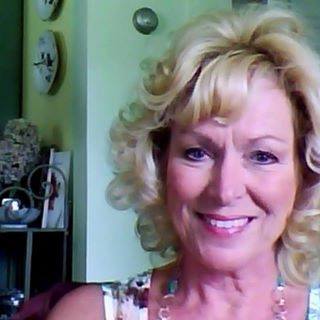
10947709_612305872234627_941507695_nMitzi VanCleve is a mother and an author with a very powerful witness of how God has provided her with grace and strength through her personal experience with OCD and Social Anxiety Disorder. She’s recently launched a new blog, The OCD Christian to offer hope and encouragement to others experiencing similar struggles. Her book, Strivings Within-The OCD Christian is available at Amazon.

Posted in Anxiety Disorders, Controversies, Key Ministry, Mental Health | Tagged , , , , , , , , , | 3 Comments

Gillian Marchenko…Down Syndrome Day 2015

579946_10200657836665518_426234612_nMarch 21, 2015 marks the tenth annual World Down Syndrome Day. Celebrated on the 21st day of the third month of the year, the date is symbolic of the third copy of the 21st chromosome that characterizes Down syndrome. There are over 400,000 Americans living with Down syndrome. It is the most common chromosomal condition.

In honor of Down Syndrome Day, I could think of no one better to guest blog than Gillian Marchenko. Here’s Gillian’s post…To the New Mother of a Baby With Down Syndrome.

Marchenko Girls

Meeting Her

I remember the feeling.

That first meeting with another family farther along the path of Down syndrome after the birth of our child with the same diagnosis.

I remember fear and fascination.

Fear of the child four or five years old whose eyes mirrored my baby’s. She shouldn’t have looked like him. I birthed her. She should have resembled me.

Fascination, as I watched his sister play with him; he hit her, she cried, mother reprimanded. So common, so usual, so family. Things I thought we may have lost with the appearance of an extra chromosome.

I cried quietly for two hours while visiting this dear little boy and his family. They loved him. They cherished him. He played games, and communicated with his hands and with his voice. He chowed down on his lunch.

But still, I cried, because this path wasn’t my choice. At my point of weakness his mother appeared strong. I was an anthill. She, a mountain. I clutched my baby to my chest, each second teetering between relief and uncertainty.

His mother was gracious, tender. We whispered to each other as her children played nearby. ”I love him. Our life is good. Really. It is.”

Her smiling eyes met mine.

I looked away.

I loved my baby.

But that day I did not love Down syndrome. It was too big, too unknown.

Meeting You

11015119_10205882166190491_1584471142_nYour husband contacted us last week. We scheduled dinner. The following days you kept popping up in my mind. A mother forced to move from a typical parenting landscape to some place new, a place everyone claimed was special. If you are anything like me, shocked by a culture wildly unknown and unsolicited.

“Mom, why are you cleaning up around the house, and making us all put on fresh shirts and brush our hair?” Elaina asked as I set the table. “You usually don’t make such a big deal out of dinner guests.”

Several responses queued on my tongue. Instead, in a brief moment of clarity, understanding that Elaina would learn more from the truth, I responded.

“Because, this family had a baby a few months ago with Down syndrome and I want them to feel welcome. I want them to see that we are happy, and that Papa and I treasure all four of our girls. I want them to see that we are OK.”

Your family arrived. We cooed over both of your children. I held your new baby in my arms. He smelled like sunshine.

His eyes mirrored my daughter’s.

I held your little one to my chest as our children played close by. Polly hit Zoya. Zoya cried which made Evie cry, and Elaina played on the floor with your son.

You probably aren’t excited to be a part of our special needs club. I have to tell you, though, welcoming you into my home was like welcoming family.

You teared up as you talked about your love for your son. “Down syndrome is something different. It’s a lot to take in.”

Oh, how I know.

I am a bit farther down your new path. Give yourself time to fall in love with your son, and to get used to Down syndrome. Breathe in his baby smell. Watch how his brother kisses the top of his head, how your husband gently puts him down to sleep, how your baby locks eyes with you when he eats. The weight of the world is in those eyes.

Today, you don’t have to love Down syndrome. Just love your son.

And know that we, other parents in this very special club, are here when you need us and that someday, you will be the one looking a new mother in the eye saying,

“Our life is good. Really. It is.”

Editor’s note: I’d recommend two additional posts from Gillian…21 Things You Should Know About Down Syndrome and Ten Things Not to Say to the Parent of a Child With Down Syndrome.

Originally posted March 21, 2013.

***********************************************************************************************************

Gillian MarchenkoGillian Marchenko is an author and national speaker who lives in Chicago with her husband Sergei and four daughters. She writes and speaks about parenting kids with Down syndrome, faith, depression, imperfection, and adoption. Her work has appeared in numerous publications, including Chicago Parent, Thriving Family, Gifted for Leadership, Literary Mama, Today’s Christian Woman, MomSense Magazine, Charlottesville Family, EFCA Today, and the Tri-City Record. Her book, Sun Shine Down, a memoir, was published by T. S. Poetry Press. Gillian says the world is full of people who seem to have it all together. She speaks for the rest of us.

Click here to download a free excerpt of Sun Shine Down.

Posted in Advocacy, Inclusion, Intellectual Disabilities, Key Ministry, Resources, Stories | Tagged , , , , , , , | Leave a comment

We’re teaming up for a counseling summit in Cincinnati!

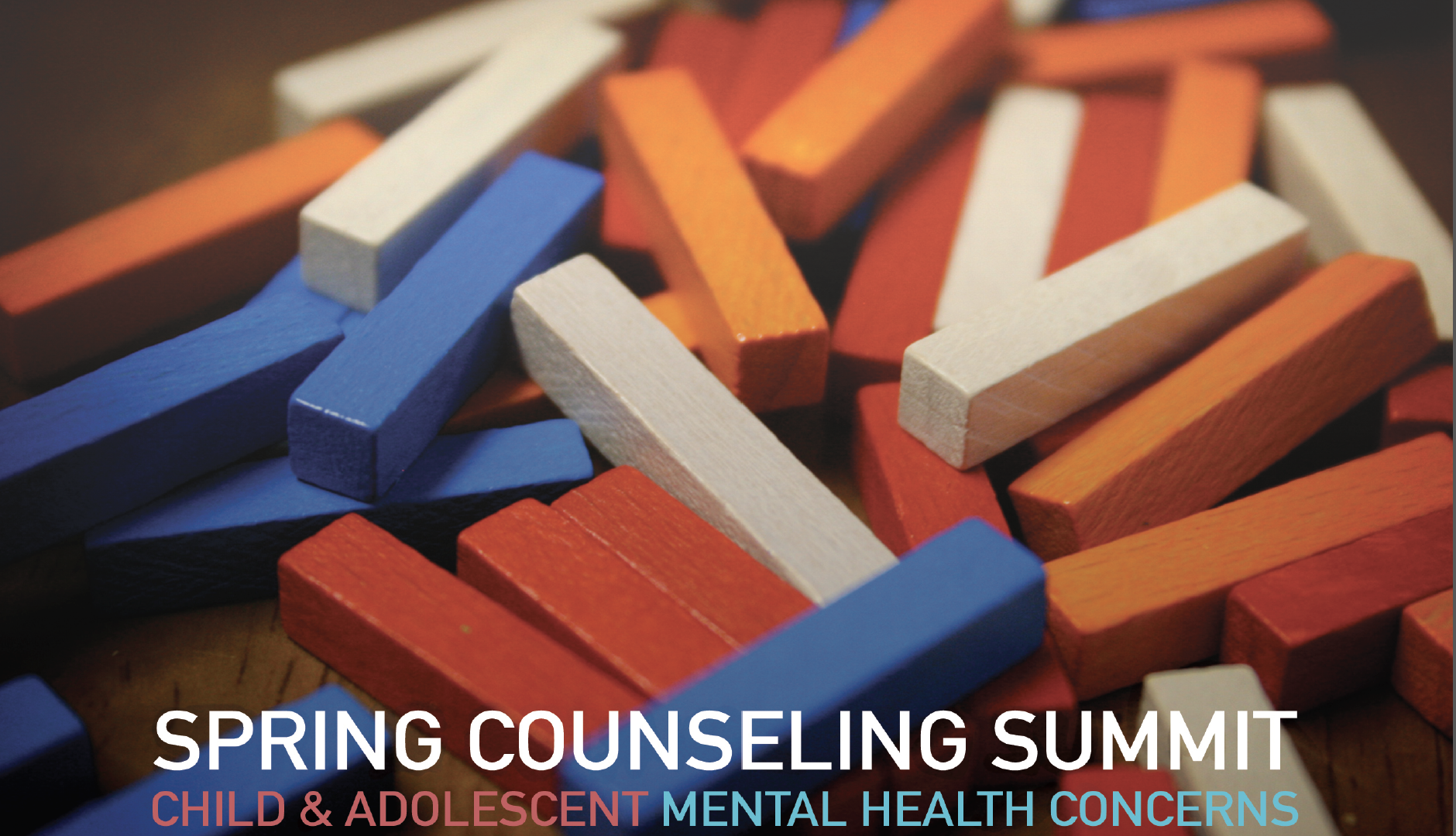
Spring Counseling SummitOur crew at Key Ministry is partnering with the Department of Behavioral Sciences at Cincinnati Christian University to put on the most unique training event we’ve yet been part of, and we’re hoping that as many of you as possible will be able to join us!

Cincinnati Christian’s Spring Counseling Summit will be held at the university’s Counseling and Ministry Center on Friday, April 17th from 9:00 AM-4:30 PM, focusing on the topic of Child and Adolescent Mental Health Concerns and featuring presenters from Key Ministry.

crest-150x150An estimated 20% of school-age children and teens in the U.S. meet criteria for one or more mental health disorders. Access to counselors, social workers and marriage and family therapists with familiarity and experience in treating kids and teens with symptoms of mental illness is limited nearly everywhere. In this counseling Summit, we’ll offer practical strategies for identifying and treating the most common…and pressing mental health concerns in children and teens.

We’ll integrate the most current research and diagnostic terminology with a bio/psycho/social/spiritual perspective, incorporating case discussion and strategies for connecting families with natural support systems in the community.

Some of the topics we’ll be covering at the Summit include…

– recognizing and treating anxiety disorders
– making sense of the ADHD epidemic
– clinical challenges when kids have two or more psychiatric diagnoses
– clinical challenges with adopted/foster kids
– recognition and advocacy for kids with special education needs
– recognizing and treating mood disorders

OLYMPUS DIGITAL CAMERAI’ll be joined in Cincinnati by my colleague Dr. Sherri McClurg. Sherri serves as Managing Director of our group practice (Family Center by the Falls) and specializes in child and adolescent clinical psychology as well as forensic psychology. Dr. McClurg previously served as the Division Director for Outpatient Services in Lorain County for Bellefaire JCB and developed both clincial outpatient and school based programs. She has worked with schools, children services, and courts designing intervention programs for youth at risk and has specialized training in trauma-focused CBT. In addition to her clinical work she provides graduate and post-graduate clinical training for students and teaches graduate psychology courses. More recently, Sherri has served as the Special Needs Ministry Director at her local church, and is currently serving as Interim Director of New Horizons for Children, the largest faith-based orphan hosting program nationwide.

The Spring Counseling Summit is approved by the Ohio Counselor, Social Worker, and Marriage & Family Therapist Board  for 6.0 CEUs for counselors, social workers and marriage and family therapists and for 6.0 CEUs for counselors by the Kentucky LPC Board.

Fall10_237For more information, or to register for the Spring Counseling Summit, click here to access the Summit webpage. Early-bird registration rates are available before April 1st, and students can register for a reduced fee of $10. Lunch is included in the cost of registration.

Interested in a “crash course” on some of the most pressing topics in children’s mental health? Join us at Cincinnati Christian University on Friday, April 17th! It’s a great time of year to visit the Tri-State and take the 90 minute drive to Lexington to check out some thoroughbred racing at Keeneland.

***********************************************************************************************************

KM Logo UpdatedKey Ministry has assembled resources to help churches more effectively minister to children and adults with ADHD, anxiety disorders, Asperger’s Disorder, Bipolar Disorder, depression and trauma. Please share our resources with any pastors, church staff, volunteers or families looking to learn more about the influence these conditions can exert upon spiritual development in kids, and what churches can do to help!

Posted in ADHD, Adoption, Anxiety Disorders, Bipolar Disorder, Depression, Foster Care, Key Ministry, Mental Health, PTSD, Training Events | Tagged , , , , , , , , , , , , , , , , | Leave a comment

Don’t tell me your church’s theology is sound if my family isn’t welcome…Shannon Dingle

christmas eve church“Oh, the theology at our church – what’s being preached and taught – is spot on,” she said.

“No,” I firmly answered. “No, it’s not.”

As she blinked back, I tried to explain.

“I can’t accept that as true. I just can’t. Because you just told me that your church leadership knows that it isn’t welcoming to families affected by disability like mine and justified all the reasons they couldn’t or wouldn’t say yes to our family if we came on a Sunday morning. To me, that says your theology is garbage. I don’t care how true to God’s words your sermons are if your actions are far from it.”

Our conversation was a hypothetical one, because I was merely visiting her city for my youngest daughter’s surgery so we wouldn’t be coming to their church anyway. But I’ve been turning our conversation over and over in my mind ever since.

But be doers of the word, and not hearers only, deceiving yourselves. For if anyone is a hearer of the word and not a doer, he is like a man who looks intently at his natural face in a mirror. For he looks at himself and goes away and at once forgets what he was like. But the one who looks into the perfect law, the law of liberty, and perseveres, being no hearer who forgets but a doer who acts, he will be blessed in his doing.

(James 1:22-25, ESV)

If your church is hearing the word but not putting it into action, then the Bible says you’re fooling yourself. And if you say you love your city but you’re willing to say no to people with disabilities – even knowing that nearly 20% of Americans have a disability, half of whom report their disability as severe, according to the 2010 US Census – then you’re deceiving yourselves.

I’m not saying every church needs to put in place supports for every imaginable disability area. Our church, with a well-established special needs ministry, certainly doesn’t have that! I wouldn’t expect any new church to be fully equipped with how to support our family if we wanted to join. But I would expect, hope, wish, pray that they would be willing to love us enough to try to learn.

And if they didn’t, no argument about the soundness of their theology would convince me that they were right. Because if the God you’re following and teaching about doesn’t compel you to welcome struggling families, then I don’t think we worship the same God after all.

Shannon Dingle provides consultation, training and support to pastors, ministry staff and volunteers from churches requesting assistance from Key Ministry. In addition, Shannon regularly blogs for Key Ministry on topics related to adoption and foster care, and serves on the Program Committee for Inclusion Fusion, Key Ministry’s Disability Ministry Web Summit. Shannon and her husband (Lee) serve as coordinators of the Access Ministry, the Special Needs Ministry of Providence Baptist Church in Raleigh, NC.

***********************************************************************************************************

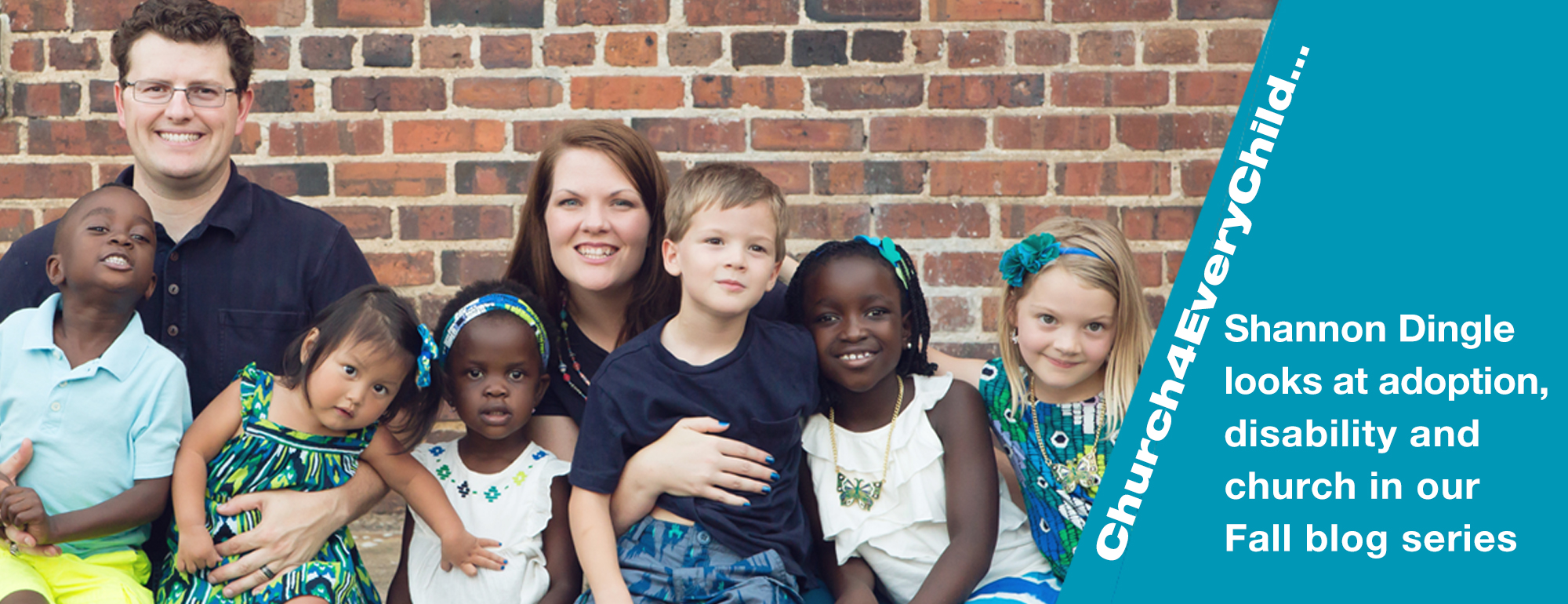
2000x770 S DINGLE CHRCH4EVCHILD 2Check out Shannon Dingle’s blog series on adoption, disability and the church. In the series, Shannon looked at the four different kinds of special needs in adoptive and foster families and shared five ways churches can love their adoptive and foster families. Shannon’s series is a must-read for any church considering adoption or foster care initiatives. Shannon’s series is available here.

Posted in Advocacy, Inclusion, Key Ministry | Tagged , , , , , | 25 Comments

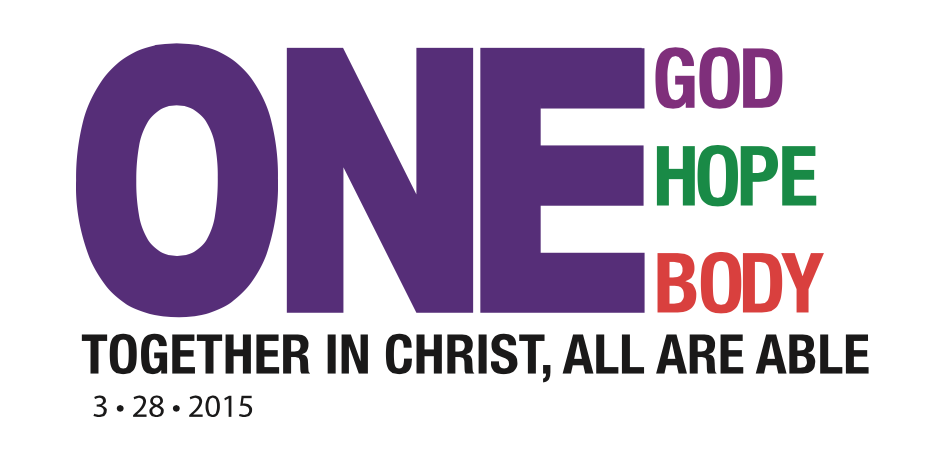
One God, One Hope, One Body…March 28 #oneconference328

ONE ConferenceChristians profess ONE God, ONE Hope, ONE Body, yet we divide ourselves in many ways. On March 28, church leaders, Sunday school teachers, children’s ministry leaders, and people affected by disability will learn ways for the body of Christ not only to include but to engage members who have various disabilities.

While no one from our core Key Ministry team will be present in Glendale, AZ or Temecula or Ripon, CA, some of our friends are putting on a very cool conference spanning three cities and two states on Saturday, March 28th that we encourage our friends in the Southwest to attend.

Rev. Mark Stephenson and his team at Disability Concerns, the disability ministry arm of the Christian Reformed Church have put together One, a cutting-edge conference involving technology and live presenters at three different conference sites.

481-EmilyColsonMax.jpgKeynote speaker Emily Colson, author of Dancing with Max, will speak on “Come One, Come All.” God’s design for the church is unity—every unique member of the body bringing gifts and belonging to one another. Through life with Max, her 24-year-old son with autism, Emily will share how that design can be lived out so that churches become greater witnesses in the community.

Colson’s address will be offered live in Temecula and via livestream in Ripon and Glendale.

avatar-1.jpg.320x320pxEach location will have different speakers and breakout sessions (schedule available here), but we would call your attention to breakouts by Mike Dobes, Church Relations Supervisor of Joni and Friends at the Temecula site.

One will take place at First Southern Baptist Church, 10250 North 59th Avenue, Glendale, AZ 85302, Immanuel Christian Reformed Church, 517 Orange Ave. Ripon, CA 95366 and Rancho Community Church, 31300 Rancho Community Way, Temecula, CA 92592.

For more information and to register now, visit www.disabilityconference.org. Cost includes lunch: $49 for a single registration and $39 per person if more than one person registers from the same church. Limited scholarships are available, but please check with your church first for assistance.

***********************************************************************************************************

KM Logo UpdatedKey Ministry has assembled resources to help churches more effectively minister to children and adults with ADHD, anxiety disorders, Asperger’s Disorder, Bipolar Disorder, depression and trauma. Please share our resources with any pastors, church staff, volunteers or families looking to learn more about the influence these conditions can exert upon spiritual development in kids, and what churches can do to help!

Posted in Resources, Training Events | Tagged , , , , , , , , | Leave a comment

Lorna Bradley…Special Needs Parenting: From Coping to Thriving

Lorna_BradleyEditor’s Note: Lorna Bradley is a friend of Key Ministry, and ordained deacon in the United Methodist Church and the parent of an adult son with Asperger’s Disorder. This past fall, Lorna partnered with us around the development of a prototype for a real time, interactive small group model for families impacted by disability using advanced videoconferencing technology that can be easily replicated by local churches. The curriculum for the small group (and several others like it) is the focus of her new book, Special Needs Parenting: From Coping to Thriving. Here’s the first post of a three-part miniseries from Lorna…

I have hit the bottom of the tank today. We had our annual review at the school, and it’s so hard to hear in concrete terms how delayed my son is. I know it. None of this information is new, but it’s so hard to hear again. I worry about his future, let alone how we will afford all of his therapies today. Every single day there is so much to do that I feel I can barely keep up. The needs are unending, and I am not nearly enough.

—Blog Post, Anonymous

Have you ever been that parent? I have. My experience isn’t exactly the same as my friend’s recent blog post, but it resonates in many ways. Challenging behaviors at school? Yes! Worry about my son’s future? Yes! Endlessly running around to therapy appointments? Yes! A sense at times of being overwhelmed in day-to-day parenting? Yes! A view of the future shaded by anxiety? Yes!

Our journeys as special needs parents are as varied as the differences among our children. Each child is unique and precious in the sight of God, and there is no other exactly like our own. Yet there are common challenges and common experiences shared among us as special needs parents. As clergy, I have led a variety of parenting support groups for more than five years and it never ceases to amaze me that, regardless of how varied the diagnoses within each family, there are common cords that bind us together emotionally and spiritually. Throughout the years I have seen healing of deeply held emotional and spiritual wounds through coming together in a supportive, welcoming Christian community and working through our challenges together.

My journey toward writing Special Needs Parenting: From Coping to Thriving began years ago when members in my congregation asked me to lead a Bible study for special needs parents. I looked for a resource I could grab off a bookstore shelf that would address the emotional and spiritual concerns of the special needs parents and had limited success. I was in the midst my studies in a doctoral program at the time and I realized that I had found an area of tremendous need for resources within the church. This epiphany changed not only my academic focus, but the trajectory of my ministry.

Through my personal journey as a special needs mom, my experiences as a clergyperson walking with families with special needs, and academic research into how best to build family resilience, I developed a seven-week study. Each chapter addresses a common challenge and offers a positive perspective grounded in scripture and practical tools that can be revisited again and again.

  • God and Special Needs
  • Understanding Chronic Grief
  • Breaking Free from Guilt
  • Tools to Increase Patience
  • Self-care for Caregivers
  • Building Healthy Relationships
  • Hope and Healing

Whether parents read Special Needs Parenting: From Coping to Thriving as part of a small group study or read it individually, I pray this book provides both insights into a loving God and practical tools for the journey ahead. Encouraging special needs parents is at the heart of my calling in ministry, and I hope that the book will be a blessing.

Special Needs Parenting: From Coping to Thriving is available at Huff Publishing.

Special Needs Parenting Cover[2]Rev. Dr. Lorna Bradley, an ordained deacon in the United Methodist Church, received MTS and D. Min. degrees from Perkins School of Theology. Her doctoral project examines how churches can provide a holistic welcome to families raising children with special needs by meeting the emotional and spiritual needs within the entire family. As a Fellow at The Hope and Healing Institute in Houston, Texas she creates resources for special needs family support. She has led parent support groups for over five years and worked in welcoming ministries for over ten years. She and her husband of thirty years have an adult son with Asperger’s Disorder. Lorna enjoys spending time with family, entertaining, traveling, scuba diving, and running.

Posted in Advocacy, Families, Key Ministry, Resources, Spiritual Development, Strategies | Tagged , , , , , , , , , , | Leave a comment

Are you less likely to be referred to a psychiatrist if your physician is a Christian?

shutterstock_157724471In the sixth installment of our Winter 2015 blog series, Sin, Mental Illness and the Church, we look at a study suggesting that Christian physicians are less likely to refer patients presenting with a potential mental health concern to psychiatrists and more likely to refer to pastors or religious counselors.

Thus far in our series, we’ve looked at some of the key people and ideas that have influenced attitudes and beliefs around mental illness within reformed and evangelical Protestantism in the U.S. Today, we’ll go a step further and explore the possibility that attitudes in the church about mental illness may have a significant impact on referral patterns among patients in need of care for a mental health condition.

I’d like to share an interesting study published in 2007 from the journal Psychiatric Services looking at precisely this topic. Here’s the abstract:

OBJECTIVE:
This study compared the religious characteristics of psychiatrists with those of other physicians and explored whether nonpsychiatrist physicians who are religious are less willing than their colleagues to refer patients to psychiatrists and psychologists.

METHODS:
Surveys were mailed to a stratified random sample of 2,000 practicing U.S. physicians, with an oversampling of psychiatrists. Physicians were queried about their religious characteristics. They also read a brief vignette about a patient with ambiguous psychiatric symptoms and were asked whether they would refer the patient to a clergy member or religious counselor, or to a psychiatrist or a psychologist.

RESULTS:
A total of 1,144 physicians completed the survey, including 100 psychiatrists. Compared with other physicians, psychiatrists were more likely to be Jewish (29% versus 13%) or without a religious affiliation (17% versus 10%), less likely to be Protestant (27% versus 39%) or Catholic (10% versus 22%), less likely to be religious in general, and more likely to consider themselves spiritual but not religious (33% versus 19%). Nonpsychiatrist physicians who were religious were more willing to refer patients to clergy members or religious counselors (multivariate odds ratios from 2.9 to 5.7) and less willing to refer patients to psychiatrists or psychologists (multivariate odds ratios from .4 to .6).

CONCLUSIONS:
Psychiatrists are less religious than other physicians, and religious physicians are less willing than nonreligious physicians to refer patients to psychiatrists. These findings suggest that historic tensions between religion and psychiatry continue to shape the care that patients receive for mental health concerns.

Before we delve into the topic of our post, let’s look at a striking reality…while the religious beliefs of physicians are somewhat unrepresentative of the population as a whole, the religious beliefs of psychiatrists are extremely unrepresentative of the general population.

At the time of this study, 51% of U.S. adults identified as Protestant, 24% as Catholic, 1.7% as Jewish and 16% as unaffiliated/none. While 39% of U.S. physicians are Protestant and 22% are Catholic, only 27% and 10% of psychiatrists are, respectively. Consider this…while Protestant adults outnumber Jewish adults by 30:1, in this sample Jewish psychiatrists slightly outnumber Protestant colleagues.

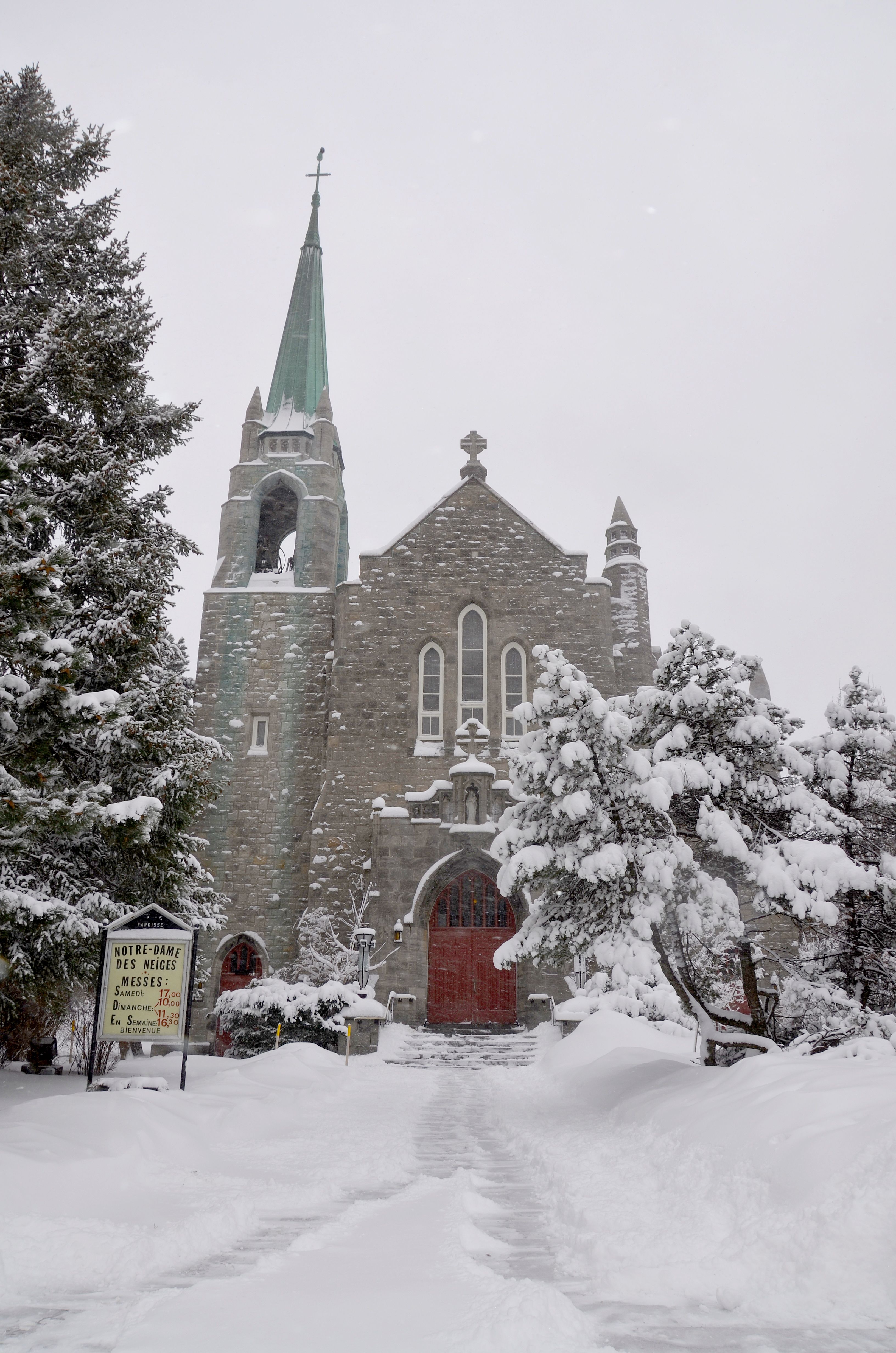
Church in the snowWith that said, one major weakness of this study is the failure to further differentiate the church affiliation or beliefs of the physicians within the “Protestant” category. If the Biblical Counseling movement emerged from a conservative tradition with a deep mistrust of mental health disciplines rooted in a theoretical framework at odds with Scripture, one might hypothesize a physician rooted in a denominational tradition emphasizing the infallibility of the Bible and teaching that salvation through grace by faith in Jesus Christ represents the only way to Heaven (Southern Baptists, Evangelical Free Church, PCA) might have a very different attitude about referring to psychiatry than would a physician associated with certain “mainline” denominations (Episcopalians, United Church of Christ, PC-USA to name a few). I would personally hypothesize (after 29 years in the field) that the vast majority of psychiatrists who would identify as “Protestant” would identify with churches or denominations with more “liberal” attitudes about interpretation of Scripture and human sexuality.

It’s difficult after reviewing the study to argue that physicians who identify with the church haven’t been impacted by attitudes of influential leaders opposed to mental health treatment. There may be other explanations for the findings presented in the study, including…

  • Christian physicians may be more aware of pastoral and counseling supports available through the church and parachurch organizations than their non-Christian colleagues.
  • Pastoral counseling and Christian counseling may be more accessible and affordable to patients than psychiatric care, especially in areas of the country where church attendance is highest.
  • Physicians with a Christian worldview caring for patients with a similar worldview may harbor concerns that mental health professionals may not demonstrate sensitivity to or respect for their patient’s values, culture and beliefs.
  • In the particular vignette presented in the study, Christian physicians may have more concern than physicians of other faith backgrounds that psychiatrists may be too quick to “pathologize” bereavement and prefer a more conservative treatment approach.

The take-home point from this study is that in response to mild or moderate symptoms of mental distress, religious and nonreligious physicians appear to look for help in different places, with the result that the religious characteristics of physicians determine to some extent whether their patients receive evaluations from psychiatrists. The causes of the pattern are far less clear.

***********************************************************************************************************

KM Logo UpdatedKey Ministry has assembled resources to help churches more effectively minister to children and adults with ADHD, anxiety disorders, Asperger’s Disorder, Bipolar Disorder, depression and trauma. Please share our resources with any pastors, church staff, volunteers or families looking to learn more about the influence these conditions can exert upon spiritual development in kids, and what churches can do to help!

Posted in Controversies, Key Ministry, Mental Health | Tagged , , , , , , | 1 Comment

The Drop Box: Opening TODAY and showing March 3, 4, and 5 nationwide

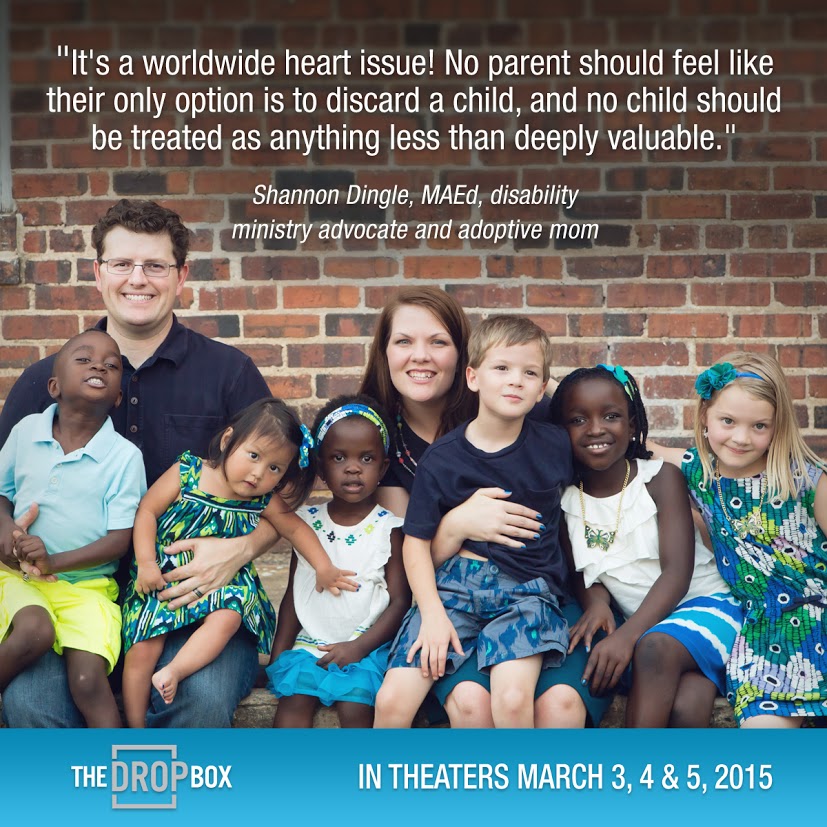
Drop_Box_Official_Image.jpg;wadropbox43bd6d22939cb2b3When Key Ministry was asked to screen The Drop Box movie for an endorsement, I (Shannon Dingle) jumped at the offer. As a mom to six, four of whom were adopted via special needs programs, I wanted to see this film. To be honest, I didn’t approach it as a fan. I made it clear to the promoters that I planned to be critical, as I get nervous about romanticized portrayals of the hard places in adoption and global orphan care.

They said okay.

Shannon Dingle memeI watched it.

And? I was blown away by the transparent portrayal of one man, Pastor Lee, and his family and ministry in South Korea. This movie doesn’t shy away from the messy realities that have to exist to lead to the creation of a baby drop box – that is, a place built into the wall of their building where babies can be left, somewhat similar to Save Haven sites in the US. Furthermore, this doesn’t present drop boxes as the solution to societal problems but rather as one approach.

More than that, though, I was impressed by the way this movie challenges all of us to consider disability: not as something that diminishes a person’s worth but as just one characteristic of a fellow image-bearer of God. We should see humanity first, not disability.

Here’s my full endorsement:

Our worldview about disability and human worth needs to be challenged, and The Drop Box does just that. This isn’t a South Korean issue. It’s a worldwide heart issue! No parent should feel like their only option is to discard a child, and no child should be treated as anything less than deeply valuable. This movie tells the story of Pastor Lee Jong-rak and his ministry, but more than that it tells a wake-up story to all of us in the church. If we truly believe that our worth rests in Christ and not in our own abilities, then how will we share that truth with a world who needs to know it? My prayer is that all who see this will follow the model of Pastor Lee Jong-rak, asking God what we should each do wherever we are to reflect his love to those who our society discards.

Happychild.jpg;wadropbox0642d1eeb073550cIf you’d like to see the movie or find out where it is showing near you, go to this link: http://www.fathomevents.com/event/the-drop-box/buy

***********************************************************************************************************

2000x770 S DINGLE CHRCH4EVCHILD 2Check out Shannon Dingle’s blog series on adoption, disability and the church. In the series, Shannon looked at the four different kinds of special needs in adoptive and foster families and shared five ways churches can love their adoptive and foster families. Shannon’s series is a must-read for any church considering adoption or foster care initiatives. Shannon’s series is available here.

Posted in Adoption, Advocacy, Families, Foster Care, Key Ministry, Resources, Stories | Tagged , , , , , , , , | 5 Comments

What if medication is a tool that helps us resist sin?

IMG_0905In the fifth installment of our Winter 2015 blog series, Sin, Mental Illness and the Church, we examine one perspective Christians might ponder in considering medication or psychotherapy as treatments for mental health conditions that increase our propensity to engage in sinful behavior…

From the Apostle Paul…

For I do not understand my own actions. For I do not do what I want, but I do the very thing I hate. Now if I do what I do not want, I agree with the law, that it is good. So now it is no longer I who do it, but sin that dwells within me. For I know that nothing good dwells in me, that is, in my flesh. For I have the desire to do what is right, but not the ability to carry it out. For I do not do the good I want, but the evil I do not want is what I keep on doing. Now if I do what I do not want, it is no longer I who do it, but sin that dwells within me.

So I find it to be a law that when I want to do right, evil lies close at hand. For I delight in the law of God, in my inner being, but I see in my members another law waging war against the law of my mind and making me captive to the law of sin that dwells in my members. Wretched man that I am! Who will deliver me from this body of death? Thanks be to God through Jesus Christ our Lord! So then, I myself serve the law of God with my mind, but with my flesh I serve the law of sin.

Romans 7:15-25 (ESV)

What if some of us have “broken brains” as a consequence of the Fall? What if our spiritual self seeks to do right and to avoid sin, but we experience a mental health condition that increases our predisposition to some specific sin? Could we argue that medication (or other treatment) that enhances our ability to avoid sin or to do good might be a useful tool for the individual Christian? Further, could we argue that the decision to take medication under such circumstances is God-honoring?

But I say to you that everyone who is angry with his brother will be liable to judgment; whoever insults his brother will be liable to the council; and whoever says, ‘You fool!’ will be liable to the hell of fire.

Matthew 5:22 (ESV)

We know that people with ADHD often struggle to self-regulate their emotions and are prone to impulsive speech and behavior. If medication helps a Christian with ADHD to avoid injuring others through their words or actions, would that be desirable?

Flee from sexual immorality. Every other sin a person commits is outside the body, but the sexually immoral person sins against his own body. Or do you not know that your body is a temple of the Holy Spirit within you, whom you have from God? You are not your own, for you were bought with a price. So glorify God in your body.

1 Corinthians 6:18-20 (ESV)

We know that impulsive sexual behavior is often associated with manic episodes seen in persons with Bipolar disorder and is a frequent complication of Borderline Personality Disorder (BPD). Is it desirable for Christians to take medication to prevent the recurrence of manic episodes that impair one’s ability to self-regulate inappropriate sexual behavior or to engage in evidence-based treatments including Dialectical Behavior Therapy (DBT) to reduce impulsive sexual behavior associated with BPD?

What if due to our anxiety or obsessiveness we become prone to hoarding our possessions, struggle with generosity when we’re directed to give or become so preoccupied with past wrongs that we’re unable to forgive? Would making use of medication or cognitive-behavioral therapy (CBT) be the right thing for a Christian to do?

“Woe to the world for temptations to sin! For it is necessary that temptations come, but woe to the one by whom the temptation comes! And if your hand or your foot causes you to sin, cut it off and throw it away. It is better for you to enter life crippled or lame than with two hands or two feet to be thrown into the eternal fire. And if your eye causes you to sin, tear it out and throw it away. It is better for you to enter life with one eye than with two eyes to be thrown into the hell of fire.

Matthew 18:7-9 (ESV)

I’m not in any way suggesting that we forego spiritual approaches for dealing with these challenges. We have time-tested spiritual disciplines to help with all of the issues described above. But given the seriousness of Jesus’ words pertaining to sin, why would we not want to consider the use of any God-given means necessary to avoid sinning as an adjunct to spiritual disciplines if we’re convicted of such sin in mind and soul, aware of a mental condition that increases our propensity to sin and able to access medical or psychotherapeutic treatments that may help us to avoid sin?

***********************************************************************************************************

GA-Social-Media-StephenGrcevich-1Consider joining us this winter for Key Ministry’s online group study that will accompany our blog series…Sin, Mental Illness and the Church. This study will be a combination of Bible reading/study and supplemental readings/material to enlighten participants as we examine the following questions…

  • How has the understanding of mental illness evolved in the evangelical movement in America over the past half-century?
  • How do past and current attitudes in the church influence outreach efforts to families of children and teens impacted by mental illness?
  • What can we learn from Scripture of God’s purposes in the lives of those impacted by mental illness?
  • How can we help more kids and families impacted by mental illness to experience the love of Christ through involvement in a local church?

Anyone can join us, but a Facebook account is required. Click here to register!

Posted in ADHD, Anxiety Disorders, Bipolar Disorder, Controversies, Key Ministry, Mental Health | Tagged , , , , , , , , , , , | 4 Comments

What about them? Karen Jackson of Faith Inclusion Network

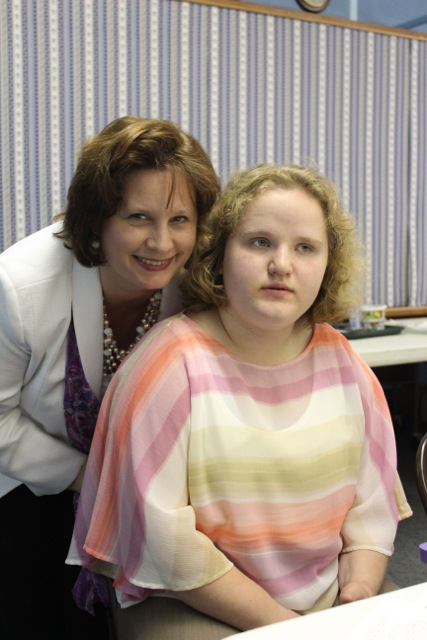
Karen and SamanthaPeople often ask me, why did you start Faith Inclusion Network? As we excitedly prepare for our 4th bi-annual That All May Worship-2015, Embracing Inclusion Conference, the following provides a brief look back at the start of FIN and why we are so excited to invite you to Virginia Beach, VA this March.

I didn’t always know about disability, advocacy and autism. In fact, being trained as a professional educator in the field of instrumental music, even my educational background did not include learning about special needs in any way. And then my second child was born…and like many parents of children with disabilities, I became an expert.

Of all I had to learn however; therapies, treatments, medications, educational protocol, what I was the most surprised by was the realization that my child did not seem to have a place in our church. I had absolutely no idea what to do about that and began to seek out some answers.

Fast forward to 2008. My family and I had started attending a new church, one where we were embraced and accepted as we all carefully navigated our way through including Samantha, with her autistic behaviors and severe communication challenges. My daughter did have a place in a church now, but what about all those other families affected by disability? What about them?

These questions evolved into a fervent prayer to God: “What more can I do?” His answer was simple and direct: Faith Inclusion Network.

Well, I suppose it was not exactly simple, but I embraced the challenge. In 2009, after just a couple meetings of the newly established “Faith Inclusion Network”, we held our first conference, “That All May Worship-2009” and a network was born.

Today, we prepare for our 4th bi-annual conference, “That All May Worship-2015, Embracing Inclusion”. Over the course of the past seven years, I have educated myself; reading, attending conferences and most importantly, meeting and learning from some of the most amazing and generous national leaders in the faith and disability movement. Without a doubt, people like Rev. Bill Gaventa, Erik W. Carter, Ginny Thornburgh and others help put me and Faith Inclusion Network on the right path.

This is why, as our FIN Board began planning this year’s conference last summer, I proposed an outrageous vision. “Let’s hold a retreat for faith and disability national leaders. And while they are here in Virginia Beach, let’s professionally film them and create a resource to share with both our local and the national community.”

In March, this vision will become a reality when FIN friends from 9 different states will come to Virginia to participate in a retreat hosted by FIN and then stay to share their expertise at our daylong conference on Friday, March, 20. While I am immensely grateful and excited to welcome all of our guests to Virginia, I am even more overwhelmed with gratitude to an amazing God, who has been a part of the FIN ministry from the start. No one could have been less prepared then I to undertake such a venture as starting a regional faith and disabilities network. But I did ask…and that can be a very dangerous thing to do! Praise God!

***********************************************************************************************************

FIN-LOGOKaren Jackson is the Founder and Executive Director of Faith Inclusion Network of Hampton Roads. She is the author of the newly published book, Loving Samantha, Stories of Family and Friends, Faith, Love and Community in a World that Includes Autism and Special Needs, http://www.faithinclusionnetwork.org/loving-samantha

For more information and to register for “That All May Worship-2015, Embracing Inclusion”, go to https://finconference2015.eventbrite.com or contact Karen at faithinclusionnetwork@gmail.com


Posted in Advocacy, Families, Inclusion, Intellectual Disabilities, Resources, Training Events | Tagged , , , , , , , , , | Leave a comment