The elephant in the living room…Sin, mental illness and the church

The_Elephant_in_the_Room_Banksy-Barely_legal-2006When I was going through the family therapy component of my general psychiatry training and child psychiatry fellowship, one of the most commonly used metaphors in supervision was the “elephant in the living room.” We use this expression in reference to an obvious or overwhelming problem of which everyone is aware that is ignored or unaddressed.

We’ve seen an explosion in the development of “special needs ministry” in the last ten years…a awesome development that we as an organization are delighted to promote and support. But the development of disability ministry has focused almost exclusively on kids and adults with physical or intellectual disabilities…and the elephant in the living room for the church is that we appear to be far more interested in (and comfortable with) outreach to kids, teens and adults who we view as having little or no moral culpability for their disabilities and persons with emotional or behavioral problems are viewed differently as a result of the widely held perception among prominent church leaders that sin is the predominant cause of mental illness.

If we’re going to get serious about outreach to and inclusion of families impacted by mental illness, we can’t continue to ignore the elephant. We’ll be wrestling with the elephant on the blog this winter…and making available opportunities for you to come alongside us.

MartindaleOn Sunday, January 25, I’ll be teaching during the morning service at Martindale Christian Fellowship Church in Canton, OH on the topic… Is it a Sin to be Anxious? Our friends in Northeast Ohio and beyond are more than welcome to attend. We’ll find some way…either through text or video to make the content from that service available to our readers.

On that same day, we’re going to be launching a group study on Facebook that will expand upon the content discussed on the blog and promote online discussion and interaction. We’ll be diving into Scripture to see what we might learn through the experiences of key figures throughout the Bible who manifested signs or symptoms associated with common mental health conditions, supplemented by other readings and resources. If enough folks are interested, we’ll offer the opportunity to get together online for a video chat. Watch for registration information on our Facebook Page and our Front Door Online Church Facebook Page in the next few days. The group itself will be a PRIVATE group to facilitate authentic discussion/interaction, but participation is open to anyone who has “liked” either our Key Ministry or Front Door page.

danvp_avatarRunning parallel to this series will be another blog series authored by Dan Vander Plaats of Elim Christian Services. Dan spearheaded the development of a tool for Elim…The 5 Stages to help people, churches, and communities assess their own attitudes toward persons with disabilities using a simple diagnostic tool (the 5 Stages document) and to foster the full inclusion of people with disabilities into our churches and communities and to thereby support the Kingdom-building work of God. Dan is going to introduce us to and expand upon the 5 Stages in his blog series and I’ll be doing some commentary in which I’ll relate the 5 Stages to kids with mental illness, trauma and/or developmental disabilities and their families.

We’re looking forward to some thought-provoking study and conversation in the coming weeks! Hope you’ll join us.

Photo: By Bit Boy (Flickr: The Elephant in the Room) via Wikimedia Commons

***********************************************************************************************************
KM Logo UpdatedKey Ministry has assembled resources to help churches more effectively minister to children and adults with ADHD, anxiety disorders, Asperger’s Disorder, Bipolar Disorder, depression and trauma. Please share our resources with any pastors, church staff, volunteers or families looking to learn more about the influence these conditions can exert upon spiritual development in kids, and what churches can do to help!


Posted in Controversies, Families, Inclusion, Key Ministry, Mental Health, Strategies | Tagged , , , , , , , , , , , , , | 6 Comments

HIV and other blood-borne pathogens in children’s ministry…Shannon Dingle

Dingles SpringWhen Pastor Scott Allen’s wife was diagnosed with AIDS in 1985 as the result of a blood transfusion, they turned to their church. Scott was not HIV+, but both of their sons’ blood tests confirmed AIDS for them as well, one a newborn and the other a toddler. The church’s response to the news was immediate: he was asked to resign on the spot and fired when he did not.

His father, Jimmy Allen, wrote the book Burden of a Secret about their family’s experiences through that time, which included the death of Scott’s wife and two sons and the varied responses of fellow believers. My heart broke a little more with each page, not just because Jimmy is a former president of the Southern Baptist denomination to which I belong but mostly because one of my children is HIV+. Thankfully, education about and treatment for HIV/AIDS has come a long way since 1985. But even today churches still say no to families like Scott’s and mine.

Our church barely flinched upon hearing the news. They have loved us well. When other parents have expressed concerns, our children’s ministry leaders have responded with education. But I know other families who haven’t had that experience. They have instead been treated as the early church treated modern day lepers. (Nevermind that Jesus reached out to and even touched the lepers then, just as he loves those we marginalize today.)

So what do you and your church need to know to say yes well to families affected by HIV and other blood-borne pathogens?

  1. Realize that you don’t know if any child has HIV or not. Legally, families like mine are only required to disclose about blood-borne pathogens to medical professionals. We didn’t have any legal, moral, or medical obligation to tell our church anything about HIV.
  2. Use universal precautions as part of your first aid policy. This is a fancy way of saying you should treat all people as if they could have HIV or some other disease. When dealing with blood or other bodily fluids, gloves should be worn. Hands should be washed. Surfaces should be cleaned. First aid supplies, including gloves, should be easily accessible in every classroom. In simple terms, we teach our kids, “If it’s wet and not yours, don’t touch it.”
  3. Remember that confidentiality matters. Families need to be able to trust their church leaders. That should be enough of a reason, but I’ll take it a step further: it’s the law. Every state’s statutes are different, but in NC where I live, HIV status is legally protected. In other words, disclosing another person’s HIV status can result in criminal charges.
  4. Be prepared for questions from other parents. When we shared online about our child’s status, we said we hoped to be able to answer questions and educate others so we could take the hits and protect our child from them. Our children’s pastor stopped us in the hall the following Sunday to tell us that he wanted to talk to us a little more about HIV. We said yes, but we must have looked apprehensive. He immediately explained, “You said you hope to take the hits for your child, and we want to learn so that we can take the hits for you when we can.” Those words communicated a depth of love.
  5. Know that medical science has come a long way. No other child is at risk by being at church with my family. Last I checked, no children’s ministries are playing blood transfusion or organ transplant games. So while HIV sounds scary, especially to those of us who were alive in the 80s and 90s, we now know how it is transmitted (blood transfusions, shared needles, and mother-to-child transmission during pregnancy, birth, or breastfeeding) and how it isn’t (anything else, like sharing food or toilet seats or playground equipment or childhood accidents).

Simply put, your policies should be the same whether or not you have any known blood-borne pathogens present among the children you see on Sunday mornings. My child’s HIV doesn’t put any other kids at risk, but other viruses and diseases can be transmitted much more easily. So what should you do if there’s a child with HIV in your church? The same thing you should do otherwise: use best practices for first aid and show love to the child and parents.

***********************************************************************************************************

shutterstock_24510829Key Ministry is pleased to make available our FREE consultation service to pastors, church leaders and ministry volunteers. Got questions about launching a ministry that you can’t answer…here we are! Have a kid you’re struggling to serve? Contact us! Want to kick around a problem with someone who’s “been there and done that?” Click here to submit a request!

Posted in Adoption, Controversies, Families, Hidden Disabilities, Inclusion, Key Ministry | Tagged , , , , , , , | 2 Comments

We’re looking to fill a “Key” leadership position…

large door final.inddWe’re looking to fill a “Key” leadership position and we could use your help!

Since our inception, Key Ministry has provided free training, consultation, resources and support to pastors, church staff and volunteers in hundreds of churches in the U.S. and beyond. Our staff and volunteers are frequently invited to speak at national and international ministry conferences.

We’ve pioneered the use of technology to advance the cause of the disability ministry movement. Over 500 pastors, church staff, volunteers, parachurch ministry leaders and family members were registered for Inclusion Fusion 2014, our free, worldwide Disability Ministry Web Summit. In 2014, we launched Front Door, an online church platform to serve families of kids impacted by disability. This blog (Church4EveryChild) averaged nearly 40,000 unique visits/month in the fourth quarter of 2014, and is ranked among the top 15 children’s ministry blogs by Ministry to Children.

We’ve grown to the point that we’re now seeking an Executive Director to assume oversight of the day-to-day activities of the ministry.

The Executive Director will be responsible for managing and directing Key Ministry to meet the organization’s vision:

Every church is intentional and effective in efforts to connect with and include families of children impacted by mental illness, trauma or developmental disabilities.

This executive is responsible for leading the effective and efficient daily operations of the Key Ministry and its resources to maximize services. The position may be part time to start (20-30 hours/week), but could grow into a full time role, or could be expanded to start as a full time role depending on the candidate’s qualifications, skills, and desires.

Key Ministry-NewOur Board believes the Executive Director position of Key Ministry is an outstanding opportunity for a talented leader who is mission-driven but also appreciates the complex business and organizational issues of a ministry that is both expanding rapidly and pioneering services. This person will play a visible public role, speaking on behalf of not only the Key Ministry but for other ministry organizations that are involved in issues of serving and incorporating families with children with disabilities into the worldwide church.

Click here to download the complete position description. You can help us by sharing this opportunity through social media, including your LinkedIn and Facebook accounts, if applicable. Please forward this post directly if you’re aware of someone with the appropriate qualifications who may be interested in the position.

Interested candidates should send a resume to Board member Jim Hagen at the email: jim@keyministry.org

***********************************************************************************************************

Website screen shotKey Ministry is pleased to invite you to check out our new website. Over 180 downloadable resources are available to pastors, church staff and volunteers seeking to serve kids with disabilities and their families, including all Inclusion Fusion presentations from our first two Web Summits are available with FREE registration. Check out keyministry.org today and share the link with others interested in welcoming kids with disabilities and their families at church.

Posted in Key Ministry, Leadership | Tagged , , , | 2 Comments

Join us at keyministry.tv in January!

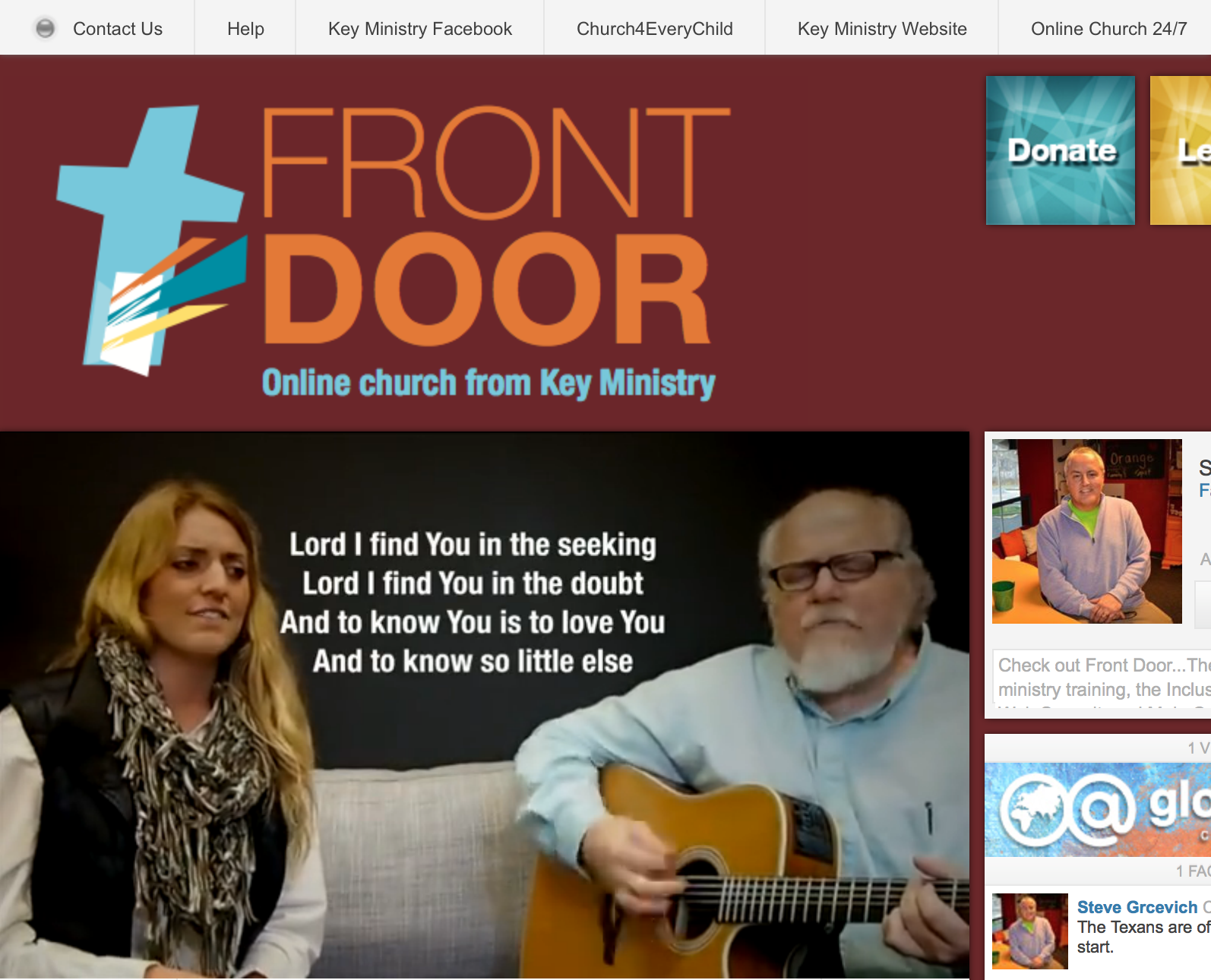
During the week of January 4th-10th, you’ll have seven opportunities to worship with us at keyministry.tv through our online Front Door church, invite friends to check out some highlights from last November’s Inclusion Fusion Disability Ministry Web Summit and experience the first installment of our “Key Talks” disability ministry training curriculum.

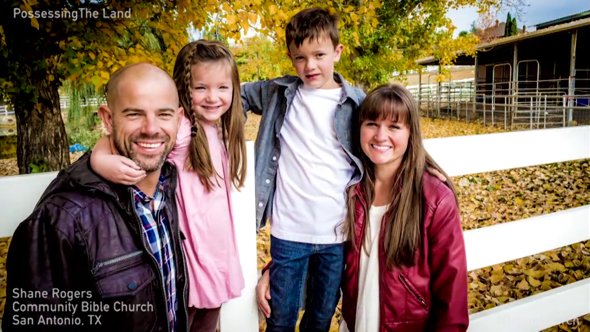
501857480_590x332Online messages from Community Bible Church in San Antonio, TX will be available at keyministry.tv on Sunday at 8:00 PM and 9:00 PM EST, Monday at 10:00 AM (“Coffeebreak Church”) and 9:00 PM, and Wednesday at 9:00 PM. Shane Rogers will be teaching. Ryan Wolfe from First Christian Church in Canton, OH will be teaching on “Trusting God With Tomorrow” on Sunday at 11:00 AM and Monday at 8:00 PM EST.

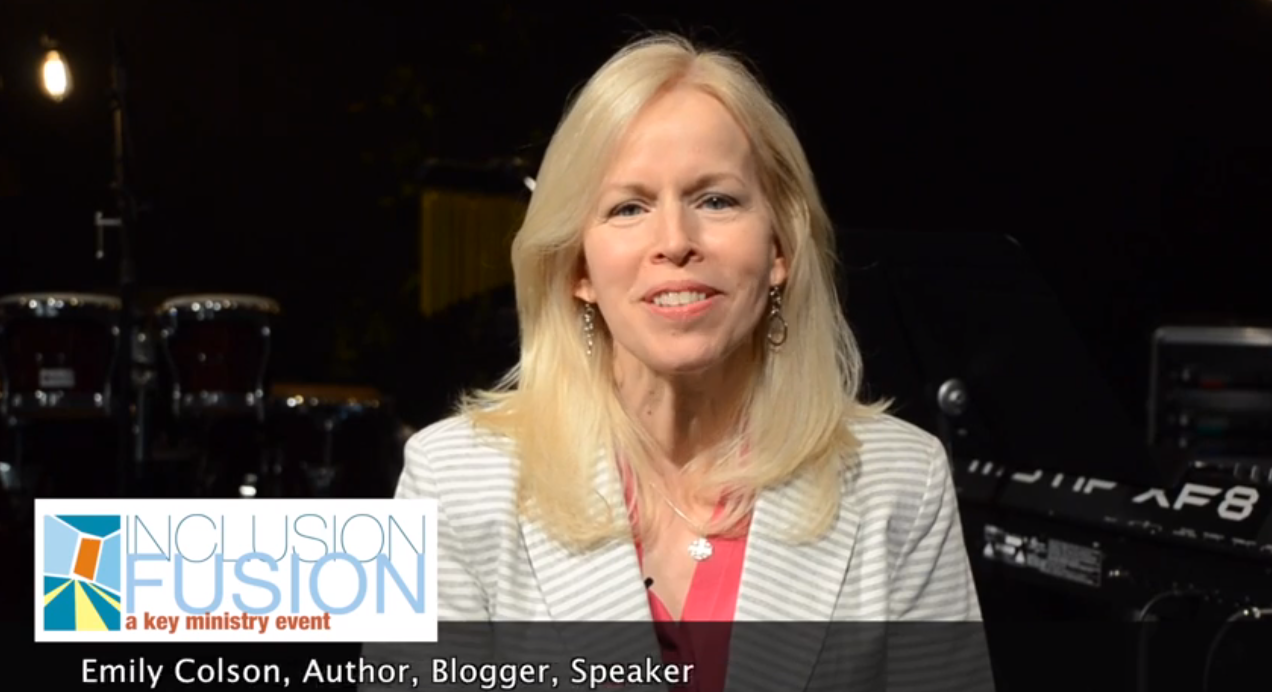
Emily Colson PromoFollowing each message this week is Emily Colson’s “Ted Talk” from Inclusion Fusion, Dancing With Max. Emily shares a story…amazing stories of what God has done through her son’s life. God wrote HIS story all over the lives of Emily and her son (Max), now in his 20s and diagnosed with autism. In this presentation, Emily encourages other families to share their stories of how God has been at work through their experience of disability while being honest about the “tough stuff.”

Colleen, Joni, KenEach night in January, we’ll be making available our interviews of Emily from Inclusion Fusion, and Colleen Swindoll-Thompson’s interview with Joni and Ken Tada. Emily’s interview is available at 10:00 PM EST, followed by Colleen’s interview with Joni and Ken Tada at 10:50 PM EST.

Other presentations available in January of interest to church staff, volunteers and families…

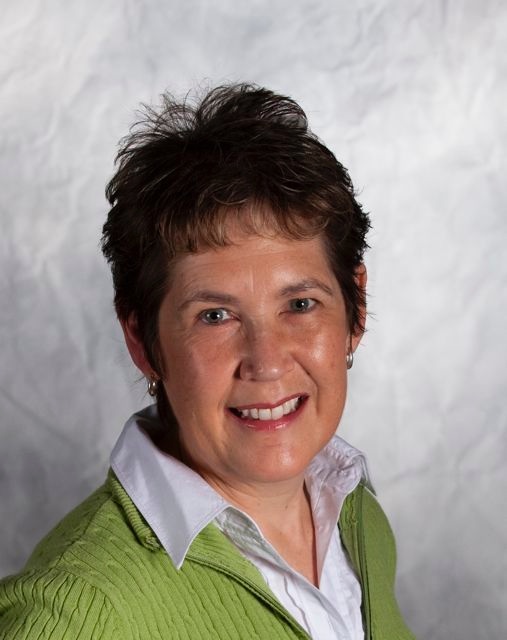
JoleneGreenSweater.jpgJolene Philo (pictured at right) on Ten Things Churches Should Know About PTSD in Kids and Adults…January 6, 13, 20, 27 at 10:00 AM Eastern.

Jay Kranda of Saddleback Church is interviewed by Nils Smith on online small groups…January 6, 13, 20, 27 at 10:25 AM Eastern

Mike Woods on Nine Innovative Outreach Strategies for Your Special Needs Ministry…January 6, 13, 20, 27 at 10:45 AM Eastern

Barb and AmyBarb Dittrich interviews Amy Kendall on Including Student Volunteers in Disability Ministry…January 8, 15, 22 and 29 at 1:00 PM Eastern

Joe Padilla on Mental Illness, the Church and the Hope of Recovery…January 8, 15, 22 and 29 at 1:20 PM Eastern

Beth Golik on How to Incorporate the Special Needs Classroom into a Church-Wide Curriculum Alignment, January 8, 15, 22 and 29 at 1:40 PM Eastern.

Our first “Key Talk” with live chat will be on Wednesday, January 7th at 8:00 PM Eastern. Dr. Steve Grcevich will be offering a workshop on Anxiety and Spiritual Development. We’ll have more tomorrow on our Key Talks series.

Hope you can join us this week…and throughout the month of January!

Posted in Anxiety Disorders, Key Ministry, PTSD, Resources, Strategies, Training Events | Tagged , , , , , , , , , | Leave a comment

The myth that love is always enough…

shutterstock_176186954 copyThe single most vexing clinical challenge I’ve faced in my practice during the past few years has been treating kids with good parents and loving families who display violent behavior of such severity that they can’t continue to live safely with the families into which they’ve been adopted.

One of our readers recently shared a success story involving her adopted daughter, now doing well after previously experiencing foster care placement and institutionalization five times in six months. One of her statements evoked an immediate emotional response from me.

“And in most cases these children will learn that you love them and need them in your lives just as much as they need you. Once you have that, the bad behaviors should slow down and stop.”

In my professional experience, this statement isn’t true in “most cases.” I have some incredibly loving, caring and insightful parents in my practice who honor God and yet struggle with adopted kids who manifest extreme behavior. While it’s certainly necessary for all kids to have loving families in which they come to know God through Jesus and are nurtured as they mature and grow in faith, having such a home may not always be sufficient in attenuating the emotional, behavioral and relational consequences of previous trauma, neglect or abuse.

shutterstock_184136372Among our priorities at Key Ministry is expanding the resources and supports we can offer to churches committed to encouraging and supporting families who adopt. As part of the effort, I’m compelled to challenge the myth that appears to be popular in Christian circles that “love is always enough” for kids who have been adopted or kids from the foster care system to grow and thrive in their new families.

Here are four ways in which I’ve observed the myth to be destructive…

  • We mislead families about the risks of the ministry we ask them to undertake. While less frequent than ten years ago, I still routinely meet with parents who entered into adoption oblivious to the behavioral health concerns common among kids available for placement or the potential impacts upon the family.
  • When kids who’ve been adopted behave poorly, we’re quick to make judgments about their parents, questioning their commitment to effective discipline or the depth of their faith on the basis of false assumptions about the causes of maladaptive behavior. As one of our early supporters shared, “People in the church believe they can tell when a disability ends and bad parenting begins.” Parents who adopt kids with special emotional or behavioral needs might expect others in the church to perceive them differently when their kids misbehave.
  • We unnecessarily expose parents within the Christian subculture to excessive guilt and self-doubt when kids continue to struggle emotionally or behaviorally. If our expectation is that “love is always enough,” what happens when it isn’t?
  • We run the risk of reinforcing the false assumption among kids who have been adopted or kids in foster care struggling with attachment or abandonment issues that they’re not loved or not lovable when they struggle with behavioral or emotional self-regulation.

Sadly, love isn’t always enough, and the implication that it is (or should be) with kids exposed to trauma or neglect is as destructive as the myth that mental illness is caused by a problem with sin or inadequate faith.

Updated March 1, 2016

***********************************************************************************************************

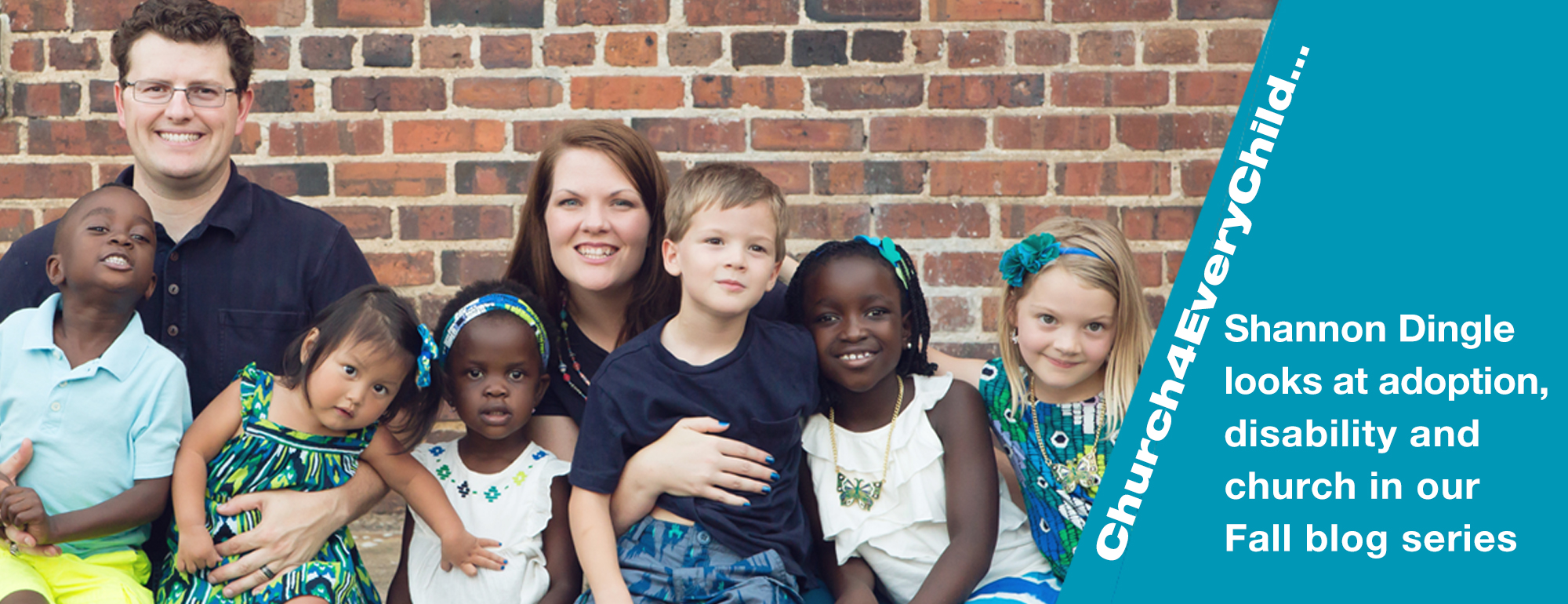
2000x770 S DINGLE CHRCH4EVCHILD 2Check out Shannon Dingle’s blog series on adoption, disability and the church. In the series, Shannon looked at the four different kinds of special needs in adoptive and foster families and shared five ways churches can love their adoptive and foster families. Shannon’s series is a must-read for any church considering adoption or foster care initiatives. Shannon’s series is available here.

Posted in Adoption, Advocacy, Controversies, Families, Foster Care, Key Ministry | Tagged , , , , , , , , , , | 9 Comments

Everyone is welcome at church tonight…

shutterstock_105372080Some Christmas wishes come true!

Millions of families here in the U.S. and throughout the world would like to be able to celebrate Jesus’ birth today or tomorrow together with friends and neighbors at church. And while the disability ministry movement has made great strides in helping local churches to welcome and include kids with disabilities and their families at church, far too many will encounter insurmountable barriers to worshiping in the physical presence of other Christ-followers this Christmas…

  • Kids and adults who experience panic attacks in crowds
  • Kids and adults with significant sensory processing issues
  • Kids and adults with social anxiety or difficulties with social communication
  • Families of kids who struggle with self-control
  • Families of kids who become distressed in unfamiliar situations

Beginning at 8:00 AM today, and running through Christmas Day, keyministry.tv will be hosting a Christmas worship celebration at our Front Door Online Church platform thanks to the generosity of Community Bible Church. We’ll have great music and an inspiring message from the pastors of CBC. Here’s how to join us…

Go to keyministry.tv.

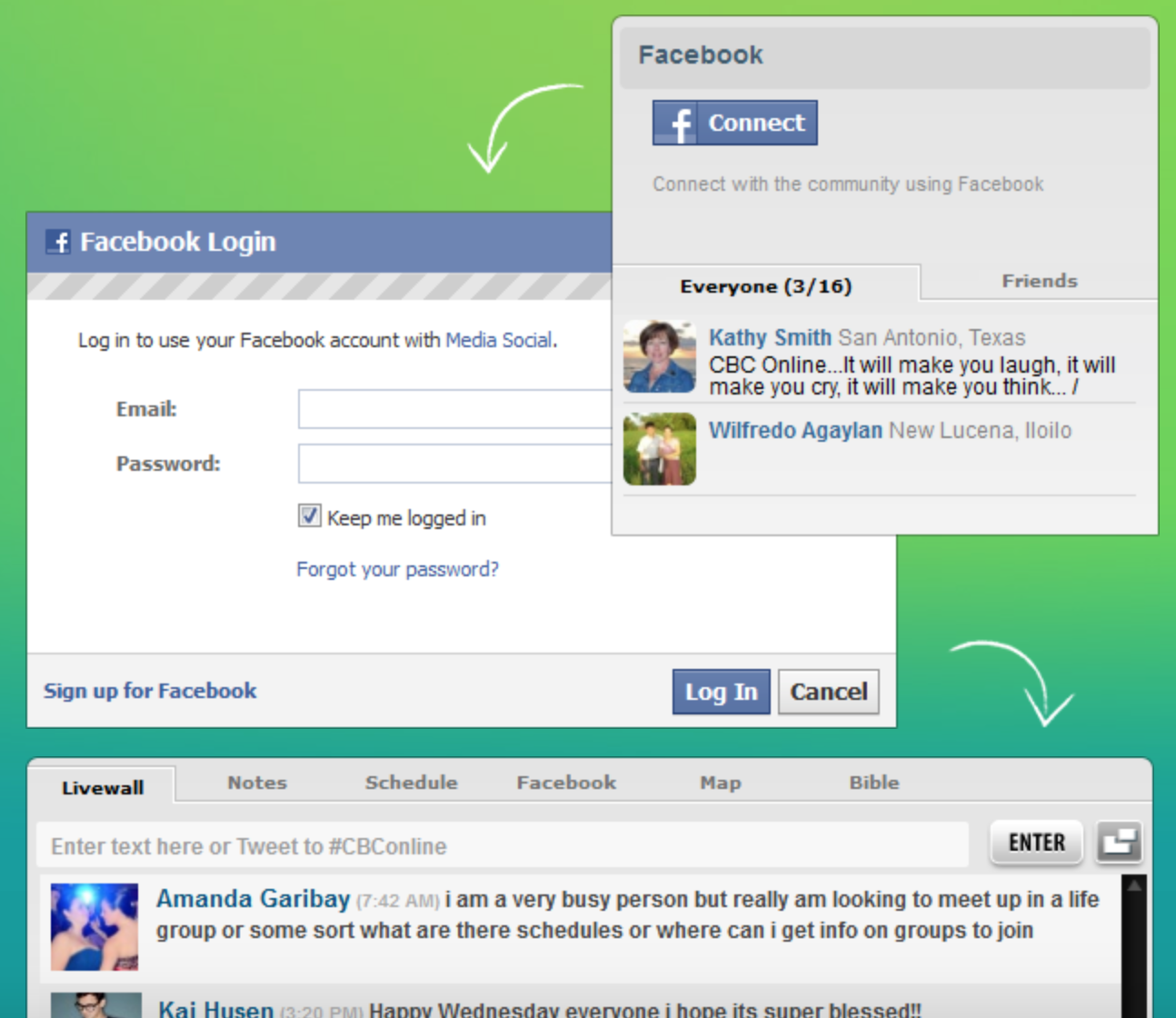
Connect with us and others attending online by signing in with your Facebook account…a Facebook account isn’t required to attend online church, but to join the chat, either Facebook or a Twitter account in which posts use the hashtag #frontdoorchurch is required.

Connecting through Facebook

Because our Front Door worship hosts have family and church commitments themselves tonight and tomorrow, we can’t promise we’ll always have a worship host…but we will make every effort to connect with everyone leaving a Christmas greeting, praise report or prayer request on our live wall.

You can help by sharing the link to this post on your Facebook wall and through your social media accounts with families you know who would otherwise be missing from church this Christmas.

On behalf of the Board and staff of Key Ministry, we wish everyone a very Merry Christmas and a Blessed and Joyous New Year!

Posted in Families, Inclusion, Key Ministry | Tagged , , , , , , , , , , | Leave a comment

Our ten most popular blog posts of 2014…

Steve November 2013Thanks to everyone who contributed to making the blog such an incredible success this year! We were assisted by twenty three guest bloggers and each member of our consulting staff…Mike Woods, Shannon Dingle, Barb Dittrich and Nils Smith. We’re also grateful to our 1,100 subscribers and our 4,500+ Facebook followers who help us spread the word through sharing links to our posts. Sharing today’s post is an excellent way of introducing the blog…and Key Ministry with pastors, friends and family members who would be blessed!

Between Christmas and New Year’s, I’ll be busy caring for patients, helping to raise funds to grow the ministry and putting together plans for next year. We’ll be featuring our most popular posts from this past year through our social media accounts. Here are our top ten posts from 2014. Click here to see the most popular posts from 2013. We had two repeaters…including this year’s #1 post!

10. Oppositional Defiant Disorder…A description or a diagnosis? (4,442 views) In this post (originally published in June 2013), we looked at the changes in the diagnostic criteria for a condition commonly identified among children who chronically exhibit angry or disrespectful behavior.

Dingles Spring9. When it’s scary to say yes… (4,526 views) Shannon shared a very personal post about her family’s experience with adoption. If we ask families in our churches to say yes to adoption, then we need to be ready to say yes to those families and their children if they need support after their yes leads to unexpected challenges.

8. Does depression result from a lack of faith? (4,572 views) While it’s possible that a lack of faith can contribute to symptoms of depression (Elijah in fear for his life from Jezebel) or sin (David), or life stresses (Jeremiah, Paul) it’s difficult to conclude from the number of Biblical illustrations in which giants of the faith struggled with hopelessness and despair that a primary cause of depression is a lack of faith or trust in God. Isn’t it possible, perhaps likely that God might use our suffering to strengthen our faith and to draw us into closer relationship with Him?

7. Asperger’s Disorder and Spiritual Development (5,368 views) This resource was developed to help support churches seeking to minister more effectively to families of kids with Asperger’s Disorder and other social disabilities. Co-authored with Mike Woods.

PHILO - Children and PTSD6. He won’t remember: Children and PTSD…Jolene Philo (6,245 views) Very few churches talk about the babies, special needs babies, who also suffer from PTSD. Because we don’t want to believe they feel pain. Very few churches talk about children already traumatized before birth or children traumatized by direct or observed trauma. Because we good church people don’t want to believe they remember.

5. Ed Stetzer is dead-on about mental illness and Christians…now what? (6,892 views) I believe we can take the healthy parts of psychology and psychiatry and use them in counseling. Furthmore, there may be physiological reality that require medical intervention. I’m concerned that many Christians appear to not see that– believing that prayer and Bible study alone can cure genuine mental illness (a view I don’t generally share, miraculous intervention an exception).

shutterstock_68372575_24. Updated…Why your kid’s Concerta hasn’t been working lately (8,198 views) Based on an analysis of data, FDA has concerns about whether or not two approved generic versions of Concerta tablets (methylphenidate hydrochloride extended-release tablets), used to treat attention-deficit hyperactivity disorder in adults and children, are therapeutically equivalent to the brand-name drug.

3. Churches should become trauma and attachment-informed (14,418 views) So, church leaders, what can you do to become trauma- and attachment-informed and to then use that knowledge to serve adoptive and foster families well? Authored by Shannon Dingle.

© 2014 Rebecca Keller Photography2. I love adoption, but… (24,701 views) Please, church leaders and friends, be careful how you portray adoption and foster care. Especially in front of my children, who – like most kids – don’t want to be singled out as different or as being or having been needy at some point in their lives. Especially to other people in our church who while well intentioned might not be prepared or equipped to say yes to adoption or foster care, maybe not ever or maybe just not yet. Especially when so many Christian messages imply or outright present adoptive parents as the savior when we have only one Savior (and it’s not us). Authored by Shannon Dingle.

file0004789252151. DSM-5: Rethinking Reactive Attachment Disorder (26,681 views through 12/20/14) When I read through the new criteria for Reactive Attachment Disorder, I found myself hard pressed to think of any condition in which so great a disconnect exists between the way it is defined by academicians and community-based clinicians.

What don’t you see in the criteria that you’d expect to see, based on the common understanding of RAD in the therapeutic community and the broader culture? Any description of the pathologic behaviors that generally lead adoptive and/or foster parents to seek out mental health services for children in their care!

Thanks again for doing ministry with us in 2014! Best Wishes to you and your family for a very Merry Christmas and a Blessed and Joyous New Year.

SG

***********************************************************************************************************

Kindrid Instructional SlideKey Ministry depends upon financial support from individuals and churches to continue to provide FREE consultation, training, resources and support to churches seeking to minister with families impacted by disability. Giving to Key Ministry has never been easier! Just text the dollar amount you’d like to give to (440) 337-4338, and your donation will be made securely through software designed by the folks from lifechurch.tv who designed the “Bible” app you probably use on your smartphone or tablet.

Please consider a gift to Key Ministry as you consider your year-end giving!

Posted in Adoption, Advocacy, Inclusion, Key Ministry, Mental Health, PTSD, Resources | Tagged , , , , , , , , , , , , , , | Leave a comment

Christmas challenges for kids with common mental health concerns…

shutterstock_120941872Over the past five to ten years, our child and adolescent psychiatry practice has grown increasingly busy  during the Christmas season. The struggles many adults experience with depression and loneliness at this time of the year have been very well-documented. The struggles kids with common mental health conditions experience at Christmas are less well-documented.

We’ll look at three common struggles the kids with mental illness experience over Christmas break and offer ideas parents might try to minimize the impact of the holidays upon their children.

Problem: Kids who are anxious and/or struggle with obsessive thinking don’t do well with too much free time over Christmas break.

10847878_10203297177497638_6669499103478929526_nSolution: Busy is better!

This is the largest single factor that contributed to Christmas becoming a busy season in our office. Kids predisposed to sadness or irritability when they perseverate on negative thoughts often cope by filling their hours with schoolwork or extracurricular activities that serve as welcome distractions. When the normal school routine (accompanied by lots of homework, practices, performances and competitions) comes to a screeching halt in late December, it’s not unusual for kids who ruminate on bothersome or distressing thoughts become intensely more sad, angry or irritable.

Parents of kids who think too much can proactively address this problem by arranging opportunities for their child or teen to stay busy over the break. If they’re old enough, volunteer opportunities through churches and non-profits are plentiful at this time of year. Parents might consider making plans for engaging family activities…trips to art museums, science museums, movies, concerts, plays and winter sports may all be welcome diversions.  The other time of year when planned trips or activities may be helpful is the first two weeks after school lets out for the summer, before the schedule of camps and summer-long activities kicks in.

Problem: Kids who struggle with emotional self-regulation, social anxiety or sensory processing often experience challenges at gatherings with extended family, or other activities associated with the Christmas season.

Solution: Parents must be careful to manage their expectations…and the expectations of family members when kids have neuropsychiatric conditions.

Some kids have more difficulty masking their disappointment over gifts than others. Emotional self-regulation is one of the executive functions that mature more slowly in kids with common mental health disorders. The picture with Santa isn’t worth it if your painfully shy kid is going to melt down at the prospect of sitting on Santa’s lap. A child with sensory issues may find the prospect of hugging Aunt Betty as downright aversive, even if she doesn’t smell of alcohol and cigarette smoke.

To the extent possible, the holidays do represent an opportunity for parents to educate relatives about the conditions their children experience, along with strategies for interaction likely to result in pleasant memories for all.

shutterstock_225004543Problem: With the excitement of the season and changes in routine that occur during the Christmas season, many kids with common mental illnesses experience difficulty with self-control.

Solution: Parents and caregivers need to be very intentional in attempting to maintain some structure during a very busy holiday season.

As a general rule of thumb, kids who struggle with common emotional and behavioral disorders are capable of controlling their behavior and managing their emotions ways-it just requires much more mental effort for them to do so than for another child of the same age.  I’d define “structure” as clear and predictable rules, expectations and routines for task completion and interpersonal relationships. “Structure” allows kids to devote cognitive resources and energy to the task at hand as opposed to expending mental effort navigating the immediate demands of their environment.

Let’s apply this concept to the holidays…For kids who struggle with self-control, their risk for disruptive behavior is generally reduced during predictable and familiar routines. As the environment becomes more chaotic, noisy, disorganized and unpredictable, their resources for maintaining self-control become more limited.

Parents should also be aware of the importance of re-establishing routines as the resumption of school approaches. It’s not uncommon for kids to require a week or more to settle back into their school routine after two weeks of excitement and sleep deprivation.

***********************************************************************************************************

Kindrid Instructional SlideKey Ministry depends upon financial support from individuals and churches to continue to provide FREE consultation, training, resources and support to churches seeking to minister with families impacted by disability. Giving to Key Ministry has never been easier! Just text the dollar amount you’d like to give to (440) 337-4338, and your donation will be made securely through software designed by the folks from lifechurch.tv who designed the “Bible” app you probably use on your smartphone or tablet.

Please consider a gift to Key Ministry as you consider your year-end giving!

Posted in ADHD, Anxiety Disorders, Families, Hidden Disabilities, Mental Health, Strategies | Tagged , , , , , , , , | Leave a comment

Do some disabilities predispose individuals for leadership?

Churchill_portrait_NYP_45063I thought I’d share links to a couple of excellent articles for your reading pleasure that postulate specific advantages to two hidden disabilities in the formation of successful leaders.

The first article, The Upside of Depression was published in the New York Times Magazine in February, 2010. Genes associated with decreased serotonin activity in the brain have been linked to depression and anxiety. Recent studies have also shown increased activity in a region of the brain (ventrolateral prefrontal cortex) in patients with depression associated with the ability to maintain attention. As a result, people who are predisposed to obsessing or “ruminating” about specific problems may have a unique ability to marshal their attention for the purpose of analyzing and breaking down complex problems. To quote from the author…

But the reliance on the VLPFC doesn’t just lead us to fixate on our depressing situation; it also leads to an extremely analytical style of thinking. That’s because rumination is largely rooted in working memory, a kind of mental scratchpad that allows us to “work” with all the information stuck in consciousness. When people rely on working memory — and it doesn’t matter if they’re doing long division or contemplating a relationship gone wrong — they tend to think in a more deliberate fashion, breaking down their complex problems into their simpler parts.

The bad news is that this deliberate thought process is slow, tiresome and prone to distraction; the prefrontal cortex soon grows exhausted and gives out. Andrews and Thomson see depression as a way of bolstering our feeble analytical skills, making it easier to pay continuous attention to a difficult dilemma. The downcast mood and activation of the VLPFC are part of a “coordinated system” that, Andrews and Thomson say, exists “for the specific purpose of effectively analyzing the complex life problem that triggered the depression.” If depression didn’t exist — if we didn’t react to stress and trauma with endless ruminations — then we would be less likely to solve our predicaments. Wisdom isn’t cheap, and we pay for it with pain.

The second article, The Science of Success was featured in the Atlantic. Here’s the premise discussed in the article…an interesting thought for Christians in the adoption and foster care movements:

Most of us have genes that make us as hardy as dandelions: able to take root and survive almost anywhere. A few of us, however, are more like the orchid: fragile and fickle, but capable of blooming spectacularly if given greenhouse care. So holds a provocative new theory of genetics, which asserts that the very genes that give us the most trouble as a species, causing behaviors that are self-destructive and antisocial, also underlie humankind’s phenomenal adaptability and evolutionary success. With a bad environment and poor parenting, orchid children can end up depressed, drug-addicted, or in jail—but with the right environment and good parenting, they can grow up to be society’s most creative, successful, and happy people.

shutterstock_171314369One final observation…In an earlier blog post, I shared my observation that a disproportionate number of church leaders, especially senior pastors-met the criteria for having ADHD. In my practice, I see a lot of kids from a very exclusive private school for boys who are being treated for ADHD. I started questioning myself as to why I was diagnosing more kids with ADHD from this school compared to others in our area. The answer was readily apparent. Most of the boys had fathers (or mothers) who were entrepreneurs or senior leaders in their respective companies…after all, these are the families with the money to pay the $25,000 in annual tuition. The vast majority of the families had at least one parent who was treated for ADHD, or would have been treated today based upon difficulties they experienced growing up.

I recently came across an interesting study that provides the first direct genetic link between ADHD and entrepreneurial ability. And many people aren’t aware that one of our most revered Presidents took Dexedrine for ADHD while he was in office.

I’m not so sure about the impact of visible disabilities upon ability to perform effectively in leadership positions, but there’s interesting evidence to suggest that traits associated with hidden disabilities may be very adaptive for some leaders.

Photo of Sir Richard Branson courtesy of Prometheus72 / Shutterstock.com

***********************************************************************************************************

Kindrid Instructional SlideKey Ministry depends upon financial support from individuals and churches to continue to provide FREE consultation, training, resources and support to churches seeking to minister with families impacted by disability. Giving to Key Ministry has never been easier! Just text the dollar amount you’d like to give to (440) 337-4338, and your donation will be made securely through software designed by the folks from lifechurch.tv who designed the “Bible” app you probably use on your smartphone or tablet.

Please consider a gift to Key Ministry as you consider your year-end giving!

Posted in ADHD, Advocacy, Depression, Hidden Disabilities, Leadership | Tagged , , , , , , , , , , , | Leave a comment

A look back at 2014…

In the process of preparing for 2015, our team has been taking a look back at this past year to examine what worked, what didn’t and to better understand how our services and resources are accessed by the churches and families we serve. I’ll share some of our more interesting observations…

imageWe did fewer live training events in 2014, but the events we did were very well-attended. Our training at the Green Campus of Parkside Church in February attracted 50 ministry leaders and volunteers from ten churches across Northeast Ohio. The Awana Annual Conference in Mississippi in late August drew approximately 175 ministry leaders and volunteers from dozens of churches across the state.

To this point in 2014, our staff have processed 46 requests for consultation. What do churches ask about when they request help from us?

Nature of Inquiry68% are looking for help in managing a specific need or situation.

23% involve requests for training

11% involve requests for assistance with respite ministry.

We looked back over several years at the question of who contacts us for help. Perhaps this shouldn’t be a surprise, but only 37% of our inquiries from pastors or churches staff members…63% are initiated by volunteers. We also looked at the denominations of the churches from which requests were made-we’ve offered our services to all Christian churches, so we were somewhat surprised to find that nearly half of the churches we’ve received requests from since late 2012 are unaffiliated with any denomination. The next largest group is Baptist churches (18%).

Denominations

Who contacts us for help?

We have 850 pastors, church staff, volunteers, parachurch ministry leaders and family members registered to access the resource kit available through our website…upgraded in October of this past year.

Website screen shot13_JONI_KKLAWOMENSNIGHT_0005We recently shared some statistics generated from this year’s Inclusion Fusion Web Summit…but the videos from previous Web Summits continue to get lots of attention! The videos from our first two Inclusion Fusion events have now been viewed 20,498 times…including 8,000+ new views in the first eleven months of 2014.

Stephen Front Door 3Our Front Door online church platform reached a significant milestone in November when we became (to our knowledge) the first “multi-church site” on the Internet when First Christian Church in Canton, OH joined the platform. Multisite churches are quite the rage nowadays among church planters. We’re currently offering seven worship experiences per week and have special plans for attracting families otherwise unable to attend church during the coming Christmas season.

slideshare_black_400x100I continue to be astounded by the number of views the Power Point presentations we use for our talks receive through SlideShare. As of yesterday, the 32 handouts available on my personal SlideShare page had received 41,992 views! This number includes 2,241 views of the handouts from the Awana training described above.

Finally, when we surveyed our constituents this past summer, we found that the resource we provide that is most valued and most used is our blog. Thanks to the contributions of some truly fabulous writers and the buildup to Inclusion Fusion, we’ve experienced explosive growth in the volume of traffic the blog has received in 2014, especially in the last quarter of 2014. Here’s an illustration of the growth of the blog, based upon the number of “page views” the blog has received…

Blog traffic

For a little background, we have a high percentage of regular blog users who return time and time again when we post resources of interest. The average “visitor” to Church4EveryChild views roughly 1.25 pages/visit. In 2012, we averaged 3,798 “views” per month, which equates to approximately 3,000 unique “visitors”-around 100 visitors/day. In 2013, that number jumped to 5,538 views/month, equating to a little under 150 visitors/day. In the first eleven months of 2014, we averaged 17,926 views/month, which equates to roughly 472 visitors/day. In the fourth quarter of 2014, we’ve been averaging 1,575 views (or roughly 1,260 blog visitors) per day!

The traffic to the blog isn’t explained by one or two “viral” posts. Our most popular blog post this year (on rethinking the criteria for Reactive Attachment Disorder) accounts for around 11% of the blog traffic.

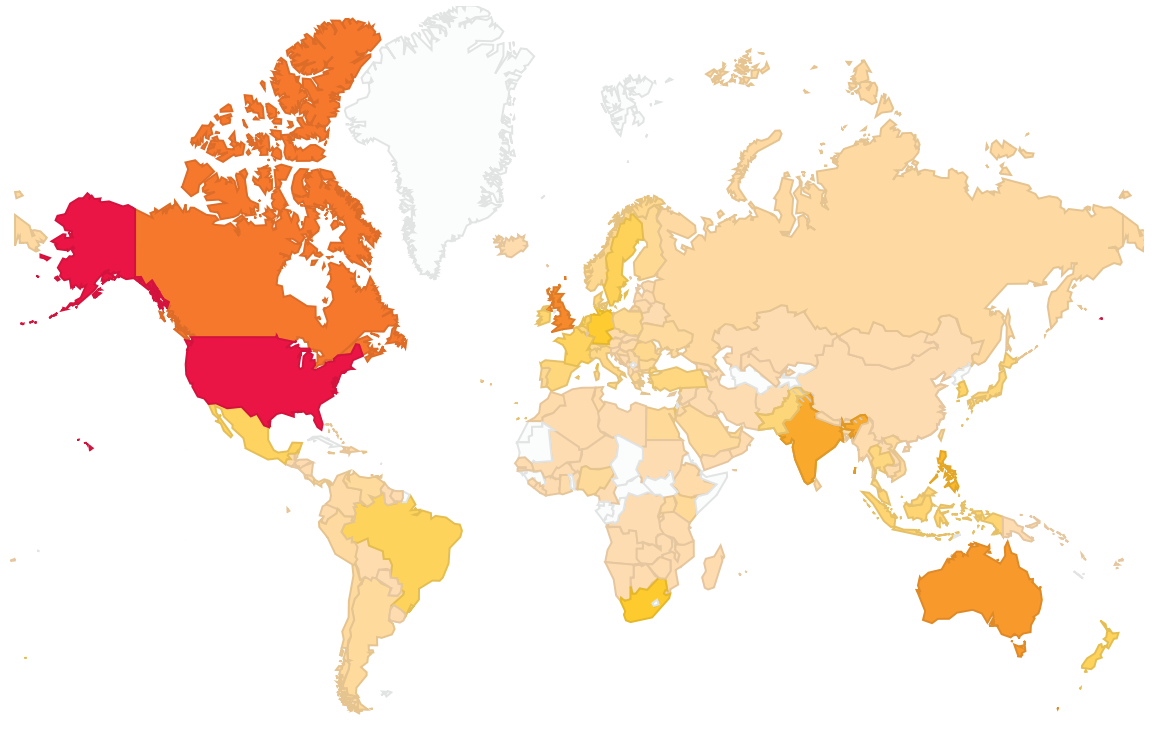
One last nugget for my friends who are into overseas missions…This graphic shows where the folks are located who access our blog have been located over the past year, based upon IP addresses. In the last twelve months, our blog has been accessed by followers in 177 countries! The darker the coloring of the country in the illustration below, the larger our readership is in that country…

Key Ministry Blog Map

One last observation…Through the first eleven months of 2014, we provided the services listed above at a cost of $46,962.04. 2014 has been a very unusual year. Due to staff transitions, we had to operate through most of this year with a predominantly volunteer crew. We had 24 guest bloggers contribute in 2014, in addition to our staff consultants who are compensated for their services. ALL of our live training was offered by volunteers in 2014. Much of the video production for this year’s Inclusion Fusion was offered to us as a gift. We have nine Board members who contribute many hours to the cause and serve faithfully. We’re at the absolute extreme outer limits of what we can accomplish with the resources we have. Staff support to assist us with training and supporting volunteers, enhancing our ongoing support of the churches we serve and new funding to support the technology and production costs associated with making our training, groups and online church freely available online are desperately needed in the year ahead.

Thanks to all of you for coming along with us for the ride in 2014!

***********************************************************************************************************

Kindrid Instructional SlideKey Ministry depends upon financial support from individuals and churches to continue to provide FREE consultation, training, resources and support to churches seeking to minister with families impacted by disability. Giving to Key Ministry has never been easier! Just text the dollar amount you’d like to give to (440) 337-4338, and your donation will be made securely through software designed by the folks from lifechurch.tv who designed the “Bible” app you probably use on your smartphone or tablet.

Please consider a gift to Key Ministry as you consider your year-end giving!

Posted in Advocacy, Inclusion Fusion, Key Ministry, Leadership, Resources, Strategies | Tagged , , , , , , , , , , | Leave a comment