
Unapologetic…

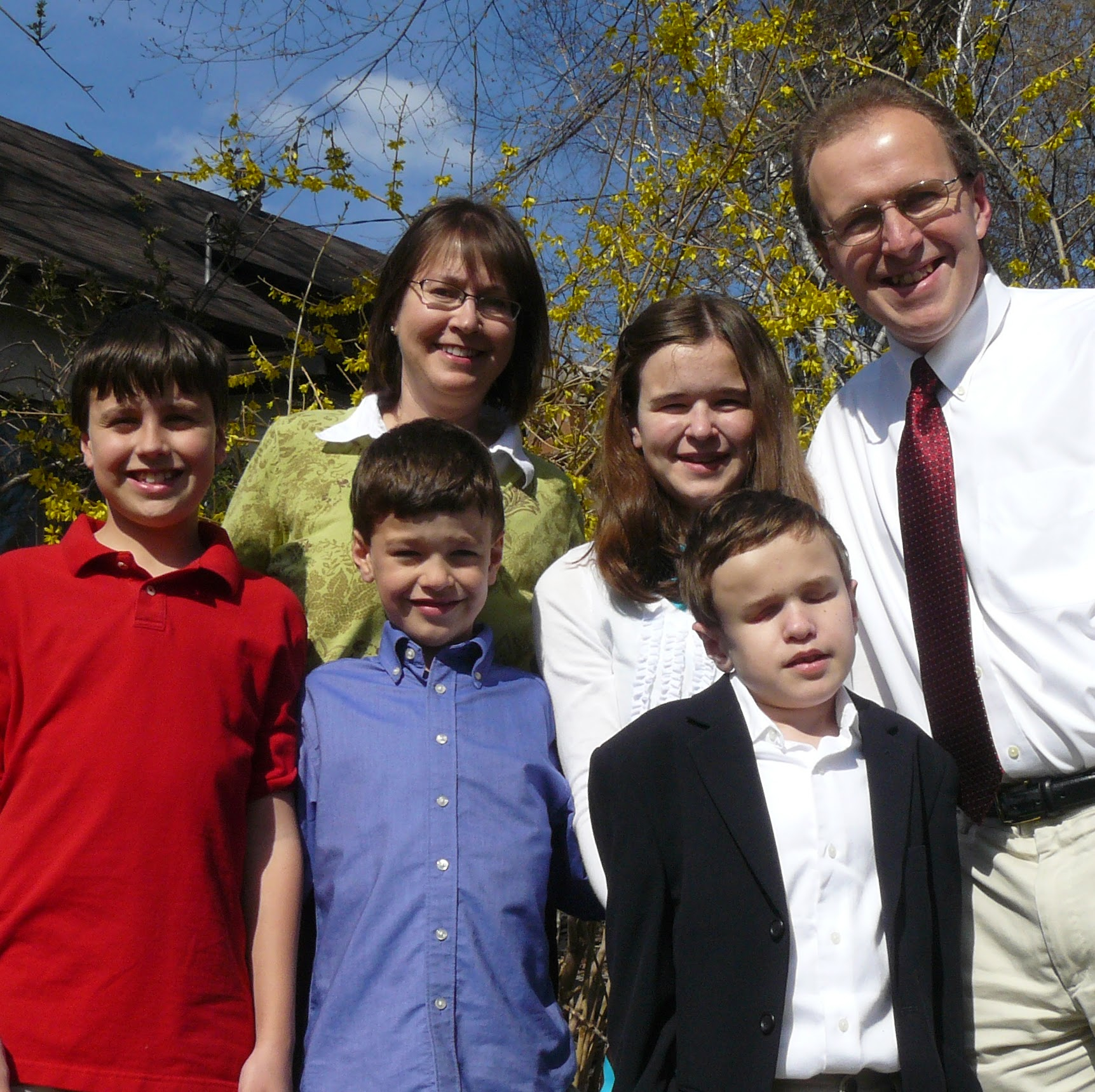
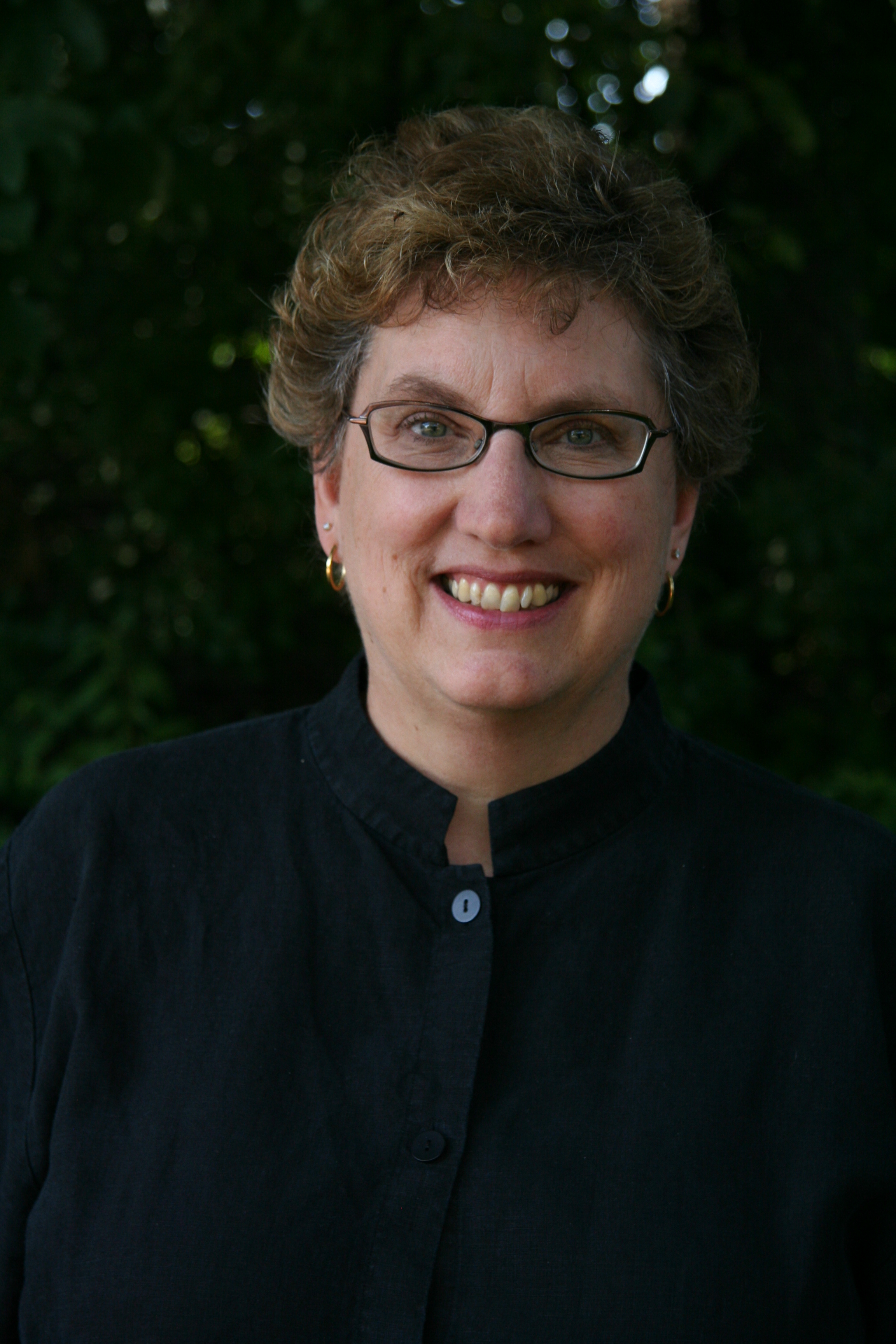
Sophie bein SophieBarb Dittrich is a passionate advocate for the needs of families impacted by disabilities in the church. She’s faithfully served as a member of the Program Committee responsible for putting together Inclusion Fusion, and serves as Executive Director of SNAPPIN’ Ministries. She’s recently joined our Key Ministry team as our Social Community Director. Here’s a wonderful testimony from Barb about the challenges faced by parents of kids with “hidden disabilities.”

“Maybe a little less sugar would help her,” the grocery store clerk suggested as my daughter chattered and bounced.  “No,” I grimaced, holding my tongue painfully until we could complete our transaction.  My Little Miss was her usual loud, energetic, socially awkward, but friendly self as we passed through the check-out line that day.  I hurriedly shoved my mountainous cart of groceries out of the store after the exchange, head held low, not wishing to disturb any more customers or employees.  My spirit drooped as those old lying voices of inadequacy haunted me.  This wasn’t an unusual occurrence in public…  or with relatives…  or with friends…  or with fellow church members.  No matter what the occasion, and usually when I felt least equipped to handle it, the comments about my youngest daughter’s behavior would fly.

Having a middle child who is more medically fragile and who struggles with anxiety disorder, you would think our youngest would be the “easier” of our two children with special needs.  However, since the day this child was born, something has been different about her.  When she was a toddler, I can remember one incident where I went to use the toilet and came out to find her gone.  Rather than helping me rescue her, one neighbor called another and said, “Look out your back window to see who is running through the yards!”  Sure enough, it was my missing toddler.  Smart as a whip, she has long been misunderstood, not getting compassion or help until she was eventually diagnosed with multiple severe allergies, asthma, severe ADHD (of course, her allergies include all ADHD medications), social deficits and sensory processing disorder.

Over the past decade, I have learned to treasure all the unique parts of my daughter.  I sit and imagine what God will do with all her traits and gifts when she is grown.  Before we got her the diagnoses with the accompanying help that she needs, I used to worry that I would be visiting her in jail.  Thank God, with the blessings of some wonderful teachers, therapists and doctors, we have been able to help her with reading and writing as well as channel her imagination and energy in positive directions.  Rather than endlessly apologizing for who she is, I know that God has made her “fearfully and wonderfully.” (See Psalm 139:14)  I am proud of this incredibly unique little treasure that the Lord has seen fit to entrust to our care.  I watch her when she doesn’t realize it, and I giggle witnessing her silly quirks. Now my job as a parent is to get others to view my child with that same warmth.

This thought really sprang up in me over this past week as another parent of an older child with special needs had an occurrence at a restaurant where he ran from the mother and created some chaos in an area where he should not be.  The mother called me, crying in shame, feeling she couldn’t apologize enough for her son.  Sadly, the restaurant owners are family with the special young man.  He had never before behaved in such a way in their establishment.  Yet, the extended family had never made an attempt to understand the boy’s challenges in any meaningful way.  The result is that a mother now sits feeling that she can never show her face in the restaurant again and that she is a horrible person because of her son’s behavior.

shutterstock_144843835I have to wonder, looking at this mother’s situation, looking at my own situation, if we should really be the ones apologizing.  Don’t get me wrong.  There are dangerous circumstances that our children can create or get involved in that we must act upon.  And when we are negligent, we must repent.  Nevertheless, I would hazard to say that those types of situations are the exception rather than the rule with parents like us.  Instead, I would say that those around us are more likely to move through daily life with disregard for God’s mandate to bind up the brokenhearted, to love the least of God’s children, to laugh with those who laugh and mourn with those who mourn.

Instead of tiptoeing through this life sheepishly, we as parents need to fill our tanks enough so that we have energy both to parent these children and to educate the world around us.  Building acceptance is part of our high calling.  That means that we need to be unapologetic for who God made our precious children to be.  Yes, these children of ours have imperfections, but so does every human in this fallen world.  Showing others how to adapt and include our loved ones is something for which we parents are uniquely equipped.

Parents, let’s resolve to move through as many days as the Lord grants us, loving our children, taking in their beautiful and unique qualities, being unapologetic for who they are, and enlightening those around us in the special way He has given us.  After all, we don’t know if our child might be the very tool that God uses to change others in some unforeseen way.  And that makes every life, even the quirky, chaotic or unusual, extremely worthwhile.

PRAY:  Father, may I never lose sight of the remarkable creation of my child.  Thank You for giving me eyes of love to see the unique, worthwhile person inside.  Only by Your power can I go forward to awaken an uncaring and critical world.  Put the right words in my mouth to build acceptance of those with special needs.

Check out Barb’s blog…Comfort in the Midst of Chaos

Updated July 19, 2014

***********************************************************************************************************

abstract yello youtubeWe’re featuring videos of past Inclusion Fusion presentations on Key Ministry’s new YouTube channel!  Viewers can access EVERY VIDEO from past Inclusion Fusion Web Summits ON DEMAND. The videos from past Web Summits have been viewed over 20,000 times…we hope you’ll find them as helpful as many others have!

Posted in ADHD, Advocacy, Families, Stories | Tagged , , , , , , , , | 2 Comments

Special Needs and Divorce: What Does the Data Say?

This was (by far and away) our most viewed blog post of 2012…

Updated: February 19, 2012

It’s not unusual to attend presentations at disability ministry conferences where statistics on the impact of specific disabilities are quoted or repeated and accepted as fact, without citing the original source of the research. I’ve been guilty myself of citing or repeating statistics I’ve heard at conferences without verifying the primary source…I’d NEVER be able to get away with spouting statistics without references if I was presenting at a major medical conference.

That got me thinking about some of the statistics I’d been using in Key Ministry presentations. First, as Christians, we have an extra burden to represent the truth, because people will judge our witness (and indirectly, Jesus) based upon the integrity of what we say and do. Second, the consequences of what I do in my ministry activities have even greater lasting significance than the decisions I make in my medical practice, so the standards ought to be at least as rigorous as the ones I implement in my day job.

To that end, I spent an evening searching out the frequently-quoted statistic of an 80% plus divorce rate in marriages where the parents are raising a child with special needs. I make no claims that this search is all-inclusive. Searching journals in developmental or intellectual disabilities is extremely challenging because few articles are made available for “open access” (anyone can download and read the contents free of charge). I was surprised at how little research exists on the topic. There’s lots of research on the impact of parental divorce on kids, but very little information about the impact of disability in children on parental marriage status or satisfaction.

There were four studies of good quality that I located on the topic. The largest study (Freedman BH et al.) was recently published online.

A study by Wymbs and Pelham (J Consult Clin Psychol. 2008 October; 76(5): 735-744) examined divorce rates and predictors of divorce among parents of youth with ADHD. The divorce rate among parents of kids with ADHD was nearly twice that of couples in the general population (22.7 percent of parents of children with ADHD had divorced by the time the child was 8 years old, compared to 12.6 percent of parents in the control group). If the parents of a child with ADHD were still married by the time their child reached the age of 8, their subsequent divorce rate was no higher than that of controls.

Factors associated with an increased risk of divorce included history of antisocial behavior in the father, mothers with substantially less education than fathers, an earlier age of diagnosis of the child’s ADHD,  children from racial or ethnic minority groups and children with concomitant behaviors associated with Oppositional Defiant Disorder or Conduct Disorder.

A study by Urbano and Hodapp (Am J Ment Retard 2007 Jul;112(4):261-74) compared divorce rates among families of children with Down Syndrome to families of children with other birth defects and families of children with no identified disability. Divorce rates were lower among couples with a child with Down’s than in the other two groups. When divorce did occur in the Down Syndrome group, it was more likely within the first 2 years after the child’s birth. Factors associated with increased risk of divorce among families of children with Down’s included younger age of parents, parents who were unable to complete high school, fathers with less education than mothers and couples living in rural areas.

Hartley et al (J Fam Psychol. 2010 Aug;24(4):449-57) examined rates of divorce among families of children with autism spectrum disorders. Parents of children with an ASD had a higher rate of divorce than the comparison group (23.5% vs. 13.8%). The rate of divorce remained high throughout the son’s or daughter’s childhood, adolescence, and early adulthood for parents of children with an ASD, whereas it decreased following the son’s or daughter’s childhood (after about age 8 years) in the comparison group. Younger maternal age when the child with ASD was born and having the child born later in the birth order were positively predictive of divorce for parents of children with an ASD.

In contrast to the study by Hartley, a study by Freedman and Kalb (J Autism Devel Disorders 2011 DOI: 10.1007/s10803-011-1269-y) demonstrated the following:

Despite speculation about an 80% divorce rate among parents of children with an Autism Spectrum Disorder (ASD), very little empirical and no epidemiological research has addressed the issue of separation and divorce among this population. Data for this study was taken from the 2007 National Survey of Children’s Health, a population-based, cross-sectional survey. A total of 77,911 parent interviews were completed on children aged 3–17 years, of which 913 reported an ASD diagnosis. After controlling for relevant covariates, results from multivariate analyses revealed no evidence to suggest that children with ASD are at an increased risk for living in a household not comprised of their two biological or adoptive parents compared to children without ASD in the United States.

Here’s an interesting quote from Dr. Brian Freedman, lead author of the study:

“Results from the analysis found no consistent evidence of an association between a child having an ASD diagnosis and that child living in a traditional versus nontraditional family. Once we control for co-occurring psychiatric disorders, our results show that a child with an ASD is slightly more likely than those without ASD to live in a traditional household. This somewhat counter-intuitive result is likely due to particularly low probabilities of living in traditional households for children with those other disorders, regardless of whether or not they have ASD. In fact, exploratory analyses suggest that having ADHD, Externalizing, and Internalizing disorders are more strongly related to the probability of not living in a traditional household than is ASD.”

Here are my takeaway points following a review of the available data:

While I can certainly attest from my clinical experience to the challenges families face when parenting a kid with an autism spectrum disorder, the level of understanding about autism in the community has progressed to the point that having a child with the condition has become more socially acceptable. The same is true of Down’s Syndrome, which is caused by a specific chromosomal abnormality. Mental health is still a taboo topic. It’s less stigmatizing to have a kid with an autism spectrum disorder than a kid with a psychiatric disorder.

When prevalence rates of autism increase, the government and private foundations (appropriately so) invest money into research to figure out the cause. When rates of ADHD, bipolar disorder, or anxiety increase among kids, the immediate assumption is that lifestyle choices by parents, drug company conspiracies or shoddy diagnosis are contributing factors. I’d hypothesize that parents of a kid with a psychiatric diagnosis are more fearful of being judged by others (say…at church?) than parents of a child with an ASD. As a result, parents of kids with psychiatric conditions may be less likely to have the social supports and the connection to community that helps to preserve marriages.

While experience suggests that families of kids with ASDs very much need purposeful and intentional outreach and support from a local church, this may be even more true in families of kids with psychiatric conditions.

The bottom line is that families of kids with all special needs are in desperate need of local churches where they can experience the love of Jesus through the care and support of friends and neighbors.

***********************************************************************************************************

Key CatalogOur Key Ministry team is very much in need of your support if we are to continue to provide free training, consultation and resources to churches. Please consider either an online donation or a sponsorship from the Key Catalog. You can sponsor anything from an on-site consultation at a local church, the addition of a new site for church-based respite care, to a “JAM Session” to help multiple churches launch special needs ministries in your metropolitan area. Click the icon on the right to explore the Key Catalog!

Posted in ADHD, Autism, Families, Key Ministry, Parents | Tagged , , , , , , , | 1 Comment

Mental Illness and Mass Murder: Reflections From a Christian…and a Psychiatrist

c79cec1671180b72ee93e5135571989bWe’re looking back at our most popular blog posts from 2012. Here’s #2…

It’s impossible without being intellectually dishonest to ignore the reality that most of the perpetrators of the horrific mass murders in America in the past few years have experienced symptoms associated with mental illness. While the vast majority of persons with mental illness never become violent, traits commonly associated with mental illness may be among many predisposing factors in children and adults who exhibit aggressive or violent behavior.

As Christians, we recognize the reality that we live in a broken world. When sin entered into the world and our relationship with God was broken, one consequence that we all continue to experience to this day are bodies that are, to one degree or another, broken. Given enough time, the organ systems that comprise our bodies break down to the point that we die. Our brain is arguably our most vulnerable organ and the organ most susceptible to the toxic effects of the world in which we live.

This is far from an inclusive list, but traits associated with human brains may predispose a person to violent or aggressive behavior, or perpetuate patterns of violent behavior. Some of those traits include…

  • Weaknesses in brain pathways modulating impulse control and/or emotional self-regulation
  • Exposure to traumatic events/experiences
  • Propensity to misinterpret the level of risk/danger in one’s immediate environment
  • Difficulties with language/communication, including non-verbal language. To some degree, our ability to effectively problem-solve and tolerate frustration is grounded in our ability to think by using words
  • Difficulty diverting focus/attention when “stuck” on distressing thoughts or the inability to have a desire/need met

The most common pattern I see in the shootings that have rocked our country in the past few years is the extent to which the perpetrators in each of these shootings experienced significant social isolation.

ebf6a73014aa86e6be888496230b62edFrom a Christian standpoint, this social isolation points to another quality of our broken world. To quote Rick Warren, we were created for relationship. We were created for an eternal relationship with God…our loving Father. We were created to be in relationship with one another. I’d argue that in the Parable of the Lost Sheep, the shepherd’s (Jesus’) pursuit of the lost sheep wasn’t simply because the sheep needed its shepherd, but because the lost sheep needed to be part of the community made up of the 99 other sheep, and the herd needed their lost brother or sister.

One very common observation among the kids I see in my practice is that kids who have a propensity to get stuck on distressing thoughts or gratifying an immediate need don’t do well with social isolation. I see kids like this all the time who do fine when they’re in school because of the cognitive stimulation associated with learning and the need to interact with teachers and peers, but become irritable and violent at home when there’s less stimulation to distract them from their obsessive or ruminative thinking. I suspect the same is true of the adults who have concocted elaborate plots to kill.

The events of the past week, having occurred in an outer suburb of the nation’s media capital, will lead to calls for increasing access to mental health services or limiting access to firearms. Neither intervention will result in a safer society for our children and families. An inconvenient truth about America’s mental health services is that we don’t have nearly enough qualified mental health professionals, and too many of the professionals and agencies we have aren’t very effective at helping the kids, adults and families who come desperately seeking help. We don’t have the money to provide everyone with potential for violence the intensity of service or supervision necessary to eliminate the risk to society, and even if we did, such an effort would involve an unacceptable intrusion into civil liberties. As for firearms, laws against murder didn’t serve as a deterrent in any of the recent mass killings, and bright, determined individuals intent upon mass murder find other methods to kill. Consider the Oklahoma City bombing, or 9/11. The Aurora, CO theater shooter had rigged explosives and gasoline to kill police coming to search his apartment. On the same day as the Newtown massacre, a man in China (where they have knife control laws in place) stabbed 22 children at an elementary school, three critically.

709e63f27284b51d2d97f884746a767cEfforts to address the danger present in our society through gun control or better mental health services represent futile attempts to employ collective defense mechanisms to assuage our anxieties and enable our avoidance of the real issue…there is evil in the world, NONE of us is good, and we as individuals and collectively as a society are powerless to do anything about it. Ask the parent of any two year old…Nobody teaches their kid to punch or kick or bite when another kid takes their toy away. We’re wired that way. It’s our human nature. We as Christians describe it as our sinful nature. But we don’t want to face that reality, or the reality that there are absolute standards of right and wrong established by the Creator of the world and when those standards are violated, pain and heartbreak are inevitable consequences.

We need to appreciate our place in a larger story. We live in a fallen world. A week from Tuesday, we’re commemorating the birth of our Savior, Jesus Christ, who came to deal with the problem that our sinful human nature represents in separating us from a pure and holy God. We as Christians believe that through His birth, death and resurrection, Jesus allows us to be reconciled to God. When He was born in a Bethlehem manger 2000 years ago, Jesus began the process of re-establishing His Kingdom here on Earth and restoring the world to how it was created to be. During this era in human history, those who have professed faith in Jesus, through the working of the Holy Spirit, continue the process of re-establishing the Kingdom until the day when Jesus returns to complete the process. We’re players in the ultimate battle in the universe…the battle between good and evil. This battle is WAY bigger than any of us. Recently, it’s felt like we’re losing a lot more than we’re winning. So, what are we to do?

Jesus gave us our marching orders…”Go therefore, and make disciples of all nations.” We’ll never finish the job-it’s up to Jesus to do that. But the root cause of the massacre in Newtown…as well as the massacres in Chardon, Aurora, Virginia Tech and Columbine is a fundamental problem of the evil in the human heart. You’ve never seen anyone who truly displayed the fruits of the Spirit shoot up a school or crash planes into buildings.

Those of us who are Christ-followers…and WAY too many of our religious professionals have abdicated their responsibility to be salt and light in the world. You want to reduce the senseless violence in the world? Get intentional about allowing Jesus to use you to make more Christians!

One last thought to our readers…and this will be the topic of my next post…Families who have kids or grown children who demonstrate some or all of the traits described above that predispose them to violent/aggressive behavior are in special need of the love of Christ, and represent a great place to start if we’re going to change the world. Nobody should feel like an outsider in the church. And yet, we’re not very good at creating environments that are welcoming to those with mental conditions that leave them isolated and friendless…and vulnerable to the effects of the evil in the world.

Photos from the Newtown Patch

***********************************************************************************************************

Key CatalogOur Key Ministry team is very much in need of your support if we are to continue to provide free training, consultation and resources to churches. Please consider either an online donation or a sponsorship from the Key Catalog. You can sponsor anything from an on-site consultation at a local church, the addition of a new site for church-based respite care, to a “JAM Session” to help multiple churches launch special needs ministries in your metropolitan area. Click the icon on the right to explore the Key Catalog!

Posted in Controversies, Hidden Disabilities, Key Ministry | Tagged , , , , , , , , , , | 1 Comment

Speakers and Topics for Inclusion Fusion 2012

We’re looking back at our ten most popular blog posts of 2012…Here’s #3…

Here’s a current list of speakers committed to joining us for Inclusion Fusion 2012! We’ll be adding to this list by the day in the coming weeks as we receive more commitments. If you’d like to register for Key Ministry’s Second Annual Disability Ministry Web Summit, click here. Like all other Key Ministry services and resources, Inclusion Fusion is made available to churches and families free of charge.

Mike Beates (International Board of Directors, Joni and Friends): Brief Theology of Disabilities

Ben Conner (Young Life Capernaum): Amplifying our Witness: From Inclusion to Partnership (pictured at right)

Cara Daily (Inner Health Ministries, Key Ministry): Do I Have to Have Surgery to Open My Heart to Jesus? (pictured at right)

Jeff Davidson (Rising Above Ministries): Two-gether

Barb Dittrich (SNAPPIN’ Ministries): Making the Case for Mentoring

Amy Dolan (Lemon-Lime Kids): The Intersection of Calling and Opportunity (pictured at right)

Joe and Cindi Ferrini (Cru, Unexpected Journey): We are FAMILY!

Beth Guckenberger (Back2Back Ministries): Holistically Serving the Adopted/Foster Child (pictured at right)

Rebecca Hamilton (Key Ministry): FREERESPITE Training Info (pictured at right)

Mike and Penny Hanlon (Avon United Methodist Church) Organizing, Planning and Managing while Loving

Harmony Hensley (Key Ministry): FREERESPITE: Join the Movement!

Jim Hukill (Lift Disability Network): Exchange of Presence (pictured at right)

John and Ann Holmes (Restoration Church, Pittsburgh, PA): Broken Needs Fixed

Amy Jacober (Youth Ministry Architects, Young Life Capernaum): Good for All: How Serving in Ministry With People With Disabilities Strengthens Your Faith (pictured at right)

John Knight (Desiring God): For the Sake of Your Own Joy! Why Your Church Should Want Families Like Mine (pictured at right)

Marie Kuck (Nathaniel’s Hope): Bridging the Gap Can Be Fun And Not So Scary

Gillian Marchenko (Christian Fellowship Church, Chicago, IL): Loss and Grief in Parenting Children With Special Needs (pictured at right)

Jeff McNair (California Baptist University, Joni and Friends Christian Institute on Disability): Maturity in Ministry

Chris Nelson (Traders Point Christian Church) Technology and Special Needs Ministry (pictured at right)

Nick Palermo (Young Life Capernaum): Including Kids With Special Needs in Your Youth Ministry

Libby Peterson (Bay Presbyterian Church, Key Ministry): Inclusion: An Idea, an Event, or a Lifestyle? (pictured at right)

Jolene Philo (Different Dream Parenting): It’s Not Just For Soldiers Anymore: PTSD and Kids With Special Needs

Bryan Roe (Crosspoint Community Church, Oconomowoc, WI): The Greater Miracle (pictured at right)

Aaron Scheffler (Mark 2 Ministries): Networking: For Ministry (pictured at right)

Rhett Smith (Auxano Counseling): Reframing Anxiety: The Inclusion of Anxiety in Our Church Communities

Matthew Stanford (Mental Health Grace Alliance): Viewing Mental Illness Through the Eyes of Faith (pictured at right)

Nella Uitvlugt (Friendship Ministries) Ministering Beside Adults With Intellectual Disabilities (pictured at left)

Katie Wetherbee (Key Ministry): Sticks and Stones, Clicks and Phones: Solutions for Preventing Bullying at Church 

Ryan Wolfe (First Christian Church, Canton OH): If You Build It, They Will Come (pictured at right)

Mike Woods (Special Needs Ministry, First Baptist Orlando): Partnering With Parents

Laura Lee Wright (Northland, A Church Distributed): Leading With a Limp

Interested in more of what our speakers have to offer? Check out their blogs:

Mike Beates: (pictured at right) For Those Who Walk Among Noise

Jeff Davidson: Elevate

Shannon DingleThe Works of God Displayed

Barb Dittrich: (Pictured at right) Comfort in the Midst of Chaos

Amy DolanLemon-Lime Kids

Cindi and Joe Ferrini: Creative Management Fundamentals

Penny Hanlon: Coming Home

Harmony Hensley: (Pictured at right)  A Reckless Pursuit

Ann Holmes: Restoration Heart

Amy JacoberTheological Curves

John Knight: The Works of God

Gillian Marchenko: Gillian Marchenko

Jeff McNair: (Pictured at right) Disabled Christianity

Libby Peterson: Bay Pres Blog

Jolene PhiloA Different Dream

Rhett Smith: (Pictured at right) Rhett Smith

Colleen Swindoll-ThompsonSpecial Needs Ministry

Katie Wetherbee: (Pictured at right)  Diving For Pearls

Mike Woods: Special Friends Ministry

Laura Lee Wright: The Table

***********************************************************************************************************

Key CatalogOur Key Ministry team is very much in need of your support if we are to continue to provide free training, consultation and resources to churches. Please consider either an online donation or a sponsorship from the Key Catalog. You can sponsor anything from an on-site consultation at a local church, the addition of a new site for church-based respite care, to a “JAM Session” to help multiple churches launch special needs ministries in your metropolitan area. Click the icon on the right to explore the Key Catalog!

Posted in Inclusion Fusion, Resources | Tagged , , , , | Leave a comment

The Pros and Cons of Medication for Kids

VyvanseWe’re looking back at our ten most popular blog posts from 2012. Here’s #4…

The widespread use of medication among children with mental health disorders is the ultimate “hot-button” topic in our field today. Undeniably, the use of such medications in kids has increased dramatically over the last twenty years. During our series on ADHD and spiritual development, we noted that 9% of U.S. kids between the ages of 5-17 have received at least one prescription for ADHD in their lifetimes. A recent study reported that the second, third and fourth most commonly prescribed classes of medications for children (behind asthma medication) are ADHD medications, antidepressants and antipsychotics, respectively.

The question that parents ultimately face is not so much whether doctors are too quick to prescribe medication in general, but whether medication is necessary and appropriate for their child.

Today, I’d like to share three excellent resources offered by the American Academy of Child and Adolescent Psychiatry (AACAP) as part of the Academy’s “Facts for Families” series. These articles review how medications are used for children, the types of medication used and questions parents and kids should ask their physician prior to taking medication.

I could write a book on the specifics of how these medications work, but that would be beyond the scope of this post. Instead, here are some general principles for ministry leaders and parents to consider when the topic comes up:

Medication shouldn’t be prescribed until the child has had a thorough evaluation by an appropriately-trained professional with experience in diagnosing and treating children and adolescents. You want to make sure that the physician you’re working with has taken the time to understand your child and consider all of the biological, psychological, family systems, educational, developmental and environmental factors that may be contributing to your child’s difficulties. For me, the process usually takes at least three hours and involves separate interviews with the parent and the child, review of school records, and collection of observations from parents, teachers, and when appropriate, observations from other significant adults.

When non-medical treatment interventions have been demonstrated to be at least equally effective to medication and the child is not experiencing severe functional impairment, consider non-medical approaches first. A good example of this principle would involve kids with mild to moderate anxiety symptoms or mild to moderate depression without suicidal thoughts or plans. We have reasonable studies demonstrating cognitive-behavioral therapy to be an effective alternative to medication in kids with anxiety or depression.

Consider medications that have been studied extensively in kids first prior to using newer medications not yet approved for marketing in children by the FDA. In the case of kids with ADHD, this isn’t a major concern. The first placebo-controlled trial of medication for ADHD (Benzedrine…a product very similar in chemical composition to the medication currently marketed as Adderall) was published in 1937. We have over 2,000 published clinical studies or research reports examining the safety and effectiveness of ADHD medication. Prozac and Lexapro are approved for use in adolescents with depression. Zoloft and Luvox are approved for children with anxiety and/or Obsessive-Compulsive Disorder. Risperdal, Seroquel and Abilify are approved for use in kids with bipolar disorder. We’ve progressed to the point where we have reasonable clinical data supporting the use of medication for most significant mental disorders in kids. Note: FDA approval regulates what a drug company can say in marketing a given medication, but doesn’t restrict how a physician may prescribe medication. Your physician may have a good reason for prescribing medication that’s not formally FDA-approved in kids, but this is a far less frequent occurrence now compared to five years ago.

Always make sure that you understand why a specific medication is being prescribed and what the intended benefits are of the medication. We were doing a study looking at the safety of antipsychotic medications a number of years ago and I was blown away by the number of kids who came into our clinic who were experiencing serious side effects from medication that they (or their parents) didn’t know why they were taking.

Speak to your physician about discontinuing medication when your child’s not getting better. Medication for one condition can often result in exacerbation of other conditions. In my practice, we probably stop more medication than we start. When things aren’t working, we often thoughtfully discontinue medication in order to reestablish “baseline.” Note to parents…Speak to your child’s physician first before discontinuing any medication on your own!

Bottom line…Medication in the hands of an appropriately trained physician can be one instrument God uses in responding to prayers for a child with a serious emotional or behavioral disorder. In the same way, God may use a physician who’s not necessarily a Christian to bring about healing…Christians in my field are only slightly more common than victory parades in Downtown Cleveland. God’s not limited to using Christians to help kids with issues.

Today’s Featured Resource: ParentsMedGuide.orgThe American Psychiatric Association and the American Academy of Child and Adolescent Psychiatry have developed two medication guides, ADHD Parents Medication Guide, and The Use of Medication in Treating Childhood and Adolescent Depression: Information for Patients and Families. These guides are designed to help patients, families, and physicians make informed decisions about obtaining and administering the most appropriate care for a child with ADHD or depression. The guides have been endorsed by many national medical, family and patient advocacy organizations. In addition, AACAP has developed theMedication Guide for Treating Bipolar Disorder in Children and Adolescents, which has been approved by the APA.

***********************************************************************************************************

Key CatalogOur Key Ministry team is very much in need of your support if we are to continue to provide free training, consultation and resources to churches. Please consider either an online donation or a sponsorship from the Key Catalog. You can sponsor anything from an on-site consultation at a local church, the addition of a new site for church-based respite care, to a “JAM Session” to help multiple churches launch special needs ministries in your metropolitan area. Click the icon on the right to explore the Key Catalog!

Posted in ADHD, Anxiety Disorders, Bipolar Disorder, Controversies, Hidden Disabilities, Key Ministry, Resources | Tagged , , , , , , | Leave a comment

The Anxious Christian

DSC_0753We’re continuing our look back at the ten most popular blog posts of 2012. Here’s #5…

I’m honored that Rhett Smith, the author of a very timely and thoughtful new book, The Anxious Christian: Can God Use Your Anxiety for Good? has agreed to be the subject of a three part guest interview that will be featured on the blog, beginning tomorrow.

Rhett is a Licensed Marriage and Family Therapist (MDiv, MSMFT, LMFT) at Auxano Counseling in Plano, TX and is on staff at The Hideaway Experience, a four-day marriage intensive in Amarillo, TX. He has been working in a variety of ministerial and counseling contexts since 1998 providing pastoral counseling and therapy to individuals, couples, families and groups. He served as the college pastor at Bel Air Presbyterian Church in Los Angeles from 2001-2008, and provided all the parenting classes for the parents of Highland Park Presbyterian Church in Dallas from 2008-2011. His areas of specialization include marriage and family, anxiety, adolescent & young adult transitions, social media and technology, spiritual direction, and pastors and their families.

In addition to being the author of The Anxious Christian, Rhett is a contributing online journalist to Youth Specialties and Fuller Youth Institute, as well as writing articles for Collide Magazine, Start Marriage Right, etc. He also co-authored Outspoken: Conversations on Church Communication and The New Media Frontier where he wrote on the topic of “New Media Ministry to the MySpace-Facebook Generation.

You can read his blog at www.rhettsmith.com.

Rhett earned his Master of Divinity and MS in Marital and Family Therapy degrees from Fuller Theological Seminary in Pasadena, CA. He is a member of the The American Association of Marriage and Family Therapists, The Texas Association for Marriage and Family Therapists, and The Dallas Association for Marriage and Family Therapy. He lives in Frisco, TX and enjoys traveling and spending time with his wife and two children. He is also an avid distance runner who is always training for the next race.

This video will give you a sense of the approach Rhett takes in helping his readers and the people he counsels to overcome their struggles with anxiety. I hope and trust that you’ll find this week’s series to be a blessing and will share the links with friends and family members who can benefit from his wisdom.

Here’s a link to Rhett’s guest interview

***********************************************************************************************************

Key CatalogOur Key Ministry team is very much in need of your support if we are to continue to provide free training, consultation and resources to churches. Please consider either an online donation or a sponsorship from the Key Catalog. You can sponsor anything from an on-site consultation at a local church, the addition of a new site for church-based respite care, to a “JAM Session” to help multiple churches launch special needs ministries in your metropolitan area. Click the icon on the right to explore the Key Catalog!

Posted in Anxiety Disorders, Spiritual Development | Tagged , , , , | Leave a comment

Ritalin Gone Wrong? What’s a Parent to Believe?

As 2012 comes to a close, we’re taking a look back at the ten most popular blog posts of 2012. Here’s #6…

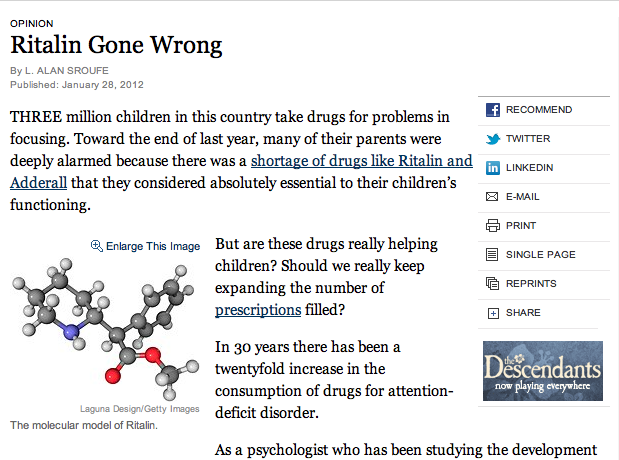
I’m postponing the scheduled conclusion of our series on diagnosis until Tuesday to address the commentary from L. Alan Sroufe in today’s New York Times, Ritalin Gone Wrong.

Because the folks in the media who produce the vast majority of news content consumed in the U.S. will have read this piece over breakfast this morning, the claims raised in this article will be widely circulated. Some of Dr. Sroufe’s statements I agree with. But many of his assertions are misleading or inaccurate. Here’s what he got right…

We don’t have long-term controlled studies demonstrating continued effectiveness of stimulant medication for ADHD over many years. This is true. But the absence of long-term studies demonstrating that short-term benefits of ADHD medication are maintained doesn’t mean that long-term benefits don’t exist for many patients. The methodology involved in conducting such studies is extremely challenging and extremely expensive. You can’t keep kids in a randomized study for years on end because families want to be able to choose alternative treatments if their child isn’t making as much progress as is desired. Parents divorce, families move, kids are lost to follow-up.

Problems with attention, self-regulation and behavior can be caused by factors present prior to, during and after birth. In my mind, there’s no doubt that trauma, chaotic stress and early experience contribute to the development of symptoms that can be characterized as ADHD. I worked for a number of years in a large, inner-city children’s mental health clinic. I can personally attest that kids exposed to trauma in homes I referred to as “psychosocial train wrecks” experienced a quantitatively and qualitatively different response to ADHD medication than kids from my suburban private practice.

There will never be a single solution for all kids with learning or behavioral problems. More complex solutions than medication are necessary for most kids we see. Kids need loving parents who provide consistent discipline and safe, supportive living environments. They need schools flexible enough to address their unique learning styles and needs. They need positive role models and relationships outside their extended families. Unfortunately, doctors can’t fix all of that and are left to address what we can.

Here’s where I’d question Dr. Sroufe’s statements…

The drugs can also have serious side effects, including stunting growth.” Here’s what the American Academy of Pediatrics had to say about this topic in their Clinical Practice Guidelines for ADHD (updated this past October):

The results of the Multimodal Therapy of ADHD (MTA) study revealed a more persistent effect of stimulants on decreasing growth velocity than have most previous studies, particularly when children were on higher and more consistently administered doses. The effects diminished by the third year of treatment, but no compensatory rebound effects were found. However, diminished growth was in the range of 1 to 2 cm. (0.4-0.8 inches)

Unless your kid is entering the NBA draft, I’m hard-pressed to see how a difference in their ultimate stature of a half-inch can be construed as a “serious” side effect. We don’t have to do blood tests for kids on ADHD medication, nor do we have to check EKG tests. The first randomized study of stimulant medication for what we now know refer to as ADHD was published 75 years ago. Given that 9.5% of the school-age population in the U.S. has received at least one prescription for ADHD medication (predominantly stimulants) and millions have taken medication for years, it’s rather hard to believe there are serious side effects that we wouldn’t yet be aware of.

The effects of stimulants on children with attention problems fade after prolonged use.” There’s simply no evidence to support Dr. Sroufe’s claim.

The study that Dr. Sroufe references throughout his opinion piece is the MTA study. Here’s a summary of the study design and results of the MTA from the National Institute of Mental Health (funders of the study) and a link to the paper examining eight year follow-up data of kids enrolled in the study.

His conclusions are based upon a long-term study in which relatively few kids remained on medication throughout the study. From the MTA:

Across time, 17.2% (70/406) of the children were medicated at every assessment beginning with 14-month reports, 20.4% (83/406) were not medicated at any of these assessments, and 62.3% (253/406) were medicated at least once but not every time. Of the total pool of children medicated at 14 months (n = 257), 61.5% (158) had stopped medication some time after 14 months and were not medicated at the 8-year follow-up.

The challenge we see as clinicians over time is that kids often stop taking their medication during the tween or early teen years because of the continued effects of the drugs. From the MTA study:

At 8 years, only 32.5% (132/406 with complete medication data) were medicated over 50% of days in the past year (versus 63.3% or 257/406 at 14 months). Treatment was still predominantly with stimulants (83%) or stimulants plus nonstimulant treatment (8%) with few reporting nonstimulant treatments alone (9%);

In a five-year follow-up study of kids prescribed stimulants at Toronto’s Hospital for Sick Children, only 36% of kids continued to take medication by the end of the study period. The conclusion of the authors:

Psychostimulants improve ADHD symptoms for up to 5 years, but adverse effects persist.

They apparently develop a tolerance to the drug, and thus its efficacy “disappears.” There is no evidence that large numbers of kids develop tolerance to the effects of stimulants. I’ve seen a few older kids who had been misusing stimulants by dosing their medication in such a manner as to achieve around the clock effects develop tolerance to the beneficial effects. It’s also possible that some individuals on long-acting stimulants may develop some transient reduction in benefit from accumulating the drug in their system. Most patients who notice such an effect also notice the return of a robust response to medication if they don’t take their medication for a day or two.

Dose increases over time in kids who continued on medication certainly weren’t striking in the MTA study, considering that the average age of participants when the study began was 8.5, and 16.8 at the end:

Average total daily dose of those taking stimulants at both assessments was 43.36 mg (SD 24.33) at 8 years and 30.68 mg (SD 13.94) at 14 months. Thus, stimulant medication at 8 years more often reflected continued treatment, with increased dosage, rather than newly initiated medication.

Kids occasionally need increases in medication dose as they get older, but in my experience, the changes occur because of increases in demands for academic productivity in middle school and high school and not from any loss of effectiveness of medication.

“But in 2009, findings were published from a well-controlled study that had been going on for more than a decade, and the results were very clear.” The results of the eight year follow up from the MTA study were anything but clear. Here’s what we know, in the words of the study authors:

“After 14 months, the MTA became an uncontrolled naturalistic follow-up study, and inferences about potential advantages that might have occurred with continued long-term study-provided treatment are speculation.”

You can’t compare the results of the MTA to short-term, randomized, controlled studies of stimulants because the MTA wasn’t a randomized study with kids receiving comparable treatments under comparable conditions. In fact, by definition, the kids in the MTA study all received “routine community care,” the least effective treatment in the randomized phase of the study.

“These findings provide evidence that the differential effects of the ADHD treatments, evident when the interventions were delivered, attenuated when the intensity of treatment was relaxed.”

The study demonstrates that kids didn’t do as well when the frequency and intensity of their treatment decreased, regardless of whether the treatment was medication alone, intensive behavioral treatment alone, or a combination of both.

“Our results suggest that the initial clinical presentation in childhood, including severity of ADHD symptoms, conduct problems, intellect, and social advantage, and strength of ADHD symptom response to any treatment, are better predictors of later adolescent functioning than the type of treatment received in childhood for 14 months.”

The smarter you are, the more stable your family is, and the less severe your symptoms of ADHD are when initially diagnosed predict how well you might do in the long run as opposed to your medication status.

“Taken together, these 8-year findings point to a crucial need for development of treatments that are efficacious, accessible, and lasting for high school—aged youths with ADHD and their parents.”

The problem with many of the short-term stimulant studies is that they don’t take into account other concomitant conditions frequently experienced by kids with ADHD. Stimulants may exacerbate obsessive thinking, compulsive behavior and social anxiety. Many kids develop patterns of interaction around their verbal impulsivity and don’t like the feeling of being less impulsive. I hear comments daily from kids with ADHD who stopped taking medication because “I didn’t feel like myself” or “My friends said I was too serious.” Many kids stop taking medication because of negative effects on appetite and sleep.

“Children with combined-type ADHD, despite having received 14 months of intensive state-of-the-art behavior therapy or medication management, are functioning less well than their non-ADHD age-mates across most indices of functioning.”

Kids with ADHD continue to struggle relative to their peers without ADHD over time. They need lots of ongoing help and support. They need access to cognitive therapy and behavioral therapy from competent and effective clinicians. They need schools with the flexibility to provide accommodations to help all kids maximize their potential. They need stable environments and supportive families. Kids with ADHD don’t need stories in the news media unnecessarily fueling the fears of parents about the safety or effectiveness of medication they give to their kids struggling with a significant disability. You can’t use a study that wasn’t designed to demonstrate the long-term effectiveness of stimulant medication to claim that such medication is ineffective.

Click here for the Key Ministry resource page on ADHD and Spiritual Development.

Disclosures: I’ve done no promotional speaking for pharmaceutical companies in the last five years. 100% of honoraria for industry consulting in 2008 and 2009 were contributed to Key Ministry (no industry consulting since 2010). All research funding since 2007 has been from the National Institute of Mental Health through our practice’s participation in the CAPTN (Child and Adolescent Psychiatry Trials Network) Network, in partnership with Duke University. 

***********************************************************************************************************

Key CatalogOur Key Ministry team is very much in need of your support if we are to continue to provide free training, consultation and resources to churches. Please consider either an online donation or a sponsorship from the Key Catalog. You can sponsor anything from an on-site consultation at a local church, the addition of a new site for church-based respite care, to a “JAM Session” to help multiple churches launch special needs ministries in your metropolitan area. Click the icon on the right to explore the Key Catalog!

Posted in ADHD, Controversies | Tagged , , , , , , , , | Leave a comment

What Christians (and the church) can learn from Planned Parenthood

As 2012 comes to a close, we’re taking a look back at our ten most popular blog posts from 2012. Here’s #7…

It’s been a rough week at the Grcevich house. My wife volunteers around 30 hours/week  as the Board President of the Susan G. Komen Regional Affiliate in Northeast Ohio. The local Komen organizations do the lion’s share of fund raising for the local breast cancer screening and prevention services the charity offers to poor women without the money or insurance coverage to access help. The regional affiliates had little to do with the decisions that were made this past week by Komen’s national leadership in response to the firestorm of protest from Planned Parenthood supporters after word leaked that Komen planned not to renew grants to centers unable to provide mammograms or organizations under investigation by the U.S. Government. Volunteers with the Komen regional organizations would be very appreciative of your prayers and encouragement. This week wasn’t exactly a 30 hour volunteer week for my wife.

Observing Komen’s ordeal this past week, I will admit a strange admiration for the passion and ruthless effectiveness Planned Parenthood and its’ supporters demonstrated in their crusade to destroy an organization they viewed as a threat to their mission. I’d compare it to same admiration I’ve developed for the Pittsburgh Steelers as they’ve consistently beaten up our local football team and taken their lunch money on a regular basis for most of my adult lifetime. Just to clarify…I’m not a supporter of either the Steelers or Planned Parenthood. I become intensely frustrated watching both organizations in action. Here’s my source of frustration…

Why can’t Christians be as bold and confident in advancing our cause as the Planned Parenthood folks and other “progressive” organizations are in advancing theirs?

What can we learn from having watched Planned Parenthood in action?

They were fearless. Did anyone else notice how Planned Parenthood supporters demonstrated no hesitation in posting personal comments on Facebook and in other social media promoting their cause, while many Christian friends back down from championing causes they believe in when they fear others might be critical?

They worked together. Their organization unleashed their supporters in social media at the same time as their friends in the media launched a blizzard of news stories supporting their position and 26 senators backing their cause contacted the national Komen Board.

They played to win. The folks from Planned Parenthood weren’t going to stop until they accomplished their goal. They certainly intended to go after Komen’s corporate sponsors, enlisted the support of local politicians to hinder Komen’s regional fundraising by denying public permits for large events such as the Race for the Cure, and undoubtedly would have launched noisy and dramatic protests at Komen events to attract media attention.

So…Why can’t Christians do that?…albeit with considerably more grace?

I’ve been reading through the Book of Acts this month. Where in the world did Christians get the idea from that we should be meek or timid in standing up for what we believe in?

Look at the main characters in Acts…Peter, John, Stephen, Cornelius, Barnabus, Paul. All of them were absolutely fearless in proclaiming Jesus at the risk of their lives.

There was one passage in particular that’s stuck with me during the week:

They preached the gospel in that city and won a large number of disciples. Then they returned to Lystra, Iconium and Antioch, strengthening the disciples and encouraging them to remain true to the faith. “We must go through many hardships to enter the kingdom of God,” they said.

Acts 14:21-22 (NIV)

I’d glossed over that passage before, but never really thought about what happened to Paul and Barnabus on their first loop through those cities. Here’s a reminder…

But the Jewish leaders incited the God-fearing women of high standing and the leading men of the city (Antioch). They stirred up persecution against Paul and Barnabas, and expelled them from their region. So they shook the dust off their feet as a warning to them and went to Iconium.

Acts 13:50-51 (NIV)

The people of the city (Iconium) were divided; some sided with the Jews, others with the apostles. There was a plot afoot among both Gentiles and Jews, together with their leaders, to mistreat them and stone them. But they found out about it and fled to the Lycaonian cities of Lystra and Derbe and to the surrounding country, where they continued to preach the gospel.

Acts 14:4-7 (NIV)

Then some Jews came from Antioch and Iconium and won the crowd over. They stoned Paul and dragged him outside the city (Lystra), thinking he was dead. But after the disciples had gathered around him, he got up and went back into the city. The next day he and Barnabas left for Derbe.

Acts 14:19-20 (NIV)

So Paul and Barnabus returned to Antioch after being persecuted, Iconium after fleeing when they discovered a plot to stone them, and Lystra after Paul was stoned and left for dead! And there are folks who are afraid to speak up for their faith or champion a cause consistent with Jesus’ commands to care for the most vulnerable in society because they’re concerned about offending others or being “defriended” on Facebook?

We’re called to always be prepared to give an answer for the reason we hope in Christ with gentleness and respect, but why are we so timid?

I’m sick and tired of timid, half-hearted efforts from our church leaders and fellow Christians that leave the world around us unchanged. I’m sick of folks wanting to “play it safe” and allowing the enemies of the Gospel to define who we are, as Komen’s leadership allowed themselves to be defined by the media and Planned Parenthood’s supporters. I’m sick of waiting for professional Christians to lead. Among the early leaders of the church, only Paul had formal religious training for his position. Jesus selected twelve guys with everyday jobs to establish the church that continues to this day. And I’m sick and tired of us not being able to work together to do the work of the Kingdom.

Key Ministry will play to win. The stakes are too high. And that’s what we can learn from Planned Parenthood this week.

***********************************************************************************************************

Key CatalogOur Key Ministry team is very much in need of your support if we are to continue to provide free training, consultation and resources to churches. Please consider either an online donation or a sponsorship from the Key Catalog. You can sponsor anything from an on-site consultation at a local church, the addition of a new site for church-based respite care, to a “JAM Session” to help multiple churches launch special needs ministries in your metropolitan area. Click the icon on the right to explore the Key Catalog!


Posted in Controversies, Leadership | Tagged , , , , , , | 2 Comments

Who Was Missing?

Christmas TreeChristmas is one of two days during the year when families who are “cultural Christians” are most likely to check out church. This is a good thing. After all, the church is in business to share the Gospel and the minor inconvenience of having to park a little further away than usual or to find someone sitting in our customary seats is well worth it.

After you get home from church, I want to challenge you to ponder something beyond which family won the fashion show. (Don’t ask me how I know about that one…let he who is without sin cast the first stone.) Consider this…Who wasn’t there? Do you have friends and neighbors who couldn’t come to church because their kids have emotional, behavioral or developmental issues that make church attendance and participation nearly impossible? My guess is that you can quickly think of several families who couldn’t come to hear about the Good News of Jesus’ birth.

Jesus came for everyone. That’s why the work we do at Key Ministry is so important. We think it’s completely unacceptable that there are families who can’t regularly come to church to learn about Jesus, grow in faith and put that faith into practice by sharing His love with other people in practical ways.

That’s why we do what we do at Key Ministry.

He is Born! Merry Christmas from our entire team at Key Ministry.

***********************************************************************************************************

Key CatalogLooking for a last minute Christmas gift for the person who has everything…including a relationship with Jesus? Consider something from the Key Catalog! You can sponsor anything from an on-site consultation at a local church, the addition of a new site for church-based respite care to a “JAM Session” to help multiple churches launch special needs ministries in your metropolitan area. Click the icon on the right to explore the Key Catalog!


Posted in Hidden Disabilities, Inclusion, Key Ministry | Leave a comment

How Dads are Impacted When Kids Have Disabilities

We’re continuing our look back at the ten most popular posts of 2012…Here’s #8.

Last year, an interesting study was presented at the International Society For Autism Research suggesting that over 30% of fathers of teens and young adults with autism experience symptoms of depression significant enough to warrant clinical attention. That’s a striking finding. For comparison, the National Institute of Mental Health reports that 7% of American men will experience depression in a given year. Examination of contributing factors to the higher rates of depression seen among men with teen or young adult children with autism may help us better appreciate what it’s like to walk in the shoes of a father of a child with a significant disability.

Based upon the experiences shared by fathers of kids treated in our practice, here are four thoughts as to why they may be more vulnerable to depression…

The impact having a child with a disability has upon one’s career. Fathers of kids with disabilities face a conundrum. Their presence at home may be even more important than it would be if their children were “typical,” given the impact that a child with a disability has upon everyone in the family. At the same time, the need to make enough money to pay for necessary treatments that are partially covered or not covered at all by health insurance is often present. They may have to work longer hours to pay for their child’s medical care. They may not be able to risk changing jobs if the new job provides less comprehensive insurance coverage. They may not be able to accept a promotion involving relocation when a move would result in the loss of access to needed educational and treatment services for their child.

The end result for a father of having a child with a disability may be unfulfilled career ambitions along with ongoing pressures to provide adequate financial support over and above what would otherwise be necessary to pay for costly treatments.

The challenge of providing for your family after your work life has ended. In our culture, the construct that we as men accept the responsibility of providing for our families is so much a part of our identity that when we’re unable to do so, the experience can be psychologically devastating. As the father of 15 and 12 year old girls who are “typical,” the challenge of figuring out how I’m going to pay for their education is pretty overwhelming. But I can assume that each of them will grow up to be independent and self-supporting. What if your child is going to require lifelong care and support? What plans do you have to make in the event you or your wife are incapacitated? How will your child be cared for when you’re gone?

Your relationship with your wife may be different than you envisioned. It’s easy for women to invest so much of their time and emotion and energy in caring for and advocating for the needs of their child with a disability that they may not have much left to share with their husbands by the end of the day. You may have very little opportunity to spend quality time with your wife, because of the lack of available child care or the lack of funds for a night out together…hence the need for free respite. You may not get to spend the romantic weekends together that your neighbors and coworkers enjoy. There’s a very good possibility that your sexual relationship with your spouse is going to suffer. There’s also a good possibility that you and your spouse will be more isolated socially that you would be if you didn’t have a child with a disability. Where we live, parents tend to associate with other parents who share a common interest through the activities their kids are engaged in…sports, school, church, scouts, other extracurricular activities. Fathers of kids with disabilities are more likely to lack the networks of supportive relationships that other men enjoy.

You may silently grieve ambitions for your child that be unfulfilled and experiences with your child that you won’t get to share. In my mind, this may be the greatest risk factor contributing to depression for fathers of kids with disabilities and the factor least likely to be recognized and discussed. All of us envision the relationships we hope to have with our kids and the shared experiences we hope to enjoy together. If you have a child with a condition such as autism in which their capacity for social interaction is by definition impacted, that’s a huge loss. Fathers of kids with disabilities may miss out on the experience of walking out on the field with their son or daughter on Senior Night for their sports team, teaching them how to drive, having their child treat them to a round of golf, or having the opportunity to play with their grandkids.

Several years ago, a very successful businessman sat in my office and sobbed when the reality set in that his son wouldn’t enjoy the types of friendships he had enjoyed growing up as a consequence of Asperger’s Disorder. The father was regularly paying for classmates to accompany their son on lavish ski vacations in Colorado or trips to beach resorts for diving and surfing lessons in the hopes that friendships would develop that never developed. Some parents live vicariously through their kids, but we all want our children to experience the things we treasure the most. When they can’t, that hurts.

I wrote this post last year sharing some thoughts on how churches might be able to help. Please check it out. And if you’re able, get off your computer and go spend some time hanging out with your dad today.

The picture on today’s blog was taken on October 3, 1993, when my dad and I had the opportunity to attend the last Tribe game at the old Cleveland Stadium.

***********************************************************************************************************

Key CatalogLooking for a last minute Christmas gift for the person who has everything…including a relationship with Jesus? Consider something from the Key Catalog! You can sponsor anything from an on-site consultation at a local church, the addition of a new site for church-based respite care to a “JAM Session” to help multiple churches launch special needs ministries in your metropolitan area. Click the icon on the right to explore the Key Catalog!

Posted in Autism, Families, Key Ministry, Parents | Tagged , , , , , , , , , | Leave a comment