
Available at Amazon, Barnes and Noble, Christian Book and fine booksellers everywhere
Thanks to Ministry-To-Children!

“The most complete special needs ministry resource I’ve ever come across.”
Honored to be in Sharecare Now’s Top Ten online influencers in children’s mental health!

Author Archives: Dr. G

Should you allow someone like Josh Duggar to serve in your children’s ministry?
Am I doing everything I can to protect the children and youth entrusted to my care each week? As a leader in the church and an ambassador for Christ, I need to be able to answer yes to that question, even if I have to answer no to someone who wants to serve with us.
Continue reading
When we talk about the Duggars, who is listening?
If a mom, dad, or teen in your church feels like their family is falling apart because of a dark secret, will your words on this topic invite them to trust you or to stay silent? Will what you say or post on social media tell them you will love them in the midst of their messiness? Continue reading
Posted in Controversies, Key Ministry, Leadership
Tagged church, dark secrets, Disability Ministry, Duggar family, families, families in crisis, Josh Duggar, offenders, sexual abuse, Shannon Dingle, trauma, victims
3 Comments
“I Can’t Do This!”: Facing Your Limitations as a Special-Needs Parent
As you face difficult situations in parenting your child with social, emotional or behavioral challenges or disabilities, remember that none of this is a surprise to God and that He has a plan and purpose for you and your child as you struggle. Continue reading
Posted in Families, Parents, Resources
Tagged Autism, Disability Ministry, Karen Crum, parenting, Persevering Parent, special needs, Special Needs Ministry
3 Comments
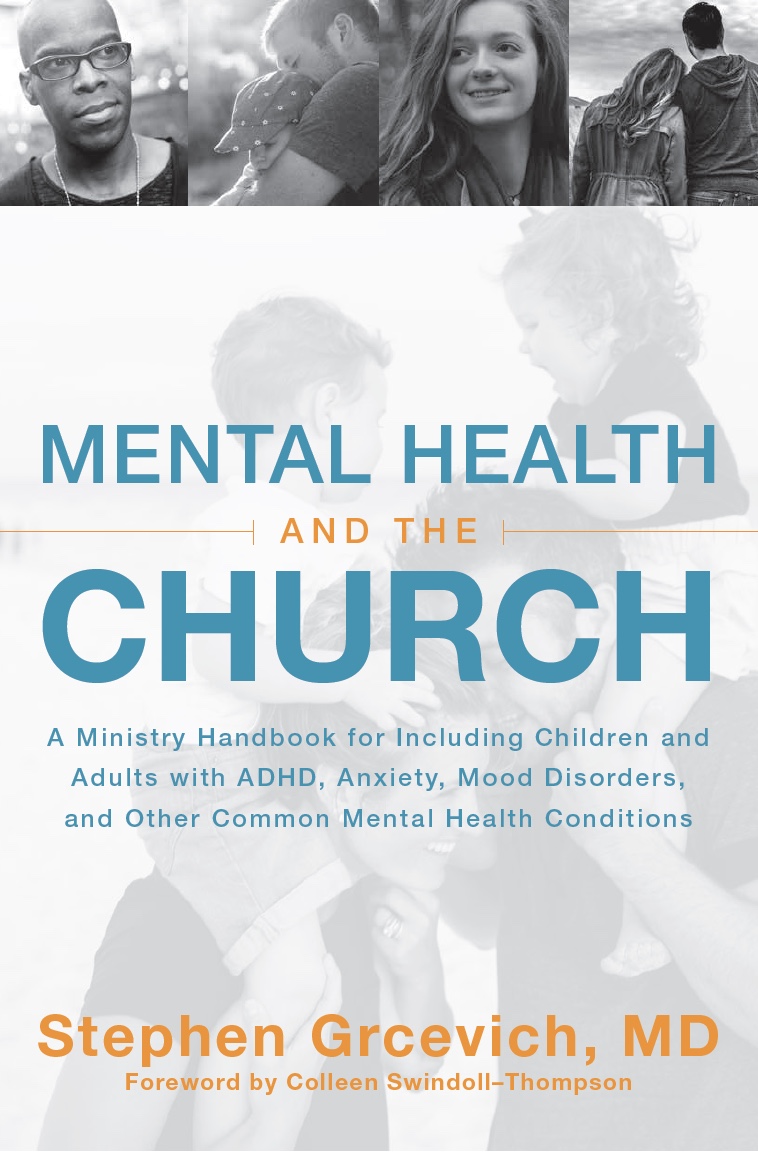
Mental health inclusion…creating more welcoming ministry environments
Every church can make a conscious effort to make their ministry environments more friendly to kids and teens with common mental health conditions and their families. Continue reading
What we know about kids who do what Josh Duggar did
It might be helpful to look at the available research into kids and teens who commit sexual offenses to better understand the background of kids who perpetrate these offenses and the impact that treatment may have on reducing their risk of harming others in the future. Continue reading
Posted in Advocacy, Controversies, PTSD
Tagged ADHD, adolescents, CBT, children, clergy, Josh Duggar, mental health, mood disorders, MST, pornography, PTSD, recidivism, reporting, research, sexual offenders, teens, trauma, treatment
20 Comments
Jolene Philo…A series of very fortunate events
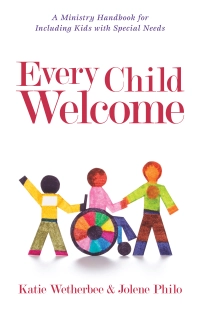
We wrote Every Child Welcome because this command is not limited to children who will sit quietly at His feet and listen, who color between the lines, who raise their hands and wait to be called upon, and who work at grade level.
Continue reading
Every Child Welcome…the most complete special needs ministry resource I’ve ever come across
This is not a book that will be read once and stuck on a shelf…well-worn copies will be found on the desks and in the workspaces of those serving in children’s ministry, family ministry and special needs ministry because it is destined to become the “go-to” reference when leaders look for answers in seeking to minister with kids with disabilities and their families. Continue reading
Are antidepressants safe for kids?
Patients with depression were eleven times more likely to experience significant benefit from antidepressant medication than to experience medication-related suicidal thinking or behavior, patients with OCD were thirty-four times more likely to experience benefit and patients with non-OCD anxiety were thirty-six times more likely to experience benefit. Continue reading
 Church4EveryChild