What does the Bible say about abortion and disability?

shutterstock_262562096This is the fourth post from Shannon Dingle in a series on abortion and disability. If you’ve missed them, here are the links for our previous posts introducing the series, discussing statistics about abortions of children with prenatal diagnoses of Down syndrome, and challenging us to think about whether or not we truly value life after all if we’re not including people with disabilities in the life of the church.

And now let’s take a step back to consider what the Bible has to say about abortion, particularly as it relates to disability.

Watching the news, I think we’re getting the wrong idea about life. Friends, don’t you agree?

Issue of life – including but not limited to abortion and the lives of those with disabilities – are not primarily social issues, though there is obviously a social component. They are not primarily political issues, though laws and debates and court rulings bring them into that realm. They are not primarily justice issues or women’s issues or children’s issues or health issues or even disability or disability studies issues. When we begin to consider how we ought to view all life – born or preborn, with disability or without – the issue is primarily about God. So He is where we must turn to determine a sound gospel perspective on life.

In Genesis 1 and 2, we see that God is the source of all life, after all. Who else has a better perspective or foundation on this topic? As much as we value life, our stance is not based in the creation – people – but rather the Creator – God.

Let’s start with a foundational passage, for both disability and pro-life advocacy: Psalm 139:13-14.

For you formed my inward parts;

you knitted me together in my mother’s womb.

I praise you, for I am fearfully and wonderfully made.

Wonderful are your works;

my soul knows it very well.

God creates life in the womb. And no passage in scripture indicates that for those with disabilities His metaphorical needles slipped while us together. Each life is precious, from the conception onward.

As I shared in my last post, the rest of scripture isn’t silent on this issue. In Exodus 21:22-25, God lays out strict punishment – stricter even than what most states legislate now – for the assault of a pregnant woman that results in injury or death to her unborn child. In Leviticus and throughout the books of the prophets, the practice of sacrificing infants and children to false gods is decried. Jeremiah was consecrated by God as a prophet before he was born (Jeremiah 1:5). Job declares that God fashions us in the womb (Job 10:9-12; 31:15). In Psalm 125:3-5, Matthew 18:5-6, and Mark 9:36-37, the blessing and importance of children is made clear.

And science demonstrates this design of God’s as well from the womb. I used to support students with mild disabilities in public high school biology classes as an inclusion teacher, and we taught that upon the moment of biological conception – when egg and sperm join – the zygote formed has unique qualities separate from the two parent cells that joined to create it. Without interference or trauma, most will continue to develop in the womb and be born about 38 weeks later. A zygote has unique DNA, is able to reproduce through cell division, is highly organized, responds to its environment, uses energy, and is able to adapt to a certain extent. In other words, the fetus meets the criteria for life, except that it requires the body of a mother to develop until it can survive apart from her.

So what about those with disabilities?

First, let’s consider Exodus 4, verse 11, which is God’s response to Moses’ speech limitations: “Then the Lord said to him, “Who has made man’s mouth? Who makes him mute, or deaf, or seeing, or blind? Is it not I, the Lord?”

And in John 9:3, after being asked by the disciples if a man who was blind had sinner or if his parents had – as they had assumed that his blindness was the result of sin – Jesus said that the blindness occurred that the works of God might be displayed in this man. His answer is not about the person in whom the blindness was seen but rather the end to which it would lead.

God’s sovereignty – that is, His control of all things, even at times in which we cannot understand His reasons – is clear throughout scripture. So we must conclude that in every disability, whether genetically from the womb or circumstantially before, during or after birth or in an accident as an adult or infectiously through disease or as part of the earthly aging process or developing in some other way, God has a design and purpose for His glory and for the good of His people who love Him and are called according to His purpose. We find that truth in Romans 8:28.

What does that look like, though, especially when life’s circumstances don’t feel good? Well, for three years after I was first diagnosed with rheumatoid arthritis, I lived in disabling pain daily. Now, though it is managed well, I live with some minor physical limitation due to bone damage during that time. Meanwhile, we’re still living in the daily hard places of other diagnoses in our family, including complex trauma and cerebral palsy and HIV and epilepsy. There’s plenty of good too, but when my son had his first seizure in months last Friday night, it didn’t feel good. We’ve seen some of God’s good purposes in suffering, and we’re trusting Him with the parts that still seem unredeemable for now.

What other passages can be instructive for us on disability and life? Next, let’s consider a passage that isn’t about abortion directly but is very much about life. (After all, being pro-life extends to far more than just pregnancies or else we’d call ourselves pro-fetus, right?) James 4:2 says, “You desire and do not have, so you murder.” For many who abort a child with non-fatal disabilities, a child was indeed desired. While some of these are pregnancies in which abortion might have been considered anyway, most of the ones we’re talking about are ones in which a child without disabilities was desired but was not conceived. So they murder. Christ died that we might live, and abortion murders that we might live as we wish.

(Notes: (1) I am speaking here of the abortions following non-fatal prenatal diagnoses, so please understand that my position is not meant to address the complex and hard decisions parents and doctors must make in those situations. And (2) The word murder seems a little harsh here, but I chose it with care. Yes, murder is a sin. So were my actions this morning when I yelled at my husband in anger. So please know that I am too mired in my own sins to judge anyone else for theirs. If you have made the difficult choice of abortion in your past, be assured that there is no condemnation here! Christ’s sacrifice is sufficient to cover the penalty for all our sins. I praise God for that!)

Finally, the last argument given for aborting a child with a disability is that it would made life too hard for that child and for the rest of the family. For a biblical response to that, I turn to the words of John Knight, who writes occasionally at The Works of God blog and who has a son with multiple, severe disabilities who will require lifelong care. Let me close this post with his words from Valentine’s Day a few years ago:

“God does not abandon us.  And not only are we not alone, but God has promised to supply every need (Philippians 4:19), that his plan is to benefit us (Jeremiah 29:11), Jesus himself will send a helper (John 14:16-17), God will comfort us (Psalm 71:20-21), and he has given us other people to encourage us (1 Thessalonians 5:11).” You see, God knows, and God sustains and supplies and provides, even when life is hard.”

I’m not saying it’s easy. It’s not much of the time. But as we examine all the passages relating to disability and life, one message stands out: we can do hard things because of great Love. Amen.

shutterstock_245480335

In addition to serving as a Key Ministry Church Consultant, Shannon Dingle is a co-founder of the Access Ministry at Providence Baptist Church in Raleigh, NC.

***********************************************************************************************************

Evangelicals for LifeInterested in conferences and events where members of the Key Ministry team are presenting? Our website provides an up-to-date list of training events, including Shannon’s scheduled appearance at Evangelicals for Life in Washington, D.C., preceding the 2016 March for Life. We hope to see you in coming months at events in Tennessee, North Carolina, Kentucky and Washington, DC. Interested in having someone from Key Ministry present at your next conference? Send us some information through our Contact Us link and expect to hear from us soon!
Posted in Controversies, Key Ministry | Tagged , , , , , , , , , , | 3 Comments

Why and How Childhood PTSD Is Often Misdiagnosed

shutterstock_299372693Thanks for stopping by to check out the eighth installment in Jolene Philo’s weekly series about childhood PTSD. Today, we’ll investigate why PTSD in children is frequently misdiagnosed. We’ll also talk about some of the most common misdiagnoses for PTSD in children, also known as childhood developmental trauma.

Have you ever taken your child to the doctor with a handful of vague elusive symptoms? Perhaps a stomach ache, a head ache, an on-and-off sore throat, or a rash that comes and goes. Making the right diagnosis depends on several different factors: your child’s ability to describe how he feels, whether or not the symptoms are presenting during the appointment, your own powers of observation and your ability to convey them to the doctor, the doctor’s skill level, the existence of an accurate lab test to confirm or eliminate a possible diagnosis.

Why Childhood PTSD Is Misdiagnosed

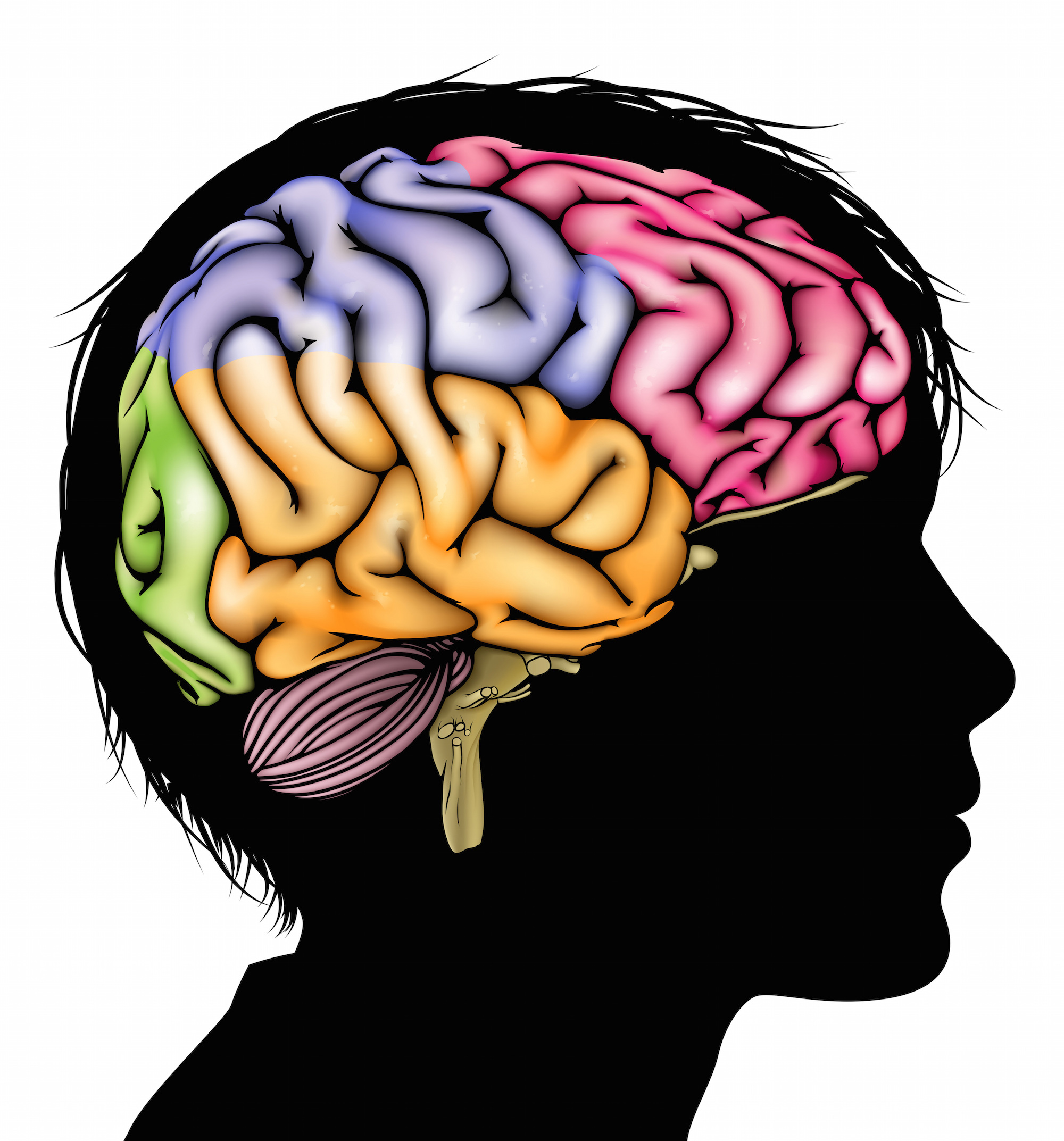
Child's brain PTSD shutterstock_253443796Many of the challenges a doctor faces in making an accurate diagnosis are similar to those faced when diagnosing mental illness. But because mental illness is harder to see than a rash, a broken bone, or a petri dish culture, the difficulties surrounding diagnosis may be magnified. With that in mind, here are some reasons childhood PTSD is often misdiagnosed.

Age of the child. Children traumatized between birth and age 3 don’t have words to describe what happened to them. Young children over 3 may not have enough expressive language to accurately relay events. They may not have the counting or sequencing skills to report how many times or in what order abuse occurred. These limitations also apply to older children with developmental delays.

Regression. Many children regress after a traumatic event. If the language skills of a child who had the vocabulary and ability to describe experiences before a traumatic event regresses, the child may not be able to do so afterward.

Memory problems. Children often push down or block traumatic memories when they try to resurface. Or they numb their emotional response to the memory and don’t act distressed on the outside.

Avoidance. Many children want to avoid bringing back frightening memories. So when a psychologist or mental health counselor asks questions about what happened, children give only brief, surface answers.

Inaccurate reporting. Parents and caregivers are unlikely to tell the truth about a child’s trauma if they caused it. Birth parents downplay their use of tobacco, alcohol, or drugs when talking to adoption agencies. Some parents lie to keep the child in the home and avoid prosecution. Neglect and abuse is underreported by orphanage staff to improve a child’s chances for adoption. Sometimes adoptive and foster parents are unaware of traumatizing events the child experienced in the past.

Confusing symptoms and/or multiple mental health disorders. Many trauma symptoms are similar to the symptoms of other childhood mental illnesses. Also, diagnosis is more difficult for children living with more than one mental illness. Sorting out which symptoms are trauma-related and which ones aren’t can be a challenge.

How Childhood PTSD Is Misdiagnosed

Now that we know why childhood PTSD is misdiagnosed, let’s look at how it is misdiagnosed. As you read through this list, keep in mind that childhood trauma is a clever impostor, able to mimic other childhood illnesses with similar symptoms.

Attention-deficit/hyperactivity disorder (ADHD). This misdiagnosis is made because of the way children respond to intrusive memories of trauma. Their internal reliving of the memory results in a lack of concentration that resembles ADHD. Or the memory makes them move onto something new in an attempt to avoid it. Also, a traumatized child on high alert may appear jumpy in the day and have sleep difficulties at night: two more symptoms of ADHD.

Bipolar disorder. Bipolar disorder—renamed in the DSM-5 as disruptive mood dysregulation disorder—is another common misdiagnosis. Think of the bits of a child or adult where unresolved traumas are trapped, as “parts.” When one of the traumatized parts is triggered by an event in the present, it responds as it did during the original trauma. These responses are often highly emotional and immature responses, so they look like the mood swings used to diagnose mood disorders.

Oppositional defiant disorder (ODD). One symptom of ODD is anger and irritability. Traumatized kids often respond to frightening situations or memory triggers with angry outbursts and irritability.

Panic disorders. When past traumatic memories are triggered, elementary-aged children and teens may exhibit behaviors that mimic panic attacks, and their PTSD may be misdiagnosed as a panic disorder.

Anxiety disorders. Both highly anxious kids and traumatized kids use avoidance and social withdrawal to cope. This explains how PTSD is sometimes misdiagnosed as an anxiety disorder.

Depression. As was mentioned before, children often use numbing to cope with traumatic memories. As a result, they often show little emotion and exhibit behaviors associated with depression: sleep disturbances, self-harming behaviors, and avoidance.

Phobias. A child’s irrational fears may look like a phobia. But for a traumatized child, the behavior is an avoidance response to something related to the original trauma.

Reactive attachment disorder (RAD). Children whose basic needs for food, safety, physical touch, and emotional bonding were severely neglected as infants and toddlers are often diagnosed with RAD because they never learned to form loving relationships or “attach.” Many mental health practitioners now believe that RAD is a form of childhood PTSD.

Tips for Obtaining an Accurate Diagnosis

Because childhood PTSD is such a copy cat, obtaining an accurate diagnosis can be difficult. Here are a few tips from parents who persevered until their children were correctly diagnosed.

  • Look for practitioners willing to spend significant time with the child before making a diagnosis.
  • Educate yourself.
  • If a child shows no improvement six months after a diagnosis is made, seek a new diagnosis.
  • Keep looking for a diagnosis that makes sense in light of your child’s behaviors.

Once an accurate diagnosis is made, you will be able to consider and select the best treatment option for your child. The next post in this series will review some of the PTSD therapies available for kids.

***********************************************************************************************************

JoleneGreenSweater.jpgDoes My Child Have PTSD? is designed for readers looking for answers about the puzzling, disturbing behaviors of childen in their care. With years of research and personal expererience, Jolene Philo provides critical information to help people understand causes, symptoms, prevention, and effective diagnosis, treatment, and care for any child struggling with PTSD. Available for pre-order at Amazon.

Posted in Controversies, PTSD | Tagged , , , , , , , , , , , , , , , | 4 Comments

If we value life, we don’t get to choose which lives we value

shutterstock_202499932People on all sides of the abortion issue are talking about the Planned Parenthood videos. With the Pope’s US visit, the pro-life stance of the Catholic church has been discussed widely. During one such discussion on The View on September 22, Whoopi Goldberg argued that “there’s nothing in the Book that says anything about abortion.

My first inclination is to say that she and I must not be reading the same Bible. I do understand her technical point, though: you won’t find the word “abortion” in the Bible. However, the Book is rich with the value of life, from the first two chapters of Genesis when God creates life as we know it. In Psalm 139, we read that God formed us in a beautiful way and recorded our days before we were conceived. In Exodus 21:22-25, God lays out strict punishment – stricter even than what most states legislate now – for the assault of a pregnant woman that results in injury or death to her unborn child. In Leviticus and throughout the books of the prophets, the practice of sacrificing infants and children to false gods is decried. Jeremiah was consecrated by God as a prophet before he was born (Jeremiah 1:5). Job declares that God fashions us in the womb (Job 10:9-12; 31:15). In Psalm 125:3-5, Matthew 18:5-6, and Mark 9:36-37, the blessing and importance of children is made clear.

When I supported students with disabilities in high school biology as a special educator, I also learned that – upon the moment of biological conception, when egg and sperm join – the zygote formed has unique qualities separate from the two sex cells that joined to create it. Without interference or trauma, it will continue to develop in the womb and be born about 38 weeks later. A zygote has unique DNA, is able to reproduce through cell division, is highly organized, responds to its environment, uses energy, and is able to adapt to a certain extent.

Based on all that, I am unashamedly and unapologetically pro-life.

However, I also am saddened by the treatment of those considering abortion or those who have had one or more abortions by those who claim faith. Often, that faith perspective only offers judgment and proclamation of sin with little to no grace or mercy. If you are reading this and expecting that sort of response, please know that you won’t find it here. Is ending a life good? No. Was Christ’s death and resurrection insufficient to forgive sins, though? No. I am too covered in my own sin and too grateful for His forgiveness of mine to look down on you. And I am too focused on Christ to want to do anything other than point you to Him.

Because I am pro-life and because I love people with special needs, I have sobbed over the research in my last post about abortion and disability. Fetuses that appear to be typically developing live while some with prenatal diagnoses don’t.

In the statement of vision and purpose for our church’s special needs ministry, we intentionally chose language supporting all life. One of the aims listed in it is “esteeming the value of each person, preborn or born, as a vital part of the body, as defined in 1 Corinthians 12. With regard to people with disabilities, this includes welcoming them with respect and love, sharing the good news of Christ with them, serving alongside them as they use their giftedness, and otherwise including them as a contributor in God’s church. It also includes supporting them and their families after prenatal or postnatal diagnosis.”

The preborn part matters. It matters because how you act toward people with disabilities at your church now could influence the choices made by would-be parents in your pews. It would be naïve to think that all those babies with Down syndrome who were aborted were pregnancies to non-Christians. It would be statistically improbable for each of them to have been pregnancies to women who were pro-choice. No, some must have been to Christians. Some who chose abortion are church attendees or members. Some had to have been pro-life until that circumstance presented a difficult choice.

Could it be that, for some of those individuals, the choice was made more difficult because they saw no children like theirs represented in their faith communities? Could it be that their pew or row at church never included someone who didn’t look or act or think or behave just like they did? Could it make a difference if those of us who are called ambassadors of Christ in 2 Corinthians 5:20 acted like it? Could it help families choose life for their child if they knew that the church loved their family, including their unborn child, and was willing to put that love into action?

I’m just speculating here, so I don’t know the answers to those questions. But I would love to find out.

Wouldn’t you?

In addition to serving as a Key Ministry Church Consultant, Shannon Dingle is a co-founder of the Access Ministry at Providence Baptist Church in Raleigh, NC.

***********************************************************************************************************

Kids Ministry ConferenceInterested in conferences and events where members of the Key Ministry team are presenting? Our website provides an up-to-date list of training events. We hope to see you in coming months at events in Tennessee, North Carolina, Kentucky and Washington, DC. Interested in having someone from Key Ministry present at your next conference? Send us some information through our Contact Us link and expect to hear from us soon!
Posted in Controversies, Key Ministry | Tagged , , , , , , , , , | 3 Comments

Want an inclusion model for families of kids with mental illness? Come to Louisville!

Louisville background

For the last two years, our Key Ministry team has been hard at work developing a comprehensive model for a mental health ministry to welcome and include kids with mental illness and their families into the full scope of activities offered through the local church. The model is beginning to take shape and we’re now at the point that we’re ready to test-drive and to share with some friends.

I’d be delighted if you could join me and several excellent speakers in Louisville, KY on Saturday, November 7 as the Kentucky United Methodist Church Conference on Children’s and Family Ministry sponsors An Inclusive Children’s Ministry, a free, one day conference for children’s leaders and parents to learn how to make ministry to children inclusive of all children.

I’m honored to be invited to present the keynote presentation for the conference, Hostile Territory: Helping Families Impacted by Mental Illness Overcome Barriers to Attending Church. In that presentation, I’ll identify seven barriers families often encounter to attending church when kids experience emotional or behavioral challenges and share practical ideas for pastors, church staff and volunteers looking to help families overcome the barriers. In addition, I’ll be doing a breakout session on Helping Kids With the “3A’s” – ADHD, Anxiety and Asperger’s Disorder to Thrive at Church. In that session, we’ll take a more in-depth look at the challenges families of kids with those three conditions face in engaging at church and promoting spiritual growth.

In addition to my sessions, other presenters will address:

  • Ministering to Children of Death and Divorce
  • Children’s Ministries for Foster/Adoptive Families
  • Creating a Triangle of Care: Family, Church & School

Other speakers will include Rev. Leanne Hadley, United Methodist Elder and founder of First Steps Spirituality Center in Colorado Springs, CO, Nancy Newby, United Methodist Deacon and Specialist in Adoption and  Sherri Stover, LCSW from Square One Specialists in Louisville.

The conference is free, but registration is required. Click here to sign up for this one-day ministry event at Christ Church in Louisville, KY on Saturday, November 7!

***********************************************************************************************************

IMG_0812Interested in attending conferences and events at which members of the Key Ministry team will be presenting? Our ministry website provides an up-to-date list of training events events to meet and learn from our crew. We look forward to seeing you during the coming months at events in Tennessee, North Carolina, Kentucky and Washington, DC. Would you like to explore having someone from Key Ministry present at your next conference? Send us some information through our Contact Us link and expect someone to get back to you soon!

Posted in Adoption, Advocacy, Families, Key Ministry, Mental Health, Training Events | Tagged , , , , , , , , , , , , , , | Leave a comment

Childhood PTSD Symptoms in Tots, Teens, and In Between

shutterstock_263083007Thank you for stopping by to check out the seventh installment in Jolene Philo’s weekly series about childhood PTSD. In this post, we’ll be looking at symptoms of PTSD in children from infancy through age 18. As you read, keep in mind that these symptoms are commonly seen in children shortly after a traumatic event. For most children, symptoms gradually fade as the trauma is processed and laid to rest. Therefore, a diagnosis of childhood PTSD is not made unless symptoms continue at least 3 months after the original trauma.

As you would expect, symptoms of childhood PTSD change as children mature. Behavioral clues and symptoms in a 2-year-old will be different from those of an 8-year-old, and the 8-year-old’s symptoms may be markedly different from those of an 17-year-old. Therefore, most therapists and mental health experts list symptoms of childhood PTSD in 4 age groups: birth to 3, 3 to 6, 7 to 12, and 13 to 18.

3 Categories of Childhood PTSD Symptoms

Furthermore, the Diagnostic and Statistical Manual (DSM-5) which practitioners use to diagnose mental illness, organizes symptoms of PTSD in 3 categories: intrusive, arousal, and avoidant symptoms. Intrusive symptoms occur when something triggers an unwanted memory of a traumatic event. Arousal symptoms occur when something triggers the body to go into a state of high alert, also known as hyperarousal. Avoidant symptoms come after hyperarousal when the body responds naturally by trying to avoid a threat or pain. Now let’s look at how each category of symptoms is manifested by children within the 4 age groups mentioned earlier.

Symptoms of Childhood PTSD from Birth to 3

Many intrusive symptoms for children in this age group concern sleep patterns. Babies and toddlers may have a hard time falling asleep and experience nightmares once they fall asleep. They may respond violently to something that reminds them of the original trigger. For example, a 1-year-old who was bitten by a dog may become irrational at the sight of a dog Traumatized children in this age group often have a tendency to startle easily, a common arousal symptom. Other arousal symptoms could be excessive fussiness, temper tantrums, severe separation anxiety, and digestive problems. Avoidant symptoms may include withdrawing, avoiding people associated with the trauma, extreme sadness, or a lack of any demonstration of emotion.

Symptoms of Childhood PTSD from 4 to 6

Children in this age group continue to have sleep issues caused by memories that make kids too scared to fall asleep or intrude as nightmares. They may reenact their trauma repeatedly when playing. At school intrusive memories make it hard to pay attention. Children may experience flashbacks that look like daydreaming. Because they are so distracted at school, kids sometimes fall behind in their studies. Arousal symptoms in children on high alert may be displayed through acting out, uncontrollable temper, and aggressiveness. They have a lot of stomach aches and headaches, and they startle easily. Avoidant symptoms at this age are caused by fear. They’re afraid of being away from their parents or near anyone or anything associated with the original trauma. Therefore, they appear to be highly anxious and insecure.

Symptoms of Childhood PTSD from 7 to 12

Some of the intrusive symptoms for 7 to 12-year-olds are similar to those of the previous age group. Kids may have frequent sleep issues. Younger children in this group may may reenact the trauma in play. But as they get older, they may tell others about the event repeatedly. Lack of attentiveness because of intrusive memories may affect behavior or grades. They display arousal symptoms with a quick startle response and sometimes overly dramatic responses to bumps and bruises. They may be anxious about their own safety and the safety of family members. Avoidant symptoms can be complaints of aches and pains that are hard to substantiate but that allow kids to avoid situations they fear or emotional numbness.

Symptoms of Childhood PTSD from 13 to 18

As teens approach adulthood, their symptoms are less like those of children and more like those of adults. The intrusion of traumatic memories may cause sleep disturbances. They often want to talk about the traumatic event more than seems healthy and in great detail. Teens may have a hard time concentrating at school or work, so their performance may be poor. When in the state of hyperarousal, traumatized teens tend to be very impulsive. They spend money wildly, drive to fast, and engage in risky sexual behavior. They may also appear depressed or isolate themselves. Because teens have more freedom than younger children, they also have more access to drugs and alcohol to avoid their feelings and fears–or at least numb them for a while. Or they may develop eating disorders or self-harming behaviors. Some teens will deny any emotions about the original event, refuse to discuss it, or be unable to recognize their own emotions.

A Final Symptom Worth Noting

One other symptom is worthy of note. After a traumatic event, children often regress and demonstrate behaviors long since abandoned. Young children may refuse the sippy cup and demand a bottle or pacifier. Toddlers who are potty trained may begin wetting their pants. Young children may start sucking their thumbs again or may not fall asleep without the blankie or stuffed animal discarded weeks or months ago. Older children may revert to baby talk or climb on a parent’s lap to be rocked. Fears of monsters under the bed may resurface. Teens may suddenly switch on night lights, leave the bedroom lights on, or even want to bunk in the same room with parents or siblings. These behaviors are an attempt to return to the time before the trauma occurred when life was safe and secure.

Once again, remember that a diagnosis of childhood PTSD is not made unless symptoms continue more than 3 months after the traumatic event. If your child’s symptoms are still present after those 3 months, you should secure the services of a mental health professional who can help your child process and release the traumatic memories trapped inside.

***********************************************************************************************************

JoleneGreenSweater.jpgDoes My Child Have PTSD? is designed for readers looking for answers about the puzzling, disturbing behaviors of childen in their care. With years of research and personal expererience, Jolene Philo provides critical information to help people understand causes, symptoms, prevention, and effective diagnosis, treatment, and care for any child struggling with PTSD. Available at Amazon.

Posted in PTSD, Resources | Tagged , , , , , , , , , , | 2 Comments

What’s the data about special needs and abortion?

shutterstock_268726070Here at Key Ministry, we think facts matter. As we follow the one who declares himself to be the way, the truth, and the life, we hold ourselves to a standard of truth as well. When it comes to statistics, that means we refuse to regurgitate oft-quoted figures until we can find the source. Steve has already done that with special needs and divorce, and I’m setting out to do the same today with special needs and abortion.

The number we hear often is that 90% of babies with Down syndrome are aborted. But is that true? Not quite.

That figure comes from an article published in 1999[i] based on studies from the US and 11 other countries. The researchers, Mansfield et al, reviewed rates of pregnancy termination following prenatal diagnosis of Down syndrome and four other conditions. The findings? On average, 92% of babies with Down syndrome were aborted when the diagnosis was made early enough in pregnancy for that to be an option. The range was 71% from a small study in France published in 1990 to 100% in four separate studies in the UK (2 studies), France, and New Zealand in 1990, 1982, 1995, and 1992 respectively. The largest study was done in the UK in 1998 and included 4,824 diagnoses of Down syndrome; out of those, 4,438 – or 92% – ended in abortion. The research review included termination rates for four other conditions when diagnosed prenatally: for spina bifida, 64%; for anencephaly, 84%; for Turner syndrome, 72%; and for Klinefelter syndrome, 58%.

But none of that data is the most complete or current, so we shouldn’t repeat the findings without caution. For starters, this only includes decisions made by women who received a prenatal diagnosis for the conditions, a group which only includes a small fraction of all mothers ever pregnant with a baby with the disability. But most pregnant women don’t pursue invasive testing – like amniocentesis – to confirm a prenatal diagnosis for their unborn child. Furthermore, writing from my context in the US, the studies relevant to Down syndrome reviewed from this country were from 1980, 1985, and 1988, so they were outdated before the oft-cited article was even published in 1999.

Based on this study, at best, could we say something like “one study indicates that as many as 90% of unborn babies diagnosed in utero with Down syndrome are aborted?” No. The wording lacks integrity. Why? Because any good researcher (which we who strive for excellence in Christ should become if we aim to share statistics in truth) doesn’t rely on just one study, especially an outdated one rife with other shortcomings. So what do others say?

Thankfully, we can turn to two more reliable studies than the Mansfield paper. First, a more recent research review[ii] by Natoli et al has been published using more recent data, solely from the US. The termination rates following prenatal diagnoses of Down syndrome were still heartbreaking in that paper, but they were lower. The three kinds of studies they analyzed showed the following averages of those rates: 67% in population-based studies, 85% in hospital-based studies, and 50% in anomaly-based studies.

Is this good news? Yes and no. Yes, because fewer abortions are good news. No, because any abortions – especially 50-85% of babies in these studies – are sad news.

Why the different findings for the Natoli study than the Mansfield one? From the conclusion of the study itself,

“Evidence also suggests that termination rates have decreased in recent years, which may reflect progress in medical management for individuals with Down syndrome and advances in educational, social, and financial support for their families. Importantly, the range of termination rates observed across studies suggests that a single summary termination rate may not be applicable to the entire US population and would not adequately address regional and demographic differences among pregnant women.” (emphasis mine)

In other words, not only is the 90% figure not the accurate one to use, there isn’t a golden stat to cite when we’re talking about disability and abortion. But it does appear that rates of abortion of babies with Down syndrome are dropping. Why? In remarks to The Atlantic[iii], Natoli explained further:

“Families have significantly more educational, social, and financial support than they had in the past. For example, from a social standpoint, women of childbearing age are from perhaps the first generation who grew up in an era where individuals with Down syndrome were in their schools or daycare centers — perhaps not the mainstream integration that we see today, but still a level of exposure that was very different than in generations prior. They grew up watching kids with Down syndrome on Sesame Street.”

And I would add they are starting to see more and more people with Down syndrome in their churches. What different might that make?

The next study[iv] approaches the question in a different way. Instead of asking how many babies with Down syndrome have been aborted, these researchers asked how many more children with Down syndrome would be alive in the absence of abortion. They found “an estimated 30% of fetuses with DS were selectively terminated in recent years.” As a comparison point, CDC data indicates that 17.9% of pregnancies end in abortion, including both those with prenatal diagnoses and those without.[v]

So what should we say?

  1. With regard to the first study, STOP using the 90% figure. It’s not accurate, as indicated by more recent US-based research.
  2. In sharing the results of the second study, stop saying “50-85% of babies with Down syndrome are aborted.” That’s not true. Instead, let’s say something like “according to one comprehensive review of existing research, 50-85% of babies with a prenatal diagnosis of Down syndrome were aborted.” When the majority of pregnant women decline invasive testing and those already considering abortion are more likely to pursue prenatal confirmation of a potential diagnosis, we can’t speak like these figures represent the outcomes for all pregnancies of children with Down syndrome.
  3. In talking about the third study, I do think we can say that babies with a prenatal diagnosis of Down syndrome are nearly twice more likely to be aborted than others. That’s tragic.
  4. Finally, we need to know that populated-based research changes over time but the word of God never changes. Yes, let’s use statistics to describe what’s happening in our fallen world. But let’s be mindful that God is our reason for championing life, not any compelling papers in a peer-reviewed journal.

I know this post was more dense than my usual writing, so thank you for bearing with me if you’ve made it this far. In future posts, we’ll look at practical implications. Does the Bible really support a pro-life stance? Historically, how have we devalued the lives of those living with disabilities? How does this relate to disability ministry? What about adoption? And, most importantly, how can the church respond? I hope you’ll join me for those topics!

References:

[i] Mansfield, C., Hopfer, S. and Marteau, T. M. (1999), Termination rates after prenatal diagnosis of Down syndrome, spina bifida, anencephaly, and Turner and Klinefelter syndromes: a systematic literature review. Prenat. Diagn., 19: 808–812

[ii] Natoli, J. L., Ackerman, D. L., McDermott, S. and Edwards, J. G. (2012), Prenatal diagnosis of Down syndrome: a systematic review of termination rates (1995–2011). Prenat. Diagn., 32: 142–153.

[iii] Wolfberg, Adam. 2 Apr 2012. Why Are So Many Babies Still Being Born With Down Syndrome? The Atlantic. http://www.theatlantic.com/health/archive/2012/04/why-so-many-babies-are-still-being-born-with-down-syndrome/254869/

[iv] de Graaf G, Buckley F, Skotko BG. 2015. Estimates of the live births, natural losses, and elective terminations with down syndrome in the United States. Am J Med Genet Part A 167A:756–767.

[v] I derived that figure from the CDC’s research found at http://www.cdc.gov/reproductivehealth/data_stats/, stating that “the abortion ratio was 219 abortions per 1,000 live births.” Dividing 1,219 – the 1,000 pregnancies ending in live births plus the 219 ending in abortion – by 219 – the number of legally induced terminations – results in an abortion rate of 17.9%. This estimated rate isn’t perfect because some of those 219 terminated pregnancies would have ended by other means, like miscarriage or still birth, but it’s the most accurate figure I could find.

In addition to serving as a Key Ministry Church Consultant, Shannon Dingle is a co-founder of the Access Ministry at Providence Baptist Church in Raleigh, NC.

***********************************************************************************************************

Indiana Wesleyan University EventOur Key Ministry team will be fanning out across the country this fall at training events in Indiana, North Carolina, Tennessee and Kentucky. Interested in coming to a live event? Click here for more information and to register for any ministry event our people are attending in October and November. Hope to see you soon!

Posted in Advocacy, Controversies, Intellectual Disabilities, Key Ministry | Tagged , , , , , , | 1 Comment

Our Gospel call to support a culture of life

shutterstock_270972401Over the last few months, our blog followers have likely noticed a number of posts I’ve written on the topic of physician-assisted suicide and how the expanded availability of professional assistance for terminating one’s life is likely to impact the disability community, the mental health community and the medical profession. We’ve also discussed an argument for “after-birth abortion” circulating in the medical ethics community and discussed the impact of the video series detailing the investigation of the Center for Medical Progress into allegations that Planned Parenthood is violating Federal laws by trafficking in the sale of organs and body parts following abortions at their clinics across the U.S.

ShannonShannon Dingle is going to launch a blog series this coming Tuesday on the topic of disability and abortion. I’ve read the first couple of posts in Shannon’s series and I think she’ll do a great job in addressing this topic with the grace and sensitivity required by a topic that impacts as many as one in three women in the U.S. and the men who contributed to unplanned or unwanted pregnancies.

I want to address why we’re speaking into these topics when the mission of our organization is to promote meaningful connection between churches and families impacted by disability for the purpose of making disciples of Jesus Christ.

  • Our willingness to publicly acknowledge God as the Giver of all life and proclaim the extraordinary value God places upon each and every human life is foundational to the faith we promote.
  • The respect that we demonstrate for human life…especially the lives of those seen to be of less value to society…is an essential component of our Christian witness.
  • Experience suggests that churches that fail to embrace this understanding of life are unlikely to embrace kids with disabilities and their families.

Russell Moore reinforces why this understanding is so critical…

The gospel tells us that human life is of infinite value and importance. Human beings are created in the image of God himself. (Gen. 1:27). Not only that, but human life was joined to God forever in the incarnation of the Lord Jesus Christ. That means that human life matters infinitely. And it also means that the demonic powers of hell wage constant war against it. Whether through Pharaoh’s order to cast babies into the Nile, Herod’s jealous genocide against Bethlehem’s infant boys, or the pristine floors and shiny signage of a Planned Parenthood clinic, Satan has always sought to attack human life at its most vulnerable.

The value of human life isn’t just an issue for Congress or activists or ethics professors. It’s an issue for every single Christian and every single local church. The church is the embassy of the Kingdom of Christ, and the Kingdom is where the unborn are prayed over, where the widows are visited, where the orphan is adopted, and where the disabled and the “unwanted” are made heirs with Christ of the universe. The church must speak a prophetic, gospel word to our culture of death. The cause of life is not a liberal vs conservative or red state vs blue state issue. It’s a Kingdom issue, and children of the King must stand up in defense of all human life.

Shannon has been invited to represent us on January 21st and 22nd at Evangelicals for Life, where she is scheduled to speak along with our friend, Emily Colson, David Platt and an outstanding lineup of influencers from across the Christian community. Evangelicals from across the country will gather in Washington DC to be inspired and equipped by top speakers including Russell Moore and Jim Daly. The conference is being co-organized by Focus on the Family and the Ethics and Religious Liberty Commission of the Southern Baptist Convention. Shannon will be on a panel with Emily discussing the topic Disabilities, Special Needs and the Sanctity of Life.

Upon the conclusion of the conference on Friday the 22nd, speakers and attendees will be participating in the 2016 March for Life, starting from the grounds of the Washington Monument and ending on Capitol Hill.

We honor God by acknowledging that He and He alone has the authority to give and to take life, and by seeking to model the value He places upon all human life – especially those lives valued less highly by the standards of the world.

Evangelicals for Life

Posted in Advocacy, Key Ministry, Training Events | Tagged , , , , , , , , , , , , , , | 1 Comment

Why the Spotlight Is on PTSD in Children

shutterstock_125301275Thank you for stopping by for the sixth post in Jolene Philo’s weekly series about post-traumatic stress disorder (PTSD) in children. Last week’s post discussed what happens when a person, child or adult, responds to a perceived threat. The Instinctual Trauma Response (ITR) model explained the seven responses the brain makes when a person goes through a traumatic event.

The ITR model made a great deal of sense to me when at age 26, our son was diagnosed with PTSD caused by frequent, invasive, and lifesaving medical treatment he experienced from birth to age 5. At the same time, the answers provided by the model led to several more questions. How do therapists know what goes on in the brain during trauma? How are successful treatment models developed? What had happened in the years between our son’s birth in 1982 and his treatment in 2008 that moved awareness of PTSD in children and adults from relative obscurity into the spotlight?

From Soldier’s Heart to PTSD

To answer those questions, I began to research to find out when PTSD was first identified as a mental illness. I discovered that thousands of years ago, an ancient Egyptian combat vet described the condition in his journal. Descriptions of it can also be found in medieval literature and by physicians in the 1600s and 1700s. PTSD is first mentioned in this country after the Civil War when it was called “soldier’s heart.” The condition is discussed and renamed in every subsequent American war through the 1950s. In 1952, it was called stress response syndrome in the first Diagnostic and Statistical Manual of Mental Disorders (DSM-I). In 1982, DSM-III settled on the current terminology, post-traumatic stress disorder.

The Perfect Storm of Breakthroughs about PTSD in Children

As you can see, the field of adult onset PTSD has been around for years. But PTSD in children didn’t land in the spotlight until a series of events occurred in the 1980s and 1990s.

Breakthrough #1: These events began, strangely enough, in 1989 with the collapse of communism in Eastern Europe. As countries fell, government orphanages was discovered. Families around the world were moved by the terrible conditions in the orphanages and rushed to adopt neglected infants, toddlers, and older children. Everyone involved believed that love would be enough to heal the ill effects of early neglect and that the children would thrive. In some cases, they did. But some children experienced a host of issues: developmental delays, language delays, behavioral issues, and an inability to bond with their new family members. Parents turned to mental health counselors, child psychiatrists, and child psychologists for help. This large influx of families seeking mental health care moved therapists to find answers for their clients.

Breakthrough #2: The second event came in 1990 with the publication of Dr. Lenore Terr‘s groundbreaking book, Too Scared to Cry. The book details the longitudinal study she began in 1976. The study examines the responses of twenty-six California children and their bus driver who escaped after being kidnapped from a bus after a school-sponsored day camp and buried in a rock quarry for sixteen hours. Terr interviewed the victims soon after their escape and periodically thereafter. In doing so, she discovered patterns of behavior that are now recognized as symptoms of childhood developmental trauma.

Breakthrough #3: During the 1990s, child psychiatrist Dr. Bruce Perry began studying and treating traumatized children. His work continues to this day and is described in greater detail at the ChildTrauma Academy website (www.childtrauma.org). If you want to learn more about PTSD in children, many of his books are fascinating and accessible reads about the subject.

Breakthrough #4: While Terr and Perry were conducting their groundbreaking work, medical imaging technology was making rapid advances.CAT scans were introduced in the 1980s. MRIs came into being at about the same time. In the 1990s, functional magnetic resonance imaging (fMRI), used to create maps showing which parts of the brain are involved in different mental tasks, entered the picture. Thanks to those technologies, doctors, researchers, and therapists could use images to make connections between brain activity and outward behaviors.

The Perfect Storm Is Not Abating

Thanks to this perfect storm of events, a new field of study came into being: childhood developmental trauma. The storm shows no signs of abating as research about trauma in children continues. Monthly, sometimes weekly, study results are released that improve understanding and treatment of childhood trauma. That’s hopeful news for parents who witness the imperfect storms raging in their traumatized children.

Future posts in this series will delve into what new research has revealed about PTSD in children: how to recognize symptoms, as well as how the condition is diagnosed, treated, and can be prevented. All of which I hope will encourage parents to persevere as you raise traumatized kids and help them heal.

***********************************************************************************************************
Jolene_Blue_dressCongratulations to Jolene Philo for receiving a “starred” review in Publisher’s Weekly (the top review publication in the U.S.) for Does My Child Have PTSD? A starred review means the book should get a second look from libraries, book stores, and other entities that can get it into the hands of families who need it. This is a truly special honor…this is the first such honor ever received by her publisher (Families). Available  at Amazon.

Posted in Advocacy, PTSD, Resources | Tagged , , , , , , , , , , , , | 2 Comments

The Pope’s stop was a pro-life gesture

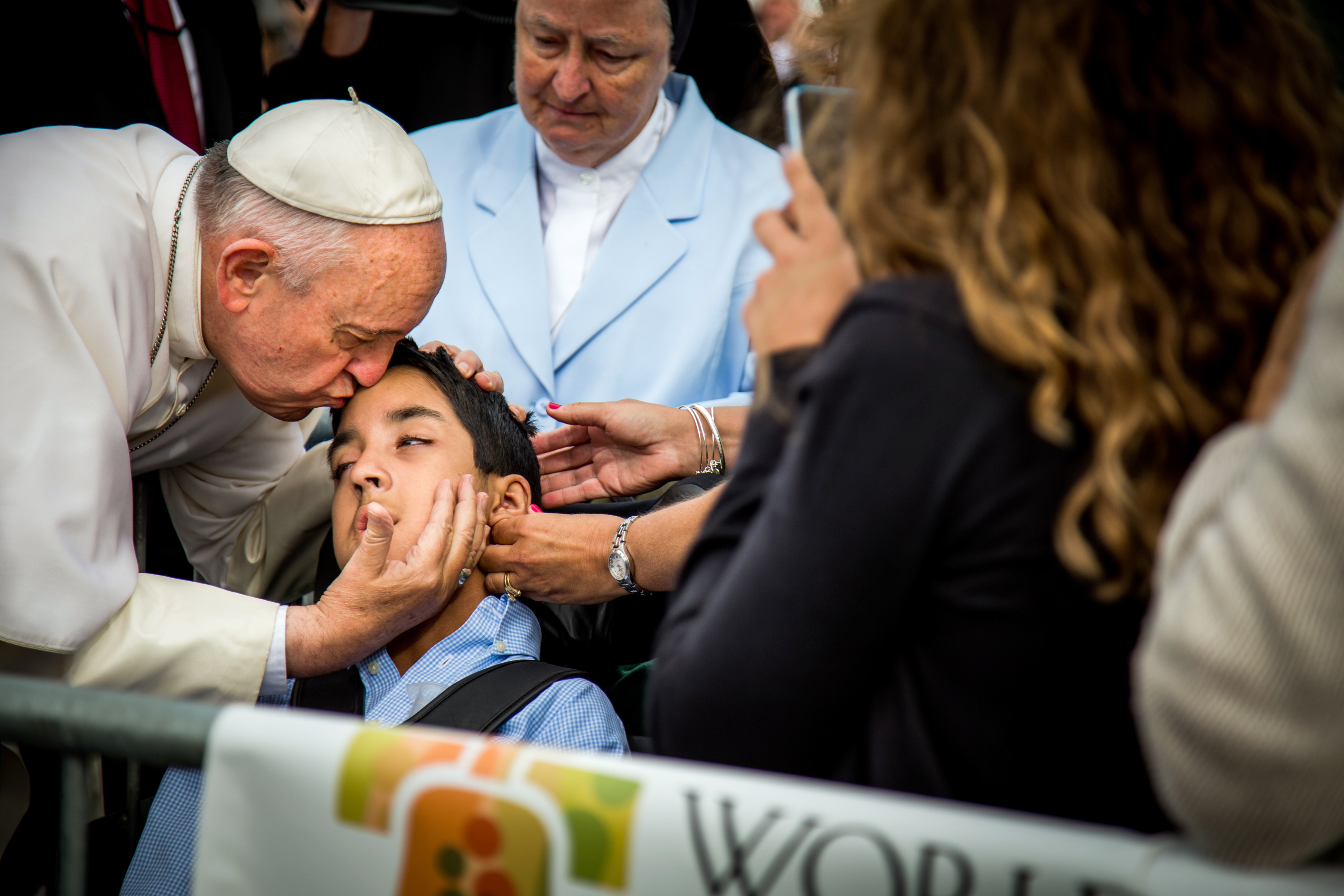
In this photo provided by World Meeting of Families, Pope Francis kisses and blesses Michael Keating, 10, of Elverson, Pa after arriving in Philadelphia and exiting his car when he saw the boy, Saturday, Sept. 26, 2015, at Philadelphia International Airport. Keating has cerebral palsy and is the son of Chuck Keating, director of the Bishop Shanahan High School band that performed at Pope Francis' airport arrival. (Joseph Gidjunis/World Meeting of Families via AP) MANDATORY CREDIT

In this photo provided by World Meeting of Families, Pope Francis kisses and blesses Michael Keating, 10, of Elverson, Pa after arriving in Philadelphia and exiting his car when he saw the boy, Saturday, Sept. 26, 2015, at Philadelphia International Airport. Keating has cerebral palsy and is the son of Chuck Keating, director of the Bishop Shanahan High School band that performed at Pope Francis’ airport arrival. (Joseph Gidjunis/World Meeting of Families via AP) MANDATORY CREDIT

I’m not Catholic, but I’m a fan of the current Pope. I know I’m not alone in that. I’ve cheered as he’s proclaimed the gospel on the floor of Congress and before the United Nations in the past week.

And when he stopped to intentionally greet and bless a child with cerebral palsy and his family near an airport in Philadelphia? My heart cheered not only at his act but at the number of positive comments on each news post about the event.

(One language note, though: Some news outlets, unfortunately, chose to describe the child as “suffering from” cerebral palsy. My youngest child also has cerebral palsy. She doesn’t exist in a perpetual state of suffering from it, though it does create some limitations. Please, journalists, choose your words wisely. If you adhere to any of the style books regularly used by media outlets, you’ll find that the preferred wording is “child with cerebral palsy” or “child who has cerebral palsy” not “child suffering from cerebral palsy.)

Meanwhile, that same positivity does not extend to the comments section of any post about the Pope’s pro-life stances on abortion. When he spoke before the United Nations last week, he said, “The Golden Rule also reminds us of our responsibility to protect and defend human life at every stage of development.” Previously he has spoken even more powerfully and explicitly against abortion (though he has also spoken with great compassion for those who have had abortions). The response to those remarks is almost always divisive.

As for me, I am pro-life. I’ll be writing more here in the coming weeks about why I am and how disability issues intersect with abortion. For now, I want to make the distinction that I am pro-life like the Pope is pro-life – every stage of development, from womb to the tomb.

What many of those cheering the Pope’s response to the boy with cerebral palsy missed is this: his stop was a pro-life action. Being pro-life, after all, isn’t (or shouldn’t be) simply about being anti-abortion. Yes, that’s part of it, but being pro-life extends after birth as well, both for the child and the mother and everyone else involved.

That’s why I consider special needs ministry to be a pro-life ministry, especially in a world that is surprised when a religious celebrity stops to engage with a child with a disability. May we all follow Christ so well that we and the world expect nothing less from Christians than not just taking note of those with disabilities but living in community with them as friends and fellow image bearers of God. Here’s to changed hearts!

Photo credit: Joseph Gidjunis / AP

In addition to serving as a Key Ministry Church Consultant, Shannon Dingle is a co-founder of the Access Ministry at Providence Baptist Church in Raleigh, NC.

***********************************************************************************************************

Kids Ministry ConferenceOur Key Ministry team will be fanning out across the country this fall at training events in Indiana, North Carolina, Tennessee and Kentucky. Interested in coming to a live event? Click here for more information and to register for any ministry event our people are attending in October and November. Hope to see you soon!

Posted in Advocacy | Tagged , , , , , | 2 Comments

Ryan Wolfe…Keeping the Disabled Connected

shutterstock_229624522Several years ago I asked our County Board Superintendent what the #1 problem was facing the disability community. Without hesitation he said it is the problem of isolation.

Isolation is a universal experience for those in the disability community. It is not unique to our community. People affected by disabilities are isolated in various. Sometimes isolation is a result of cultural attitudes and worldviews. Other times isolation is a result of physical barriers. Even if physical barriers are not present people affected by disabilities can feel isolated by circumstances.

Isolation is also not a new problem. Isolation is an age old problem. Look back to Genesis Chapter 3. Here we find the beginning of isolation when we the human race are cut off from God. We are separated from Him as a result of our sin. The enemy see how affective isolation can be and I believe he uses that discourage us as humans.

Isolation is not what God intended. The Garden of Eden is evidence of that. God intended for us to be together united as one. We are only complete when we are all together (see 1 Corinthians 1:22). Ever since our separation in Genesis Chapter 3 things have gone terribly wrong.

Hope in the Midst of SufferingHow can we overcome isolation? How can we keep the body connected? These are all questions that I will answer at The Hope Conference in Indiana next month.

To give you a glimpse of how we can overcome isolation I’d like for you to think about a mat. Yes think about any old mat that you have in the floor of your home. Large or small it doesn’t matter. Maybe you remember a time when your children used a mat in your home to drag each other around on it. Maybe they even used one to pick each other up on one. Depending on your creativity and or craziness a mat can be used for a lot of different things including a sled to ride down a set of stairs. That’s a story for another day.

Now let’s remember how a set of friends used a mat to carry their friend in Luke 5. Their friend who was affected by a disability was isolated from others. He was physically separated from the presence of Jesus because of his disability. Luckily he had a determined and creative group of friends. They used an ordinary mat as an adaptive item that removed the barrier of isolation from his life. The mat was simply a tool that they used to help their friend get connected to Jesus. The group ran into many obstacles in their quest to overcome isolation, but they never gave up. They were both determined and creative using what was available to them. There is a lesson to be learned from these friends.

I will unpack how I believe “the mat” in this story for us is an illustration for technology in our current day story. I am convinced that with the same level of determination and creativity we can help our friends overcome the problem of isolation by using different forms of technology that are available to us. I also do not believe that you have to a tech wizard that works for the Geek Squad to be able to use technology to connect people. Sometimes things are simpler than we make them out to be. Believe it or not?

Come to the Hope Conference and find out how to use technology available to you to overcome isolation.

Ryan Wolfe ColorIn addition to serving as a church consultant for Key Ministry, Ryan Wolfe is the Disability Ministry Pastor at First Christian Church in Canton, OH. He blogs at DisabilityMinistry.com. Ryan believes believe that all persons with disabilities have the right to participate in a faith community and feel valued as a community member.

***********************************************************************************************************

Indiana Wesleyan University EventOur Key Ministry team will be fanning out across the country this fall at training events in Indiana, North Carolina, Tennessee and Kentucky. Interested in coming to a live event? Click here for more information and to register for any ministry event our people are attending in October and November. Hope to see you soon!

Posted in Inclusion, Intellectual Disabilities, Training Events | Tagged , , , , , , | 1 Comment