
Joe Padilla…5 Steps to the Rise of Mental Health Support in the Church

Joe PadillaIn the fifth installment of our series, Ten Strategies for Promoting Mental Health Inclusion at Church, Joe Padilla (CEO and Co-Founder Mental Health Grace Alliance) discusses the rationale for, and benefits of mental health support groups through the local church.

“The common denominator in mental health recovery is community.”

In the 1990’s, William Anthony Ph.D. of Boston University researched the key factors that contributed to mental illness recovery … and in every case “community” was one of the crucial factors. Dr. Anthony’s research serves to reinforce the transformative and biblical principles of community.

All through the New Testament we are taught to “sink into” and live out our life in Christ in order to serve, love, care, and humbly get along with one another (e.g. Romans 15:2, 1 Corinthians 12:25, Philippians 2.3-4). Apply this type of environment to anyone in distress … and you have a community that will transform lives.

“Mental Health support in the church is on the rise …this changes the whole game.”

shutterstock_154131002Why has the topic of mental illness been avoided in the church? First, we need to give pastoral leaders a break. When someone is suffering they don’t go to a pastor saying they are coming down with “Major Depressive Disorder,” instead they are complaining of a spiritual difficulty … “I can’t connect with God, my spouse, and my family … when I pray I feel overwhelmed and confused … I’m at a loss in my faith, what do I do?” Both the congregant and the pastor are not talking about or looking for a mental health problem.

We also need to give grace for unaware leaders who have not been educated and subtetly let stigma bleed into their own concerns … “It’s too hard, it’s messy, and there are many liability issues.”

This is an opportunity to educate, train, and walk with these leaders into new vision, not criticize them. We are seeing leaders starting understand and to advocate for changing the future of the church!

Mental health community support in the church is on the rise and this changes the whole game! As we see more and more influential church leaders share their personal or family experience, the conversation is beginning to take shape in the church. We’re beginning to see a turning of the tide. We’ve not fully arrived with the change we want to see and there are some leaders who are stuck in stigma and completely resistant. However I am encouraged because we are busy working with many churches, ministries, and organizations all over the world. I have hope!

How did these churches, ministries, and organizations get there? Here are five steps they are making progress with launching real and solid mental health support.

  1. Education to Realize the Need. Church leaders first take the time in their leadership meetings to be educated. They bring in a professional or organization representative to have the overall education and the honest conversation. They start to see the need and make the connection within their ministry programs. Eventually, this leads to training the staff with education and tools.
  1. Vision to Realize Practical Hope. Leaders like to see the vision and the research because with a topic like this they want to trust the experts, not a passionate ideal. During the education meetings we especially like to show the data on why and how simple mental health recovery can work. It puts hope into reality and practical tools. They now feel educated and equipped to move forward.
  1. Identified Catalyst Leaders to Build. These leaders are very strategic. Thus, they looked for catalysts (volunteers) that could help build the support. Many times these catalyst are the very ones that originally brought it to their attention. These catalysts have the energy and heart to get things started … and their pastors are behind them with full support. These catalysts organize others to get involved … the church is blessed to have them.
  1. Built support by starting with families and then peers. There are usually more families ready and willing to participate more than peers. With the momentum and the growth from the family support, there will be others who rise up to launch the support for peers. However, in some cases both family and peer groups have started at the same time.

Now, you might be asking, “What type of support groups do you start with?”

Stay with Curriculum Focused Support, Not Share Groups. Share groups focus on relational conversations and do not follow a particular structure. The good news is that these groups build strong relationships … the bad news is they turn into discouraging venting groups. Research reveals these groups are not effective; they focus on co-rumination over problems that reinforce aggression, maladaptive thoughts, depression and anxiety. Groups that follow a particular curriculum or guide have more effective results with relationships and personal growth (health).

Here are the best options:

  • Principle Based: These are the groups that follow discussion and build around key principles or steps. This is much like AA or Celebrate Recovery groups, however those groups do not specifically address “mental illness.” A group called, “Fresh Hope,” follows this format for bipolar / depression building on faith “tenants” (principles). This group incorporates both family and peers in the same group.
  • The Education Class: The National Alliance on Mental Illness (NAMI) provides free courses called Family to Family or Peer-to-Peer. It does not offer answers or build on faith concepts, however these classes provide rich and helpful information that has benefited many. These classes work well in conjunction with these next two options.

“With education and support in the church a pastor can easily talk about “it” (mental illness) from the pulpit.”

  1. They Talk about “It” from the Front and Empower the Church.

Research tells us that on any given Sunday, 27% are dealing with mental illness themselves or a loved one (Stanford 2011). Will they hear it from the front and where do they go for more support? The church can be that place to learn and be supported.
Perry NobleWith education and support in the church a pastor can easily talk about “it” (mental illness) from the pulpit. I know of a church in Seattle that did a whole month series titled, “Depression is Real.” The pastor educated and gave hope! Other large churches publish articles in their church magazine and blogs. I also personally know people who wept with encouragement when they heard both mental illness and hope preached from the front of their church. Then, to know there’s a refuge of support through the church … that’s pioneering real church growth.

People with mental health difficulties first come to the church before going to any professional … the church can be the gateway for mental health change … the game changer for the world … impacting the way we relieve suffering, reveal Christ, and restore lives!

To learn more about expanding your church’s capacity to offer mental health support, contact Joe or a member of his team at Mental Health Grace Alliance.

***********************************************************************************************************

KM Logo UpdatedKey Ministry has assembled resources to help churches more effectively minister to children and adults with ADHD, anxiety disorders, Asperger’s Disorder, Bipolar Disorder, depression and trauma. Please share our resources with any pastors, church staff, volunteers or families looking to learn more about the influence these conditions can exert upon spiritual development in kids, and what churches can do to help!

Posted in Advocacy, Depression, Families, Key Ministry, Mental Health, Resources, Strategies | Tagged , , , , , , , , , | 4 Comments

Should you allow someone like Josh Duggar to serve in your children’s ministry?

shutterstock_3170003Before I dive in, let me be clear about what this post will not be. I am not writing to rehash what happened in the Duggar household. I’m not writing to applaud or lambast the media for their treatment of the situation. If you clicked on this to find a post adding to the hype, sorry. That’s not what you’ll find here. I have no desire to sensationalize a hot topic.

I do, however, have a deep desire that children be safe in our churches. Steve shared a post here last week with statistics on sexual offenses committed by juveniles, and those numbers indicate this isn’t an isolated situation. According to the US Department of Justice, juveniles account for 25.8% of sexual offenders known to law enforcement personnel, and commit 35.6% of offenses to minors.

We would love to say that this is exceedingly rare and never happens within families at our churches, but we live in a broken world. Sometimes that brokenness is demonstrated through criminal sexual assault of children, and sometimes the offender is a juvenile too.

As such, church leaders need to be asking ourselves how we would handle the situation if an adult with a juvenile history like Josh Duggar’s wanted to serve in children’s or youth ministry. I’m not asking for us to complete an arbitrary mental exercise in hypotheticals, rhetoric, or what ifs. I’m asking you a real question that needs to be considered, given the rates of sexual abuse in our society.

If someone like Josh Duggar wanted to serve in your children’s ministry, what should you say?

No.

I’ve considered this question and consulted a few legal experts, and that’s our consensus. Repentance doesn’t remove the earthly consequences of sin (though it does, thankfully, void the eternal ones for those of us in Christ). I do sympathize with these families, thinking of how I would feel if I were in the shoes of Lacy, the mother of a 13 year old boy who was convicted as an adult for sexual contact with his five year old cousin. She asks, “How many of you would like a poor decision you made at the age of 13 to follow you around for the rest of your life?” But if Lacy’s son grew up and wanted to serve with children in our ministry, I’d say no. Our first priority in children’s and youth ministry must be the safety of those entrusted to our care. While experts only estimate that 10% of juvenile sexual offenders show risk indicators for becoming adult pedophiles, that percentage is still higher than the general population.

What if they’ve been through treatment? Good! I’d hope so. If a previous offender wants to serve but hasn’t received counseling for their prior acts, then your first priority in serving that individual would be to connect them with a place where those needs can be met. (Also, as Russell Moore and Ed Stetzer point out, church leaders are mandated by God’s word and often by law to cooperate with the state in reporting offenses against children, so that’s another step needed in addition to helping an offender seek help.) But proven best practices in the treatment of sexual offenders don’t guarantee results, and re-offending is more common in this area of criminal sin than any other (though recidivism rates for juvenile offenders are the lowest, with only 5-12% re-offending). Our first aim in family ministry is to keep the children and youth in our care safe, and sometimes that means we say no to potential volunteers. We can and should welcome them to serve elsewhere, just not in family ministry.

shutterstock_64682575Even if your inclination would be to say yes to the individual asking to volunteer, you’d need to consult with your church liability insurance provider and legal counsel to make sure you’re being a good steward of resources. If you are aware of someone’s previous sexual offenses and still allow him or her to serve with children, is your liability coverage still valid or is it voided by your choice to say yes with knowledge of prior abuse? Could you be legally guilty of negligence or gross negligence for providing this person with access to children at your church? I bet you can guess the number one reason churches went to court in 2014: sexual abuse cases. In our litigious society, anyone can sue, and many end in settlements to avoid a costly legal battle and to protect the reputation of the church, even in cases in which leaders have been above reproach. Beyond just the legal ramifications, consider the emotional ones too. If a child was violated in your care, how would you answer a mother or father asking, “If you knew this had happened before, why did you trust this individual with my child?”

What if the individual wanting to serve in your ministry wasn’t charged for their juvenile offenses and doesn’t disclose them, much like the Duggar situation before this recent news broke? Background checks don’t show offenses that never entered public record. They also exclude most juvenile offenses, though the Adam Walsh Child Protection and Safety Act passed in 2006 does require some youth offenders aged 14 and up register as sex offenders if their offenses are among the most serious. Given research indicating that only 30% of sexual assaults against children are reported, background checks aren’t enough (though they’re a necessary start). Our policies, from how we interview potential volunteers to how we train them to how we put our plans in place, need to focus on child safety. (What sort of policies? Mending The Soul is a good place to start. This book is also a resource I’d recommend.)

shutterstock_12834553Given my role as a special needs ministry leader, I am a tough watchdog on our safety policies. Because sexual predators usually target children they consider easier to assault without getting caught, our kids are some of the most vulnerable, especially those whose impaired communication skills limit their abilities to tell trusted adults what happened. So I’m unapologetically fierce about protecting our kids (as well as protecting our volunteers from situations in which they could be falsely accused, like any instance in which they are alone with a child). In our respite night volunteer trainings, I spend about half the time stressing our safety policies, explaining their importance, and warning volunteers that I love them and these kids enough to gently call them out if I find them breaking the rules we set for everyone’s protection. For example, if one of my volunteers steps off the elevator with a child and no one else present, I address that behavior immediately.

Does it feel harsh to say no to someone who wants to serve? Can it sting a little if your ministry, like mine, is hurting for volunteers? Do I wish a foolproof test existed that could tell us absolutely if an individual might endanger our kids? YES! I answer a loud yes to all of those questions.

But those aren’t the most important questions. Here’s the number one: Am I doing everything I can to protect the children and youth entrusted to my care each week? As a leader in the church and an ambassador for Christ, I need to be able to answer yes to that question, even if I have to answer no to someone who wants to serve with us.

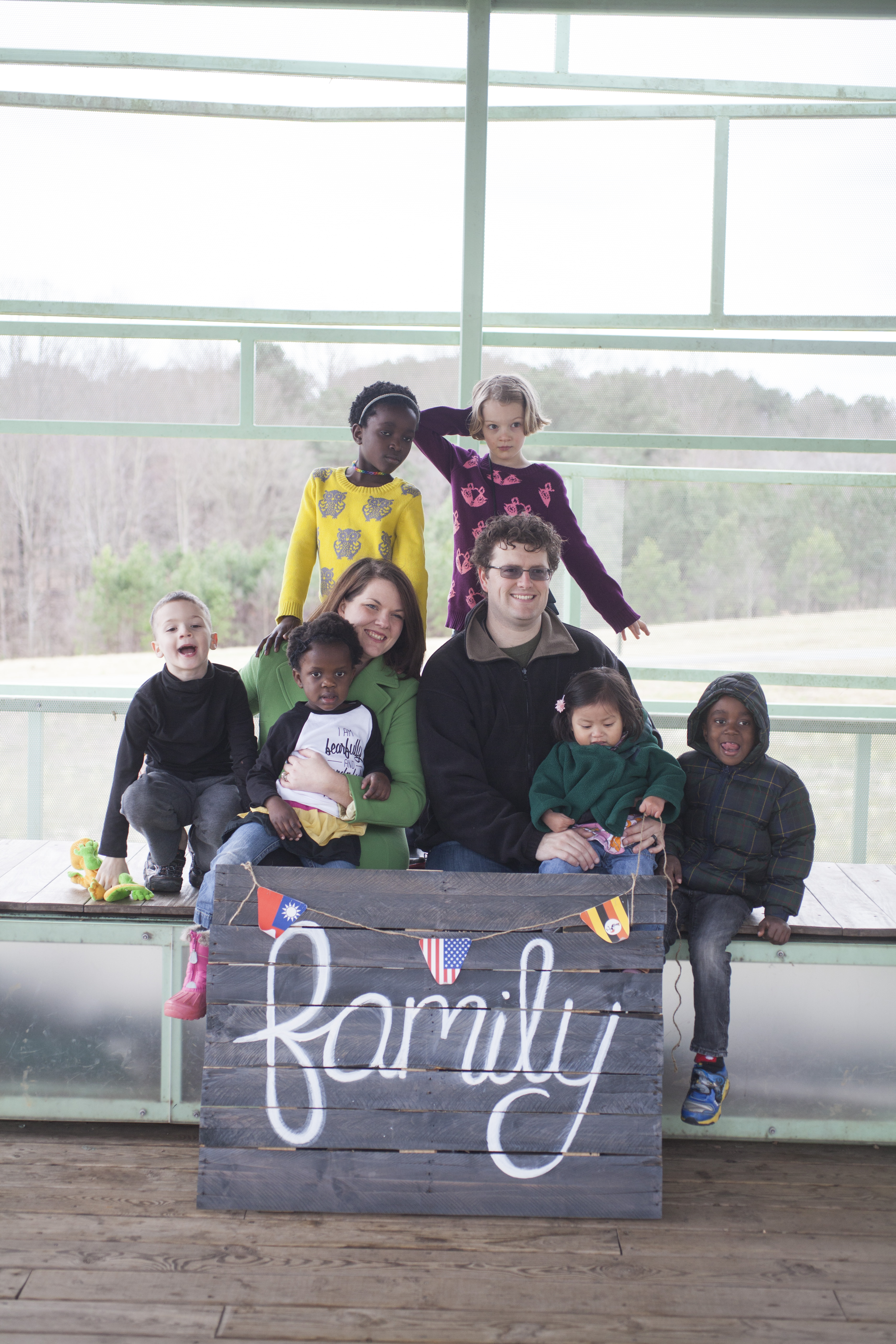
IMG_6273 Dingle FamilyShannon Dingle provides consultation, training and support to pastors, ministry staff and volunteers from churches requesting assistance from Key Ministry. In addition, Shannon regularly blogs for Key Ministry on topics related to adoption and foster care, and serves on the Program Committee for Inclusion Fusion, Key Ministry’s Disability Ministry Web Summit. Shannon and her husband (Lee) serve as coordinators of the Access Ministry, the Special Needs Ministry of Providence Baptist Church in Raleigh, NC. She regularly blogs at Dinglefest.

***********************************************************************************************************

shutterstock_185745920Click here to check out Key Ministry’s resource page on Trauma and Kids. We share links to all the posts in Dr. Grcevich’s blog series, links to educational resources from the National Child Traumatic Stress Network, Dr. Karyn Purvis, and resources on PTSD developed by for Key Ministry by author and well-known disability ministry leader Jolene Philo. Please share with friends, colleagues and families who might benefit from the resources.

Posted in Controversies, Key Ministry, Leadership, Strategies | Tagged , , , , , , , , , | 7 Comments

When we talk about the Duggars, who is listening?

shutterstock_203091910Editor’s note: Shannon Dingle shares her reflections on how the life experiences people bring to worship influence how they may process comments from church leaders in the aftermath of Josh Duggar’s recent disclosures. 

Words matter. God’s word is clear about that. We’ve used the Duggar situation as a springboard for conversations on this blog about juvenile sex offenders and church safety. We’ve also been reading posts and blogs by other church leaders. I can’t help but wonder if we’re being mindful of who is listening to what we’re saying…

  • Victims are listening. Rates of childhood sexual abuse in this country are staggering, so you can be certain some are in your congregation/FB feed/Twitter followers/etc. If everything you post is defending an offender or chiding the media for being bullies, are you aware that your words might be telling these survivors that your church (and your friendship) isn’t a safe place for them? If you minimize the actions of one sexual offender, do you realize it could feel like you’re minimizing the actions of the person who violated her or him? Beyond that, as you write about how victims never fully heal and how this has stripped these girls of their purity/dignity/innocence/hope for future intimacy, do you realize some of your friends feel like you’re saying they are unredeemable if they were similarly abused (which would be hurtful alone, but is compounded by Christian messages of modesty and purity that sometimes make victims feel dirty, impure, or unlovable because of their abuser’s actions)?
  • Offenders are listening. Maybe it’s not sex offenders. Maybe it’s a woman who aborted her child and feels like her pro-life church would cast her out if they knew. Maybe it’s an addict who recently relapsed but is pretending all is well because he doesn’t trust his church with the mess of his life. Maybe it’s someone who cheated on their spouse and wants to come clean but isn’t sure forgiveness can exist. When someone else with a secret sin – albeit a different one – reads your posts, will it sound like redemption or treatment or love can exist for him or her?
  • Families in crisis are listening. If a mom, dad, or teen in your church feels like their family is falling apart because of a dark secret, will your words on this topic invite them to trust you or to stay silent? Will what you say or post on social media tell them you will love them in the midst of their messiness?
  • shutterstock_125481890Those outside the church are listening. Christians are known for preaching against sexual sin, so the world is watching to see if we apply the same standard to those within our flock as those outside it. Are we railing against sexual immorality outside of our churches but calling for forgiveness without consequence within them? Are our words supporting a poor view of our faith by those with whom we’d like to share the gospel? Are we presenting ourselves and our God as credible or fickle?

This isn’t about Josh Duggar. This is about you and me and our churches and the kids with whom we’re trusted. More than that, this is about our God who is both just and merciful, always a safe place for us to find refuge. Our churches can glorify Him by also being safe places for those in need. Let’s make sure the words we choose offer that promise to all those listening!

***********************************************************************************************************

shutterstock_185745920Click here to check out Key Ministry’s resource page on Trauma and Kids. We share links to all the posts in Dr. Grcevich’s blog series, links to educational resources from the National Child Traumatic Stress Network, Dr. Karyn Purvis, and resources on PTSD developed by for Key Ministry by author and well-known disability ministry leader Jolene Philo. Please share with friends, colleagues and families who might benefit from the resources.

Posted in Controversies, Key Ministry, Leadership | Tagged , , , , , , , , , , , | 3 Comments

“I Can’t Do This!”: Facing Your Limitations as a Special-Needs Parent

shutterstock_158472119Editor’s note: Dr. Karen Crum is graciously guest blogging for us today. Click here to check out her guest post from last month, Hopeful, Trusting, Confident and Calm.

“I can’t do this!” I cried out to my mother, choking back the tears. She had come across the country to visit the grandkids and give support to me, a struggling mom in a new community with no friends or family nearby.

This season was the beginning of my journey raising my daughter Katie, who was showing the first signs of autism. I also had a newborn daughter who was limiting my sleep and gobbling up any extra energy I might have used to cope with the situation. For me, this was a season of grief, intense learning, and attempts to immerse Katie in structured play, learning activities and conversation for most hours of the day.

I was committed to doing all I could to give Katie the best chance possible for a fulfilling life. This was admirable, but I was afraid of failure and held myself to unrealistic standards. As I tried to be the perfect mother/therapist, I found myself engaging in self-condemnation and guilt for not having the “right” personality or temperament when Katie needed them. For example, I bashed myself for not being playful enough when she was a pre-schooler, and not being tough enough when she was an adolescent. Of course, there were many things I did well on behalf of my child, but I overlooked them in the quest to stamp out my weaknesses.

What I needed–and perhaps what you need– is to remember that God blesses people in spite of human weakness and insecurity, and that He provides help in areas where we need it. You may be battling with a child who is depressed, anxious, or exhibiting behavior that you cannot control. It is easy to feel inadequate in these situations. It helps me to look to Biblical examples to see God’s provisions for people who felt the same. For example, Moses and Gideon both felt completely inadequate for the jobs God designed for them (see Exodus 4 and Judges 6), but God did not excuse them from their calling—instead He sent technical and moral support (Aaron and Purah) to help. At other times, God actually decreased tangible supports (as He did in decreasing the size of Gideon’s army), but worked out His purposes in miraculous ways, showing divine strength in spite of unfavorable conditions.

Over time, I learned from these Bible characters to hand over my weaknesses to God and to ask Him for the strength and wisdom to raise my children. He has answered this request, but He also taught me to drop my guilt and to accept my imperfections (not my sins, mind you, but my personal limitations). In 2 Corinthians 12:9, Paul writes about something similar. He tells us that God would not take away the “thorn” that plagued him, but instead told Paul, “My grace is sufficient for you, for my power is made perfect in your weakness.” Not only does God fill in the gaps of our insufficiency but His light shines more brightly because of our weaknesses. It’s ok—God has got this!

God also reminded me in Ephesians 2:10 that He created me—and you—“to do good works, which God prepared in advance for us to do.” He is not surprised at our weaknesses and how they are highlighted in certain situations as we raise our children. Just because the task we face is difficult does not mean that God did not ordain it for us. In fact, God has made a habit of asking his people to do things that seem impossible because it is then that his power is most evident.

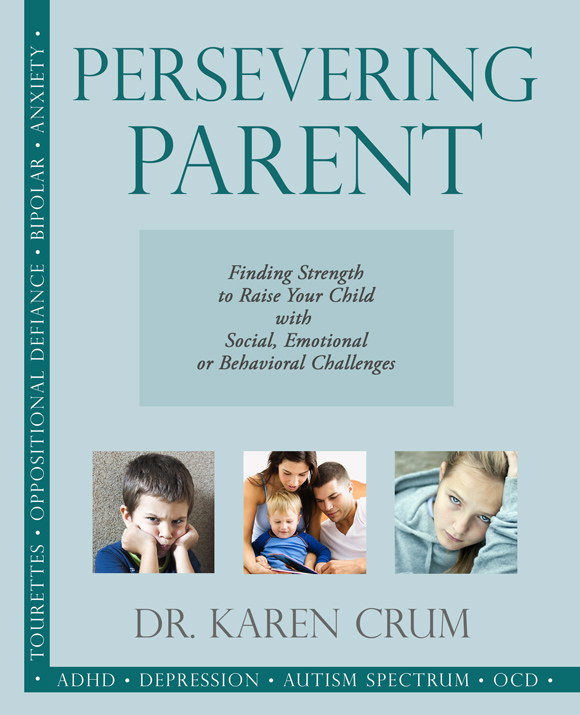
Persevering ParentI remember myself as a brand new mom of my first baby (Katie), and how the weight of responsibility hit me for the first time as I held her in my arms. I recall praying fervently, “God, please make me a godly mother”. Over the years, I did grow as a godly parent, and facing challenges as a special-needs parent was a primary means through which God honed my ability to parent in a godly way. The more desperate I became as a special-needs parent, the more He taught me about what is important in His eyes. He reminded me that He expects me and my children to “love mercy, act justly and to walk humbly” with Him (Micah 6:8). Never has He suggested that a college education or earthly success are His priorities for my children, so I do not need to beat myself up if my kids do not live up to these standards. Instead, He taught me that He values gentleness, kindness, peace and love as these are characteristics of Jesus that we are to represent to the world (2 Corinthians 5:20). If not for the lessons learned as a special-needs parent, who knows how long it would have taken me to integrate these lessons into my personality and priorities?

As you face difficult situations in parenting your child with social, emotional or behavioral challenges or disabilities, remember that none of this is a surprise to God and that He has a plan and purpose for you and your child as you struggle. Your limited ability to help your child is not a stumbling block to the purposes He holds for him or her. I love how (in Judges 6:12) the angel of the Lord shouted out the potential He saw in Gideon although Gideon was weak in the eyes of the world. The angel called him “mighty warrior” to Gideon’s great surprise. God realizes the potential in us that we cannot always see. So do the best you can, but know that God can more than overcome any limitation you have as a parent. Your weaknesses can actually be wonderful tools in God’s hands when you face the challenges He gives you.

***********************************************************************************************************

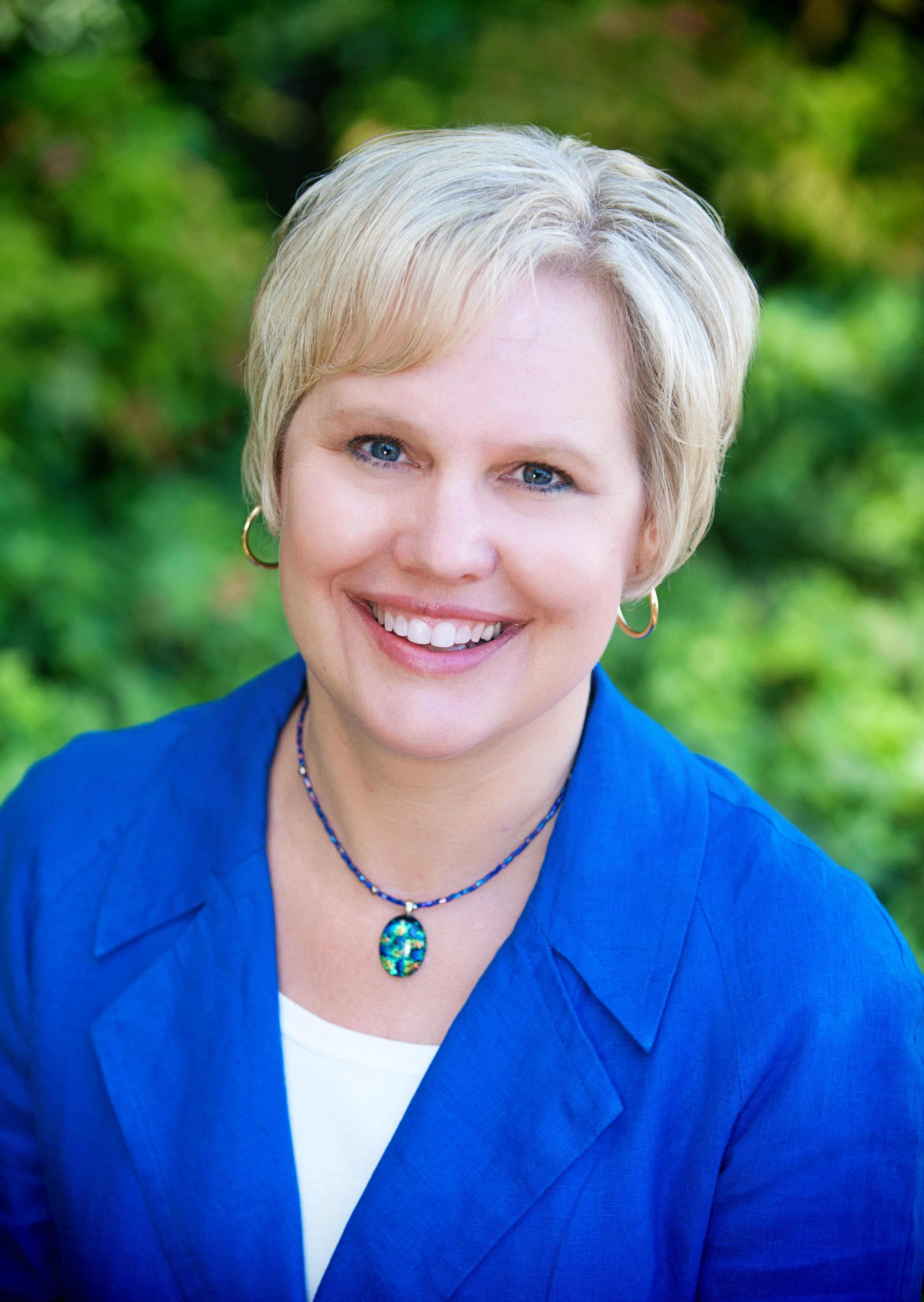
Karen CrumDr. Karen Crum  is the author of Persevering Parent: Finding Strength to Raise Your Child with Social, Emotional or Behavior Challenges. This book points to God’s truths and to practical and spiritual principles that enhance hope, joy and effective special-needs parenting. Persevering Parent can be purchased online by following this link. In honor of Mothers Day, the book is 50% off the regular price during the months of April and May (use discount code 885VMZAG).

Persevering Parent Ministries is a non-profit organization and a portion of proceeds from direct website orders are donated to provide respite care for struggling families. The book is also available from Amazon and other online distributors.

Posted in Families, Parents, Resources | Tagged , , , , , , | 3 Comments

Mental health inclusion…creating more welcoming ministry environments

shutterstock_2619595In the fourth installment of our series, Ten Strategies for Promoting Mental Health Inclusion at Church, Steve shares a number of ideas for churches seeking to create more welcoming ministry environments for kids, teens and adults with common mental health conditions.

Form follows function. That’s the extent of my knowledge about interior design.

When a church decides to build a new facility or renovate space used for ministry, form should follow function. Much as your local grocery store or clothing store are designed to draw shoppers is to merchandise the store wants to feature, many churches are designed to draw the attention of visitors and church members to information and experiences determined by leadership to be most important in helping people to come to faith and grow in faith.

IMG_0695Our ministry team had many “spirited” discussions in the past arising from my interest in serving “megachurches” with contemporary music, nonexistent dress codes, comfortable seating and openness to worshipers coming to church with coffee (or in one case, Diet Mountain Dew Code Red). What I had difficulty verbalizing at the time is that the environments these churches were creating might be more “friendly” to the families of kids with “hidden disabilities” we were seeking to serve. I remember coming away from a visit to one of the North Point Ministries campuses in Atlanta thinking that the place had been intentionally designed to welcome visitors with ADHD.

I’m not making a value judgment about one style of church design or worship center vs. another. The architecture and design of many churches reflects an conscious act of worship reflecting the congregation at the time of the church’s construction. Regardless of your church’s architecture and design, every church can make a conscious effort to make their ministry environments more friendly to kids and teens with common mental health conditions and their families.

If we use the Mayo Clinic definition of mental illness as mental health conditions — disorders that affect mood, thinking and behavior, let’s look at how children, teens and adults with mental illness might be challenged by your church’s ministry environments.

  • They may struggle more than your typical attendee to maintain appropriate focus and attention.
  • They may have more difficulty prioritizing the most important takeaways from teaching or instruction offered at church
  • They may have more difficulty processing and remembering sequences of directions.
  • They may process sensory differently than other attendees
  • Their capacity for self-control may be more easily compromised than same-age peers

Consider your church’s teaching environments where large and small groups gather…

Is there anything in that environment that distracts attendees from the teaching or content you’re wanting them to grasp?  Consider the following…

  • Windows (could curtains or blinds minimize distraction during teaching activities?)
  • Wall decorations/artwork… Check out this post describing a study on how wall decorations in a classroom for young children impact learning.
  • Objects in the pew/seating areas
  • Seating comfort (my church rearranged temporary seating in our contemporary worship space to increase the number of aisle seats by 50%)
  • Room temperature
  • Ambient sound

Before making changes in your ministry environments, consider who might be adversely affected by the change. Stained glass and artwork in the sanctuary might be essential for helping some people in your church to prepare their hearts and minds for worship, etc.

Many kids, teens and adults experience challenges with information processing and memory. As many parents of kids (and spouses of adults) with ADHD will attest, getting them to remember more than one thing at a time is a challenge! Pastors and teachers might consider the following…

  • How do we emphasize the single biggest point we want to communicate in any teaching or sermon?
  • How do our audiovisual materials support the message we want to communicate?
  • Would a study guide be helpful for accompanying the message/teaching?
  • Are the sermon notes/teaching/slides easily accessible following the event? Listening to the pastor/teacher while taking good notes is a challenge for many with mental health conditions.

SUopenhouse081Signage is an important component of any review of ministry environments. Are directions clear and simple? Do they avoid “insider lingo?” For example, a visitor to my church wouldn’t know that our large group children’s ministry is “Upstreet” or that “Circle of Friends” is our special needs ministry. Here’s a comment one of our blog readers shared recently addressing the importance of good signage…

As someone with ADD and a history of anxiety/depression, I wish I could impress how simple and effective it is to clearly communicate traffic patterns, church campus and parking entrances and parking directions with signage–even mapped on websites. I’ve had this discussion with many friends and was relieved to learn I wasn’t alone but surprised that churches generally know about the issues but fail to address.

I’ve visited churches and left before reaching the parking lot if the traffic was overly stimulating and the parking lot was confusing and poorly marked. I’ve turned around in a parking lot if I couldn’t find the correct entrance after parking and leaving my car. Imagine having a panic attack with a car of family, forcing yourself to go in while wanting to cry in the bathroom–avoidable with clear signs and a good map on a website. I’ve prioritized visiting churches over others because their websites and info provided clear campus maps for first-timers. I’ve found I’m not the only one–and I’m a committed, life-long church attendee who prioritizes the community component. I couldn’t imagine being new to the church experience–it almost wouldn’t be worth attending church in person.

Sensory processing disorder is not currently recognized as a stand-alone medical condition, but sensory processing difficulties are common among children and teens with autism spectrum disorders, ADHD and anxiety disorders. Estimates suggest that 5% or more of children and teens in the U.S. experience significant functional impairment as a result of sensory processing.

shutterstock_151284752Kids with sensory processing differences are overly sensitive to sound, light, touch and taste than their same-age peers. They often experience difficulty with gross and fine motor coordination. They may be very particular about the feel of clothes against their skin, may overreact when touched by others, and often experience loud noise or potent smells (perfume or cologne) as noxious. They often experience more difficulties with sensory processing…and more distress in unfamiliar environments.

Consider the following ideas for making your church more “sensory-friendly”…

Entrances…Can you designate a “sensory-friendly” entrance/exit for families in which one or more members experience atypical sensory processing?

Lighting…Are there ministry areas in which fluorescent lighting can be replaced by incandescent or natural lighting? One small study demonstrated increases in stereotypic behavior in kids with autism spectrum disorders in the presence of fluorescent lighting.

shutterstock_173700593Sound…Is the decibel level at which your sound systems are programmed distressing to some visitors? Are there public environments where members and visitors can converse with less ambient noise before and after worship services? A person with ADHD may have more difficulty conversing with a member of your welcome team in an environment where several other conversations are taking place in close proximity.

Here’s a post we shared last year on how sensory processing may present a significant barrier to church attendance. We’d also like to share a great checklist for leaders serving in children’s ministry or youth ministry that’s helpful in resourcing your ministry environments for kids with sensory processing differences. This checklist includes sensory-friendly seating and other resources that may be helpful for children.

Finally, I’d encourage you to review your ministry environments to identify factors that might overstimulate kids who struggle with self-control.

Most kids who struggle with executive functioning are capable of controlling their behavior and managing the ways in which they express emotions but they need to expend more mental effort to do so than another child of the same age. In the presence of too much sensory stimulation, they expending mental resources processing the sensory content of their immediate environment and have less capacity for self-control.

f77fc902f0ffff8a9dc080bff842bdddLet’s apply this concept to ministry environments…For kids with executive functioning weaknesses, their risk for becoming aggressive will be reduced during predictable and familiar routines. As their environment becomes more chaotic, noisy, disorganized and unpredictable, their resources for maintaining self-control become more limited.

Here’s an earlier post we shared on when kids are at most risk of aggressive behavior at church. Your mental health inclusion team may want to look at…

  • Adult supervision in children’s/student ministry environments during transitions immediately before and after worship services.
  • Visual stimulation in children’s/student ministry areas. One church where our team consulted a number of years ago experienced a significant reduction in critical incidents after repainting the walls in their children’s ministry area, replacing vibrant, primary colors with jewel tones.
  • Alternative activities/environments for kids who struggle with self-control during high-energy activities.
  • Establishing an identified quiet place (if space is available) where kids and families can go when they struggle to control behavior or emotions.

This discussion is not meant to be all-inclusive. The more your team understands the day to day challenges of kids and adults with common mental health conditions, the more insightful you’ll become about challenges presented by the ministry environments offered by your church. Please make use of the “Past Blog Series” resources available in the right hand column of this blog for more specific ideas on environmental interventions for specific mental health conditions.

***********************************************************************************************************

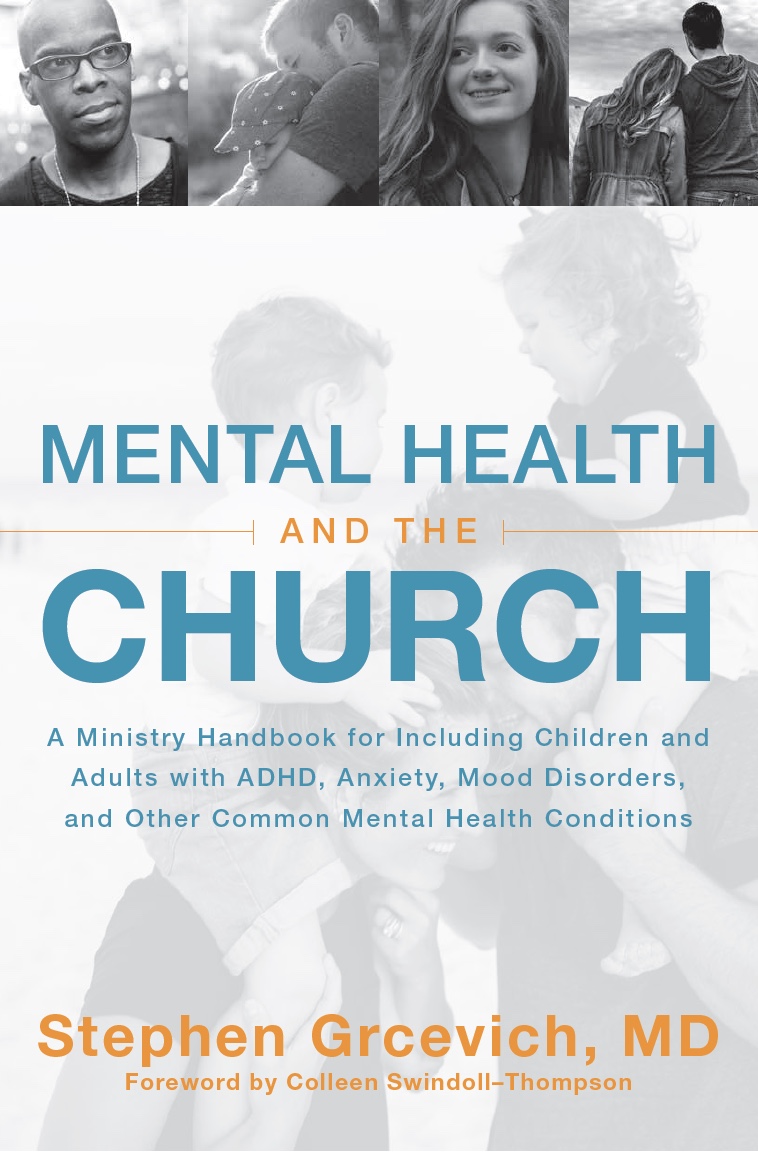
grcevichMissed the interview Vangie Rodenbeck did with Steve on Mental Illness and the Church? Check out their entire interview here. Vangie and Steve discussed…

  • The biggest obstacles children and adults with mental illness face in attending church
  • Why family ministry approaches make sense in implementing intentional mental health inclusion in your church
  • The available research on how churches are doing in supporting families impacted by mental illness
  • Helpful resources for those involved in children’s ministry, youth ministry and family ministry in better serving families in your church and your surrounding community impacted by mental illness.

 .

Posted in Advocacy, Hidden Disabilities, Inclusion, Key Ministry, Mental Health, Ministry Environments, Strategies | Tagged , , , , , , , , , | Leave a comment

What we know about kids who do what Josh Duggar did

shutterstock_206040040At the time I finished my child psychiatry training 25 years ago, I stepped into a job as Medical Director (and later, Clinical Director) of a large residential treatment center that offered treatment programs for teens (with and without intellectual disabilities) who had been adjudicated for sexual offenses. At the time, the vast preponderance of kids in our programs were themselves victims of sexual abuse. We spent considerable time trying to figure out why some kids who were abused went on to offend while other victims didn’t, and we were also interested in what treatments worked best in reducing the risk of reoffending. Some of our internal research was presented at a couple of major conferences…the most important predictor of positive outcomes (no reoffending) in our cohort was the extent to which families of the kids we treated were actively engaged in the treatment process…when the kids we were treating still had families.

Needless to say, the controversy swirling around Josh Duggar’s admission that he fondled as many as five underage girls as a teenager growing up in Northwest Arkansas has led to great consternation among those who viewed the Duggar family as a model of exemplary Christian living. The recent disclosure of a police report describing accusations made about Josh’s behavior led to his resignation from a prominent position with the Family Research Council, condemnation of Josh’s parents for steps they took in response to his behavior and vigorous discussion of how to deal with adults with a history of inappropriate sexual behavior in their childhood or teen years.

I thought it might be helpful to look at the available research into kids and teens who commit sexual offenses to better understand their backgrounds and the impact that treatment may have on reducing their risk of harming other kids in the future.

The scope of the problem: According to the US Department of Justice, juveniles account for 25.8% of sexual offenders known to law enforcement personnel, and commit 35.6% of offenses to minors. 15% of rapes are perpetrated by minors. Data from victim reports suggests juvenile offenders may perpetrate as many as 40% of sexual assaults.

shutterstock_150116513The role of trauma: One frequently cited study of 68 juveniles in a residential treatment program for sexually offending behavior noted that ALL of the kids in treatment had been victimized sexually. Another study of 193 juveniles from a variety of inpatient treatment facilities suggested that a pattern of continuous sexual abuse between the ages of 3-7 was associated with the most damage and the age of victimization and duration of abuse contributed to patterns of offending behavior in the teen years. Rates of sexual victimization are much higher among teens who molest children than in those who molest same-age females.

Family systems influences: Kids who became perpetrators of inappropriate sexual behavior were more likely to have experienced a longer delay in having their own sexual victimization reported, and were more likely to experience a lower level of perceived family support after their own abuse was disclosed according to a study conducted in 2000 with 235 adolescents. Another study looking at family factors associated with sexual aggression in adolescent males found that paternal physical abuse and sexual abuse by males increased sexual aggression among adolescents and that the quality of the child’s attachment to his mother had a protective effect.

Mental health conditions: A descriptive study of 667 boys and 155 girls involved with social services as a result of “hands-on” sexualized behavior noted that 66.7% had been diagnosed with ADHD, 55.6% were diagnosed with PTSD, 49% were identified with a mood disorder, approximately  ¼ had used drugs and 1/5 had used alcohol in association with their sexual offenses.

shutterstock_217802860Delinquency: One meta-analysis of 59 studies comparing 13,000 male adolescents with histories of sexual offenses to male adolescents with non-sexual offenses found the adolescents who committed sexual offenses had much less extensive criminal histories, fewer antisocial peers, and fewer substance abuse problems compared with nonsexual offenders. Additional factors associated with sexual offending included sexual abuse history, exposure to sexual violence, other abuse or neglect, social isolation, early exposure to sex or pornography, atypical sexual interests, anxiety, and low self-esteem.

Autism/Developmental Disabilities: 10-15% of all sexual offenses are committed by persons with intellectual disabilities. Sex offenses are the second most common crimes for which persons with intellectual disabilities are arrested and the most crime for which persons with intellectual disability are incarcerated. Here’s a link to a resource page from the ARC on the subject.

Pornography: We don’t yet have good research on the role exposure to pornography plays in increasing the propensity of children/teens to offend. Anecdotally, I’ve had several patients with either OCD or autism spectrum disorders who have struggled with inappropriate sexual behavior following exposure to online pornography. I’d speculate that online pornography might be more traumatizing to kids with conditions contributing to perseveration on troubling thoughts or images.

Who do teens victimize? Adolescents who offend prepubescent children were found in one study to…

  • Manifested greater deficits in psychosocial functioning
  • Used less aggression in their sexual offending
  • Were more likely to offend against relatives
  • Were more likely to meet criteria for clinical intervention for depression and anxiety

Adolescents who offended adolescent or adult females were…

  • More likely to use force in the commission of their sexual offense
  • More likely to use a weapon
  • More likely to be under the influence of alcohol or drugs at the time of the offense
  • Less likely to be related to their victim
  • Less likely to commit the offense in the victim’s home or in their own residence
  • More likely to have a prior arrest history for a nonsexual crime
  • Manifest less anxiety or depression
  • Experience less pronounced social skill or self-esteem deficits

Benefits of treatment: Here’s a link to an excellent summary article from the U.S. Department of Justice summarizing the research evaluating the effectiveness of treatment for juveniles with sexually offending behavior. I’ll summarize some key observations…

  • Treatment outcomes are far more positive among child and adolescent offenders when compared to adult offenders. In general, recidivism (reoffending) rates in long-term follow up studies of up to 20 years duration run between 5-12%. The research suggests a majority of children and teens who commit sexual offenses will not reoffend as adults.
  • Multisystemic Therapy (MST) appears to be an effective treatment approach for youth with sexually offending behavior. Additional approaches shown to be helpful include cognitive-behavioral therapy (CBT) and parent behavior management training.
  • Therapeutic services delivered in natural environments (home, school, community) may enhance the effectiveness of treatment.

The Justice Department made the following statement in their report…

Treatment approaches that are developmentally appropriate; that take motivational and behavioral diversity into account; and that focus on family, peer, and other contextual correlates of sexually abusive behavior in youth, rather than focusing on individual psychological deficits alone, are likely to be most effective.

Here are some thoughts for our friends involved with children’s ministry, student ministry, family ministry, disability ministry, adoption ministry and others who read our blog, based upon my review of the literature and clinical experience…

  • Most children and teens who perpetrate sexually offending behavior are themselves victims of sexual trauma or abuse.
  • A high percentage of kids who engage in sexually offending behavior are experiencing symptoms of a mental health condition necessitating effective treatment. Others may have more poorly developed language and social skills or struggle with impulse control and/or emotional self-regulation.
  • As more and more families seek to adopt or serve as foster parents to children who are victims of sexual trauma or struggling with attachment issues, the church needs to be prepared to minister with them (as well as families in the church in general) in the event their kids engage in sexually inappropriate behavior. We need to be careful not to judge parents and caregivers, especially when they seek appropriate help for their kids.
  • Given the statistics on sexually offending behavior among juveniles, churches need to pay special attention to teens serving as volunteers in children’s ministry under their protection policies because information about sexual offenses may not appear in background checks.
  • Clergy and church staff typically have the same legal duty to report suspicion of sexual abuse (as well as physical abuse or neglect) of a minor as physicians and mental health professionals. In 27 states, the law includes clergy as mandated reporters (including Arkansas, where the Duggar incidents occurred). In 18 other states, any person aware of child abuse or neglect is a mandated reporter by law, with three of those states specifically listing clergy as mandated reporters in their statutes. Here’s a guide to reporting requirements on a state by state basis.
  • Parents and families of kids involved with sexually offending behavior should be encouraged to seek help from mental health professionals with appropriate training and experience in treating kids with severe emotional or behavioral disturbances. While many professionals (including pediatricians and primary care physicians) may feel ill-equipped to help youth with inappropriate sexual behavior, they can help direct families to more appropriate treatment resources in their area.
  • The Christian community needs to stop putting other Christians up on pedestals because they’ll fall off or get knocked off. The only man worthy of worship is the One who was able to raise himself from the dead by his own power. The rest of us are sinners who fall short of the glory of God.

Finally, I’d ask whether we as a society believe in redemption? Given what we know about the differences between kids and adults from a neurodevelopment perspective in their capacity for impulse control, emotional self-regulation, social skills, susceptibility to peer pressure, capacity for moral reasoning, judgment, propensity for risky behavior and persistence of sexually inappropriate behavior, is it appropriate for society to identify kids as young as age 14 as sexual offenders for life?

***********************************************************************************************************

shutterstock_24510829Key Ministry is pleased to make available our FREE consultation service to pastors, church leaders and ministry volunteers. Got questions about launching a ministry that you can’t answer…here we are! Have a kid you’re struggling to serve? Contact us! Want to kick around a problem with someone who’s “been there and done that?” Click here to submit a request!

Posted in Advocacy, Controversies, PTSD | Tagged , , , , , , , , , , , , , , , , , | 20 Comments

Jolene Philo…A series of very fortunate events

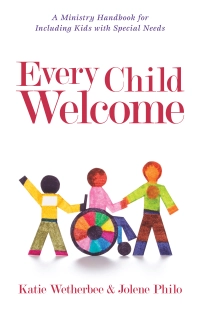
Every Child Welcome

Do you remember the Lemony Snicket books that took the children’s literature world by storm in the early 2000s? They were called A Series of Unfortunate Events. My own version of that title comes to mind every time I think of how Katie Wetherbee and I eventually came to write Every Child Welcome. Because the book truly is the result of a series of very fortunate events.

Though I believe they were God-ordained events, not merely fortunate ones.

The series of events began with at a special needs ministry inclusion conference in Des Moines, Iowa. Key Ministry sent a team, which included Katie, to conduct workshops at the conference. My first book had recently been published, and the conference coordinators invited me to host a book table and attend some of the workshops. Can you guess which ones I signed up to attend?

If you guessed the Key Ministry workshops, give yourself a pat on the back!

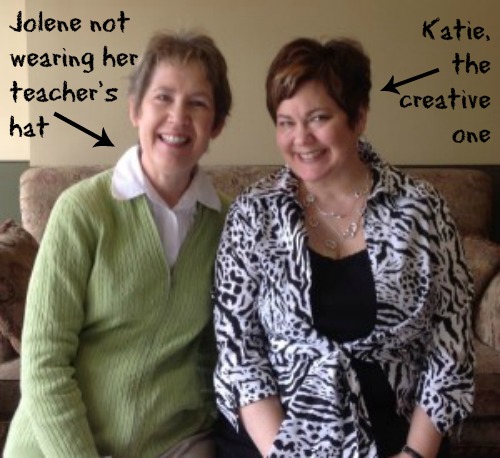
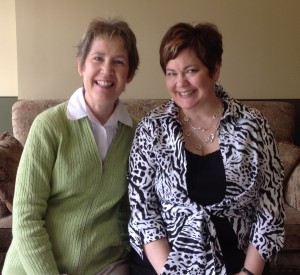
But before the first workshop started, a petite dark-haired woman with a smile as big as Iowa stopped by to introduce herself. “I’m Katie Wetherbee,” she said. “And I love your book.” We chatted for a few moments and an almost instant friendship formed. We both had kids who had overcome medical special needs. We both were former public school teachers with special education backgrounds. We were both interested in special needs ministry. We both blogged about special needs. And when I attended her workshops, I discovered that our teaching philosophies and styles were much the same.

In fact, if we had ever had the opportunity to team teach in the public schools, we would have been a dangerous combination.

Jolene-and-Katie

We stayed in touch via email over the next few months. We read each others’ blogs and left comments. One day Katie asked if she could call and pick my brain about a book she wanted to write. I assumed she was contemplating a book filled with the special needs inclusion ideas she wrote about so eloquently on her blog. But her idea was something quite different. When I responded with surprise and explained what I had expected to hear, she replied, “But I wouldn’t know how to write a book like special needs inclusion.”

“Then let’s write it together,” I suggested.

So we did. We wrote a book with untrained children’s ministry volunteers, not children’s ministry leaders, in mind. We wrote it for Sunday school teachers and mid-week program volunteers who work in churches too small to offer a full-blown special needs ministry. We wrote it to equip children’s ministry volunteers who want to welcome every child into classrooms and clubs and programs, but aren’t equipped to do so. We wrote it to fulfill Jesus command in the gospel of Matthew. “Let the little children come to me and do not hinder them, for to such belongs the kingdom of heaven.” We wrote Every Child Welcome because this command is not limited to children who will sit quietly at His feet and listen, who color between the lines, who raise their hands and wait to be called upon, and who work at grade level.

We wrote the book because we want every child to learn about Jesus.

We wrote Every Child Welcome because in the fall of 2009, Key Ministry sent a team that included Katie Wetherbee to conduct workshops at a special needs inclusion ministry conference in Des Moines, Iowa. Thank you, Key Ministry, for being the first in a very fortunate, God-ordained series of events, which Katie and I believe the Father is using to introduce many children to His Son.

To keep up with Katie, check out her blog, Diving for Pearls. To keep track of Jolene, visit her blog at Different Dream.

Posted in Hidden Disabilities, Inclusion, Key Ministry, Resources | Tagged , , , , , , , , , , , | 4 Comments

Mental health inclusion…Preaching it from the pulpit

Rick WarrenIn the third installment of our series, Ten Strategies for Promoting Mental Health Inclusion at Church, Steve looks at the importance of the words that pastors use from the pulpit as a key component of a mental health inclusion strategy.

Because of some very deep-seeded attitudes held by many leaders, the stigma associated with mental illness in the church may be far greater than in other institutions of society. In order to pursue an intentional process of outreach and inclusion toward families impacted by mental illness church members and attendees need to be reassured that it’s OK in the culture of your local church to talk about it.

In most churches, the preponderance of communication will be handled by the lead/senior pastor or teaching pastors. For a first-time visitor, impressions of the church will likely be shaped by your church’s web presence, what they’ve been told by a member or attender who invited them to attend, information posted on signs, kiosks, video monitors, brochures and the church bulletin, and their interactions with others, but most importantly,  the words communicated from the pulpit or stage.

One indication in church culture of the importance of a program or event is the amount of “platform time” that event receives during weekend worship services. Within a church staff or volunteer base, competition for the opportunity to feature a ministry activity or event during worship services is intense because that’s when the most potential attendees or volunteers are listening. If mental health inclusion is important at your church, your team will want to engage your pastoral team to talk about it on Sunday mornings.

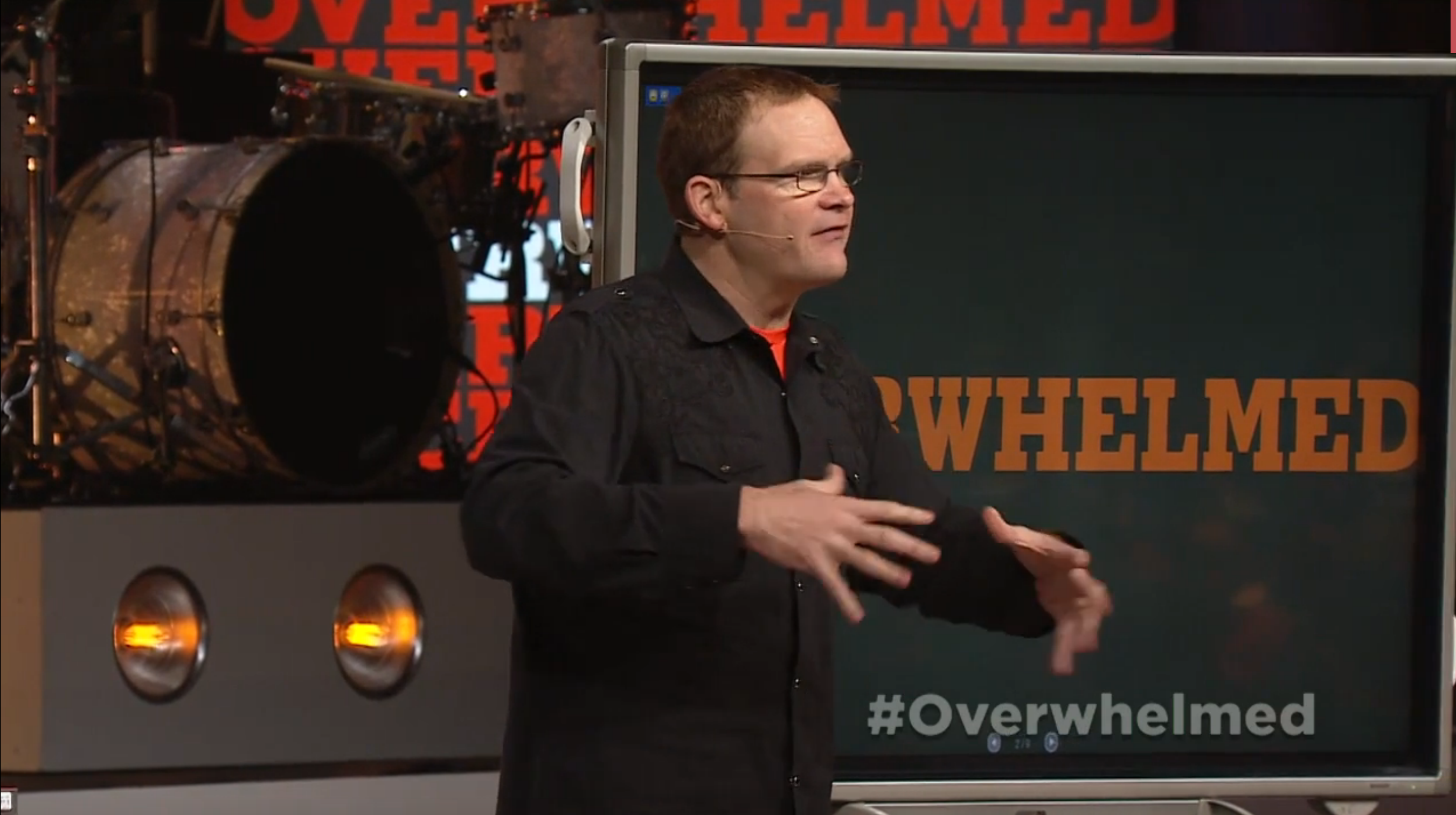
One way some pastors broach the issue of mental illness is through publicly sharing from their own experience. Perry Noble is the pastor of NewSpring Church, a wildly successful multi-site church based in South Carolina. Perry preached about his personal experiences with mental illness and published a book, Overwhelmed on the topic of coping with anxiety. Here’s a brief interview in which he discusses how he experienced panic attacks while preaching and shares a time when he contemplated suicide…

Here’s a link to a fabulous message that Perry gave last May on the topic of anxiety, depression and suicide.

Some pastors speak from family experiences. Rick Warren has received the most notice for his preaching on topics related to mental illness in the aftermath of his son’s suicide in 2013. How We’re Getting Through is the first message from the series Rick preached at Saddleback Church upon return from the sabbatical he took following Matthew’s death. Click on the picture below to watch the entire message from Saddleback’s website…

Rick Warren 2013

Here are links to the remaining messages to Rick’s series… How to Get Through What You’re Going Through

Shock: When Your World Collapses – Rick Warren
Sorrow: Getting Through Life’s Losses – Rick Warren
Struggle: When Life Makes No Sense – Rick Warren
Surrender: The Path to Peace – Rick Warren and Kay Warren
Sanctification: Transformed by Trouble – Rick Warren
Sanctification: Finding Treasure in Darkness – Kay Warren
Service: Never Waste Your Pain – Rick Warren

Here’s a message on depression from Ryan Rasmussen of First Christian Church in Canton, Ohio. Ryan’s church has a fabulous disability ministry…he shares from his experiences in ministry in a great example of a sermon that grants attendees permission to talk about mental illness and addresses very specifically the sources of stigma in the church…

Before we close, I’d like to share a brief word on what not to say from the platform. In our “politically correct” culture, one segment of the population we still make fun of are folks with mental illness. We may want to avoid being flippant about common, derogatory terms like “crazy,” “insane,” “psycho” or using diagnostic terms as adjectives describing behavior patterns in others…”bipolar,” “manic,” “hyper” or “OCD.” People-first language is important when referring to mental health disabilities too! We don’t define others by their mental health condition…use “my friend with depression” as opposed to “my depressed friend.”

Some other things not to say from the pulpit or the stage…

  • Don’t minimize the severity of mental illness
  • Don’t question the validity of specific diagnoses
  • Don’t question the legitimacy of treatments dispensed by licensed professionals
  • Don’t attribute all mental illness to sin or to a lack of faith
  • Don’t assume that spiritual remedies alone will be the only way in which God chooses to heal persons with mental illness

When the leader of your church talks about mental illness from the pulpit or the stage during weekend worship services, they communicate to the body that people with mental illness are valued and grant permission for members and attendees to talk with others in the church about their experiences.

***********************************************************************************************************

KM Logo UpdatedKey Ministry has assembled resources to help churches more effectively minister to children and adults with ADHD, anxiety disorders, Asperger’s Disorder, Bipolar Disorder, depression and trauma. Please share our resources with any pastors, church staff, volunteers or families looking to learn more about the influence these conditions can exert upon spiritual development in kids, and what churches can do to help!

Posted in Key Ministry, Mental Health, Stories, Strategies | Tagged , , , , , , , , , , , | 3 Comments

Every Child Welcome…the most complete special needs ministry resource I’ve ever come across

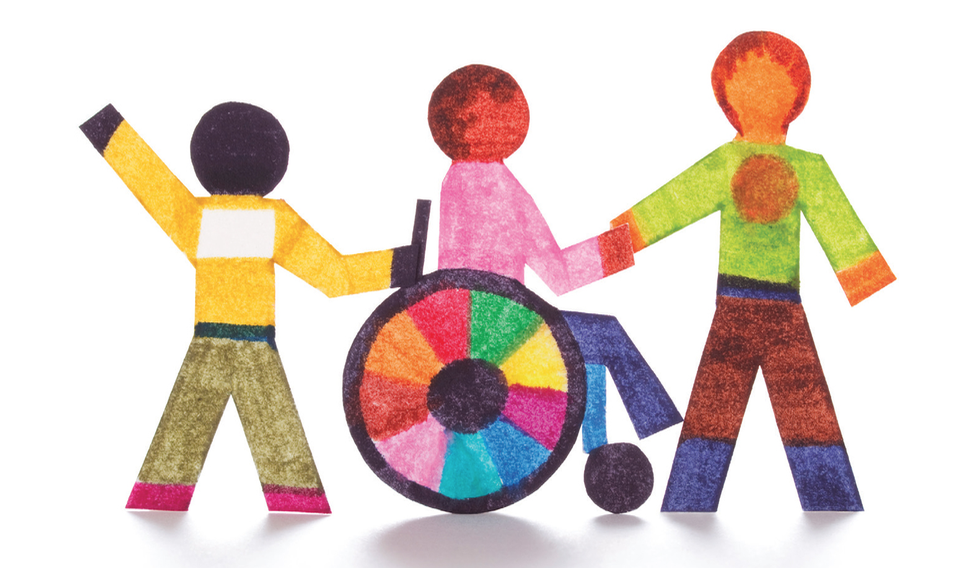
Every Child Welcome graphic

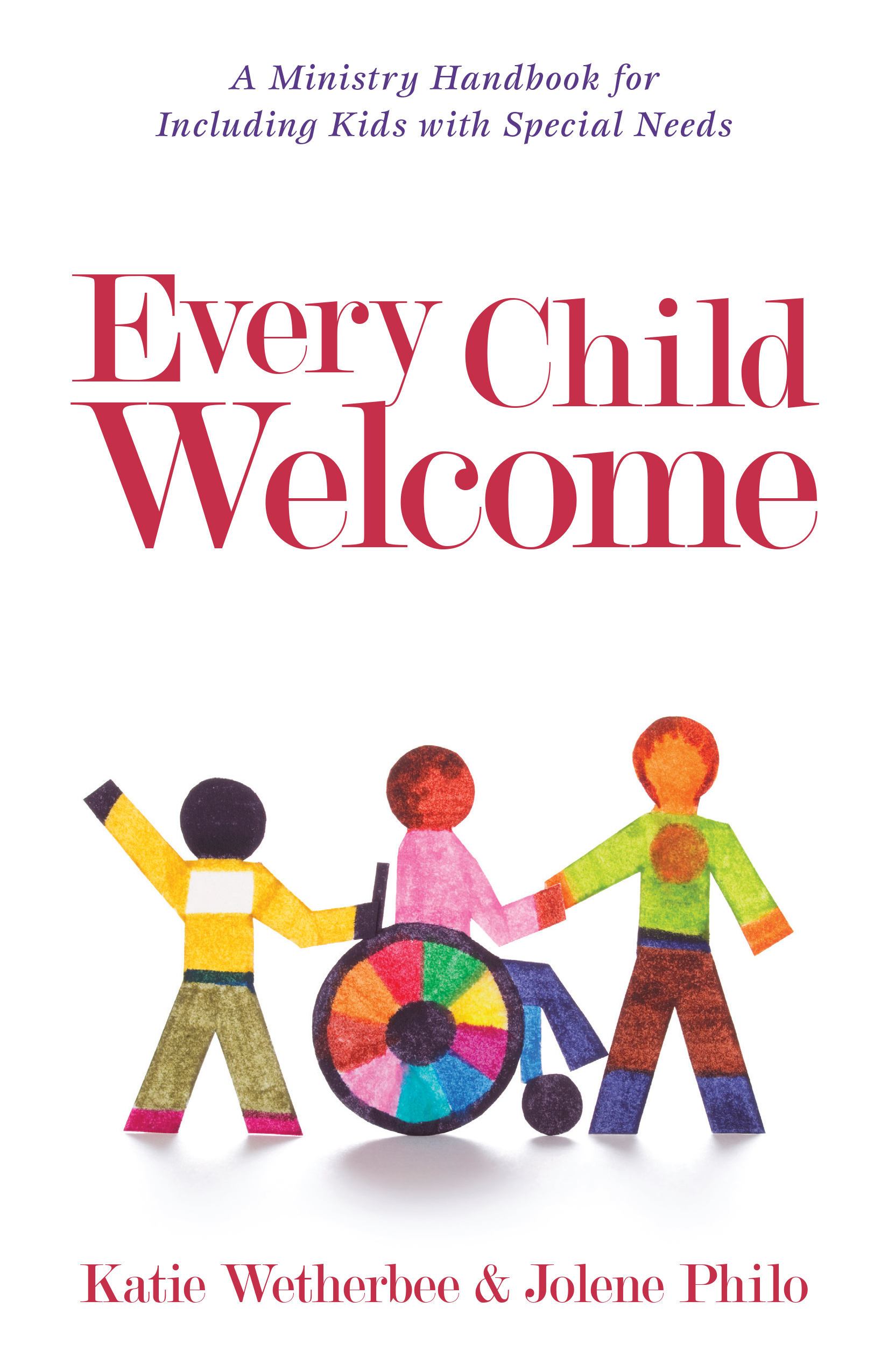
Book Review: Every Child Welcome: A Ministry Handbook for Including Kids with Special Needs. Authored by Katie Wetherbee and Jolene Philo. Published by Kregel Publications.

Every Child Welcome is not simply the most complete special needs ministry resource I’ve ever come across…it’s also the best resource I’ve ever seen for Sunday School teachers, children’s ministry staff and volunteers.

Katie Wetherbee and Jolene Philo have distilled a lifetime of experience as educators, ministry leaders and parents of children with disabilities into a concise guide for anyone involved with sharing the love of Christ with kids…especially kids with disabilities.

Every Child Welcome is STUFFED with hundreds of practical ideas and strategies for including kids of all levels of intellectual, physical, developmental and emotional disability into the environments and activities in which we help them to grow to know and love God.

In this book, Katie and Jolene are very methodical in helping church staff and volunteers implement best practices for every aspect of a child’s experience at church. They cover EVERYTHING.

Jolene-and-Katie-300x275What sets this book apart when compared to other excellent special needs ministry resources is the practical wisdom Katie and Jolene share from their years of classroom experience in general and special education. They offer a plethora of ideas and strategies for teaching kids with extraordinarily diverse learning styles and ability. Many books and websites (including Every Child Welcome) have helpful information for managing problematic behaviors. Two complete chapters in the heart of the book discuss strategies for teaching Biblical concepts when kids struggle with reading, the ability to grasp abstract concepts or learning in group situations.

Two other attributes of the book that will be of great value to all who serve in children’s ministry or disability ministry are the practical strategies Katie and Jolene share for effective and sensitive communication with parents of kids with special needs and the emphasis they place on offering all children…including kids with disabilities opportunities to use their unique gifts, talents and abilities in service to others. An entire chapter is devoted to teaching children to serve at church.

This is not a book that will be read once and stuck on a shelf…well-worn copies will be found on the desks and in the workspaces of those serving in children’s ministry, family ministry and special needs ministry because it is destined to become the “go-to” reference when leaders look for answers in seeking to minister with kids with disabilities and their families. The book is also a fabulous resource for parents seeking useful ideas for helping their kids to grow spiritually.

In the medical field, there are standard reference texts that occupy a place of prominence in every clinic or physician’s office. Every Child Welcome should be in the hands of every children’s ministry director or special needs ministry director in every church in the English-speaking world.

Congratulations to Katie and Jolene! The two of them raised the bar for disability ministry resources very high.

***********************************************************************************************************

Every Child WelcomeJesus set a high standard when He said “Let the little children come to me and do not hinder them, for to such belongs the kingdom of heaven.” The call is not limited to children who will sit quietly at His feet and listen, who color between the lines, who raise their hands and wait to be called upon, and who work at grade level. Children’s ministries are responsible to be ready to bring children with disabilities to Jesus’ feet too. Every Child Welcome is the guide for leaders and volunteers to assist in purposeful planning and skill development for a ministry inclusive of children with unique needs. Available at Amazon and Kregel.

Posted in Resources | Tagged , , , , , , , , | 5 Comments

The barriers to getting newcomers with mental illness connected at church…

AssimilationIn the second installment of our series, Ten Strategies for Promoting Mental Health Inclusion at Church, Steve looks at the challenges faced by families when visiting a church for the first time when one or more members of a family struggle with mental illness.

One challenge that my friends serving in staff positions at churches wrestle with on an ongoing basis is assimilation… helping newcomers and visitors to quickly become comfortable with and find their place in a local church. Helping people to get connected and to stay connected is vital if the church is to grow and, more importantly, is critical if the church is to serve as a catalyst to discipleship and spiritual growth.

For persons experiencing the effects of mental illness, the processes in place to facilitate assimilation may become insurmountable obstacles to church attendance, depending upon the nature or severity of their condition.

In an earlier post, we identified seven obstacles to church attendance when kids have mental illness. Those reasons are…

  • Social isolation
  • Capacity for social communication
  • Capacity for impulse control/emotional self-regulation
  • Sensory processing
  • Stigma
  • The fear of being singled out
  • Parents with mental illness

Let’s keep these challenges at the forefront of our minds as we start to consider all of the potential obstacles kids or their parents might experience at different points in your church’s assimilation process if they suffer from common mental health conditions.

I came across a great post from my Google search on assimilation in which David Zimmerman argued that the most pressing concern for a first time church visitor is that they do nothing to embarrass themselves during the service. How much more true would that be for an anxious parent? After all, people with anxiety are wired to overestimate the level of risk when entering a new situation. What concerns might a parent have if their child struggles with self-control or lacks good social skills?

Adults or kids with mental illness are more likely to experience distress from any component of your assimilation process that calls attention to them being different than everyone else in attendance. If members have name tags, do visitors have name tags? Are visitors singled out during the service?

Here’s an excellent resource on reaching and keeping church visitors from the folks at Fellowship One. They emphasize the role of greeters and the importance of making “real connections” with people. But what if a significant number of potential visitors have a condition resulting in intense distress at the prospect of interacting with unfamiliar people?

shutterstock_172332593Let’s say a single mom with social anxiety disorder wants to come to your church with her two school-age children. How many interactions will be required between the time she pulls into the church parking lot and when she sits down in her seat in your sanctuary or worship center? Depending upon the size of your church, she may encounter…

  • A parking lot attendant
  • A greeter (or greeters) upon entering the building
  • Someone at a kiosk or help center to find the children’s programming
  • A volunteer (or volunteers) at the children’s ministry registration/check-in area
  • A member of the children’s ministry staff
  • The ministry volunteer/leader responsible for each child’s class or breakout activity
  • The usher when she arrives at the sanctuary/worship center

None of this is bad…after all, many people come to church longing for relationship and human interaction and the model may work well for the vast majority of visitors. But what about the people for whom the prospect of running a social gauntlet is akin to pounding a square peg into a round hole? Is there a way of making available an alternative path…an accommodation available to those who need it?

shutterstock_118324816Let’s say that the single mom’s daughter struggles with separation anxiety, becoming very clingy and emotional during transitions when the child is required to leave her mother behind. Families in our practice have shared experiences of visiting churches where the pastor had a strong preference for school-age children to attend programming outside the worship center. How are your greeters, ushers and volunteers trained to respond when a parent seeks to enter the worship service with a visibly anxious child? When the child experiences acute distress at the prospect of leaving Mom behind for kids’ worship or Sunday school?

What about the family of a child who struggles with sensory processing? Is there a readily identifiable way to enter your church where they won’t be overwhelmed with sensory input? What will the child experience in terms of bright lights, loud music or visual stimulation in the environments in which you do children’s ministry. Persons with ADHD often experience distress in environments where multiple conversations are taking place in close proximity with lots of background noise…like church foyers or lobbies. We’ll talk more about sensory processing and ministry environments in a future post.

I threw out the examples above to illustrate a few of the challenges families face. What’s the next step for your church’s mental health inclusion team?

Each member of the team should review the seven obstacles to church attendance listed above and consider how key obstacles to engagement can be minimized or overcome for families of kids with common mental health concerns.

Could an anxious mother meet with ONE person prior to her initial visit who could handle children’s ministry registration and accompany her from the front door to a seat in the worship center?

f77fc902f0ffff8a9dc080bff842bdddHow can the children’s ministry team or student ministry team modify the environments in which they do ministry to be more sensory-friendly for a neurodiverse population? How do you include kids who have difficulty sitting still or controlling their temper?

What service activities might be a good fit for people who are uncomfortable in social situations? What’s the easiest way for them to register?

How do you include teens and adults who are shy or socially awkward into small groups if small groups are central to your church’s discipleship strategy?

How can your church introduce itself to people in your community more likely to be socially isolated and less likely to be connected to those who already attend your church?

As a help to your team, Key Ministry has assembled resources to help churches more effectively minister to children and adults with ADHD, anxiety disorders, Asperger’s Disorder, Bipolar Disorder, depression and trauma.

Next: Assessing your church’s web presence
***********************************************************************************************************

shutterstock_24510829Key Ministry is pleased to make available our FREE consultation service to pastors, church leaders and ministry volunteers. Got questions about launching a ministry that you can’t answer…here we are! Have a kid you’re struggling to serve? Contact us! Want to kick around a problem with someone who’s “been there and done that?” Click here to submit a request!

Posted in Anxiety Disorders, Hidden Disabilities, Inclusion, Key Ministry, Mental Health, Resources | Tagged , , , , , , , , , , , | 3 Comments