
Available at Amazon, Barnes and Noble, Christian Book and fine booksellers everywhere
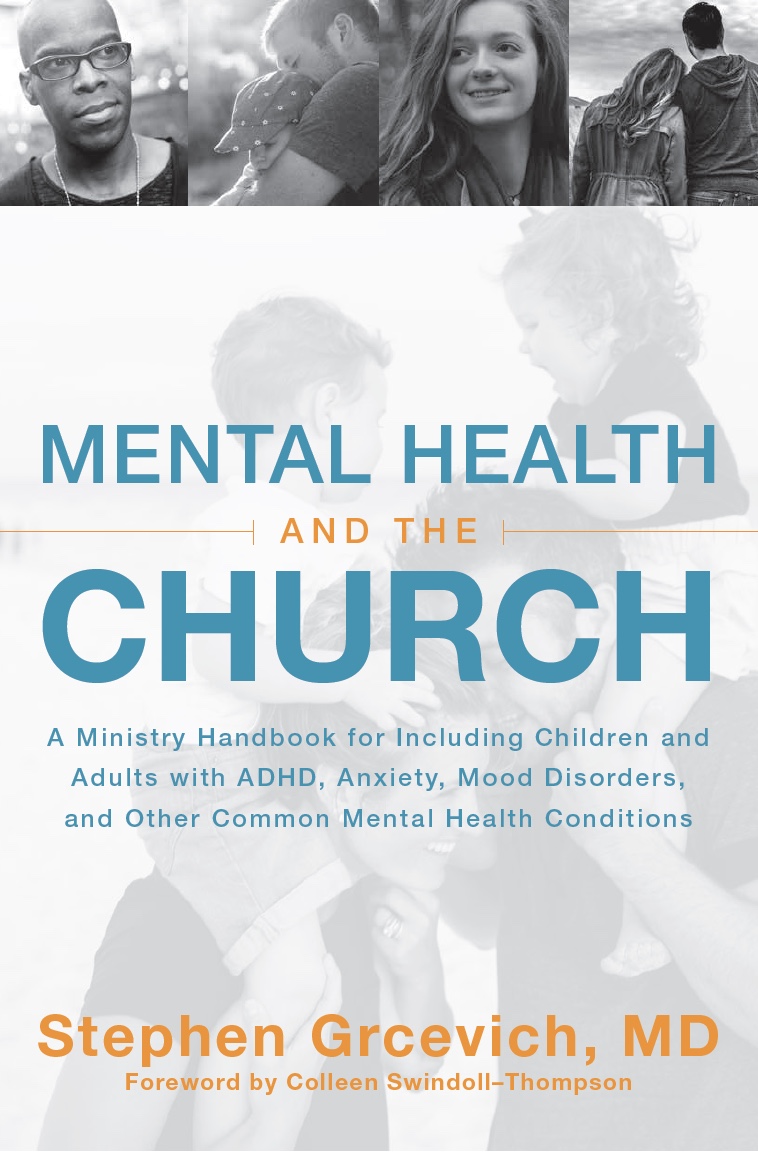
Thanks to Ministry-To-Children!

“The most complete special needs ministry resource I’ve ever come across.”
Honored to be in Sharecare Now’s Top Ten online influencers in children’s mental health!

Category Archives: Controversies
Suicide by doctor?
Helping the mentally ill commit suicide was unthinkable not long ago. Today, it is a growing practice. Continue reading
Receiving the refugees of the sexual revolution…
How shall we prepare? Here are six ideas from someone who has treated far too many of the wounded… Continue reading
Can we do disability ministry across a theological chasm?
Have we reached the point where the distrust in the church for ministries and ministry leaders who routinely serve the “other side” is such that we in disability ministry will be forced to choose one side of the theological chasm or the other at the risk of losing the opportunity to minister altogether? Continue reading
Psych meds don’t turn kids into mass murderers
Charleston isn’t about a mental health problem…it’s about an problem with evil. Evil may have won the battle on Wednesday but the Bible is very clear that evil will not win the war. Continue reading
Posted in Advocacy, Controversies, Key Ministry, Mental Health
Tagged ADHD, anxiety disorders, Charleston Shooting, children's ministry, Christianity, Depression, Disability Ministry, evil, Mass Murder, medication, mental illness, psych meds, schizophrenia, Stephen Grcevich MD, student ministry
1 Comment
#CharlestonShooting… Evil or mental illness?
What mental illness does is that it makes it harder for some to continue to hide from the world the evil that exists within their hearts. Continue reading
How would your church respond to Caitlyn Jenner?
My friend was very pleased that the stuff going on in his new church was compelling enough to draw this person into what was likely a very uncomfortable situation for someone of his appearance, but was more pleased by the way the people of his church welcomed him, accepted him into the congregation and treated him with respect. Continue reading
Should you allow someone like Josh Duggar to serve in your children’s ministry?
Am I doing everything I can to protect the children and youth entrusted to my care each week? As a leader in the church and an ambassador for Christ, I need to be able to answer yes to that question, even if I have to answer no to someone who wants to serve with us.
Continue reading
When we talk about the Duggars, who is listening?
If a mom, dad, or teen in your church feels like their family is falling apart because of a dark secret, will your words on this topic invite them to trust you or to stay silent? Will what you say or post on social media tell them you will love them in the midst of their messiness? Continue reading
Posted in Controversies, Key Ministry, Leadership
Tagged church, dark secrets, Disability Ministry, Duggar family, families, families in crisis, Josh Duggar, offenders, sexual abuse, Shannon Dingle, trauma, victims
3 Comments
What we know about kids who do what Josh Duggar did
It might be helpful to look at the available research into kids and teens who commit sexual offenses to better understand the background of kids who perpetrate these offenses and the impact that treatment may have on reducing their risk of harming others in the future. Continue reading
Posted in Advocacy, Controversies, PTSD
Tagged ADHD, adolescents, CBT, children, clergy, Josh Duggar, mental health, mood disorders, MST, pornography, PTSD, recidivism, reporting, research, sexual offenders, teens, trauma, treatment
20 Comments
Are antidepressants safe for kids?
Patients with depression were eleven times more likely to experience significant benefit from antidepressant medication than to experience medication-related suicidal thinking or behavior, patients with OCD were thirty-four times more likely to experience benefit and patients with non-OCD anxiety were thirty-six times more likely to experience benefit. Continue reading
 Church4EveryChild